
Homemade Coffee Boba Pearls: A Simple Guide
Quick answer
- Use tapioca starch as your base.
- Dissolve sugar in hot water for the syrup.
- Combine starch, syrup, and instant coffee for flavor.
- Knead until a smooth, elastic dough forms.
- Roll into small, uniform balls.
- Boil until they float, then chill in syrup.
- Serve immediately in your favorite coffee drink.
Who this is for
- The adventurous home barista looking to level up their iced coffee game.
- Anyone who loves the chewy texture of boba and wants to infuse it with coffee flavor.
- Folks who enjoy a fun, hands-on kitchen project with delicious results.
What to check first
Brewer type and filter type
This guide is about making boba pearls from scratch, not brewing coffee. So, your coffee maker type doesn’t matter for the pearls themselves. But, you’ll want a good cup of coffee to put them in. Whether it’s drip, pour-over, or cold brew, make sure it’s tasty.
Water quality and temperature
For the boba dough, you’ll need hot water. It needs to be hot enough to dissolve the sugar and gelatinize the starch. Think near boiling, but not quite. For the coffee you’ll serve them in, use filtered water. It makes a cleaner tasting cup.
Grind size and coffee freshness
Again, this is for the coffee you’ll drink. A medium grind is usually good for drip coffee makers. Freshly roasted beans make a big difference. For the boba pearls themselves, we’re using instant coffee powder for that deep coffee flavor.
Coffee-to-water ratio
This applies to your brewed coffee. A common starting point is around 1:15 to 1:17 coffee to water by weight. So, for 15 grams of coffee, use about 250-255 grams of water. Adjust to your taste. For the boba, the ratio of starch to liquid is more critical for texture.
Cleanliness/descale status
Make sure your kitchen is clean, especially your workspace. You’ll be handling dough. If you’re brewing coffee to go with your boba, make sure your coffee maker is clean too. No one wants stale coffee residue in their fresh boba drink.
Step-by-step (brew workflow)
1. Prepare the coffee syrup: Heat 1 cup of water in a small saucepan. Add 1 cup of granulated sugar. Stir until the sugar is completely dissolved. This creates your sweet base.
- What “good” looks like: A clear, slightly thickened syrup. No gritty sugar at the bottom.
- Common mistake: Not dissolving the sugar fully. This can lead to grainy pearls or a syrup that separates. Stir continuously over low heat.
2. Add instant coffee: Stir in 2-3 tablespoons of instant coffee powder into the hot syrup. Mix until it’s fully incorporated and there are no clumps. This is where the coffee flavor comes in.
- What “good” looks like: A uniformly colored, rich brown syrup. The coffee aroma should be noticeable.
- Common mistake: Adding too much or too little instant coffee. Start with 2 tablespoons and taste. You can always add a bit more if needed.
3. Prepare the tapioca starch: In a heatproof bowl, measure out 1 cup of tapioca starch. Make sure it’s tapioca starch, not cornstarch. They behave differently.
- What “good” looks like: Dry, powdery starch.
- Common mistake: Using the wrong type of starch. Tapioca is key for that chewy, bouncy texture.
For the best results, ensure you’re using high-quality tapioca starch, like this one, which is essential for that perfect chewy texture.
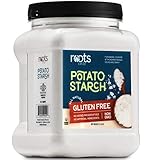
- NATURE’S HEALTHY, VERSATILE ‘RESISTANT STARCH’: Trusted by chefs and cooks for generations, potato starch is more flavorful, versatile and heat-friendly than cornstarch, arrowroot and others. As a resistant starch, it naturally ferments in the large intestine to function as a healthy prebiotic.
- MADE WITH 100% POTATOES AND NOTHING ELSE: Roots Circle is a promise of purity, so you know nothing but the best makes it into your food. Our potato flour is made of pure powered potatoes, without the addition of preservatives, artificial ingredients, cheap fillers, or anti-caking agents.
- THE SECRET TO GREAT SAUCES, GRAVIES & PASTRIES: Even one teaspoon of our fine potato starch can add beautiful viscosity and body to your favorite dishes. From pan sauces to roasts, from pancakes to tiramisu fingers, from soufflés to cakes, your imagination is the final ingredient.
- GLUTEN-FREE, VEGAN, PALEO & WHOLE30 FRIENDLY: Accomplish a world of health progress and cooking improvement with this undeniable household staple. Control your weight, enrich your culinary skills, and serve your family healthy, good-for-all foods made with the purest ingredients.
- EASY-STORAGE RESEALABLE CONTAINER FOR FRESHNESS: Each pantry-friendly container has an extra wide lid for easy scooping. The top clicks tightly in place to lock in freshness and keep moisture out, so you always have the best potato starch handy.
4. Combine hot syrup and starch: Carefully pour about half of the hot coffee syrup into the tapioca starch. Stir vigorously with a sturdy spoon or spatula. It will start to form a sticky, clumpy mass.
- What “good” looks like: A very sticky, partially formed dough. It will look messy at this stage.
- Common mistake: Adding all the syrup at once. This can make the dough too wet and unmanageable.
5. Knead the dough: Gradually add more hot syrup, a tablespoon at a time, while continuing to stir and then knead with your hands (be careful, it’s hot!). Keep kneading until you have a smooth, pliable, and slightly elastic dough. It should not be sticky to the touch.
- What “good” looks like: A smooth, firm dough that bounces back slightly when poked. It shouldn’t stick to your hands.
- Common mistake: Over-kneading or under-kneading. Too little kneading results in a crumbly dough. Too much can make it tough. Aim for elasticity.
6. Roll the pearls: Take small portions of the dough and roll them between your palms into tiny balls, about ¼ to ½ inch in diameter. Aim for consistency in size so they cook evenly.
- What “good” looks like: Uniformly sized, smooth little spheres.
- Common mistake: Making pearls too large. They’ll be hard to cook through and might clump together. Smaller is better.
7. Boil the pearls: Bring a pot of water to a rolling boil. Gently drop the rolled tapioca pearls into the boiling water. Stir immediately to prevent them from sticking to the bottom.
- What “good” looks like: Pearls dancing in the boiling water.
- Common mistake: Not stirring immediately. They’ll fuse into one giant tapioca blob.
8. Cook until they float: Let the pearls boil until they float to the surface. This usually takes about 5-10 minutes. Once they float, let them cook for another 1-2 minutes.
- What “good” looks like: Pearls that have puffed up slightly and are floating.
- Common mistake: Not cooking them long enough. They’ll be hard in the center.
9. Chill in syrup: Once cooked, use a slotted spoon to transfer the hot pearls directly into a bowl of the reserved coffee syrup (or a fresh simple syrup if you used all your coffee syrup). Let them soak for at least 15-20 minutes. This chills them and infuses more flavor.
- What “good” looks like: Plump, glossy pearls soaking in syrup.
- Common mistake: Skipping the chilling step. They’ll be less flavorful and might have a slightly gummy texture.
10. Serve: Drain the pearls from the syrup and add them to your favorite iced coffee, latte, or other beverage.
- What “good” looks like: A delicious coffee drink with chewy, flavorful boba pearls.
- Common mistake: Letting them sit too long in the syrup. They can become too soft. Use them within a few hours for the best texture.
Common mistakes (and what happens if you ignore them)
| Mistake | What it causes | Fix |
|---|---|---|
| Not dissolving sugar fully in syrup | Gritty texture in pearls, syrup separation | Stir continuously over low heat until sugar is fully dissolved. |
| Using the wrong type of starch | Gummy, hard, or no chewy texture | Always use tapioca starch for authentic boba texture. |
| Adding all syrup to starch at once | Dough is too wet, unmanageable, sticky mess | Add hot syrup gradually, stirring and kneading as you go. |
| Over-kneading the dough | Tough, rubbery pearls | Knead just until smooth and pliable; it should be elastic, not stiff. |
| Under-kneading the dough | Crumbly dough that falls apart | Knead until it holds together and forms a cohesive ball. |
| Making pearls too large | Uneven cooking, hard centers, clumping | Roll pearls to a consistent, small size (¼ to ½ inch). |
| Not stirring pearls immediately after adding to boiling water | Pearls fuse into one large mass | Stir gently but immediately to separate them. |
| Not cooking pearls long enough | Hard, uncooked centers | Cook until they float, then for an additional 1-2 minutes. |
| Skipping the chilling step | Less flavorful, slightly gummy pearls | Soak cooked pearls in syrup for at least 15-20 minutes. |
| Letting cooked pearls sit too long | Pearls become overly soft and mushy | Serve within a few hours of preparation for best texture. |
Decision rules (simple if/then)
- If the dough is too sticky, then add a little more tapioca starch because it means there’s too much liquid.
- If the dough is too dry and crumbly, then add a tiny bit more hot syrup because it needs more moisture to bind.
- If pearls are sticking together while boiling, then stir more gently and frequently because they need space to cook evenly.
- If pearls are still hard in the center after floating, then continue boiling for another 2-3 minutes because they need more time to cook through.
- If the coffee syrup is too thin, then simmer it gently for a few more minutes to reduce it because it needs to be slightly thickened to coat the pearls.
- If you want stronger coffee flavor, then add more instant coffee powder to the syrup next time because it’s the primary flavor source.
- If the pearls taste bland, then soak them in the syrup for longer because they absorb flavor during this step.
- If the pearls are too hard after soaking, then you might have undercooked them initially because they need to be fully cooked before soaking.
- If the pearls are too soft and mushy, then you likely overcooked them or they’ve been sitting too long because they lose their ideal chewiness over time.
- If your dough feels tough while kneading, then you’re probably overworking it, so stop as soon as it’s smooth and elastic.
FAQ
Q: Can I use regular coffee grounds instead of instant coffee?
A: No, instant coffee powder is essential for dissolving directly into the syrup and providing a smooth, concentrated coffee flavor without adding sediment. Regular grounds won’t work here.
Q: How long do homemade coffee boba pearls last?
A: They are best consumed the same day they are made. They tend to get harder and lose their chewy texture after about 24 hours, even when refrigerated.
Q: What kind of coffee should I use for the drink itself?
A: Any kind you like! Cold brew, iced lattes, or even a strong iced Americano work great. The key is to have a delicious coffee base to enjoy with your pearls.
Q: My pearls are all different sizes. Does it matter?
A: For best results, try to make them as uniform as possible. This ensures they cook evenly. If they’re slightly different, the smaller ones will cook faster.
Q: Can I make the dough ahead of time?
A: You can make the dough and store it tightly wrapped in plastic wrap for a few hours at room temperature. However, it’s best to roll and cook the pearls closer to when you plan to serve them.
Q: What happens if I don’t use enough tapioca starch?
A: The dough will be too sticky and difficult to handle, and the pearls will likely be too soft or fall apart when cooked.
Q: Can I add milk to the syrup?
A: While you could, it’s not traditional and might alter the texture or cooking process. Stick to water and sugar for the syrup base.
Q: Why are my pearls still hard inside?
A: This usually means they weren’t boiled long enough. Ensure they float and then cook for a few extra minutes.
What this page does NOT cover (and where to go next)
- Making bubble tea without boba.
- Brewing specialty coffee for your drink base.
- Advanced tapioca starch techniques or different boba flavors.
- Storing boba pearls for extended periods.
- Recipes for non-coffee flavored boba pearls.