
Factors Contributing to a Delicious Cup of Coffee
Quick answer
- Freshly roasted beans are king. Don’t let ’em sit around.
- Grind right before you brew. It’s a game-changer.
- Water quality matters. Filtered is usually best.
- The right coffee-to-water ratio is crucial. Dial it in.
- Temperature control is key. Not too hot, not too cold.
- Clean your gear. Seriously, clean it.
Water quality matters. Using a good coffee water filter can make a significant difference in taste.
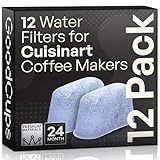
- Universal Compatibility: These premium replacement charcoal water filters are designed to fit all Cuisinart coffee maker models, ensuring a perfect fit for both newer and older models, including Cuisinart coffee maker 12 cup, Grind and Brew, and coffee maker with grinder.
- Enhanced Beverage Flavor: GoodCups charcoal water filters for Cuisinart coffee maker remove calcium, chlorine, and odors, giving you fresh, great-tasting coffee with every brew.
- Superior Filtration: Our charcoal boasts a strong absorption capacity and maximizes filtration efficiency. These water filters for Cuisinart coffee makers protect your brewer, extend its lifespan, and improve every coffee cycle.
- Optimal Water Flow Design: GoodCups filters feature a carefully crafted design that allows for optimal water flow, preventing clogs while ensuring your Cuisinart coffee maker operates smoothly and efficiently.
- Environmentally Conscious: These Cuisinart replacement water filters are made from recyclable materials, demonstrating our commitment to environmental responsibility.
Key terms and definitions
- Bloom: The initial release of CO2 from fresh coffee grounds when hot water hits them. It’s a good sign.
- Burr Grinder: A grinder that uses two revolving abrasive surfaces to crush beans into uniform particles. Way better than blades.
- Extraction: The process of dissolving soluble compounds from coffee grounds into water. This is where the flavor comes from.
- Grind Size: The coarseness or fineness of your coffee grounds. It’s super important for extraction.
- Roast Level: How long and at what temperature coffee beans were roasted. Light, medium, dark – they all taste different.
- Specialty Coffee: Coffee that scores 80+ points on a 100-point scale by a certified coffee taster. It’s the good stuff.
- Tamping: Pressing down coffee grounds evenly in an espresso portafilter. For espresso heads.
- Water-to-Coffee Ratio: The proportion of water to coffee grounds used in brewing. Think of it as your recipe.
How it works: What Makes Coffee Good
- The Bean is the Base: It all starts with the raw coffee bean. Where it’s grown, how it’s processed, and how it’s roasted all lay the foundation for flavor.
- Roasting Unlocks Flavor: Heat transforms the green coffee bean, developing hundreds of aromatic compounds. This is where the magic happens, creating those familiar coffee smells and tastes.
- Grinding for Surface Area: Grinding increases the surface area of the coffee, allowing water to interact with more of the bean’s soluble compounds. A consistent grind is vital.
- Water as the Solvent: Hot water acts as the solvent, pulling out the desirable flavors, aromas, and caffeine from the coffee grounds. It’s the delivery system.
- Extraction Time: The amount of time water is in contact with the grounds influences how much is extracted. Too short, it’s weak. Too long, it’s bitter.
- Temperature Matters: Water temperature directly affects the rate of extraction. Too cool, and you won’t get enough flavor. Too hot, and you can scorch the grounds.
- Pressure (for some): Espresso machines use high pressure to force water through finely ground coffee, creating a concentrated brew. It’s a different ballgame.
- Filtration: Whether it’s a paper filter, metal mesh, or cloth, the filter separates the brewed coffee from the grounds. This affects body and clarity.
What affects the result: Dialing in Your Brew
- Bean Freshness: Roasted coffee beans lose their volatile aromatics over time. Aim for beans roasted within the last few weeks. I try to buy in smaller quantities.
- Grind Consistency: Uneven grinds lead to uneven extraction – some parts over-extracted (bitter), some under-extracted (sour). Burr grinders are the way to go.
- Grind Size Precision: The size of your grind needs to match your brewing method. Coarse for French press, fine for espresso. It’s a balance.
- Water Quality: Tap water can have chlorine or minerals that impart off-flavors. Filtered or spring water is usually a safer bet.
- Water Temperature: Ideal brewing temperatures are typically between 195°F and 205°F (90.5°C – 96°C). Too hot burns it, too cold under-extracts.
- Coffee-to-Water Ratio: A common starting point is 1:15 to 1:18 (grams of coffee to grams of water). Adjust to your taste.
- Brewing Method: Different brewers (pour-over, drip, French press, AeroPress) highlight different characteristics of the coffee. Experiment!
- Contact Time: How long the water is in contact with the coffee grounds. This is directly influenced by grind size and brewing method.
- Agitation: Stirring or swirling the coffee grounds during brewing can affect extraction. Be gentle, unless the recipe calls for it.
- Cleanliness of Equipment: Old coffee oils can go rancid and make your fresh brew taste stale or bitter. Rinse and clean regularly.
- Altitude: Higher altitudes can affect water boiling point, which might slightly influence brewing temperature if you’re not careful.
- Humidity: Believe it or not, humidity can affect how your beans store and even how they grind. Keep ’em dry.
Pros, cons, and when it matters
- Freshly Roasted Beans:
- Pros: Incredible aroma and complex flavor. The peak of the coffee experience.
- Cons: Can be more expensive. Requires planning to buy and use within their prime.
- When it matters: For anyone who wants to taste the true potential of a coffee bean. This is where good coffee starts.
- Proper Grind Size:
- Pros: Balanced extraction, optimal flavor. No bitterness or sourness from unevenness.
- Cons: Requires a decent grinder. Takes a little practice to get right for each method.
- When it matters: Every single cup. If your grind is off, nothing else will save it.
- Filtered Water:
- Pros: Clean, neutral taste that lets the coffee shine. Prevents mineral buildup in your machine.
- Cons: An extra step and cost. Some people like the mineral content in their tap water.
- When it matters: If your tap water tastes funky, or if you’re serious about tasting the nuances of your coffee.
- Precise Temperature Control:
- Pros: Consistent extraction, repeatable results. Avoids scorching or under-extracting.
- Cons: Some brewers offer this built-in, others require a separate kettle.
- When it matters: For delicate light roasts or when you’re chasing a specific flavor profile.
- Correct Coffee-to-Water Ratio:
- Pros: Achieves the desired strength and balance. Avoids weak or overly intense coffee.
- Cons: Requires weighing your coffee and water. Might feel like overkill at first.
- When it matters: For consistency and dialing in your perfect cup. It’s the foundation of your recipe.
- Clean Brewing Equipment:
- Pros: Prevents stale, bitter flavors. Ensures the true taste of the beans comes through.
- Cons: Takes a few minutes. Easy to forget if you’re rushing.
- When it matters: Always. Dirty equipment is a flavor killer. I learned that the hard way on a camping trip once.
- Grinding Just Before Brewing:
- Pros: Maximum aroma and flavor preservation.
- Cons: Requires a grinder at home or on the go.
- When it matters: For the freshest, most vibrant cup possible. It’s a small effort for big reward.
- Brewing Method Choice:
- Pros: Can highlight different aspects of a coffee’s flavor. Offers variety.
- Cons: Each method has its own learning curve and equipment needs.
- When it matters: When you want to explore different textures and flavor profiles from the same bean.
Common misconceptions
- “Darker roasts are stronger.” Not necessarily. Darker roasts often have less caffeine by weight because the roasting process burns off some of it. “Stronger” usually refers to flavor intensity, not caffeine.
- “Any grinder will do.” Nope. Blade grinders chop beans inconsistently, leading to uneven extraction. Burr grinders crush them uniformly. Big difference.
- “You need fancy, expensive equipment for good coffee.” Not entirely true. A good burr grinder and a simple pour-over setup can make amazing coffee. Focus on the fundamentals.
- “Coffee is always bitter.” Bad coffee is bitter. Good coffee has a balanced sweetness, acidity, and body. Bitterness is usually a sign of over-extraction or stale beans.
- “Pre-ground coffee is fine if you store it well.” It’s never as good as fresh ground. Coffee starts losing flavor compounds the moment it’s ground. Air is the enemy.
- “Espresso is a type of bean.” Espresso is a brewing method, not a bean. You can make espresso from many different types of coffee beans.
- “You should always use boiling water.” Boiling water (212°F/100°C) can scorch coffee grounds, leading to a bitter taste. The sweet spot is usually 195°F-205°F (90.5°C-96°C).
- “More coffee equals more flavor.” Too much coffee relative to water leads to over-extraction and bitterness. It’s about balance, not just quantity.
- “Coffee gets better with age.” For brewed coffee, no. For whole beans, they’re best within a few weeks of roasting. After that, they just get stale.
FAQ
Q: How do I know if my coffee beans are fresh?
A: Look for a “roasted on” date on the bag. Ideally, use beans within 2-4 weeks of that date. If there’s no date, they’re probably old news.
Q: What’s the best way to store coffee beans?
A: In an airtight container, away from light, heat, and moisture. The original bag with a good seal can work, but a dedicated canister is better. Don’t refrigerate or freeze unless it’s for very long-term storage and done correctly.
Q: How much coffee should I use?
A: A good starting point is a ratio of 1:15 to 1:18 (coffee to water by weight). So, for 30 grams of coffee, use 450-540 grams of water. Adjust to your preference.
Q: My coffee tastes sour. What did I do wrong?
A: Sourness usually means under-extraction. Try grinding your coffee finer, using hotter water (within the recommended range), or increasing the brew time.
Q: My coffee tastes bitter. What did I do wrong?
A: Bitterness typically indicates over-extraction. Try grinding your coffee coarser, using slightly cooler water, or reducing the brew time.
Q: Do I really need to weigh my coffee and water?
A: While not strictly necessary for a decent cup, weighing provides consistency and allows you to replicate your best brews. It’s how you truly dial in your coffee.
Q: How often should I clean my coffee maker?
A: Daily rinsing is good. For a full clean (descaling), follow your machine’s manual. For drip machines, a monthly vinegar or descaling solution run is often recommended.
What this page does NOT cover (and where to go next)
- Specific brand recommendations for coffee makers or grinders.
- Detailed recipes for advanced brewing techniques like siphon or cold brew.
- The intricate science of coffee bean varietals and processing methods.
- Troubleshooting guide for specific coffee maker malfunctions.
- Reviews of specific coffee bean origins or roasters.