
Exploring the Range of Coffee Products from Nestlé
Quick answer
- Nestlé offers a wide array of coffee products, from instant coffee and pods to whole beans.
- Their brands cover various brewing methods and taste preferences.
- You’ll find everything from classic roasts to flavored options.
- Nestlé is a major player in both at-home and on-the-go coffee solutions.
- Their portfolio includes well-known names like Nescafé and Nespresso.
Key terms and definitions
- Instant Coffee: Coffee that has been brewed and then dehydrated into crystals or powder. Just add hot water.
- Ground Coffee: Roasted coffee beans that have been ground into smaller particles. Ready for brewing.
- Whole Bean Coffee: Roasted coffee beans sold unground. You grind them yourself for maximum freshness.
- Coffee Pods/Capsules: Pre-portioned coffee grounds sealed in a filter pod or capsule, designed for specific machines.
- Roast Level: Refers to how long and at what temperature coffee beans are roasted. Affects flavor. Light, medium, and dark are common.
- Single-Origin Coffee: Coffee beans from one specific geographical location, like a farm or region. Highlights unique regional flavors.
- Blended Coffee: A mix of beans from different origins, created to achieve a specific flavor profile.
- Brewing Method: The technique used to extract coffee from grounds, like drip, pour-over, or espresso.
- Crema: The reddish-brown foam that sits atop a well-pulled shot of espresso. Indicates good extraction.
- Decaffeination: The process of removing caffeine from coffee beans.
How it works
- Instant Coffee Creation: Brewed coffee is spray-dried or freeze-dried to remove water, leaving behind soluble coffee solids. Add hot water, and it rehydrates. Simple enough for camping.
- Ground Coffee Production: Roasted beans are passed through grinders, breaking them into smaller pieces. The fineness of the grind depends on the intended brewing method.
- Whole Bean Packaging: After roasting and cooling, beans are typically sealed in bags, often with a one-way valve to preserve freshness.
- Pod/Capsule Filling: Precisely measured amounts of ground coffee are placed into individual, sealed containers. These are designed for specific single-serve brewers.
- Roasting Process: Green coffee beans are heated in a roaster. Temperature and time control the chemical reactions that develop flavor and aroma.
- Blending Strategy: Coffee experts select beans from various sources. They then combine them in specific ratios to create a balanced or distinctive taste.
- Decaffeination Techniques: Methods like Swiss Water Process or CO2 extraction remove caffeine from green beans before roasting.
- Flavor Infusion: Some coffee products have flavors added after roasting, often through oils or natural flavorings.
What affects the result
- Water Quality: Filtered water is best. Tap water can have minerals or chlorine that mess with taste.
- Coffee Bean Freshness: Roasted beans lose flavor over time. Aim for beans roasted within the last few weeks.
- Grind Size: Too fine a grind can lead to over-extraction and bitterness. Too coarse, and it’s weak and sour. It’s all about matching the grind to your brewer.
- Water Temperature: Ideal brewing temps are usually between 195°F and 205°F. Too hot burns the coffee; too cool under-extracts.
- Coffee-to-Water Ratio: This is crucial. A common starting point is 1:15 to 1:18 (grams of coffee to grams of water). Adjust to your preference.
- Brewing Method: Drip machines, pour-overs, French presses – they all extract coffee differently. Each has its own sweet spot.
- Brew Time: How long the water is in contact with the grounds. Too short a time results in weak coffee; too long makes it bitter.
- Cleanliness of Equipment: Old coffee oils can go rancid and ruin a fresh brew. Keep your gear clean.
- Type of Coffee Bean: Arabica beans are generally smoother and more aromatic than Robusta beans, which are often bolder and more bitter.
- Roast Level: Light roasts highlight origin flavors, while dark roasts bring out roasty, sometimes smoky notes.
- Grinding Method: Blade grinders chop beans unevenly. Burr grinders provide a more consistent grind, which is key for good extraction.
- Storage of Beans: Keep whole beans in an airtight container, away from light, heat, and moisture. Don’t store them in the fridge or freezer long-term.
Pros, cons, and when it matters
- Instant Coffee:
- Pros: Super fast, convenient, easy to make anywhere. Great for camping or when you’re in a rush.
- Cons: Often lacks the nuanced flavor of brewed coffee. Can taste “processed.”
- When it matters: Quick caffeine fix, travel, backpacking.
- Ground Coffee (Pre-ground):
- Pros: Convenient, widely available.
- Cons: Loses freshness faster than whole beans once ground. Flavor can be less vibrant.
- When it matters: Everyday brewing when convenience is key, and you don’t mind a slight compromise on peak freshness.
- Whole Bean Coffee:
- Pros: Maximum freshness and flavor potential. You control the grind.
- Cons: Requires a grinder, takes a little more effort.
- When it matters: For coffee enthusiasts who want the best possible taste. Serious about their morning cup.
- Nespresso/Pod Systems:
- Pros: Consistent results, very quick, minimal cleanup. Good for single servings.
- Cons: Can be more expensive per cup. Environmental impact of pods is a concern for some. Limited customization.
- When it matters: Busy mornings, offices, when you want a reliable espresso-style drink without the fuss.
- Flavored Coffees:
- Pros: Adds variety and interesting taste profiles.
- Cons: Artificial flavors can sometimes overpower the coffee itself.
- When it matters: If you enjoy sweet or dessert-like coffee drinks.
- Decaf Coffee:
- Pros: Enjoy coffee flavor without the caffeine buzz. Good for late-day enjoyment.
- Cons: Decaffeination process can sometimes affect flavor slightly.
- When it matters: For those sensitive to caffeine, pregnant individuals, or anyone wanting a coffee experience without the stimulant.
- Single-Origin Coffees:
- Pros: Unique taste profiles reflecting the bean’s origin. Great for exploring different flavors.
- Cons: Can be more expensive. Flavor can vary significantly from batch to batch.
- When it matters: When you want to experience the distinct characteristics of coffee from a specific place.
- Blended Coffees:
- Pros: Balanced, consistent flavor profile. Often designed for specific brewing methods.
- Cons: May lack the distinct character of single-origin beans.
- When it matters: For a reliable, everyday cup that hits a specific flavor target.
If you’re a coffee enthusiast dedicated to achieving the best possible taste, Nestlé’s whole bean coffee options provide the ultimate freshness and flavor potential.
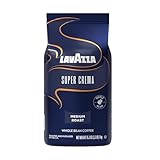
- SUPER CREMA: A 2.2 lb whole bean coffee bag ideal for espresso preparation
- INTENSITY AND ROAST: This full-bodied medium roast offers a bold and creamy finish
- BLEND: Made from Arabica and Robusta beans, this naturally caffeinated blend is sourced from 15 coffee-growing countries around the world
- PREPARATION: Ideal for espresso preparation.
- BREWING GUIDE FOR SINGLE ESPRESSO: 0.28 oz of ground espresso delivers a 1 oz espresso shot
For those who value consistency and speed, Nespresso pods offer a convenient way to enjoy a quality coffee experience with minimal fuss.

- Reserve Edition - Premium Espresso Pods Variety Pack: Discover the best espresso flavors - luxury selection of 8 signature specialty coffee blends, crafted to satisfy with every sip. From bold and intense to smooth and balanced, each espresso capsule is designed to deliver a rich café-quality experience at home.
- Crafted with Care - Premium Coffee Beans, Roasted to Flavor: We use sustainably grown beans sourced from Central and South America, Africa, and Vietnam. Hand-picked, carefully roasted, and sealed for freshness, our pods deliver consistent quality and exceptional espresso in every cup.
- Recyclable Aluminum Pods for Freshness and Sustainability: Each Rosso Caffè pod is made from airtight, recyclable aluminum to preserve flavor, crema, and aroma. After brewing, compost the grounds and recycle the aluminum capsule - coffee pods that taste great and support a sustainable future.
- We're committed to your experience. If you encounter any issues with our espresso capsules or compatibility, feel free to contact Rosso Caffè through your Amazon order history - we’re here to assist and make things right.
- Compatible with Original Line Machines: Our espresso pods are fully compatible with all Original Line machines (not compatible with Vertuo Line or other systems).
Common misconceptions
- “Darker roasts mean more caffeine.” Nope. Caffeine content is pretty similar across roasts. Darker roasts just have more roasted flavor notes.
- “You need fancy equipment for good coffee.” Not necessarily. A simple pour-over cone and a decent grinder can make amazing coffee.
- “Coffee is just bitter.” If your coffee is consistently bitter, it’s likely due to issues like over-extraction, wrong grind size, or stale beans.
- “Storing coffee in the freezer keeps it fresh forever.” Repeated thawing and freezing can actually damage the beans and introduce moisture. Airtight container at room temp is usually best.
- “All coffee beans are the same.” Huge difference between Arabica and Robusta, and even within those types, origin and processing matter a ton.
- “Instant coffee is just bad coffee.” While often not as nuanced, modern instant coffee has improved significantly. It’s a different category, focused on convenience.
- “More coffee grounds equals stronger coffee.” It’s about the ratio and extraction. Too many grounds for the water can lead to under-extraction and sourness, not necessarily strength.
- “Coffee is inherently unhealthy.” For most people, moderate coffee consumption is fine and even linked to some health benefits. It’s what you add to it that can be unhealthy.
- “Espresso is a dark roast.” Espresso is a brewing method, not a roast level. You can make espresso from light, medium, or dark roasts.
FAQ
What coffee does Nestlé make under the Nescafé brand?
Nescafé is primarily known for its instant coffee products. They offer a wide range, from classic instant coffee granules to flavored varieties and even coffee creamers.
Does Nestlé offer whole bean coffee?
Yes, Nestlé does offer whole bean coffee through some of its brands. This allows consumers to grind their beans fresh at home for optimal flavor.
What kind of coffee machines does Nestlé support?
Nestlé has a significant presence in the single-serve coffee market with brands like Nespresso, which uses proprietary capsules and machines. They also offer products compatible with many standard drip coffee makers and other brewing methods.
Are Nestlé’s coffee products suitable for espresso?
Some Nestlé coffee products, particularly those from Nespresso and certain ground coffee lines, are specifically designed or recommended for espresso brewing. Always check the product packaging for brewing recommendations.
Where can I find Nestlé coffee products?
You can find Nestlé coffee products in most major supermarkets, grocery stores, and online retailers across the United States. Specific brand availability might vary by location.
Does Nestlé make decaf coffee?
Yes, Nestlé offers decaffeinated options across many of its brands, including Nescafé. This allows consumers to enjoy coffee flavor without the caffeine.
What this page does NOT cover (and where to go next)
- Specific machine maintenance and cleaning guides for Nespresso or other Nestlé brewers.
- Detailed tasting notes or comparisons of every single Nestlé coffee product.
- The history of Nestlé’s coffee brands beyond their product offerings.
- How to use Nestlé coffee products in complex coffee recipes.