
Exploring the Best Combination Coffee Makers Available
Quick answer
- Combo coffee makers blend brewing methods, often drip and single-serve.
- They offer flexibility for different coffee needs in one appliance.
- Look for ease of use and cleaning.
- Consider brewing capacity and speed.
- Durability and brand reputation matter.
- The “best” depends on your daily coffee habits.
Key terms and definitions
- Drip Coffee: Hot water slowly drips through coffee grounds in a filter. Classic, good for batches.
- Single-Serve Pods: Pre-portioned coffee in a capsule, brewed quickly for one cup. Convenient, but can be pricey.
- Carafe: The pot that holds brewed coffee from a drip machine.
- Water Reservoir: The tank holding water for brewing. Larger is better for more cups.
- Brew Basket: Holds the coffee grounds for drip brewing.
- K-Cup: A popular brand of single-serve coffee pod.
- Reusable Filter: A mesh filter you can wash and reuse for drip coffee, cutting down on paper waste.
- Programmable Timer: Lets you set your coffee to brew at a specific time. Handy for busy mornings.
- Grind Size: How coarse or fine coffee beans are ground. Affects extraction.
- Brew Strength: How concentrated your coffee is.
How it works
- Drip Side: Water heats up in a reservoir. It then travels up and over the coffee grounds in a filter basket. Gravity pulls the brewed coffee down into a carafe.
- Single-Serve Side: A piercing mechanism punctures a pod. Hot water is forced through the pod under pressure. The brewed coffee dispenses directly into your mug.
- Many combo units have separate water reservoirs or a shared one with distinct pathways.
- Controls are usually separate for each brewing method. You select your method and then start the brew.
- Heating elements are designed to quickly bring water to the right temperature for each process.
- Some models offer adjustable brew strength for the drip side.
- Single-serve sides often have a “boost” button for stronger flavor.
- Cleaning mechanisms vary, but most involve rinsing removable parts.
- Filters are crucial – paper for drip, or the pod itself for single-serve.
- Some machines have warming plates for carafes to keep coffee hot.
For a reliable start to your day, consider a drip coffee maker that consistently delivers a great brew.
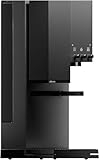
- 1. Three Levels of Automation for Any Skill Level: Choose from Autopilot, Copilot, or Free Solo mode. Autopilot handles the entire brewing process automatically. Copilot provides step-by-step guidance. Free Solo gives you full manual control. This coffee machine works for beginners and professional baristas alike.
- 2. Intuitive User Interface with Tactile Knobs and LED Matrix: The Studio features physical control knobs and a clear LED Matrix display. You can adjust grind size, water temperature, and flow rate in real time without navigating complicated touchscreen menus.
- 3. Full Customization via the xBloom App: Use the xBloom app to create, adjust, save, and share your favorite coffee recipes. Every brewing parameter can be fine-tuned and synced to the machine instantly. Your perfect cup is saved and repeatable.
- 4. Compostable xPod System for Minimal Waste and Maximum Flavor: Each xPod contains carefully selected whole beans and a built-in filter. Tap the recipe card, pour the beans into the grinder, place the pod into the dock, and press start. No capsules, no extra paper filters, no unnecessary waste.
- 5. What Is Included in the Box: The package includes the xBloom Studio, Omni Dripper 2 with Hyperflow Bottom, 10 paper filters, xPod Dock, Magnetic Dosing Cup, default recipe card, quick start guide, cleaning brush, and universal power cord. Everything you need is included.
What affects the result
- Water Quality: Filtered water makes a cleaner-tasting cup. Tap water can have off-flavors.
- Coffee Freshness: Whole beans ground just before brewing are ideal. Pre-ground coffee loses flavor fast.
- Grind Size: For drip, a medium grind usually works best. Single-serve pods have their own pre-set grind.
- Coffee-to-Water Ratio: Too little coffee means weak brew; too much can be bitter. Aim for about 1-2 tablespoons of grounds per 6 oz of water for drip.
- Water Temperature: Ideal brewing temps are typically 195-205°F. Most machines aim for this, but cheaper ones might fall short.
- Brew Time: How long the water is in contact with the grounds. Too short is sour, too long is bitter.
- Brewer Cleanliness: Old coffee oils can make new brews taste stale or bitter. Regular cleaning is key.
- Pod Quality: The coffee inside single-serve pods varies wildly. Some are fantastic, others are meh.
- Filter Type: Paper filters can absorb some oils, while mesh filters let more through.
- Machine Consistency: How well the machine maintains temperature and water flow over time.
- Roast Level: Lighter roasts need slightly hotter water or longer brew times than darker roasts.
- Your Personal Taste: Ultimately, what tastes “best” is subjective. Experiment to find your sweet spot.
Pros, cons, and when it matters
- Pro: Versatility: Brew a big pot for guests or a single cup for yourself. Great for households with different coffee drinkers.
- Con: Complexity: More parts can mean more things to go wrong or clean.
- Pro: Space Saving: Combines two appliances into one footprint. Good for smaller kitchens.
- Con: Compromise: Sometimes, neither function is as good as a dedicated, high-end machine.
- Pro: Convenience: Quick single cups are a lifesaver on rushed mornings.
- Con: Pod Waste: Single-serve pods generate a lot of plastic/aluminum waste.
- Pro: Cost-Effective (Potentially): Can be cheaper than buying two separate machines.
- Con: Durability Concerns: Cheaper combo units might not last as long as single-purpose brewers.
- Pro: Variety: Easily switch between different coffee types or brands on the fly.
- Con: Cleaning Effort: You’ll likely have more components to rinse and descrub.
- Pro: Great for Offices/Guest Rooms: Caters to multiple preferences easily.
- Con: Limited Customization: You might not get the fine-tuning options of a premium single-brew machine.
- When it matters: If you’re a solo drinker most days but host often, a combo makes sense. If you’re a serious pour-over enthusiast, this might not be your jam.
Common misconceptions
- Myth: All combo makers are low quality. Not true. Many offer solid performance for both functions, especially mid-range models.
- Myth: Single-serve is always more convenient. It is fast, but the setup and cleanup for a single cup can sometimes outweigh brewing a small pot.
- Myth: You can’t make good coffee with a combo. With good beans, fresh grinds, and proper cleaning, you can brew a delicious cup from either side.
- Myth: Pods are always expensive. While many are, some brands offer bulk discounts or reusable pod options. Check prices.
- Myth: Drip coffee is always boring. A good drip machine with quality beans can be incredibly satisfying. It’s a classic for a reason.
- Myth: Combo machines are hard to clean. Most are designed with user-friendly cleaning in mind. Regular quick rinses are usually sufficient.
- Myth: They take up too much space. Compared to having a separate drip machine and a Keurig, they actually save counter space.
- Myth: All combo makers have the same features. There’s a huge range. Some have advanced timers, temperature control, and milk frothers.
- Myth: You have to use proprietary pods. Many single-serve sides work with universal K-Cup compatible pods.
- Myth: Freshly ground beans don’t matter for single-serve. While the pod is sealed, the quality of the grind inside still impacts flavor.
FAQ
Q: What is the “best” combo coffee maker?
A: The best one for you depends on your needs. Consider if you prioritize large batches or single cups, and how much counter space you have.
Q: Are combo coffee makers worth the money?
A: Generally, yes, if you value the flexibility of having both drip and single-serve options in one appliance. They can save you money compared to buying two separate machines.
Q: How do I clean a combo coffee maker?
A: Follow the manufacturer’s instructions. Most involve descaling solutions for the water system and regular washing of removable parts like the carafe, brew basket, and pod holder.
Q: Can I use any brand of coffee pods with a combo maker?
A: Many single-serve sides are compatible with K-Cup style pods, meaning you have a wide selection. Always check your model’s specifications.
Q: How long do combo coffee makers usually last?
A: Lifespan varies by brand and build quality. With proper care and regular cleaning, many can last several years.
Q: What’s the difference between a combo maker and a multi-brew machine?
A: A combo maker typically combines two distinct brewing methods (like drip and pod). A multi-brew machine might offer variations within a single method, like different strength settings or brew sizes.
Q: Do combo coffee makers make good iced coffee?
A: Some models have specific settings for iced coffee, which brew a concentrated hot coffee that you then pour over ice. Otherwise, you can brew a strong batch and chill it.
Q: Is there a combo maker with a built-in grinder?
A: Yes, some higher-end models offer a grinder for the drip side, ensuring fresh grounds every time. This adds to the cost and complexity.
What this page does NOT cover (and where to go next)
- Specific brand recommendations and pricing. (Look for reviews of popular models.)
- Detailed technical specifications of individual machines. (Check product pages for specs.)
- Advanced brewing techniques for specific coffee origins. (Explore specialty coffee brewing guides.)
- Maintenance tips for complex internal components. (Consult your machine’s user manual.)
- Comparisons with other brewing methods like French press or AeroPress. (Research dedicated guides for those methods.)