
Experiencing Nausea with Keto Coffee? Here’s Why
Quick Answer
- Keto coffee can cause nausea due to high fat content, especially with added MCT oil.
- Too much caffeine can also be a trigger for some individuals.
- Starting with small amounts of MCT oil and gradually increasing is recommended.
- Ensure your coffee is brewed properly and that you’re using quality ingredients.
- Listen to your body; if nausea persists, reduce the fat or caffeine or consult a healthcare professional.
- Dehydration can exacerbate nausea, so stay hydrated.
What This Problem Usually Is (and Is Not)
This article addresses the common experience of nausea after consuming keto coffee. It’s important to distinguish this from general caffeine sensitivity or unrelated digestive issues. Keto coffee, with its emphasis on high-fat ingredients like butter and MCT oil, can present unique challenges for the digestive system, especially when first introduced. This guide focuses on the specific components of keto coffee that might lead to discomfort. We are not providing medical advice, and persistent or severe nausea should always be discussed with a healthcare provider.
Likely Causes (Triage List)
Fat Content and MCT Oil
- High Fat Load: Keto coffee often contains significant amounts of butter and MCT oil, which can be difficult for some people to digest in large quantities.
- Confirmation: Note the total amount of butter and MCT oil you added to your coffee.
- MCT Oil Intolerance: Some individuals are sensitive to MCT oil, even in moderate amounts, leading to digestive upset.
- Confirmation: Try omitting the MCT oil and see if nausea improves.
- Sudden Increase: Rapidly increasing the amount of MCT oil or fat in your diet can overwhelm your digestive system.
- Confirmation: Reflect on how quickly you introduced these new ingredients.
Caffeine
- Caffeine Sensitivity: Even without the added fats, some people are sensitive to the amount of caffeine in their coffee.
- Confirmation: Consider your typical caffeine intake from other sources.
- Caffeine Overload: Drinking a very large or strong cup of keto coffee might exceed your tolerance.
- Confirmation: Assess the strength and volume of your coffee.
If you’re finding that caffeine is a trigger for your nausea, consider exploring products designed for caffeine sensitivity. These can help you enjoy your coffee without the unwanted side effects.
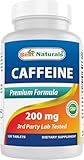
- 3rd Party Lab Tested for Purity & Quality.
- 200 mg of Caffeine per Tablet - 120 Tablets per Bottle.
- Non-GMO & Gluten-Free.
- Proudly Made in USA, GMP Compliant, FDA Registered Facility.
- No Artificial Color, Flavor, or Sweetener, No Preservatives, No Sugar, No Milk, No Corn, No Soy, No Egg, No Lactose, No Gluten, No Wheat, No Yeast, No Fish. Sodium Free.
Coffee Quality and Brewing
- Acidity: Some coffees are naturally more acidic, which can irritate the stomach for sensitive individuals.
- Confirmation: Try a different brand or roast of coffee beans.
- Brewing Method: Inconsistent brewing can lead to over-extraction or under-extraction, affecting taste and potentially digestibility.
- Confirmation: Review your brewing process for consistency.
Other Factors
- Hydration: Dehydration can worsen feelings of nausea and make it harder to digest fats.
- Confirmation: Assess your daily water intake.
- Empty Stomach: Consuming high-fat coffee on a completely empty stomach can be more jarring for some.
- Confirmation: Note whether you’ve eaten anything before your keto coffee.
Fix It Step-by-Step (Brew Workflow)
1. Start Small with MCT Oil:
- What to do: Begin with a very small amount of MCT oil, such as 1 teaspoon, in your keto coffee.
- What “good” looks like: You can tolerate the coffee without any nausea or digestive discomfort.
- Common mistake and how to avoid it: Adding the full recommended serving (e.g., 1-2 tablespoons) right away. Avoid this by sticking to the smallest increment until you know how your body reacts.
2. Gradually Increase MCT Oil:
- What to do: Over several days or weeks, slowly increase the MCT oil by half a teaspoon at a time, if tolerated.
- What “good” looks like: You can comfortably consume your desired amount of MCT oil without nausea.
- Common mistake and how to avoid it: Increasing too quickly. Avoid this by waiting at least 2-3 days between each increase to monitor your body’s response.
3. Adjust Butter Amount:
- What to do: If you’re still experiencing issues, try reducing the amount of butter, or use unsalted grass-fed butter.
- What “good” looks like: Reduced nausea, and you can still enjoy the richness of your coffee.
- Common mistake and how to avoid it: Using too much butter initially or using standard salted butter. Avoid this by starting with 1 tablespoon and ensuring it’s unsalted if possible.
4. Consider Caffeine Content:
- What to do: If you’re sensitive to caffeine, use a less caffeinated coffee bean or brew a weaker cup.
- What “good” looks like: You can enjoy the keto coffee without jitters or stomach upset from caffeine.
- Common mistake and how to avoid it: Using a very strong espresso or a large volume of highly caffeinated coffee. Avoid this by opting for medium roasts or decaf blends if needed.
5. Brew with Quality Beans:
- What to do: Use freshly roasted, high-quality coffee beans. Consider trying a low-acid blend.
- What “good” looks like: Your coffee tastes smooth and is easy on your stomach.
- Common mistake and how to avoid it: Using stale, low-quality beans or a coffee known for its high acidity. Avoid this by purchasing beans from a reputable roaster and checking roast profiles.
6. Ensure Proper Brewing:
- What to do: Follow your coffee maker’s instructions for optimal brewing. Aim for a consistent extraction.
- What “good” looks like: A well-balanced cup of coffee that isn’t bitter or sour.
- Common mistake and how to avoid it: Over-extracting (bitter) or under-extracting (sour) the coffee. Avoid this by using the correct coffee-to-water ratio and brewing time.
7. Stay Hydrated:
- What to do: Drink a glass of water before or after your keto coffee.
- What “good” looks like: You feel balanced and your digestive system is supported.
- Common mistake and how to avoid it: Consuming keto coffee in isolation without adequate fluid intake. Avoid this by making hydration a priority throughout the day.
8. Eat Something Small First:
- What to do: Have a small, easily digestible snack (like a few nuts or a piece of fruit) before your keto coffee.
- What “good” looks like: Your stomach feels settled, and the coffee doesn’t cause immediate discomfort.
- Common mistake and how to avoid it: Drinking keto coffee on a completely empty stomach. Avoid this by having a light bite beforehand.
Prevent It Next Time
- Introduce MCT Oil Slowly: Start with 1 teaspoon and increase gradually over weeks.
- Monitor Fat Intake: Be mindful of the total fat from butter and MCT oil.
- Choose Quality Coffee: Opt for freshly roasted, good-quality beans, possibly low-acid varieties.
- Brew Consistently: Follow recommended ratios and brewing times for your coffee maker.
- Stay Hydrated: Drink water throughout the day, especially before and after your coffee.
- Listen to Your Body: Pay attention to how you feel after consuming keto coffee.
- Consider Caffeine Levels: Adjust if you are sensitive to caffeine.
- Don’t Brew Too Strong: Avoid overly concentrated coffee if it causes issues.
- Eat a Small Snack: If drinking on an empty stomach is problematic, have a light bite first.
- Consult a Professional: If nausea persists, discuss it with your doctor or a registered dietitian.
Common Mistakes (and What Happens If You Ignore Them)
| Mistake | What It Causes | Fix |
|---|---|---|
| Adding too much MCT oil at once | Nausea, stomach cramps, diarrhea, digestive upset. | Reduce MCT oil to 1 teaspoon and increase very gradually over time. |
| Consuming on a completely empty stomach | Increased risk of nausea and digestive discomfort due to high fat load. | Eat a small, easily digestible snack (e.g., nuts, fruit) before drinking keto coffee. |
| Using stale or low-quality coffee beans | Bitter taste, potential stomach irritation, and less enjoyable flavor. | Switch to freshly roasted, high-quality beans. Consider low-acid blends. |
| Brewing coffee too strong or too weak | Over-extraction (bitter, stomach upset) or under-extraction (sour, weak flavor). | Use the correct coffee-to-water ratio and brewing time for your machine. |
| Ignoring caffeine sensitivity | Jitters, anxiety, rapid heart rate, and nausea. | Reduce caffeine by using decaf, half-caf, or brewing a weaker cup. |
| Rapidly increasing butter in coffee | Digestive distress, feeling of heaviness, and potential nausea. | Start with 1 tablespoon of butter and increase slowly, or use less if needed. |
| Not staying adequately hydrated | Can worsen nausea and make digestion more difficult. | Drink plenty of water throughout the day, especially before and after your keto coffee. |
| Using a coffee known for high acidity | Heartburn, acid reflux, and stomach irritation. | Try a medium or dark roast known for lower acidity, or a specifically formulated low-acid coffee. |
| Not blending ingredients thoroughly | Greasy texture, inconsistent flavor, and potential for fat separation. | Use a blender or immersion blender to emulsify the fats for a smooth, creamy consistency. |
| Continuing despite persistent discomfort | Chronic digestive issues, nutrient malabsorption, and overall poor well-being. | Stop consuming keto coffee, re-evaluate ingredients, and consult a healthcare professional. |
Decision Rules (Simple If/Then)
- If you experience nausea immediately after drinking keto coffee, then reduce the amount of MCT oil you are using because MCT oil is a common trigger for digestive upset.
- If nausea occurs several hours after drinking keto coffee, then consider if you had eaten anything else with a high fat content because the cumulative fat intake might be overwhelming your system.
- If you feel jittery or anxious along with nausea, then reduce the amount of caffeine in your coffee because caffeine can exacerbate digestive symptoms in sensitive individuals.
- If your keto coffee tastes bitter or causes stomach irritation, then try a different brand of coffee beans, possibly a low-acid variety, because coffee bean quality and acidity play a role in digestibility.
- If you feel nauseous and your stomach feels heavy, then reduce the amount of butter in your coffee because excessive butter can be difficult for some to digest.
- If you experience nausea only when drinking keto coffee on an empty stomach, then try having a small, light snack before your coffee because having some food can buffer the digestive impact of fats.
- If you’ve recently increased your MCT oil intake and now feel nauseous, then decrease the amount back to your previous level and increase more slowly because your body needs time to adapt to higher fat loads.
- If you are not drinking enough water throughout the day and feel nauseous, then increase your water intake because dehydration can worsen nausea and digestive issues.
- If you have tried adjusting MCT oil, butter, and caffeine levels and still experience nausea, then it might be beneficial to take a break from keto coffee and consult a healthcare professional because there could be an underlying issue.
- If your keto coffee is not well-blended and has a greasy texture, then use a blender or immersion blender because proper emulsification leads to a smoother, more digestible drink.
FAQ
Q: Can MCT oil alone cause nausea?
A: Yes, MCT oil is a common culprit for nausea, especially when introduced too quickly or in large amounts, as it can be rapidly absorbed and may cause digestive upset.
Q: How much MCT oil should I start with?
A: It’s recommended to start with a very small amount, such as 1 teaspoon, and gradually increase over several days or weeks to gauge your tolerance.
Q: Is it okay to drink keto coffee on an empty stomach?
A: For some, it’s fine, but for others, the high fat content on an empty stomach can lead to nausea. Consider a small snack beforehand if you experience discomfort.
Q: What if I’m sensitive to caffeine?
A: If you’re sensitive to caffeine, opt for decaffeinated or half-caffeinated coffee beans, or brew a weaker cup to reduce potential jitters and nausea.
Q: Does the type of coffee bean matter?
A: Yes, some coffee beans are more acidic than others, which can contribute to stomach irritation and nausea for sensitive individuals. Low-acid blends might be a better choice.
Q: How can I make my keto coffee less likely to cause nausea?
A: Start with smaller amounts of MCT oil and butter, ensure your coffee is brewed properly, stay hydrated, and listen to your body’s signals.
Q: Should I stop drinking keto coffee if it makes me nauseous?
A: If nausea persists after adjusting ingredients and methods, it’s wise to take a break and consult with a healthcare professional or registered dietitian to explore other causes or alternatives.
Q: Can the butter in keto coffee cause nausea?
A: While less common than MCT oil, a very large amount of butter can be difficult for some people to digest, potentially leading to nausea or a feeling of heaviness.
Q: What’s the difference between keto coffee and regular coffee?
A: Keto coffee typically includes added fats like butter and MCT oil, making it much higher in fat and calories than regular black coffee.
Q: Is nausea a sign of a serious problem?
A: While often a sign of digestive adjustment to high fats, persistent or severe nausea could indicate an underlying issue, so it’s always best to consult a healthcare provider if concerned.
What This Page Does Not Cover (and Where to Go Next)
- Specific medical conditions that might mimic keto coffee side effects. If you have chronic digestive issues or concerns, consult a healthcare provider.
- Detailed nutritional breakdowns of specific keto coffee recipes. For precise macro tracking, use a reliable nutrition app or consult a registered dietitian.
- Brand-specific recommendations for MCT oils or butter. Research product reviews and ingredient lists for your preferred brands.
- The broader ketogenic diet and its long-term health implications. For comprehensive dietary advice, refer to resources on ketogenic lifestyles or consult a qualified professional.