
Espresso With Ninja Coffee Bar
Quick answer
- Use the “Specialty Brew” setting for espresso-like shots.
- Grind your coffee beans to a fine setting.
- Use fresh, high-quality coffee beans.
- Measure your coffee and water precisely.
- Keep your machine clean and descaled.
- Experiment with coffee-to-water ratios to find your sweet spot.
Who this is for
- Home baristas looking to make espresso-style drinks with their Ninja Coffee Bar.
- Anyone who wants to understand the limitations and possibilities of their Ninja for concentrated coffee.
- People who enjoy lattes, cappuccinos, or macchiatos made at home.
What to check first
Brewer type and filter type
Your Ninja Coffee Bar likely has a specific setting for concentrated brews. It’s not a true espresso machine, but it can get you close. Check if you’re using the right brew basket and filter for concentrated coffee. Some models might have a specific “espresso” or “specialty” brew option. Always use the filter recommended by your Ninja manual for this type of brew.
Ensure you’re using the correct brew basket and filter for concentrated coffee on your Ninja Coffee Bar. This machine is designed to get you close to espresso quality with the right settings.
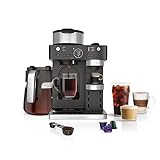
- BARISTA PLUS TECHNOLOGY: The 19-bar pressure system delivers ultra-flavorful espresso with a silky-smooth crema by brewing at the optimal temperature and pressure.
- COFFEEHOUSE DRINKS AT HOME: The built-in, fold-away frother allows you to create espresso-based cappuccinos, lattes, flat whites, and more.
- BREW SINGLE-SERVE ESPRESSO: Choose your favorite espresso capsule and brew up to 3 styles: Espresso (1.35 oz), Lungo (3.75 oz), and Over Ice (1 oz).
- BREW THROUGH COFFEE GROUNDS: Make a Classic, Rich, or Over Ice brew. Select 9 different sizes ranging from cup, to travel mug, to a full 12-cup carafe.
- VERSATILITY TO ENTERTAIN: Treat your guests to an espresso-based coffeehouse drink or brew a 12-cup carafe for the crowd.
Water quality and temperature
Good coffee starts with good water. Tap water can have minerals that affect taste and build up in your machine. Filtered water is best. The machine heats the water, but you can’t control the exact temperature like a dedicated espresso machine. Just ensure it’s running clean.
Grind size and coffee freshness
This is crucial for getting a strong, concentrated shot. You want a fine grind, almost like powdered sugar but not quite. If it’s too coarse, the water will pass through too quickly, giving you weak coffee. If it’s too fine, it can clog the filter. Freshly ground beans are always superior. Grind right before you brew for the best flavor.
For the best results, use freshly ground espresso beans. Investing in a good quality bag of espresso beans can significantly elevate your coffee experience.
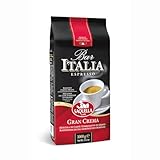
- AUTHENTIC ITALIAN ESPRESSO EXPERIENCE: From Saquella Caffè, family coffee roasters in Italy since 1856 — blending heritage, passion, and quality in every bean.
- FULL-BODIED & CREAMY FLAVOR: A signature Arabica and Robusta blend that delivers a bold espresso with a thick, velvety crema and lingering chocolate notes.
- MEDIUM-DARK ROAST: Carefully roasted for a rich aroma and balanced taste — smooth yet intense, ideal for espresso, cappuccino, or macchiato.
- CONSISTENT QUALITY: Beans are slow-roasted and expertly blended to ensure uniform extraction and a true Italian café-style experience at home.
- MADE IN ITALY: Imported directly from Italy — Saquella Bar Italia Gran Crema is the choice of professional baristas and espresso lovers worldwide.
Coffee-to-water ratio
For espresso-style drinks, you need a higher coffee-to-water ratio than a standard drip coffee. Think more coffee, less water. A good starting point is around 1:2 or 1:3 (coffee grounds to water by weight). For example, if you use 18 grams of coffee, aim for about 36-54 grams of liquid espresso. You’ll need a scale for this.
Cleanliness/descale status
A clean machine makes clean coffee. Old coffee oils can turn rancid and ruin your shot. Regularly clean the brew basket and carafe. More importantly, descale your machine according to the manufacturer’s instructions. Mineral buildup can affect water flow and heating, impacting your brew.
Step-by-step (brew workflow)
1. Gather your gear.
- What to do: Have your Ninja Coffee Bar, fresh coffee beans, grinder, scale, and a small cup ready.
- What “good” looks like: Everything is clean and within easy reach.
- Common mistake: Not having everything ready. This leads to rushing and potential errors. Avoid it by prepping before you start.
2. Select the “Specialty Brew” setting.
- What to do: On your Ninja Coffee Bar, choose the setting designed for concentrated or espresso-like brews. Consult your manual if unsure.
- What “good” looks like: The machine is set to the correct mode.
- Common mistake: Using the regular brew setting. This won’t give you the concentrated strength you need.
3. Measure your coffee beans.
- What to do: Use a digital scale to weigh your whole beans. For a single shot, aim for 18-20 grams as a starting point.
- What “good” looks like: You have an accurate weight of beans.
- Common mistake: Scooping by volume. This is inconsistent. Scales are your friend here.
4. Grind your coffee beans.
- What to do: Grind the measured beans to a fine setting. It should resemble fine sand or slightly coarser than powdered sugar.
- What “good” looks like: Uniformly ground coffee, not too powdery and not too chunky.
- Common mistake: Grinding too fine (clogs) or too coarse (weak shot). Adjust your grinder based on the results.
5. Add grounds to the filter.
- What to do: Place the grounds into the appropriate filter basket for your Ninja. Ensure it’s evenly distributed.
- What “good” looks like: The grounds are level and fill the filter without overflowing.
- Common mistake: Tamping the grounds down too hard, or not distributing them evenly. This can cause channeling.
6. Measure your water.
- What to do: Use the water reservoir and measure the amount of water needed for your desired shot volume. For a 1:2 ratio with 18g of coffee, you’d aim for about 36g of water.
- What “good” looks like: The correct amount of water is in the reservoir.
- Common mistake: Overfilling or underfilling the reservoir. This affects the final volume and strength.
7. Place your cup.
- What to do: Put a small, heat-resistant cup or shot glass under the brew spout.
- What “good” looks like: The cup is positioned correctly to catch the brew.
- Common mistake: Forgetting to place a cup, or using one that’s too large and won’t fit under the spout.
8. Start the brew cycle.
- What to do: Press the start button for your chosen specialty brew setting.
- What “good” looks like: The machine starts brewing with a steady flow.
- Common mistake: Not pressing start, or selecting the wrong brew button. Double-check before you walk away.
9. Monitor the brew.
- What to do: Watch the coffee stream. It should be dark and relatively thick, not watery.
- What “good” looks like: A consistent, dark stream of coffee filling your cup.
- Common mistake: Letting it brew too long and getting a watery finish, or stopping too early.
10. Stop the brew at the desired volume.
- What to do: Once you’ve reached your target liquid volume (e.g., 36-54 grams for our example), stop the brew cycle.
- What “good” looks like: You have the correct amount of concentrated coffee.
- Common mistake: Letting the machine finish automatically if it doesn’t have a precise stop function, potentially over-extracting.
11. Serve or use immediately.
- What to do: Use your concentrated brew for lattes, cappuccinos, or drink it as is.
- What “good” looks like: Delicious espresso-style coffee ready to enjoy.
- Common mistake: Letting it sit too long. Freshly brewed is always best.
Common mistakes (and what happens if you ignore them)
| Mistake | What it causes | Fix |
|---|---|---|
| Using regular brew setting | Weak, watery coffee; not concentrated | Select “Specialty Brew” or equivalent setting. |
| Incorrect grind size (too coarse) | Under-extracted, sour, weak coffee | Grind finer; adjust grinder settings. |
| Incorrect grind size (too fine) | Over-extracted, bitter coffee; potential clogs | Grind coarser; ensure filter isn’t blocked. |
| Using stale coffee beans | Flat, dull, or off flavors | Use freshly roasted beans and grind just before brewing. |
| Inaccurate coffee-to-water ratio | Too strong or too weak; unbalanced flavor | Use a scale to measure coffee and water accurately. |
| Not cleaning the machine regularly | Rancid oils affecting taste; mineral buildup | Follow cleaning and descaling schedule in your manual. |
| Using poor quality tap water | Off-flavors, scale buildup | Use filtered or bottled water. |
| Not distributing grounds evenly | Channeling, uneven extraction, weak spots | Gently shake or level grounds in the filter basket. |
| Tamping grounds too hard | Clogging, channeling, over-extraction | Avoid tamping; just level the grounds. |
| Brewing into a cold, large mug | Coffee cools too quickly, flavor degrades | Preheat your cup or use a small shot glass. |
Decision rules (simple if/then)
- If your espresso-style shot tastes sour, then grind finer because the water is likely passing through too quickly.
- If your espresso-style shot tastes bitter, then grind coarser because the coffee might be over-extracted.
- If the brew is too weak, then increase the amount of coffee grounds you use or decrease the amount of water.
- If the brew is too strong, then decrease the amount of coffee grounds or increase the amount of water.
- If you notice a burnt taste, then check if your machine needs descaling or if the brew time was too long.
- If the flow of coffee is very slow or stops, then your grind might be too fine, or the filter is clogged.
- If the coffee is watery, then you likely didn’t use enough coffee grounds for the amount of water.
- If the flavor is dull, then use fresher coffee beans and grind them just before brewing.
- If you are making a latte, then make sure to brew your concentrated shot directly into your preheated milk pitcher or cup.
- If your Ninja Coffee Bar has a dedicated “espresso” or “specialty” setting, then always use that for concentrated brews.
FAQ
Can I make true espresso with a Ninja Coffee Bar?
No, not in the traditional sense. A true espresso machine uses high pressure (around 9 bars) to force water through finely-ground coffee. The Ninja Coffee Bar uses a different brewing method and lower pressure, so it creates a concentrated coffee, but it’s not technically espresso.
What is the best grind size for espresso with a Ninja Coffee Bar?
You’ll want a fine grind, similar to granulated sugar or slightly finer. It should be finer than drip coffee but not as powdery as for Turkish coffee. Experimentation is key here.
How much coffee should I use?
A good starting point for a single shot is about 18-20 grams of coffee for every 36-54 grams of water. Using a scale is the most accurate way to measure this ratio.
Is filtered water really that important?
Yes, it makes a big difference. Tap water can contain minerals that affect the taste of your coffee and build up as scale inside your machine, impacting performance.
How do I know if my coffee is fresh?
Look for a roast date on the bag. Ideally, use beans roasted within the last 2-4 weeks. Coffee is at its peak flavor shortly after roasting.
What if my “specialty brew” still comes out weak?
Check your grind size and coffee-to-water ratio. You might need to grind finer or use more coffee relative to the water. Also, ensure your machine is clean and descaled.
Can I use pre-ground coffee?
You can, but it’s not ideal for espresso-style shots. Pre-ground coffee loses its flavor and aroma quickly. If you must use it, buy the finest grind available and use it as soon as possible.
How do I clean my Ninja Coffee Bar for better espresso?
Regularly clean the brew basket, carafe, and water reservoir. Follow your manual’s instructions for descaling every 1-3 months, depending on water hardness and usage.
What this page does NOT cover (and where to go next)
- Detailed cleaning and descaling procedures for specific Ninja Coffee Bar models. (Check your owner’s manual.)
- Advanced espresso techniques like tamping pressure or specific extraction times. (Look into dedicated espresso resources.)
- Milk steaming and latte art. (Explore guides on milk frothing and latte art basics.)
- Comparisons with other home espresso machines. (Research dedicated espresso machine reviews.)
- Troubleshooting specific error codes for your Ninja Coffee Bar. (Consult your Ninja manual or customer support.)