
Espresso With Flavored Coffee Beans: What to Expect
Quick answer
- Yes, you can generally make espresso using flavored coffee beans.
- The flavor profile of the espresso will be influenced by the added flavorings.
- Expect a less intense coffee flavor and potentially a different mouthfeel compared to unflavored beans.
- The quality of the flavoring and the bean itself will significantly impact the final taste.
- Some flavorings may not extract well under espresso pressure, leading to a muted or artificial taste.
- For the purest espresso experience, consider unflavored, high-quality beans.
While you can use flavored coffee beans for espresso, be aware that the added flavorings will influence the final taste. For a purer espresso experience, consider high-quality, unflavored beans.
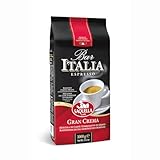
- AUTHENTIC ITALIAN ESPRESSO EXPERIENCE: From Saquella Caffè, family coffee roasters in Italy since 1856 — blending heritage, passion, and quality in every bean.
- FULL-BODIED & CREAMY FLAVOR: A signature Arabica and Robusta blend that delivers a bold espresso with a thick, velvety crema and lingering chocolate notes.
- MEDIUM-DARK ROAST: Carefully roasted for a rich aroma and balanced taste — smooth yet intense, ideal for espresso, cappuccino, or macchiato.
- CONSISTENT QUALITY: Beans are slow-roasted and expertly blended to ensure uniform extraction and a true Italian café-style experience at home.
- MADE IN ITALY: Imported directly from Italy — Saquella Bar Italia Gran Crema is the choice of professional baristas and espresso lovers worldwide.
Who this is for
- Home baristas curious about using their favorite flavored coffee beans for espresso.
- Coffee enthusiasts looking to understand how flavorings affect the espresso brewing process.
- Anyone experimenting with different coffee bean types and wanting to know the potential outcomes for espresso.
What to check first
Brewer type and filter type
Your espresso machine’s type and the portafilter basket you use are fundamental. Different machines have varying pressure and temperature capabilities, which affect extraction. The basket’s size and hole pattern also dictate how the coffee grounds are held and how water passes through them.
Water quality and temperature
Espresso is over 98% water, so its quality is paramount. Use filtered water free from strong mineral tastes or odors. The ideal water temperature for espresso extraction is typically between 195°F and 205°F. Deviating too much can lead to under-extraction (sourness) or over-extraction (bitterness).
Grind size and coffee freshness
For espresso, a very fine, consistent grind is essential. It should resemble powdered sugar or fine sand. Freshly roasted beans (ideally 4-14 days post-roast) offer the best flavor and crema. Stale beans will result in a flat, uninspired shot.
Coffee-to-water ratio
The standard ratio for espresso is often cited as 1:2 (coffee to liquid espresso), meaning for every gram of dry coffee grounds, you aim for roughly two grams of liquid espresso. This ratio can be adjusted to taste, but it’s a good starting point.
Cleanliness/descale status
A clean espresso machine is non-negotiable for good-tasting espresso. Residual oils from previous brews can turn rancid, imparting bitter and unpleasant flavors. Regularly backflushing your machine and descaling according to the manufacturer’s instructions are crucial maintenance steps.
Step-by-step (brew workflow)
1. Prepare your machine: Turn on your espresso machine and allow it to fully heat up. This usually takes at least 15-20 minutes for the boiler and group head to reach optimal temperature.
- What “good” looks like: The machine is fully heated, indicated by a ready light or stable temperature reading.
- Common mistake: Starting to brew before the machine is fully heated. This leads to under-extraction and a weak, sour shot.
- How to avoid: Be patient and wait for the machine’s indicators to show it’s ready.
2. Grind your flavored beans: Weigh your flavored coffee beans and grind them to a very fine, espresso-specific consistency.
- What “good” looks like: A uniform, powdery grind that clumps slightly when squeezed.
- Common mistake: Using a grind that is too coarse or too fine, or inconsistent.
- How to avoid: Invest in a quality burr grinder designed for espresso and calibrate it carefully.
To ensure a consistent grind and extraction, it’s crucial to weigh your flavored coffee beans before grinding. A quality coffee scale will help you achieve the perfect dose every time.

- Barista-Level Precision: A 0.1g high-precision sensor with a rapid refresh rate responds instantly to changes in weight, helping you achieve consistent results across espresso, pour over, drip coffee, Chemex, V60, and filter coffee brewing.
- Integrated Brew Timer: A built-in count-up and count-down timer tracks bloom, extraction, and espresso shots. Ideal for dialing in espresso, timing Chemex and V60 pour over recipes, or steeping tea. Auto-shutoff helps preserve battery life between brews.
- Durable Waterproof Silicone Cover: The heat-resistant, dishwasher-safe silicone cover helps protect the coffee scale's spacious 5.25" x 5.25" weighing surface from splashes, spills, and hot equipment. The grooved surface provides added stability and makes cleanup quick and easy.
- Versatile Measurement Options: Quick-tare and 6 unit options make it easy to weigh coffee beans, espresso shots, matcha portions, and more. Choose from g, ml, lb, lb:oz, oz, and fl oz for added flexibility in the kitchen and coffee bar.
- Intuitive Design: A bright dual-color LCD display clearly separates weight and timer readings, while simple controls make daily brewing easy. Includes 3 AAA batteries and is backed by 5 years of coverage, with support from our St. Louis-based team whenever you need a hand.
3. Dose the portafilter: Place the ground coffee into your portafilter basket. Aim for the correct coffee-to-water ratio (e.g., 18 grams of coffee for a double shot).
- What “good” looks like: An even distribution of coffee grounds in the basket, without significant gaps or mounds.
- Common mistake: Inconsistent dosing, leading to uneven extraction.
- How to avoid: Use a scale to weigh your coffee grounds for consistency.
4. Distribute the grounds: Gently tap the portafilter or use a distribution tool to level the coffee bed. This ensures even saturation.
- What “good” looks like: A flat, even surface of coffee grounds across the entire basket.
- Common mistake: Not distributing evenly, creating “channels” where water flows too quickly.
- How to avoid: Use a gentle tapping motion or a dedicated distribution tool.
5. Tamp the coffee: Apply firm, even pressure with a tamper to compress the coffee grounds into a solid puck.
- What “good” looks like: A smooth, level coffee puck with no visible cracks or unevenness.
- Common mistake: Uneven tamping, which causes channeling.
- How to avoid: Ensure your tamper is the correct size for your portafilter and apply consistent, straight pressure.
6. Clean the portafilter rim: Wipe away any loose coffee grounds from the rim of the portafilter.
- What “good” looks like: A clean rim, free of stray grounds that could interfere with the seal.
- Common mistake: Leaving grounds on the rim, which can cause leaks and messy extraction.
- How to avoid: A quick wipe with a dry cloth or your finger is usually sufficient.
7. Lock in the portafilter: Securely attach the portafilter to the espresso machine’s group head.
- What “good” looks like: A snug fit with no wobbling or gaps.
- Common mistake: Not locking it in firmly, which can lead to grounds escaping or a poor seal.
- How to avoid: Twist until it feels firmly seated.
8. Start the brew: Place your cup(s) under the spouts and immediately start the brew cycle.
- What “good” looks like: The espresso begins to flow within a few seconds, starting as dark drips and becoming a steady stream.
- Common mistake: Letting the portafilter sit in the hot group head for too long before brewing, which can “cook” the grounds.
- How to avoid: Brew immediately after locking in the portafilter.
9. Monitor the extraction: Observe the flow of the espresso. It should be a consistent, syrupy stream, resembling warm honey.
- What “good” looks like: A steady, controlled flow for approximately 25-30 seconds, producing a rich crema.
- Common mistake: The shot runs too fast (under-extracted) or too slow (over-extracted).
- How to avoid: Adjust your grind size based on the flow rate and time.
10. Stop the brew: Stop the machine once you reach your target yield (e.g., 36 grams of liquid espresso for an 18-gram dose).
- What “good” looks like: Reaching your desired liquid weight or volume within the target extraction time.
- Common mistake: Brewing for too long, resulting in a bitter, watery shot.
- How to avoid: Use a scale and timer to stop the shot at the right moment.
11. Serve immediately: Remove the portafilter and serve your espresso right away for the best flavor and aroma.
- What “good” looks like: A shot with vibrant color, a rich crema, and aromatic qualities.
- Common mistake: Letting the espresso sit too long, causing the crema to dissipate and flavors to degrade.
- How to avoid: Drink your espresso as soon as it’s brewed.
Common mistakes (and what happens if you ignore them)
| Mistake | What it causes | Fix |
|---|---|---|
| Using stale beans | Flat taste, lack of crema, muted flavors, potentially bitter or sour notes. | Use beans roasted within the last 2-14 days. Store them in an airtight container away from light and heat. |
| Grind size is too coarse | Water flows through too quickly (under-extraction), resulting in a weak, sour, and watery espresso. | Adjust your grinder to a finer setting. Aim for a consistency like powdered sugar. |
| Grind size is too fine | Water struggles to pass through (over-extraction), leading to a bitter, burnt, and choked espresso. | Adjust your grinder to a coarser setting. |
| Uneven distribution/tamping | Channeling occurs, where water finds easy paths, leading to uneven extraction and a mix of sour and bitter. | Ensure grounds are evenly spread and tamp with consistent, level pressure. Use a distribution tool if needed. |
| Incorrect water temperature | Too hot: burnt, bitter taste. Too cold: sour, weak taste. | Ensure your machine is fully heated. Check your machine’s manual for temperature settings if adjustable. |
| Using tap water | Mineral buildup in the machine, off-flavors in the espresso, poor crema. | Use filtered or bottled water with a neutral taste profile. |
| Not cleaning the machine regularly | Rancid oils build up, imparting bitter, unpleasant flavors. | Backflush your machine regularly and descale as recommended by the manufacturer. |
| Incorrect coffee-to-water ratio | Too much coffee: under-extracted and possibly bitter. Too little coffee: over-extracted and weak. | Use a scale to weigh your coffee dose and your final espresso yield. Start with a 1:2 ratio and adjust to your preference. |
| Brewing before the machine is ready | Insufficient heat leads to under-extraction, resulting in a pale, sour shot with little crema. | Wait for your espresso machine to fully heat up before brewing. |
| Over-extracting the shot | Brewing for too long results in a bitter, watery, and unpleasant taste as undesirable compounds are pulled. | Stop the shot at your target yield (e.g., 36g liquid for 18g grounds) or when the stream becomes very pale and watery. |
Decision rules (simple if/then)
- If your espresso tastes sour, then try grinding finer because a finer grind increases resistance and extraction time.
- If your espresso tastes bitter or burnt, then try grinding coarser because a coarser grind allows water to flow through more easily, reducing extraction time.
- If the espresso extraction is too fast (under 20 seconds), then grind finer because a finer grind will slow down the flow rate.
- If the espresso extraction is too slow (over 35 seconds) or chokes the machine, then grind coarser because a coarser grind will speed up the flow rate.
- If your espresso has very little or no crema, then check bean freshness and grind size; stale beans or a grind that’s too coarse won’t produce good crema.
- If your flavored espresso tastes artificial or chemical, then the flavoring may not be compatible with espresso extraction; consider using unflavored beans for a purer taste.
- If your espresso tastes weak and watery, then check your coffee-to-water ratio and ensure you’re using enough coffee grounds for your shot size.
- If your machine is producing off-flavors, then clean your equipment thoroughly, as residual oils can turn rancid and affect taste.
- If your espresso shots are inconsistent, then weigh your coffee dose and your liquid yield with a scale to ensure repeatability.
- If the flavor you expect from flavored beans isn’t present, then the intensity of the flavoring might be too mild for espresso, or the espresso process itself might be overpowering it.
- If your machine is making strange noises or the brew is inconsistent, then check if your water reservoir is full and if the machine needs descaling.
FAQ
Can I use pre-ground coffee for espresso?
While technically possible, it’s strongly discouraged. Pre-ground coffee for espresso goes stale very quickly, and achieving the correct, fine grind size consistently is nearly impossible without a dedicated grinder. This will almost certainly lead to poor-tasting espresso.
Will flavored coffee beans damage my espresso machine?
Generally, no. Most flavorings are oil-based or natural extracts that are brewed with the coffee. However, it’s crucial to clean your machine thoroughly after using flavored beans, as any residue can build up and potentially affect future brews.
How much flavor can I expect from flavored beans in espresso?
Expect a noticeable but often more subtle flavor profile than in drip coffee. The intense pressure and short extraction time of espresso can sometimes mute or alter added flavors. Some flavorings may shine through more than others.
Is it better to buy beans flavored or add flavor myself?
For espresso, it’s generally better to buy beans that are already flavored by the roaster. They typically use flavorings designed to withstand the roasting process and complement coffee. Adding syrups or extracts after brewing is a more common and often more successful way to add strong flavors to espresso.
What happens if the flavoring burns during roasting?
If a flavoring is added before or during the roasting process and isn’t stable at high temperatures, it can burn. This can lead to an acrid, burnt, or chemical taste in your espresso. High-quality flavored beans are usually roasted carefully to avoid this.
Does using flavored beans affect the crema?
The type and quality of flavoring can influence crema. Some oils in flavorings might contribute to a richer crema, while others might interfere with its formation or stability. The freshness of the beans and proper extraction technique are still the primary factors for good crema.
Should I use a specific type of flavored bean for espresso?
Medium to dark roasts often work best with flavorings, as their inherent roast notes can complement or stand up to added flavors. However, the best approach is to experiment with different flavorings and roast levels to see what you prefer.
What this page does NOT cover (and where to go next)
- Specific recommendations for flavored bean brands or flavor profiles. (Next: Explore coffee roaster websites and reviews for flavored bean options.)
- Detailed technical specifications or troubleshooting for specific espresso machine models. (Next: Consult your espresso machine’s user manual or manufacturer support.)
- Advanced espresso techniques like temperature surfing or pressure profiling. (Next: Research advanced home barista guides and forums.)
- The science behind flavor extraction and aroma compounds. (Next: Look for resources on coffee science and sensory analysis.)