
Espresso From Drip Coffee Maker
Quick answer
- Drip coffee makers aren’t designed for espresso. You can’t get true espresso pressure.
- You can, however, brew a very strong, concentrated coffee that mimics espresso.
- Use a fine grind, fresh beans, and a higher coffee-to-water ratio.
- Aim for a longer brew time than usual for drip.
- Expect a different texture and flavor profile than real espresso.
- It’s a decent workaround if you’re craving something espresso-like.
Who this is for
- Anyone who loves strong coffee but only has a drip machine.
- Home baristas looking to experiment with concentrated brews.
- People who want to make espresso-style drinks (like an Americano) without an espresso machine.
What to check first
Brewer type and filter type
This is the big one. Most drip machines use gravity and a paper filter. True espresso needs high pressure (9 bars, to be exact). Your drip maker just won’t get there. So, you’re already working with limitations.
While most drip coffee makers aren’t built for true espresso, you can still achieve a concentrated brew with the right technique. If you’re looking to upgrade your current setup for better results, consider a high-quality drip coffee maker like this one.
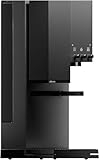
- 1. Three Levels of Automation for Any Skill Level: Choose from Autopilot, Copilot, or Free Solo mode. Autopilot handles the entire brewing process automatically. Copilot provides step-by-step guidance. Free Solo gives you full manual control. This coffee machine works for beginners and professional baristas alike.
- 2. Intuitive User Interface with Tactile Knobs and LED Matrix: The Studio features physical control knobs and a clear LED Matrix display. You can adjust grind size, water temperature, and flow rate in real time without navigating complicated touchscreen menus.
- 3. Full Customization via the xBloom App: Use the xBloom app to create, adjust, save, and share your favorite coffee recipes. Every brewing parameter can be fine-tuned and synced to the machine instantly. Your perfect cup is saved and repeatable.
- 4. Compostable xPod System for Minimal Waste and Maximum Flavor: Each xPod contains carefully selected whole beans and a built-in filter. Tap the recipe card, pour the beans into the grinder, place the pod into the dock, and press start. No capsules, no extra paper filters, no unnecessary waste.
- 5. What Is Included in the Box: The package includes the xBloom Studio, Omni Dripper 2 with Hyperflow Bottom, 10 paper filters, xPod Dock, Magnetic Dosing Cup, default recipe card, quick start guide, cleaning brush, universal power cord, and a 2-Year xbloom brand warranty. Everything you need is included—along with long-term peace of mind.
Water quality and temperature
Use good water. Filtered is best. Tap water can have minerals that mess with flavor. For drip, the ideal temp is around 195-205°F. Your machine should hit this, but check the manual if you’re curious. Too cool, and you get weak coffee. Too hot, and it’s bitter.
Grind size and coffee freshness
This is where you can make a difference. For a stronger brew, you’ll want a finer grind than usual for drip. Think somewhere between drip and espresso grind. If it’s too fine, it’ll clog the filter. If it’s too coarse, the water will rush through, leaving you with weak coffee. Freshly roasted beans, ground right before brewing, are key. Stale coffee just won’t taste good, no matter what you do.
Coffee-to-water ratio
This is crucial for concentration. For a typical drip brew, you might use a 1:15 to 1:18 ratio (coffee to water by weight). To get that espresso-like punch, you’ll want to go much stronger. Try starting with a 1:8 or 1:10 ratio. So, if you use 20 grams of coffee, use 160-200 grams (or ml) of water. You might need to adjust this based on your taste.
Cleanliness/descale status
A dirty machine makes bad coffee. Period. If you haven’t descaled your drip maker in a while, do it. Mineral buildup affects taste and brewing temperature. Give your basket and carafe a good scrub too. Cleanliness is next to godliness, especially in coffee.
Step-by-step (brew workflow)
1. Gather your gear: Get your drip coffee maker, fresh whole beans, a grinder, a scale, and your filter.
- What “good” looks like: Everything is clean and ready to go.
- Common mistake: Using pre-ground coffee. It loses flavor fast. Grind right before you brew.
2. Weigh your beans: Use your scale. For a concentrated brew, start with a higher ratio. Let’s say 30 grams of coffee for 240-300 ml of water.
- What “good” looks like: Precise measurement for consistent results.
- Common mistake: Guessing the amount. This leads to weak or overly strong coffee.
3. Grind your beans: Set your grinder to a fine setting, finer than you would for regular drip, but not as fine as for true espresso. Think sand-like.
- What “good” looks like: Uniform particle size, no dust or boulders.
- Common mistake: Grinding too fine. This can clog the filter and cause overflow or bitter tastes.
4. Prepare the filter and basket: Place your paper filter in the basket. Rinse it with hot water to remove paper taste and preheat the basket. Discard the rinse water.
- What “good” looks like: A clean, preheated brewing area.
- Common mistake: Not rinsing the paper filter. This can leave a papery taste in your coffee.
5. Add the ground coffee: Put your freshly ground coffee into the rinsed filter. Give the basket a gentle shake to level the grounds.
- What “good” looks like: An even bed of coffee grounds.
- Common mistake: Not leveling the grounds. This can lead to uneven water flow and extraction.
6. Measure your water: Fill the water reservoir with your measured amount of cold, filtered water. Remember, you’re using less water than a typical drip brew.
- What “good” looks like: The correct amount of water for your chosen ratio.
- Common mistake: Using too much water. This dilutes the concentrate too much.
7. Start the brew: Turn on your coffee maker. The machine will heat the water and begin dripping it over the grounds.
- What “good” looks like: Steady dripping, not a fast pour.
- Common mistake: Machine not heating water properly. Check if it’s plugged in and set correctly.
8. Observe the bloom (if possible): Some machines allow you to pause briefly after the first bit of water hits the grounds. If yours does, let it sit for 30 seconds to let the coffee “bloom.” This releases CO2.
- What “good” looks like: The grounds puffing up and bubbling.
- Common mistake: Skipping the bloom. It’s less critical for drip, but can help with flavor.
9. Let it brew: Allow the entire brew cycle to complete. You’re aiming for a slower drip rate than usual if possible, but you can’t control this much with a drip machine.
- What “good” looks like: Coffee slowly filling the carafe.
- Common mistake: Stopping the brew too early. You won’t get the full extraction.
10. Serve immediately: Once brewing is done, pour your concentrated coffee into a mug.
- What “good” looks like: A rich, dark liquid.
- Common mistake: Letting it sit on the warming plate. This makes it taste burnt.
Common mistakes (and what happens if you ignore them)
| Mistake | What it causes | Fix |
|---|---|---|
| Using pre-ground coffee | Stale flavor, lack of aroma, flat taste | Grind beans just before brewing. |
| Incorrect grind size (too coarse) | Weak, watery coffee, under-extracted flavor | Grind finer, aiming for a texture like sand. |
| Incorrect grind size (too fine) | Clogged filter, slow brew, bitter taste, overflow | Grind coarser, ensuring water can flow freely. |
| Wrong coffee-to-water ratio (too much water) | Diluted, weak brew, not espresso-like | Use more coffee or less water. Start with 1:8 or 1:10 ratio. |
| Wrong coffee-to-water ratio (too little water) | Overly strong, potentially undrinkable, bitter | Use less coffee or more water. Adjust to your taste. |
| Using stale or poor-quality beans | Flat, dull, bitter, or sour taste | Use freshly roasted, good-quality beans. |
| Not rinsing the paper filter | Papery taste in the final brew | Rinse the paper filter with hot water before adding coffee grounds. |
| Letting coffee sit on the warming plate | Burnt, bitter, stale flavor | Serve immediately or transfer to a thermal carafe. |
| Dirty coffee maker | Off-flavors, mineral taste, poor extraction | Clean and descale your machine regularly. |
| Incorrect water temperature | Under-extracted (sour) or over-extracted (bitter) | Ensure your machine heats water to the optimal range (195-205°F). |
| Uneven coffee bed in the filter | Uneven extraction, some grounds over-extracted, some under | Gently shake the basket to level the grounds after adding them. |
Decision rules (simple if/then)
- If your coffee tastes weak, then try grinding finer because a finer grind increases surface area for extraction.
- If your coffee tastes bitter, then try grinding coarser because too fine a grind can over-extract.
- If your coffee has a papery taste, then rinse your paper filter thoroughly with hot water before brewing because this removes paper residue.
- If your coffee tastes burnt, then avoid leaving it on the warming plate for extended periods because this cooks the coffee.
- If your brew seems to take too long and might overflow, then your grind is likely too fine, so adjust it coarser for the next brew.
- If you’re getting inconsistent results, then use a scale to measure both your coffee beans and water because consistency starts with accurate measurements.
- If your coffee tastes dull, then ensure you’re using freshly roasted beans and grinding them just before brewing because freshness is key to flavor.
- If you want a stronger brew, then increase the coffee-to-water ratio (e.g., from 1:15 to 1:10) because more coffee grounds per unit of water yield a more concentrated result.
- If your machine is not heating water properly, then check the power and consult your manual because proper temperature is vital for extraction.
- If you want to improve the overall taste, then use filtered water because tap water can introduce unwanted flavors.
- If the coffee tastes sour, then your water might not be hot enough, or the grind might be too coarse, leading to under-extraction.
- If your coffee is muddy or has a lot of sediment, then your grind might be too fine, or your filter might be damaged, allowing fines to pass through.
FAQ
Can I really make true espresso with a drip coffee maker?
No, you can’t make true espresso. Espresso requires high pressure (around 9 bars) that a drip machine simply cannot generate. You’re aiming for a concentrated coffee that resembles espresso.
What’s the biggest difference between this and real espresso?
The main differences are pressure and texture. Real espresso has a crema layer and a rich, syrupy body due to the high pressure extraction. What you make with a drip machine will be less intense and lack that signature crema.
How can I make my drip coffee stronger without an espresso machine?
Use more coffee grounds relative to water, grind your beans finer (but not too fine), and ensure your beans are fresh and ground right before brewing.
Is it okay to use a permanent filter instead of paper?
You can, but paper filters generally result in a cleaner cup with fewer oils and fines, which might be closer to what you’re aiming for with a concentrated brew. Permanent filters can let more sediment through.
How long should the brew take?
For a concentrated drip brew, you’re hoping for a slightly longer brew time than a standard drip, but you have limited control. Aim for a steady, consistent drip.
What kind of coffee beans should I use?
Medium to dark roasts often work well for concentrated brews, as they can have bolder flavors that stand up to the intensity. However, experiment with your favorite beans.
Can I use this concentrated coffee for milk-based drinks?
Yes! It’s great for making a strong Americano or a base for a latte or cappuccino if you have a milk frother. Just remember it won’t have the same intensity as real espresso.
What if my drip machine has a “bold” setting?
That setting usually just slows down the water flow slightly, which can help with extraction. It’s a good feature to use if you have it for this purpose.
What this page does NOT cover (and where to go next)
- True espresso machine operation and theory: This is a whole different ballgame involving portafilters, tampers, and barometric pressure.
- Advanced latte art techniques: That requires proper espresso and steamed milk.
- Specific coffee bean origins and their ideal brewing methods: While we touched on roast levels, deep dives into single origins are for other guides.
- Dialing in espresso on a dedicated machine: This involves micro-adjustments to grind size, dose, and yield.
- Water chemistry for brewing: We mentioned filtered water, but advanced topics go into mineral content and pH.