
Eliminate Coffee Bitterness: Simple Brewing Adjustments
Quick answer
- Dial in your grind size. Too fine is a bitter culprit.
- Check your water temperature. Too hot burns the beans.
- Use fresh, quality beans. Stale stuff tastes rough.
- Get your coffee-to-water ratio right. Too much coffee is a common error.
- Keep your gear clean. Old coffee oils get rancid.
- Don’t over-extract. Shorten your brew time if needed.
Who this is for
- Anyone who enjoys coffee but finds their home brew consistently bitter.
- Home baristas looking to troubleshoot a specific taste problem.
- People who want to improve their daily cup without buying new gear.
What to check first
Brewer type and filter type
Different brewers handle things differently. A French press needs a coarser grind than a pour-over. Paper filters can absorb some oils, which might help with bitterness. Metal filters let more through. Know your rig.
Water quality and temperature
Tap water can have minerals that mess with flavor. Filtered water is usually your best bet. For temperature, aim for 195-205°F. Too hot, and you’re basically scorching the grounds. That’s a fast track to bitter town. I usually just let my kettle sit for about 30 seconds off the boil.
Using filtered water is usually your best bet for a cleaner taste and to avoid minerals that can mess with flavor. Consider investing in a good coffee water filter.
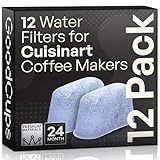
- Universal Compatibility: These premium replacement charcoal water filters are designed to fit all Cuisinart coffee maker models, ensuring a perfect fit for both newer and older models, including Cuisinart coffee maker 12 cup, Grind and Brew, and coffee maker with grinder.
- Enhanced Beverage Flavor: GoodCups charcoal water filters for Cuisinart coffee maker remove calcium, chlorine, and odors, giving you fresh, great-tasting coffee with every brew.
- Superior Filtration: Our charcoal boasts a strong absorption capacity and maximizes filtration efficiency. These water filters for Cuisinart coffee makers protect your brewer, extend its lifespan, and improve every coffee cycle.
- Optimal Water Flow Design: GoodCups filters feature a carefully crafted design that allows for optimal water flow, preventing clogs while ensuring your Cuisinart coffee maker operates smoothly and efficiently.
- Environmentally Conscious: These Cuisinart replacement water filters are made from recyclable materials, demonstrating our commitment to environmental responsibility.
Grind size and coffee freshness
This is a big one for bitterness. If your grind is too fine for your brew method, water just sits there extracting too much, leading to bitterness. Coffee also goes stale fast. Aim to grind your beans right before you brew. You’ll taste the difference.
Coffee-to-water ratio
Too much coffee for the amount of water means you’re trying to pack too much flavor out of the grounds. This leads to over-extraction and bitterness. A good starting point is usually around a 1:15 to 1:17 ratio (coffee to water by weight).
Cleanliness/descale status
Old coffee oils build up. They go rancid. Rancid oil tastes bad, and it tastes bitter. Your machine might also have mineral buildup (scale) that affects water flow and temperature. A clean machine makes better coffee, plain and simple.
Step-by-step (brew workflow)
1. Start with fresh, whole beans.
- What “good” looks like: Beans roasted within the last few weeks, with a date on the bag.
- Common mistake: Using pre-ground coffee or beans that have been sitting in the cabinet for months. Avoid this by buying smaller bags more often.
2. Heat your water.
- What “good” looks like: Water between 195-205°F. A thermometer is handy, or let boiling water sit for 30-60 seconds.
- Common mistake: Using water that’s too hot, which scorches the grounds and causes bitterness. Don’t just dump boiling water straight on.
3. Weigh your coffee beans.
- What “good” looks like: Precise measurement using a digital scale. A common starting point is 20 grams of coffee for 300-340 grams of water.
- Common mistake: Scooping coffee by volume, which is inconsistent. A scoop can vary wildly depending on the bean density and grind.
4. Grind your coffee.
- What “good” looks like: A consistent grind size appropriate for your brewer (e.g., medium-fine for pour-over, coarse for French press).
- Common mistake: Using a blade grinder, which produces uneven particles (boulders and dust). A burr grinder is worth the investment.
A common mistake is using a blade grinder, which produces uneven particles. A burr grinder is worth the investment for a consistent grind size appropriate for your brewer.
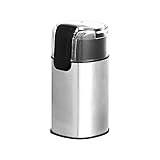
- Electric coffee bean grinder appliance for home use
- Can grind 30 grams/1 ounce of beans for drip coffee brewing in 10 seconds
- Grind coffee beans, herbs, spices, grains, nuts, and more
- Clear safety lid allows you to easily see the results in progress
- Heavy-duty stainless steel grind blade
5. Prepare your brewer and filter.
- What “good” looks like: A clean brewer and a rinsed paper filter (if applicable) to remove papery taste.
- Common mistake: Not rinsing paper filters, which can impart a papery flavor. Just run some hot water through it.
6. Add grounds to the brewer.
- What “good” looks like: Even distribution of grounds in the filter or chamber.
- Common mistake: Leaving clumps of grounds, which can lead to uneven extraction. Give the brewer a gentle shake.
7. Bloom the coffee (for pour-over/drip).
- What “good” looks like: Pour just enough hot water (about twice the weight of the coffee) to saturate all the grounds. Let it sit for 30 seconds. You’ll see bubbles.
- Common mistake: Skipping the bloom or pouring too much water, which can lead to channeling and uneven extraction. That’s your first pour.
8. Continue pouring water.
- What “good” looks like: Slow, steady pouring in a circular motion, keeping the grounds saturated but not flooded. Aim for your total water weight.
- Common mistake: Pouring too fast or all at once, which can disturb the coffee bed and cause bitterness. Be patient.
9. Let the coffee brew/drip.
- What “good” looks like: The water passes through the grounds at a reasonable rate. For a pour-over, this is usually 2.5 to 4 minutes total brew time.
- Common mistake: Brew time too long. If it’s taking forever, your grind might be too fine.
10. Press the plunger (French press) or remove the filter.
- What “good” looks like: Separating the brewed coffee from the grounds cleanly.
- Common mistake: Plunging too hard or too fast, which can force fine particles through the filter. Easy does it.
11. Serve immediately.
- What “good” looks like: Aromatic, balanced coffee in your mug.
- Common mistake: Letting brewed coffee sit on a hot plate, which continues to cook it and makes it taste bitter and burnt. Decant it into a carafe or thermos.
Common mistakes (and what happens if you ignore them)
| Mistake | What it causes | Fix |
|---|---|---|
| Grind too fine for brewer | Over-extraction, leading to bitterness and astringency. | Coarsen your grind. Check your brewer’s recommended setting. |
| Water too hot (>205°F) | Scorches the coffee grounds, creating burnt and bitter flavors. | Use a thermometer or let boiling water rest for 30-60 seconds. |
| Stale coffee beans | Loss of volatile aromatics, leading to flat, bitter taste. | Buy whole beans more frequently and store them in an airtight container. |
| Inconsistent coffee-to-water ratio | Under- or over-extraction, both can lead to bitterness. | Weigh your coffee and water using a digital scale for precision. |
| Dirty brewer or stale coffee oils | Rancid oils impart a harsh, bitter, unpleasant flavor. | Clean your brewer thoroughly after each use and descale regularly. |
| Uneven water distribution (channeling) | Some grounds over-extract while others under-extract, resulting in unbalanced bitterness. | Pour water slowly and evenly, ensuring all grounds are saturated. |
| Over-extraction (brew time too long) | Water pulls out too many bitter compounds from the coffee. | Reduce your brew time. If using a pour-over, try a slightly coarser grind. |
| Using poor quality or hard water | Minerals can interfere with extraction, creating off-flavors and bitterness. | Use filtered or bottled water for a cleaner taste. |
| Grinding with a blade grinder | Inconsistent particle size causes uneven extraction and bitterness. | Invest in a quality burr grinder for uniform grounds. |
| Coffee sitting on a hot plate | Continues to “cook” the coffee, developing burnt and bitter notes. | Decant brewed coffee into a thermal carafe immediately after brewing. |
Decision rules (simple if/then)
- If your coffee tastes bitter and astringent, then try a coarser grind because finer grinds extract more easily, leading to over-extraction.
- If your coffee tastes burnt and bitter, then check your water temperature and ensure it’s not too hot because boiling water can scorch the grounds.
- If your coffee tastes flat and bitter, then use fresher beans because stale beans lose their desirable flavors and develop bitterness.
- If your coffee is inconsistently bitter, then weigh your coffee and water because volumetric measurements are unreliable.
- If your coffee tastes bitter even with fresh beans, then clean your brewer because old coffee oils go rancid and taste bitter.
- If your coffee has pockets of bitterness and sourness, then check your pouring technique for even saturation because channeling leads to uneven extraction.
- If your coffee is bitter and your brew time is very long, then coarsen your grind because a fine grind slows down water flow and increases extraction time.
- If your coffee tastes bitter and metallic, then consider your water quality because hard water minerals can affect taste.
- If you’re using a French press and it’s bitter, then try a coarser grind and avoid pressing the plunger too hard because fines can get into your cup.
- If your drip coffee tastes bitter, then ensure you’re not overfilling the filter basket because this can cause water to bypass the grounds.
- If your espresso is bitter, then adjust your extraction time and dose because espresso is sensitive to small changes.
FAQ
Why does my coffee taste bitter?
Bitterness in coffee usually comes from over-extraction. This means the water has spent too much time with the coffee grounds, pulling out bitter compounds. It can also be caused by using water that’s too hot, stale beans, or dirty equipment.
How can I make my coffee less bitter without buying new gear?
Start by adjusting your grind size and brew time. If your grind is too fine, try making it coarser. If your brew time is too long, try to shorten it. Also, ensure your water temperature is in the right range (195-205°F).
Is it better to use whole beans or pre-ground coffee?
Whole beans are almost always better for taste. Coffee starts losing its flavor compounds rapidly after grinding. Grinding right before you brew preserves those flavors and helps you avoid bitterness from stale grounds.
What’s the best water to use for brewing coffee?
Filtered water is generally best. Tap water can contain minerals that affect flavor or cause scale buildup in your machine. Avoid distilled water, as it lacks the minerals needed for good extraction.
How often should I clean my coffee maker?
You should rinse your coffee maker daily after use. A deeper clean, including descaling, depends on your machine and water hardness, but aim for at least once a month. Old coffee oils are a major source of bitterness.
Does the type of coffee bean affect bitterness?
Yes. Darker roasts tend to have more bitter notes due to the roasting process. Lighter roasts are often brighter and more acidic. However, even light roasts can become bitter if brewed improperly.
My French press coffee is always bitter. What am I doing wrong?
For French press, you need a coarse grind. Too fine a grind will pass through the mesh filter, creating sediment and bitterness. Also, don’t let the coffee steep for too long after plunging.
What this page does NOT cover (and where to go next)
- Specific recommendations for different coffee bean origins and their typical flavor profiles. (Next: Explore single-origin coffees to understand regional differences.)
- Detailed reviews of specific coffee maker models or brands. (Next: Research coffee maker reviews based on your preferred brew method.)
- Advanced techniques like water chemistry manipulation or specific flow rate profiling for pour-overs. (Next: Look into resources for advanced brewing techniques and equipment.)
- The science behind coffee extraction and the specific chemical compounds that cause bitterness. (Next: Dive into coffee science literature or brewing guides that explain extraction theory.)