
Easy Iced Coffee With Coffee Mate Powder
Quick answer
- Use cold water for a smoother mix.
- Start with a strong coffee concentrate.
- Stir in Coffee Mate powder until fully dissolved.
- Add ice generously.
- Sweeten to your liking, but Coffee Mate adds some sweetness.
- Taste and adjust as you go.
Who this is for
- Anyone who loves a quick, sweet iced coffee at home.
- People who keep Coffee Mate powder on hand.
- Those who want a no-fuss way to beat the heat with a cold brew.
What to check first
Brewer type and filter type
Figure out how you’re making your coffee base. Drip, pour-over, French press, cold brew – they all work. Just make sure your filter is clean. A dirty filter can leave funky tastes.
Figure out how you’re making your coffee base, as different brewer types work well for iced coffee. If you’re looking for a dedicated solution, an iced coffee maker can simplify the process.

- BREW BY THE CUP OR CARAFE: Brews both K-Cup pods and coffee grounds.
- MULTISTREAM TECHNOLOGY: Saturates the grounds evenly to extract full flavor and aroma in every cup, hot or cold.
- BREW OVER ICE: Adjusts temperature for maximum flavor and less ice melt for single-cup iced coffees and teas.
- STRONG BREW & EXTRA HOT FUNCTIONALITY: Brews a stronger, more intense-flavored cup and the extra hot feature brews a hotter single cup.
- MULTIPLE BREW SIZES: Brew 6, 8, 10, or 12oz single cups or 6, 8, 10, or 12-cup carafes. 12-cup glass carafe specially designed to limit dripping.
Water quality and temperature
Use filtered water if your tap water has a strong taste. For iced coffee, you’ll want to brew hot coffee strong, then chill it. Or, go the cold brew route with cold water from the start.
Grind size and coffee freshness
A medium grind usually works well for drip or pour-over. Coarser for French press or cold brew. Freshly ground beans make a world of difference. Stale coffee tastes flat, especially when chilled.
Coffee-to-water ratio
When making iced coffee, you need to brew it stronger than usual. Think about a 1:15 ratio for hot brew, but maybe dial it down to 1:12 or even 1:10 for iced. This accounts for the ice melting.
Cleanliness/descale status
Make sure your coffee maker is clean. Old coffee oils can turn rancid and ruin your drink. If you haven’t descaled in a while, now’s the time. Check your brewer’s manual for descaling instructions.
Step-by-step (brew workflow)
1. Brew your coffee concentrate.
- What to do: Brew a batch of coffee using your preferred method. Use a stronger coffee-to-water ratio than you normally would for hot coffee. Aim for about half the amount of water you’d typically use.
- What “good” looks like: You have a potent, flavorful coffee liquid that’s ready to be chilled. It should smell rich and inviting.
- Common mistake: Brewing with a standard ratio. This will result in weak iced coffee once the ice melts.
- Avoid it: Seriously, double up on the coffee grounds or halve the water.
2. Chill the coffee.
- What to do: Let the hot coffee concentrate cool down. You can do this by leaving it on the counter for a bit, or speed things up by placing it in the fridge.
- What “good” looks like: The coffee is no longer steaming and is cool to the touch.
- Common mistake: Pouring hot coffee directly over ice. This melts the ice too fast and dilutes your drink.
- Avoid it: Patience, my friend. Let it cool first.
3. Prepare your serving glass.
- What to do: Grab a tall glass. Fill it about two-thirds of the way with ice cubes.
- What “good” looks like: A glass packed with ice, ready to keep your drink frosty.
- Common mistake: Not using enough ice. Your drink will warm up too quickly.
- Avoid it: Don’t be shy with the ice. It’s iced coffee for a reason.
To ensure your iced coffee stays frosty, fill your serving glass about two-thirds of the way with ice cubes. Using plenty of ice is key to preventing a watery drink, and you can find great options like these versatile ice cube trays.
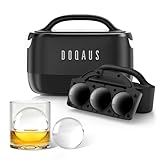
- ✅ Achieve Bar-Quality Clarity with Directional Freezing: Stop settling for cloudy, bubble-filled ice. Our clear ice cube maker utilizes advanced physics to push impurities away, creating 3 crystal-clear spheres and 4 cubes per cycle. It is the secret weapon for the home mixologist wanting presentation-ready drinks without expensive machinery.
- ✅ Preserve Complex Flavors with Slow Dilution: Designed for the purist, this whiskey ice cubes mold produces dense, 2.5-inch ice that melts 40% slower than standard ice. Enjoy your single malt or bourbon chilled but undiluted, ensuring the aromatic profile remains distinct from the first sip to the last.
- ✅ Effortless Release with Premium Hybrid Design: Unlike rigid plastic trays that crack, our flexible silicone ice ball maker mold ensures smooth removal. The non-stick material lets you pop out perfect shapes instantly, making drink preparation seamless for relaxing solo evenings or busy gatherings.
- ✅ Versatile 2-in-1 Capacity for Entertaining: Hosting a cocktail night? This round ice cube mold creates 7 pieces simultaneously, catering to different glass styles. Whether serving an Old Fashioned (sphere) or a Negroni (cube), you will have the right ice shape ready for every guest's preference.
- ✅ The Sophisticated Choice for Gifting: More than just a standard ice mold, this clear ice system is an essential upgrade for any wet bar. Packaged to impress, it creates a tangible experience, making it an ideal gift for fathers, partners, or enthusiasts who value the ritual of a perfectly poured drink.
4. Add Coffee Mate powder.
- What to do: Measure out your desired amount of Coffee Mate powder. Start with a tablespoon or two.
- What “good” looks like: The powder is sitting in the glass, ready to be mixed.
- Common mistake: Adding it to hot coffee. It might clump.
- Avoid it: Add the powder to the chilled coffee or directly into the glass with ice.
5. Pour in the chilled coffee.
- What to do: Pour your cooled coffee concentrate over the ice and Coffee Mate powder.
- What “good” looks like: The coffee mixes with the powder and ice.
- Common mistake: Pouring too fast. You might splash.
- Avoid it: Pour slowly and steadily.
6. Stir thoroughly.
- What to do: Use a long spoon or a stirrer to mix everything together. Keep stirring until the Coffee Mate powder is completely dissolved.
- What “good” looks like: No powdery residue at the bottom of the glass. The liquid is smooth and uniformly colored.
- Common mistake: Not stirring enough. You’ll end up with sweet, chalky bits.
- Avoid it: Stir like you mean it until it’s all gone.
7. Add cold water or milk (optional).
- What to do: If your coffee is still too strong or you want to adjust the creaminess, add a splash of cold water, cold milk, or even creamer.
- What “good” looks like: The drink reaches your preferred strength and consistency.
- Common mistake: Adding too much liquid. You’ll dilute the flavor too much.
- Avoid it: Add liquids a little at a time, tasting as you go.
8. Sweeten to taste (optional).
- What to do: Taste your iced coffee. If it’s not sweet enough for you, add your preferred sweetener (sugar, syrup, etc.) and stir again.
- What “good” looks like: The coffee is perfectly balanced to your sweet tooth.
- Common mistake: Adding too much sweetener. It’s hard to fix an overly sweet drink.
- Avoid it: Taste first, then add sweetener gradually.
9. Enjoy immediately.
- What to do: Sip and savor your homemade iced coffee.
- What “good” looks like: A refreshing, delicious drink on a warm day.
- Common mistake: Letting it sit too long. The ice will melt completely.
- Avoid it: Drink up while it’s still perfectly chilled.
Common mistakes (and what happens if you ignore them)
| Mistake | What it causes | Fix |
|---|---|---|
| Brewing with a standard ratio | Weak, watery iced coffee | Brew coffee concentrate stronger (more grounds, less water). |
| Pouring hot coffee over ice | Rapid melting, diluted drink | Cool coffee completely before adding ice. |
| Not using enough ice | Drink warms up too fast | Fill your glass generously with ice. |
| Not stirring Coffee Mate powder enough | Gritty texture, sweet clumps at the bottom | Stir until the powder is fully dissolved. A frother can help if you have one. |
| Adding Coffee Mate powder to hot coffee | Clumping, uneven mixing | Add powder to chilled coffee or directly into the glass with ice. |
| Using stale coffee beans | Flat, dull flavor, lacks aroma | Use fresh, whole beans and grind them just before brewing. |
| Using poor quality water | Off-flavors in the final drink | Use filtered or good-tasting tap water. |
| Not cleaning the coffee maker | Bitter or rancid taste | Clean your brewer regularly and descale as recommended. |
| Adding sweetener before tasting | Overly sweet drink | Taste first, then add sweetener incrementally. |
| Not chilling coffee before brewing | Steam and dilution issues | Always cool hot coffee before making iced coffee. |
Decision rules (simple if/then)
- If your iced coffee tastes weak, then brew your coffee concentrate stronger next time because you didn’t account for ice melt.
- If your iced coffee has a chalky texture, then stir longer or ensure the Coffee Mate powder is fully dissolved because it didn’t mix properly.
- If your iced coffee is too bitter, then try a coarser grind or a different brewing method because the extraction might be too aggressive.
- If your iced coffee is too sweet, then add more unflavored coffee or a splash of milk/water because you overdid the sweetener.
- If your iced coffee is not cold enough, then add more ice or chill the coffee longer because the temperature isn’t right.
- If your iced coffee has an off-flavor, then check your water quality or clean your brewer because something is interfering with the taste.
- If you’re in a hurry, then use instant coffee mixed with cold water as a base because it bypasses the brewing and chilling steps.
- If you want a less sweet option, then use less Coffee Mate powder or a sugar-free version because the powder itself adds sweetness.
- If you prefer a richer flavor, then use a darker roast coffee or add a splash of actual cream instead of just water because it enhances the coffee notes.
- If you want to avoid clumping, then add the Coffee Mate powder to the chilled coffee, not hot, because heat can cause it to clump.
FAQ
Can I use hot water to mix the Coffee Mate powder?
It’s best to mix Coffee Mate powder with cold or room-temperature liquids. Adding it to hot coffee can sometimes cause clumping. Mix it into your chilled coffee concentrate or directly into the glass with ice.
How much Coffee Mate powder should I use?
This is totally up to your taste. Start with a tablespoon or two per serving and adjust from there. Coffee Mate already has sweetness and flavor, so taste as you go.
What kind of coffee is best for iced coffee?
Any coffee you like will work, but medium to dark roasts often hold up well to chilling and dilution. You can also use espresso or cold brew concentrate. The key is brewing it strong.
Do I need to use a special coffee maker for iced coffee?
Nope. You can use your regular drip machine, pour-over, French press, or even a Moka pot. The method just needs to produce a strong coffee base.
Can I make a big batch of iced coffee concentrate?
Absolutely. Brew a large batch of strong coffee, let it cool completely, and store it in the fridge. Then, you can quickly assemble iced coffees as needed.
What if I don’t have Coffee Mate powder?
You can use other powdered creamers or even liquid creamer. If you don’t have any creamer, you’ll likely want to add sugar or another sweetener to taste.
Is this a healthy option?
Coffee Mate powder is primarily sugar and oil. If you’re watching your sugar intake, consider using it in moderation or opting for sugar-free versions or unsweetened alternatives.
How do I avoid a watery iced coffee?
The biggest tip is to brew your coffee extra strong to begin with. This way, as the ice melts, it dilutes the coffee to a more normal strength, rather than making it weak.
What this page does NOT cover (and where to go next)
- Detailed comparisons of different Coffee Mate flavors.
- Recipes for advanced iced coffee drinks like blended frappes.
- The science behind coffee extraction and brewing variables.
- Specific recommendations for coffee bean origins or roast profiles.