
Easy Iced Coffee Recipe For Home
Quick answer
- Start with freshly brewed, strong coffee to avoid a watery taste.
- Use a higher coffee-to-water ratio for brewing to account for ice dilution.
- Allow coffee to cool slightly before pouring over ice to prevent excessive melting.
- Use good quality ice; tap water ice can introduce off-flavors.
- Experiment with sweeteners and dairy alternatives after brewing and cooling.
- Consider making coffee concentrate for a quick, on-demand iced coffee.
- A simple drip brewer can make excellent iced coffee with the right adjustments.
If you’re serious about your iced coffee, consider investing in a dedicated iced coffee maker. These specialized appliances are designed to brew coffee at a lower temperature or create a concentrate, minimizing dilution and ensuring a richer flavor.

- BREW BY THE CUP OR CARAFE: Brews both K-Cup pods and coffee grounds.
- MULTISTREAM TECHNOLOGY: Saturates the grounds evenly to extract full flavor and aroma in every cup, hot or cold.
- BREW OVER ICE: Adjusts temperature for maximum flavor and less ice melt for single-cup iced coffees and teas.
- STRONG BREW & EXTRA HOT FUNCTIONALITY: Brews a stronger, more intense-flavored cup and the extra hot feature brews a hotter single cup.
- MULTIPLE BREW SIZES: Brew 6, 8, 10, or 12oz single cups or 6, 8, 10, or 12-cup carafes. 12-cup glass carafe specially designed to limit dripping.
Who this is for
- Anyone looking to enjoy refreshing iced coffee without a trip to the coffee shop.
- Home brewers who want to adapt their existing equipment for cold beverages.
- Coffee enthusiasts seeking to avoid diluted, weak iced coffee.
What to check first
Brewer type and filter type
Most common home brewers, like automatic drip machines or pour-over setups, work well for iced coffee. The key is how you brew, not necessarily a specialized machine.
- Drip brewers: These are convenient for brewing larger batches. Ensure your machine is clean and functioning correctly.
- Pour-over: Offers more control over extraction. You’ll need a kettle, a dripper, and filters.
- French press: Can also be used, but the resulting coffee may have more sediment, which some prefer to avoid in iced drinks.
- Filter type: Paper filters (cone or basket) are common and produce a clean cup. Reusable mesh filters are more eco-friendly but can let through more fines.
For making iced coffee at home, a reliable drip coffee maker is a fantastic starting point. These machines are convenient for brewing larger batches, and with a few adjustments, you can achieve a strong, delicious base for your cold beverage.
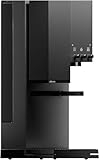
- 1. Three Levels of Automation for Any Skill Level: Choose from Autopilot, Copilot, or Free Solo mode. Autopilot handles the entire brewing process automatically. Copilot provides step-by-step guidance. Free Solo gives you full manual control. This coffee machine works for beginners and professional baristas alike.
- 2. Intuitive User Interface with Tactile Knobs and LED Matrix: The Studio features physical control knobs and a clear LED Matrix display. You can adjust grind size, water temperature, and flow rate in real time without navigating complicated touchscreen menus.
- 3. Full Customization via the xBloom App: Use the xBloom app to create, adjust, save, and share your favorite coffee recipes. Every brewing parameter can be fine-tuned and synced to the machine instantly. Your perfect cup is saved and repeatable.
- 4. Compostable xPod System for Minimal Waste and Maximum Flavor: Each xPod contains carefully selected whole beans and a built-in filter. Tap the recipe card, pour the beans into the grinder, place the pod into the dock, and press start. No capsules, no extra paper filters, no unnecessary waste.
- 5. What Is Included in the Box: The package includes the xBloom Studio, Omni Dripper 2 with Hyperflow Bottom, 10 paper filters, xPod Dock, Magnetic Dosing Cup, default recipe card, quick start guide, cleaning brush, universal power cord, and a 2-Year xbloom brand warranty. Everything you need is included—along with long-term peace of mind.
Water quality and temperature
Water makes up over 98% of your coffee, so its quality is paramount. Use filtered water if your tap water has an off-taste or strong mineral content.
- Good looks like: Clean, fresh, filtered water. Water that tastes good on its own will make better coffee.
- Temperature: For hot brewing, water should be between 195-205°F (90-96°C) for optimal extraction. Most automatic drip machines heat water to this range.
Grind size and coffee freshness
The grind size significantly impacts extraction. For iced coffee, you often brew a stronger concentrate, so adjusting grind is important.
- Good looks like: Freshly ground coffee, ideally ground right before brewing. For most drip or pour-over methods, a medium grind, similar to table salt, is appropriate. If brewing stronger, a slightly finer grind can help extract more flavor without over-extraction.
- Freshness: Coffee beans are best used within a few weeks of roasting. Pre-ground coffee loses flavor rapidly. Store beans in an airtight container away from light, heat, and moisture.
Coffee-to-water ratio
This is crucial for preventing watery iced coffee. You’ll need a higher concentration of coffee than for hot coffee because the ice will dilute it.
- Good looks like: A starting point is a 1:10 to 1:12 coffee-to-water ratio (e.g., 1 part coffee grounds to 10-12 parts water by weight). This is stronger than the typical 1:15 or 1:17 for hot coffee. For example, for 10 ounces of brewed coffee, you might use 28-34 grams of coffee grounds.
Cleanliness/descale status
A clean brewer is essential for good-tasting coffee. Mineral buildup and old coffee oils can impart bitter or stale flavors.
- Good looks like: Your brewer should be cleaned regularly. Descale your machine every 1-3 months depending on water hardness, and wash removable parts after each use.
- Signs of buildup: Slower brewing, strange tastes, or visible residue.
Step-by-step how to make a ice coffee at home
Here’s a simple workflow for making delicious iced coffee with a standard drip brewer or pour-over.
1. Prepare your brewing equipment:
- What to do: Ensure your coffee maker, filter basket, and carafe are clean. Place a fresh paper filter (or clean reusable filter) in the basket.
- What “good” looks like: All components are free of old coffee grounds, oils, or mineral residue.
- Common mistake: Using a dirty brewer. This leads to off-flavors. Avoid it by: Rinsing components after each use and descaling regularly.
2. Measure and grind your coffee beans:
- What to do: Measure out your whole bean coffee. For a stronger brew suitable for iced coffee, aim for a coffee-to-water ratio of about 1:10 to 1:12. Grind the beans to a medium consistency, similar to table salt.
- What “good” looks like: Freshly ground beans, consistent medium grind size.
- Common mistake: Using stale, pre-ground coffee or an incorrect grind size. This results in weak or poorly extracted coffee. Avoid it by: Grinding fresh beans right before brewing and using a consistent grinder.
3. Add coffee grounds to the filter:
- What to do: Place the measured, ground coffee into the filter basket. Gently shake to level the bed of grounds.
- What “good” looks like: Evenly distributed grounds in the filter.
- Common mistake: Uneven distribution. This can lead to uneven extraction. Avoid it by: Gently shaking the basket or tapping it lightly on the counter.
4. Measure and add water to the reservoir:
- What to do: Measure the appropriate amount of cold, filtered water based on your desired coffee volume and ratio. Add it to your brewer’s water reservoir.
- What “good” looks like: Clean, filtered water measured precisely according to your ratio.
- Common mistake: Using unfiltered tap water or guessing the water amount. This can affect taste and strength. Avoid it by: Using filtered water and a kitchen scale or measuring cup for accuracy.
5. Brew the coffee (hot):
- What to do: Start your coffee maker. Brew the coffee as you normally would for a hot cup.
- What “good” looks like: A steady stream of hot coffee brewing into the carafe.
- Common mistake: Stopping the brew prematurely or not allowing full extraction. This results in under-extracted, weak coffee. Avoid it by: Letting the full brew cycle complete.
6. Allow coffee to cool slightly:
- What to do: Once brewed, let the hot coffee sit for 10-15 minutes to cool down slightly. You can also transfer it to a heat-safe pitcher or jar.
- What “good” looks like: The coffee is warm, not scalding hot, but not yet cold.
- Common mistake: Pouring piping hot coffee directly over ice. This melts the ice too quickly and dilutes the coffee excessively. Avoid it by: Giving the coffee a few minutes to cool down.
7. Prepare your serving glass with ice:
- What to do: Fill your serving glass or pitcher generously with ice cubes. The more ice, the better to keep the coffee cold without melting too fast.
- What “good” looks like: A glass filled almost to the top with fresh, clean ice.
- Common mistake: Using too little ice or old, freezer-burnt ice. This leads to quick dilution and off-flavors. Avoid it by: Using plenty of fresh ice made from filtered water.
8. Pour coffee over ice:
- What to do: Carefully pour the slightly cooled, strong coffee over the ice in your serving glass.
- What “good” looks like: The coffee quickly chills as it hits the ice, producing a refreshing sound.
- Common mistake: Pouring too quickly or from too high, causing splashes. Avoid it by: Pouring slowly and steadily.
9. Add milk, sweetener, and stir:
- What to do: Add your preferred milk, cream, or dairy alternative, and any sweeteners (like simple syrup) to taste. Stir well to combine.
- What “good” looks like: A well-mixed drink with your desired level of sweetness and creaminess.
- Common mistake: Adding granulated sugar directly to cold coffee (it won’t dissolve well) or adding milk/sweetener before tasting. Avoid it by: Using simple syrup for cold drinks and tasting before adding too much.
10. Enjoy your homemade iced coffee:
- What to do: Take a moment to savor your perfectly brewed and chilled iced coffee.
- What “good” looks like: A refreshing, flavorful, and not-too-diluted iced coffee.
- Common mistake: Drinking it too fast! Avoid it by: Making a second batch.
Common mistakes (and what happens if you ignore them)
| Mistake | What it causes | Fix |
|---|---|---|
| Using regular hot coffee recipe | Watery, weak, flavorless iced coffee | Increase coffee-to-water ratio (e.g., 1:10-1:12) for a stronger brew. |
| Pouring hot coffee directly over ice | Rapid ice melt, extreme dilution, less enjoyable temperature | Allow brewed coffee to cool for 10-15 minutes before pouring over ice, or chill in the fridge. |
| Using too little ice | Coffee warms up quickly, becomes diluted as remaining ice melts fast | Fill your glass generously with ice, almost to the top. |
| Using stale coffee beans | Flat, dull, or bitter flavor | Buy fresh whole beans, grind right before brewing, store in an airtight container. |
| Incorrect grind size | Under-extracted (sour/weak) or over-extracted (bitter) coffee | Adjust grind to medium; experiment slightly finer for stronger brews. |
| Poor water quality | Off-flavors, strange aftertaste | Use filtered water, especially if tap water tastes bad. |
| Not cleaning your brewer | Stale, bitter, or metallic tastes in your coffee | Clean removable parts daily, descale your machine monthly or quarterly. |
| Adding granulated sugar to cold coffee | Sugar won’t dissolve, gritty texture, uneven sweetness | Use simple syrup (equal parts sugar and hot water, dissolved and cooled) or liquid sweeteners. |
| Brewing too slowly (e.g., very fine grind) | Over-extraction, bitterness, unpleasant flavors | Ensure your grind size is appropriate for your brew method to maintain proper extraction time. |
| Not chilling coffee concentrate properly | Leads to quick dilution when combined with ice later | If making concentrate, chill it thoroughly in the refrigerator before serving. |
Decision rules for how to make a ice coffee at home
- If your iced coffee tastes watery, then you need to increase your coffee-to-water ratio because the ice is diluting it too much.
- If your iced coffee tastes bitter, then your coffee might be over-extracted or your water quality is poor because bitterness often comes from too long extraction or mineral impurities.
- If your iced coffee tastes sour or weak, then your coffee might be under-extracted or your grind is too coarse because under-extraction fails to pull out enough flavor.
- If your ice melts instantly when you pour coffee over it, then your coffee is too hot because hot liquid rapidly melts ice.
- If you prefer a smoother, less acidic iced coffee, then consider making cold brew concentrate because cold brewing extracts less acidity.
- If you want to add sugar to your iced coffee, then use simple syrup or a liquid sweetener because granulated sugar won’t dissolve well in cold liquid.
- If your brewed coffee has an off-taste, then check your water source and brewer cleanliness because these are common culprits for undesirable flavors.
- If you’re short on time for cooling, then brew a smaller, super-strong batch and rapidly chill it over a large amount of ice because this minimizes dilution.
- If you enjoy a creamy iced coffee, then add milk or cream after the coffee has cooled and been poured over ice because it mixes better and doesn’t curdle from extreme heat.
- If your iced coffee always tastes dull, then check the freshness of your coffee beans because fresh beans are key to vibrant flavor.
FAQ
Can I use any coffee for iced coffee?
Yes, almost any coffee can be used for iced coffee. However, a medium to dark roast often holds up better to dilution from ice and additions like milk. Experiment with your favorite beans to see what you prefer when chilled.
How do I make iced coffee without it tasting watery?
The key is to brew your coffee stronger than usual. Use a higher coffee-to-water ratio (e.g., 1:10 or 1:12 instead of 1:15). Also, allow the hot coffee to cool slightly before pouring it over a generous amount of ice.
What’s the difference between iced coffee and cold brew?
Iced coffee is typically hot coffee that has been chilled and poured over ice. Cold brew is coffee brewed with cold water over a much longer period (12-24 hours), resulting in a concentrate that is often less acidic and smoother.
Can I make a big batch of iced coffee ahead of time?
Absolutely! You can brew a larger batch of strong coffee, let it cool completely, and then store it in an airtight container in the refrigerator for up to 3-4 days. This concentrate can then be poured over ice as needed.
What kind of ice should I use?
For the best flavor, use fresh ice made from filtered water. Ice made from unfiltered tap water can impart off-flavors to your coffee as it melts. Avoid old ice that might have absorbed freezer odors.
How do I sweeten iced coffee effectively?
Granulated sugar doesn’t dissolve well in cold liquids. For optimal sweetness, use simple syrup (equal parts sugar and hot water, stirred until dissolved and then cooled) or other liquid sweeteners like maple syrup or agave nectar.
Is there a best type of milk for iced coffee?
This is largely a matter of personal preference. Whole milk or half-and-half provides a rich, creamy texture. Almond milk, oat milk, and soy milk are popular dairy-free alternatives that also work well and offer different flavor profiles.
What this page does NOT cover (and where to go next)
- Detailed comparisons of various coffee bean origins and roasts
- Advanced espresso-based iced coffee drinks (e.g., iced lattes, iced cappuccinos)
- In-depth guides to specific coffee brewing methods (e.g., full pour-over tutorial)
- Comprehensive cold brew coffee recipes and techniques
- The science of coffee extraction and flavor compounds
- Reviews of specific coffee makers or grinders