
Drip Coffee Maker: How Much Coffee Grounds To Use
Quick answer
- Start with a 1:15 coffee-to-water ratio. That’s roughly 2 tablespoons of grounds for every 6 oz of water.
- Adjust based on your taste. If it’s too weak, use more grounds. Too strong? Use fewer.
- Use a scale for precision. It’s the easiest way to nail your ratio every time.
- Freshly roasted beans make a difference. Grind them right before you brew.
- Clean your machine regularly. Old coffee gunk ruins fresh brews.
- Water quality matters. Filtered water is usually best.
Who this is for
- You’ve got a standard drip coffee maker and want better coffee.
- You’re tired of guessing your coffee measurements.
- You want to understand the basics of good drip coffee.
If you’re looking to upgrade your brewing experience, consider investing in a high-quality drip coffee maker. A good machine can make a significant difference in your daily cup.
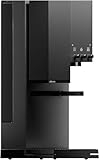
- 1. Three Levels of Automation for Any Skill Level: Choose from Autopilot, Copilot, or Free Solo mode. Autopilot handles the entire brewing process automatically. Copilot provides step-by-step guidance. Free Solo gives you full manual control. This coffee machine works for beginners and professional baristas alike.
- 2. Intuitive User Interface with Tactile Knobs and LED Matrix: The Studio features physical control knobs and a clear LED Matrix display. You can adjust grind size, water temperature, and flow rate in real time without navigating complicated touchscreen menus.
- 3. Full Customization via the xBloom App: Use the xBloom app to create, adjust, save, and share your favorite coffee recipes. Every brewing parameter can be fine-tuned and synced to the machine instantly. Your perfect cup is saved and repeatable.
- 4. Compostable xPod System for Minimal Waste and Maximum Flavor: Each xPod contains carefully selected whole beans and a built-in filter. Tap the recipe card, pour the beans into the grinder, place the pod into the dock, and press start. No capsules, no extra paper filters, no unnecessary waste.
- 5. What Is Included in the Box: The package includes the xBloom Studio, Omni Dripper 2 with Hyperflow Bottom, 10 paper filters, xPod Dock, Magnetic Dosing Cup, default recipe card, quick start guide, cleaning brush, and universal power cord. Everything you need is included.
What to check first
Brewer type and filter type
Your drip coffee maker is likely a standard automatic brewer. That’s good. For filters, you’ve probably got paper cones or a reusable metal basket. Paper filters trap more oils, leading to a cleaner cup. Metal lets more through, giving a bit more body. No real right or wrong here, just what you prefer.
Water quality and temperature
The water you use is a huge part of your coffee. Tap water can have off-flavors that mess with your brew. Filtered water is usually the way to go. Most drip makers heat water to around 195-205°F, which is ideal. If your machine has a setting for temperature, great. If not, don’t sweat it; most get it close enough.
Grind size and coffee freshness
For drip, a medium grind is usually the sweet spot. Think table salt consistency. Too fine, and it’ll clog the filter and taste bitter. Too coarse, and the water runs through too fast, making it weak. Freshness is key. Coffee loses flavor fast after roasting. Grind your beans just before brewing for the best results. Stale grounds are just sad.
Coffee-to-water ratio
This is where “how much coffee drip maker” really comes in. The Specialty Coffee Association (SCA) recommends a “golden ratio” of 1:15 to 1:18. That means for every 1 gram of coffee, you use 15 to 18 grams of water. In simpler terms, it’s about 2 tablespoons of whole beans (or about 10-12 grams of ground coffee) for every 6 ounces of water. Don’t have a scale? Use measuring spoons and cups, but know it’s less precise.
Cleanliness/descale status
A dirty coffee maker is a flavor killer. Old coffee oils build up and turn rancid. Mineral deposits from water (scale) can clog things up and affect heating. Most machines need descaling every few months, depending on your water. Check your manual for the recommended cleaning and descaling schedule. It’s a simple step that makes a huge difference.
Step-by-step (brew workflow)
1. Gather your gear.
- What to do: Have your coffee maker, filter, fresh coffee beans, grinder, and water ready.
- What “good” looks like: Everything is within easy reach and clean.
- Common mistake: Realizing you’re out of filters halfway through. Avoid this by checking your supplies first.
2. Measure your water.
- What to do: Fill the water reservoir with the amount of cold, filtered water you want to brew. Use the markings on the reservoir or your carafe.
- What “good” looks like: The water level is clear and matches your desired brew volume.
- Common mistake: Overfilling the reservoir, which can lead to overflow. Always check the max fill line.
3. Prepare the filter.
- What to do: Place the correct filter (paper or reusable) into the brew basket. If using a paper filter, rinse it with hot water.
- What “good” looks like: The filter sits snugly in the basket. Rinsing paper filters removes any papery taste and helps it seal.
- Common mistake: Forgetting to rinse paper filters. This can leave a papery taste in your coffee.
4. Measure and grind your coffee.
- What to do: Weigh your whole beans for the desired ratio (e.g., 30g coffee for 450g/15oz water). Grind them to a medium consistency.
- What “good” looks like: Evenly sized grounds, like coarse sand.
- Common mistake: Using pre-ground coffee that’s been sitting around. It’s lost its punch. Grind fresh.
5. Add grounds to the filter.
- What to do: Pour the freshly ground coffee into the prepared filter. Gently shake the basket to level the grounds.
- What “good” looks like: A flat, even bed of coffee grounds.
- Common mistake: Leaving the grounds piled up on one side. This leads to uneven extraction and a weak cup.
6. Start the brew cycle.
- What to do: Place the brew basket back into the machine and close the lid. Turn on the coffee maker.
- What “good” looks like: The machine starts heating water and dripping it over the grounds.
- Common mistake: Forgetting to put the carafe in place. Coffee will go everywhere. Double-check.
7. Monitor the bloom (optional but good).
- What to do: For the first 30 seconds, the grounds will puff up and release CO2. This is the “bloom.”
- What “good” looks like: The grounds expand evenly.
- Common mistake: Not letting it bloom. Some machines do this automatically. If yours doesn’t, you can pause it for 30 seconds after the first drips.
8. Let it finish brewing.
- What to do: Allow the machine to complete its brew cycle.
- What “good” looks like: All the water has dripped through, and the machine stops making noise.
- Common mistake: Removing the carafe too early. You’ll miss out on flavor and make a mess. Wait for the drip to stop.
9. Serve immediately.
- What to do: Pour the coffee into your mug.
- What “good” looks like: Hot, aromatic coffee.
- Common mistake: Leaving coffee on the hot plate for too long. It gets burnt and bitter.
10. Clean up.
- What to do: Discard the used grounds and filter. Rinse the brew basket and carafe.
- What “good” looks like: A clean coffee maker, ready for the next brew.
- Common mistake: Letting dirty parts sit. They’ll start to smell and affect future brews.
Common mistakes (and what happens if you ignore them)
| Mistake | What it causes | Fix |
|---|---|---|
| Using stale coffee beans | Weak, flat, or bitter coffee | Buy freshly roasted beans and grind them just before brewing. |
| Incorrect grind size (too fine) | Bitter, over-extracted coffee; clogged filter | Use a medium grind. Check your grinder settings. |
| Incorrect grind size (too coarse) | Weak, sour, under-extracted coffee | Use a medium grind. Adjust grinder settings. |
| Wrong coffee-to-water ratio | Coffee too weak or too strong/bitter | Use a scale and aim for a 1:15 to 1:18 ratio. Adjust to taste. |
| Using bad water | Off-flavors in your coffee | Use filtered or bottled water. |
| Not cleaning the machine | Rancid oil taste, mineral buildup, slow brewing | Clean and descale your brewer regularly according to the manual. |
| Leaving coffee on hot plate | Burnt, bitter, metallic taste | Transfer brewed coffee to a thermal carafe or drink it promptly. |
| Over-extraction | Bitter, harsh coffee | Ensure correct grind size, brew time, and water temperature. |
| Under-extraction | Sour, weak, watery coffee | Ensure correct grind size, brew time, and water temperature. |
| Rushing the brew cycle | Incomplete extraction, weak coffee | Let the machine finish its cycle completely. |
Decision rules (simple if/then)
- If your coffee tastes weak, then increase the amount of coffee grounds because you’re not using enough coffee for the water.
- If your coffee tastes too strong or bitter, then decrease the amount of coffee grounds because you’re using too much coffee for the water.
- If your coffee tastes bitter and the brew time was very long, then your grind might be too fine, so adjust it coarser.
- If your coffee tastes weak and the brew time was very short, then your grind might be too coarse, so adjust it finer.
- If your coffee has a papery taste, then rinse your paper filter with hot water before adding grounds.
- If your coffee tastes dull or stale, then use freshly roasted beans and grind them right before brewing.
- If you want more consistent results, then use a kitchen scale to measure both your coffee and your water.
- If your coffee maker is brewing slowly or making strange noises, then it likely needs descaling.
- If you prefer a cleaner cup with less body, then stick with paper filters.
- If you prefer a fuller-bodied cup, then a metal filter might be your preference.
- If your coffee tastes off and you use tap water, then try using filtered water to see if it improves.
FAQ
How much coffee grounds do I use per cup?
A good starting point is about 2 tablespoons of grounds for every 6 ounces of water. This is roughly a 1:15 ratio. Adjust this based on how strong you like your coffee.
Should I use a scale for my coffee grounds?
Yes, a scale is the most accurate way to measure coffee. It helps you maintain a consistent ratio between coffee and water, leading to better brews every time.
What is the “golden ratio” for drip coffee?
The Specialty Coffee Association (SCA) recommends a ratio between 1:15 and 1:18. This means for every gram of coffee, you use 15 to 18 grams of water.
How does grind size affect my coffee?
A medium grind is usually best for drip coffee makers. Too fine can lead to bitter coffee and clogs, while too coarse results in weak, under-extracted coffee.
Does water quality really matter?
Absolutely. If your tap water has a strong taste, it will transfer to your coffee. Using filtered water generally produces a cleaner, more enjoyable cup.
How often should I clean my drip coffee maker?
You should clean your coffee maker regularly, ideally after every use for the carafe and brew basket. Descale it every 1-3 months, depending on your water hardness and usage.
What’s the deal with “blooming” coffee?
Blooming is when hot water first hits fresh coffee grounds, causing them to release CO2 gas. This is a sign of fresh coffee and helps ensure even extraction for better flavor.
Can I use pre-ground coffee?
You can, but it won’t taste as good as freshly ground coffee. Pre-ground coffee loses its volatile aromatics quickly. If you do use it, try to use it within a couple of weeks of opening the bag.
What this page does NOT cover (and where to go next)
- Specific recommendations for single-origin coffees or blends. (Next: Explore different coffee origins and roast profiles.)
- Advanced brewing techniques like pour-over or AeroPress. (Next: Research manual brewing methods.)
- Detailed instructions on descaling specific coffee maker models. (Next: Consult your coffee maker’s user manual.)
- The impact of different water mineral content beyond basic filtration. (Next: Look into water chemistry for coffee brewing.)
- Comparisons of various coffee maker brands and features. (Next: Read reviews and comparisons of drip coffee machines.)
For those ready to explore new options, checking out the latest drip coffee maker models can help you find the perfect fit for your kitchen.
No products found.