
Drip Coffee Maker: Coffee Ground Amounts
Quick answer
- Start with a 1:15 coffee-to-water ratio (e.g., 1 gram of coffee for every 15 grams of water).
- For a standard 12-cup (60 oz) drip maker, aim for around 60-70 grams of coffee.
- Use a kitchen scale for accuracy. Scoops can be inconsistent.
- Adjust to your taste. Stronger? Use a bit more coffee. Weaker? Less.
- Always use freshly ground beans for the best flavor.
- Check your coffee maker’s manual for specific recommendations.
Who this is for
- Anyone who wants to make better-tasting drip coffee at home.
- Folks who are tired of weak or bitter coffee from their automatic brewer.
- Coffee lovers who want to dial in their daily cup without fuss.
If you’re looking to upgrade your current setup, consider a highly-rated drip coffee maker for consistent results.
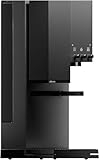
- 1. Three Levels of Automation for Any Skill Level: Choose from Autopilot, Copilot, or Free Solo mode. Autopilot handles the entire brewing process automatically. Copilot provides step-by-step guidance. Free Solo gives you full manual control. This coffee machine works for beginners and professional baristas alike.
- 2. Intuitive User Interface with Tactile Knobs and LED Matrix: The Studio features physical control knobs and a clear LED Matrix display. You can adjust grind size, water temperature, and flow rate in real time without navigating complicated touchscreen menus.
- 3. Full Customization via the xBloom App: Use the xBloom app to create, adjust, save, and share your favorite coffee recipes. Every brewing parameter can be fine-tuned and synced to the machine instantly. Your perfect cup is saved and repeatable.
- 4. Compostable xPod System for Minimal Waste and Maximum Flavor: Each xPod contains carefully selected whole beans and a built-in filter. Tap the recipe card, pour the beans into the grinder, place the pod into the dock, and press start. No capsules, no extra paper filters, no unnecessary waste.
- 5. What Is Included in the Box: The package includes the xBloom Studio, Omni Dripper 2 with Hyperflow Bottom, 10 paper filters, xPod Dock, Magnetic Dosing Cup, default recipe card, quick start guide, cleaning brush, universal power cord, and a 2-Year xbloom brand warranty. Everything you need is included—along with long-term peace of mind.
What to check first
Brewer type and filter type
Your drip coffee maker is likely a standard automatic brewer. But some have fancy features. Paper filters are common, but some use reusable metal or cloth filters.
What good looks like: You know what kind of machine you have and what filter it uses.
Common mistake: Using the wrong filter size or type. This can lead to grounds in your cup or poor water flow. Always double-check your manual if you’re unsure.
Water quality and temperature
Good coffee starts with good water. Tap water can have off-flavors from chlorine or minerals. Most machines heat water to around 195-205°F, which is ideal.
What good looks like: Your water tastes clean. Your machine heats water consistently.
Common mistake: Using stale or off-tasting water. It directly impacts your coffee’s flavor. Filtered water is usually your best bet.
Grind size and coffee freshness
This is huge. For drip coffee, a medium grind is usually best. Think coarse sand. Freshly roasted and ground beans make a world of difference.
What good looks like: Your coffee beans are roasted within the last few weeks. You grind them right before brewing. The grind looks even.
Common mistake: Using pre-ground coffee that’s been sitting around. It loses its aroma and flavor fast. Grinding your own beans is a game-changer.
Coffee-to-water ratio
This is the heart of the matter. The Specialty Coffee Association (SCA) recommends a “golden ratio.” It’s a good starting point.
What good looks like: You’re using a consistent ratio, measured by weight.
Common mistake: Relying on scoops. Different beans, different roasts, and even how you pack the scoop can lead to wildly different amounts of coffee. Scales are cheap and accurate.
Cleanliness/descale status
A dirty machine makes bad coffee. Period. Old coffee oils build up and turn rancid. Mineral deposits from water (scale) can clog things and affect temperature.
What good looks like: Your brewer is clean. You descale it regularly, per the manufacturer’s instructions.
Common mistake: Never cleaning or descaling. It’s like cooking in a dirty pan. You wouldn’t do it, so don’t do it to your coffee.
Step-by-step (brew workflow)
1. Gather your gear.
- What good looks like: You have your brewer, filter, fresh coffee beans, grinder, and a scale ready.
- Common mistake: Forgetting a key item, like the filter or coffee. This delays your brew and can lead to a rushed, sloppy job.
2. Measure your water.
- What good looks like: You’ve measured the desired amount of fresh, filtered water into the reservoir. For a 10-cup brewer (50 oz), you’d put in 50 oz of water.
- Common mistake: Overfilling the reservoir. This can lead to overflow or inconsistent brewing. Stick to the max fill line.
3. Prepare the filter.
- What good looks like: If using a paper filter, you’ve rinsed it with hot water. This removes paper taste and preheats the brewer. Place it securely in the basket.
- Common mistake: Not rinsing paper filters. That papery taste can ruin a perfectly good cup of coffee.
4. Weigh your coffee.
- What good looks like: You’ve placed your coffee bean bag or container on the scale, tared it, and are weighing out the correct amount of beans. For a 1:15 ratio and 50 oz of water, that’s about 3.3 oz or roughly 95 grams of coffee. (Note: 1 oz ≈ 28.35g).
- Common mistake: Guessing the amount. This is the biggest culprit for inconsistent coffee. Use a scale.
5. Grind your coffee.
- What good looks like: You’ve ground the weighed beans to a medium consistency, similar to coarse sand. Grind just before brewing.
- Common mistake: Grinding too fine or too coarse. Too fine clogs the filter; too coarse leads to weak coffee.
6. Add grounds to the filter.
- What good looks like: The grounds are evenly distributed in the filter basket. Give it a gentle shake to level them.
- Common mistake: Creating a mound or a dip in the grounds. This can cause uneven water saturation, leading to channeling and poor extraction.
7. Start the brew cycle.
- What good looks like: You’ve pressed the “brew” button and the machine starts heating and dripping water over the grounds.
- Common mistake: Forgetting to turn it on. Happens to the best of us when we’re half asleep.
8. Observe the bloom (if applicable).
- What good looks like: The first bit of water hits the grounds, and they puff up and release CO2. This is the “bloom.” Some machines do this automatically; others don’t.
- Common mistake: Not allowing for the bloom. If your machine doesn’t have a pre-infusion cycle, some people manually pour a little hot water over the grounds first and wait 30 seconds.
9. Let it finish brewing.
- What good looks like: The water has fully dripped through the grounds into the carafe. The brewing cycle is complete.
- Common mistake: Pulling the carafe out too early. This can interrupt the brewing process and lead to an incomplete extraction.
10. Serve and enjoy.
- What good looks like: You pour the coffee into your favorite mug. It smells great and tastes even better.
- Common mistake: Letting brewed coffee sit on the hot plate for too long. It gets burnt and bitter. Pour it immediately or transfer to a thermal carafe.
Common mistakes (and what happens if you ignore them)
| Mistake | What it causes | Fix |
|---|---|---|
| Using stale, pre-ground coffee | Weak, flat, or bitter coffee. Lost aromatics. | Buy whole beans and grind them right before brewing. Store beans in an airtight container. |
| Incorrect coffee-to-water ratio | Coffee too weak or too strong. | Use a kitchen scale to measure both coffee and water by weight. Start with 1:15 or 1:16. |
| Grind size too fine | Over-extraction (bitter taste), clogged filter, slow brew, grounds in cup. | Use a coarser grind. Check your grinder settings. Aim for coarse sand. |
| Grind size too coarse | Under-extraction (sour, weak taste), watery coffee. | Use a finer grind. Check your grinder settings. Aim for medium consistency. |
| Using poor quality water | Off-flavors in the coffee (chlorine, mineral taste). | Use filtered water. Avoid distilled water as it lacks minerals needed for extraction. |
| Not cleaning the brewer regularly | Rancid coffee oils build up, making coffee taste bitter and stale. | Clean your brewer thoroughly after each use. Descale regularly per manufacturer instructions. |
| Inconsistent water temperature | Poor extraction. Too hot burns coffee; too cool under-extracts. | Ensure your machine heats water properly (195-205°F). Check manual for troubleshooting. |
| Not rinsing paper filters | Papery taste in the coffee. | Briefly rinse paper filters with hot water before adding grounds. |
| Leaving coffee on the hot plate too long | Coffee becomes burnt, bitter, and develops a “scorched” flavor. | Serve immediately, or use a thermal carafe to keep coffee hot without cooking it. |
| Uneven distribution of grounds | Channeling (water bypasses some grounds), leading to uneven extraction and poor taste. | Gently shake the filter basket to level the grounds after adding them. |
Decision rules (simple if/then)
- If your coffee tastes weak and sour, then use a slightly finer grind because under-extraction is likely.
- If your coffee tastes bitter and harsh, then use a slightly coarser grind because over-extraction is likely.
- If you’re using a scoop and your coffee is inconsistent, then start using a kitchen scale because scoops are inaccurate.
- If your coffee tastes like paper, then make sure you’re rinsing your paper filters with hot water before brewing.
- If you notice sediment in your cup, then check your grind size (too fine) or filter (damaged or wrong type).
- If your brewer is slow or sputtering, then it’s likely time to descale because mineral buildup is probably the issue.
- If your coffee tastes bland even with fresh beans, then check your coffee-to-water ratio and try using a little more coffee.
- If you’re brewing a full pot and it tastes weak, then ensure you’re using enough coffee for the total volume of water.
- If your coffee tastes burnt, then avoid letting it sit on the hot plate for extended periods.
- If you’re using a new bag of beans and the taste is off, then double-check your grind size; different beans can sometimes require minor adjustments.
- If your coffee has an unpleasant “stale” taste, then your beans are likely not fresh or have been stored improperly.
FAQ
What’s the best coffee-to-water ratio for drip coffee?
A good starting point is a 1:15 to 1:17 ratio by weight. That means for every gram of coffee, use 15 to 17 grams of water. For a standard 60 oz pot, that’s about 55-65 grams of coffee.
How much coffee should I use for a 12-cup drip coffee maker?
A “cup” on a coffee maker is usually 5-6 oz. So a 12-cup maker is about 60-72 oz. Using a 1:15 ratio, you’d aim for roughly 60-75 grams of coffee. Always check your maker’s manual.
Is it better to use a scale or scoops for measuring coffee?
A scale is significantly more accurate. Coffee beans vary in density, and how you scoop can change the amount. Weighing ensures consistency.
How often should I descale my drip coffee maker?
This depends on your water hardness and how often you use it. Generally, every 1-3 months is a good idea. Check your brewer’s manual for specific recommendations.
Why does my coffee taste weak?
This could be due to a few things: not enough coffee grounds, grind size too coarse, or under-extraction from water that’s too cool or brew time too short.
Why does my coffee taste bitter?
Bitter coffee is often a sign of over-extraction. This can happen with a grind that’s too fine, water that’s too hot, or if the coffee has been sitting on the hot plate too long.
Can I use any type of coffee bean?
Yes, you can use any type of roasted coffee bean. However, lighter roasts tend to have more acidity, while darker roasts are more bitter. Experiment to find what you like.
What if my coffee maker doesn’t have a bloom function?
Some machines don’t have a pre-infusion or bloom cycle. You can manually do this by pouring a small amount of hot water (about twice the weight of your grounds) over the coffee bed and letting it sit for 30 seconds before starting the brew cycle.
What this page does NOT cover (and where to go next)
- Detailed explanations of extraction theory (under- and over-extraction).
- Next: Look for resources on coffee extraction science.
- Specific recommendations for different types of coffee beans (e.g., single-origin vs. blends).
- Next: Explore guides on coffee bean origins and roast profiles.
- Advanced brewing techniques like pour-over or AeroPress.
- Next: Research alternative manual brewing methods.
- Comparisons of different drip coffee maker models or brands.
- Next: Check out reviews for specific coffee maker recommendations.
- Water chemistry and its impact on coffee flavor.
- Next: Investigate the science of water for coffee brewing.