
Does Keurig Make an Espresso Machine?
Quick answer
- Keurig does not currently manufacture a dedicated espresso machine designed to produce true espresso.
- Their machines brew single-serve coffee using K-Cup pods or similar systems.
- While some K-Cup pods offer “espresso-style” or dark roasts, these are not brewed under the high pressure required for authentic espresso.
- Keurig machines operate on a drip or percolation method, not the pressure-based system of espresso makers.
- For genuine espresso, you would need to look at traditional espresso machines from other brands.
Key terms and definitions
- Espresso: A concentrated coffee beverage brewed by forcing hot water under high pressure through finely-ground coffee beans.
- K-Cup: A proprietary single-serve coffee pod designed for Keurig brewing systems.
- Brewing Pressure: The force exerted by water during the brewing process. True espresso typically requires 9 bars of pressure.
- Drip Coffee: A brewing method where hot water slowly drips through coffee grounds, typically in a basket or filter.
- Percolation: A brewing method where hot water is repeatedly cycled through coffee grounds, often found in percolator pots.
- Crema: The reddish-brown foam that forms on top of a properly brewed shot of espresso, a result of emulsified oils and CO2.
- Single-Serve Brewer: A coffee maker designed to brew one cup of coffee at a time, often using pods or capsules.
- Extraction: The process of dissolving soluble solids from coffee grounds into water to create the beverage.
How it works
- Keurig machines operate by piercing a K-Cup pod and forcing hot water through the coffee grounds within it.
- The hot water then drips through the grounds and a filter, exiting into a cup placed below.
- This process is a form of percolation or drip brewing, designed for convenience and speed.
- The water temperature is typically maintained within a specific range suitable for drip coffee extraction.
- The pressure used in a Keurig is minimal, only enough to push water through the pod and into the cup.
- This contrasts sharply with espresso machines, which utilize high pressure to extract flavor rapidly.
- The result is a standard cup of coffee, not the concentrated, crema-topped beverage of true espresso.
- K-Cup pods contain pre-measured coffee grounds, eliminating the need for separate grinding or measuring.
While Keurig machines are convenient for single servings, if you’re looking for a more traditional brewing experience, a quality drip coffee maker can offer excellent results.
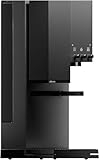
- 1. Three Levels of Automation for Any Skill Level: Choose from Autopilot, Copilot, or Free Solo mode. Autopilot handles the entire brewing process automatically. Copilot provides step-by-step guidance. Free Solo gives you full manual control. This coffee machine works for beginners and professional baristas alike.
- 2. Intuitive User Interface with Tactile Knobs and LED Matrix: The Studio features physical control knobs and a clear LED Matrix display. You can adjust grind size, water temperature, and flow rate in real time without navigating complicated touchscreen menus.
- 3. Full Customization via the xBloom App: Use the xBloom app to create, adjust, save, and share your favorite coffee recipes. Every brewing parameter can be fine-tuned and synced to the machine instantly. Your perfect cup is saved and repeatable.
- 4. Compostable xPod System for Minimal Waste and Maximum Flavor: Each xPod contains carefully selected whole beans and a built-in filter. Tap the recipe card, pour the beans into the grinder, place the pod into the dock, and press start. No capsules, no extra paper filters, no unnecessary waste.
- 5. What Is Included in the Box: The package includes the xBloom Studio, Omni Dripper 2 with Hyperflow Bottom, 10 paper filters, xPod Dock, Magnetic Dosing Cup, default recipe card, quick start guide, cleaning brush, universal power cord, and a 2-Year xbloom brand warranty. Everything you need is included—along with long-term peace of mind.
What affects the result
- Water Quality: Using filtered or good-tasting water can significantly improve the flavor of any coffee, including what a Keurig produces.
- K-Cup Freshness: Stale K-Cup pods will result in a less flavorful and aromatic brew.
- Coffee Roast Level: Darker roasts and espresso blends in K-Cups are designed to mimic espresso flavor profiles but are still brewed differently.
- Grind Size (within K-Cup): While you cannot control the grind size in a K-Cup, the manufacturer selects it for optimal drip brewing.
- Water Temperature: Keurig machines maintain a consistent water temperature, generally suited for drip coffee.
- Brewing Method: The fundamental drip/percolation method of Keurig brewers limits the extraction possibilities compared to espresso.
- Machine Maintenance: A clean Keurig machine ensures optimal water flow and prevents off-flavors.
- Coffee to Water Ratio (implicit): The K-Cup is designed with a fixed amount of coffee, and the machine dispenses a standard amount of water for that pod.
- Pod Type: Different K-Cup varieties (e.g., “bold,” “dark roast,” “espresso-style”) offer varying flavor profiles.
- Cup Size Selection: Choosing a smaller brew size can result in a slightly more concentrated, though not espresso-like, beverage.
Pros, cons, and when it matters
- Pros of Keurig’s system:
- Convenience: Extremely fast and easy to use for a single cup.
- Variety: A wide range of coffee, tea, and other beverages available in K-Cups.
- Cleanliness: Minimal mess as grounds are contained within the pod.
- Speed: Brews a cup in under a minute.
- Consistency: Delivers a predictable result with each use.
- Cons of Keurig’s system:
- Not True Espresso: Cannot produce authentic espresso due to lack of pressure.
- Environmental Impact: K-Cups can generate significant plastic waste, though recyclable options are emerging.
- Flavor Limitations: Coffee quality can be perceived as less nuanced than other brewing methods.
- Cost per Cup: K-Cups can be more expensive than brewing with loose coffee grounds.
- Limited Control: No ability to adjust grind, temperature, or pressure.
- When it matters:
- For quick, single servings: Keurig excels when you need a coffee fast without fuss.
- For households with diverse tastes: The variety of K-Cups appeals to many preferences.
- For those prioritizing ease of use: It’s one of the simplest brewing methods available.
- If you crave authentic espresso: A Keurig is not the right machine for this specific desire.
- For budget-conscious brewers: Using whole beans and a drip machine or French press can be more economical long-term.
Common misconceptions
- “Espresso-style” K-Cups are the same as real espresso: These pods are typically dark roasts with added flavorings or descriptions to evoke espresso, but they are brewed using Keurig’s standard low-pressure system.
- Keurig machines are espresso makers: They are single-serve drip coffee makers, not espresso machines.
- All dark roasts from Keurig taste like espresso: While dark roasts are often used for espresso, the brewing method is the key differentiator.
- You can’t get good coffee from a Keurig: While it may not satisfy espresso aficionados, many people enjoy the convenience and taste of Keurig coffee for their daily cup.
- K-Cups are all bad for the environment: While historically a concern, many manufacturers now offer recyclable or compostable K-Cup options.
- Keurig machines are expensive to run: The initial cost of the machine can be moderate, but the ongoing cost of K-Cups can add up.
- You need a special K-Cup for strong coffee: While “bold” or “extra bold” options exist, they are still brewed with the same water volume and pressure.
- Keurig machines are difficult to clean: They are generally very low maintenance, with occasional descaling being the primary upkeep.
FAQ
Q: Does Keurig make any machine that can brew espresso?
A: No, Keurig’s product line consists of single-serve coffee makers that use K-Cup pods or similar systems. They do not offer machines designed to produce true espresso.
Q: What is the difference between Keurig coffee and espresso?
A: The primary difference is brewing pressure. Espresso is made with high pressure (around 9 bars) forcing water through finely ground coffee, resulting in a concentrated shot with crema. Keurig machines use low pressure, similar to drip coffee, to brew a larger, less concentrated beverage.
Q: Can I make something that tastes like espresso with my Keurig?
A: You can use K-Cup pods labeled “espresso-style” or very dark roasts, and perhaps brew a smaller cup size. This will give you a stronger, bolder coffee, but it will not have the texture or flavor profile of authentic espresso.
Q: Are there any K-Cups that are specifically designed for espresso machines?
A: K-Cups are designed for Keurig brewers. Espresso machines use different types of pods or require fresh coffee grounds. You cannot use K-Cups in a traditional espresso machine.
Q: Why can’t a Keurig make espresso?
A: Keurig machines are not built to generate the high pressure required for espresso extraction. Their brewing mechanism is designed for a slower, lower-pressure drip or percolation process.
Q: What should I look for if I want to make espresso at home?
A: You should look for a dedicated espresso machine. These machines are specifically designed to create the necessary pressure, temperature, and extraction time for authentic espresso.
Q: What are the environmental concerns with K-Cups?
A: Historically, K-Cups were made of non-recyclable plastic, contributing to landfill waste. Many manufacturers now offer recyclable or compostable K-Cup options, but it’s important to check the packaging.
What this page does NOT cover (and where to go next)
- Specific models of Keurig machines and their features.
- Detailed comparisons of K-Cup brands and flavors.
- Instructions on how to use or maintain a specific Keurig model.
- Reviews or recommendations for espresso machines from other brands.
- The science behind coffee bean varietals and their impact on flavor profiles.