
DIY Flavor Base: How to Make Coffee Powder
Quick answer
- Use high-quality, freshly roasted beans.
- Grind them very fine, like powdered sugar.
- Store the powder in an airtight container.
- Keep it in a cool, dark place.
- Use it within a few weeks for best flavor.
- Experiment with different roast levels for different flavor profiles.
Who this is for
- Home cooks looking to add a coffee kick to recipes.
- Bakers who want to infuse desserts with coffee flavor.
- DIY enthusiasts who like making their own pantry staples.
What to check first
Brewer type and filter type
This isn’t about brewing coffee to drink. We’re making powder. So, your brewer type doesn’t matter. What matters is your grinder. A burr grinder is ideal for a consistent, fine grind. Blade grinders can work, but you’ll get more dust and chunks.
Water quality and temperature
Again, not brewing here. Water quality is irrelevant for making coffee powder. The beans are the star.
Grind size and coffee freshness
This is crucial. You want a grind that’s as fine as possible without becoming a paste. Think powdered sugar or even finer. Use beans that are no more than a month old. Older beans lose their aromatic oils, and your powder won’t taste as vibrant.
Coffee-to-water ratio
This also doesn’t apply to making powder. We’re not adding water to the beans at this stage. The ratio is for when you use the powder.
Cleanliness/descale status
Make sure your grinder is clean. Any old coffee residue can impart stale flavors to your new powder. A quick wipe-down is usually enough.
Step-by-step (brew workflow)
This isn’t a brew workflow in the traditional sense. It’s a process for creating your coffee powder.
1. Select your beans.
- What to do: Choose whole beans. Freshly roasted (within 1-4 weeks) is best. Medium to dark roasts tend to have more intense flavors suitable for powder.
- What “good” looks like: Beans that smell fragrant and haven’t been sitting around for months.
- Common mistake: Using old, stale beans. This leads to a flat, disappointing flavor. Avoid this by checking roast dates.
2. Measure your beans.
- What to do: Decide how much powder you want to make. A pound of beans is a good starting point.
- What “good” looks like: A measured amount ready for grinding.
- Common mistake: Guessing the amount. This can lead to over or under-grinding. Be precise.
3. Grind the beans to a fine powder.
- What to do: Use a burr grinder set to its finest setting. Grind in short bursts, checking consistency. You might need to do this in batches depending on your grinder size.
- What “good” looks like: A powder so fine it feels like dust between your fingers. No whole beans or large chunks should remain.
- Common mistake: Over-grinding to the point of creating a paste or clumping. This makes it hard to work with. Grind in short pulses and let the grinder cool slightly between batches if needed.
For the finest powder, a dedicated spice grinder or a burr grinder set to its finest setting is highly recommended.
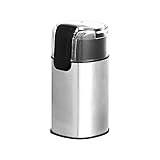
- Electric coffee bean grinder appliance for home use
- Can grind 30 grams/1 ounce of beans for drip coffee brewing in 10 seconds
- Grind coffee beans, herbs, spices, grains, nuts, and more
- Clear safety lid allows you to easily see the results in progress
- Heavy-duty stainless steel grind blade
4. Check the grind consistency.
- What to do: Look at the ground coffee. Is it uniform? Is it fine enough?
- What “good” looks like: A consistent, flour-like texture.
- Common mistake: Inconsistent grind. Some parts too coarse, some too fine. This means uneven flavor extraction when you use it.
5. Transfer the powder.
- What to do: Carefully scoop or pour the coffee powder into your storage container.
- What “good” looks like: All the powder is in the container, with minimal spillage.
- Common mistake: Spilling the fine powder. It gets everywhere! Use a funnel or a wide opening container.
6. Seal the container.
- What to do: Use an airtight container. Glass jars with rubber seals or sturdy plastic containers work well.
- What “good” looks like: A container that’s completely sealed, preventing air and moisture from getting in.
- Common mistake: Using a container that isn’t airtight. This allows the powder to go stale quickly.
To keep your homemade coffee powder fresh and potent, make sure to use high-quality airtight storage containers.

- #1 Brand Pick for Meal Prep Containers: Bentgo is the top pick for meal prep containers!* This 20-piece set includes 10 round 32 fl oz containers and 10 leak-proof twist-top lids, perfect for packing nutritious meals for the entire week while keeping food fresh and ready to enjoy anytime.
- Leak-Proof, Twist-Top Lids: Keep meals fresh and mess-free with airtight, leakproof lids. Perfect for soups, overnight oats, and more, they lock in freshness and prevent spills. Lids are stackable, and containers nest together to save space and keep your kitchen organized.
- Heat, Freeze, and Clean with Ease: These durable deli containers are microwave, freezer, and dishwasher safe, making meal prep a breeze. Perfect for storing and freezing broths, soups, and liquids, they’re also great for reheating leftovers. Simply remove the lid when microwaving for hassle-free meals!
- Durable, Reusable & Eco-Friendly: Say goodbye to single-use plastics. Crafted from food-safe materials free of PFAS and BPA, these long-lasting meal prep containers are built to withstand daily use. Their stackable, space-saving design ensures easy storage and keeps your kitchen organized.
- What You Get: 10 cylinder food containers, 10 twist-top lids, and caring customer support.
7. Store properly.
- What to do: Keep the container in a cool, dark, dry place. A pantry or cupboard away from heat sources is ideal.
- What “good” looks like: The container is stored away from light and heat.
- Common mistake: Storing near the stove or in direct sunlight. Heat and light degrade coffee flavor fast.
8. Label and date.
- What to do: Write the type of bean and the date you made the powder on the container.
- What “good” looks like: Clear labeling for easy identification.
- Common mistake: Forgetting when you made it. Coffee powder loses potency over time.
Common mistakes (and what happens if you ignore them)
| Mistake | What it causes | Fix |
|---|---|---|
| Using stale or old coffee beans | Flat, dull, or bitter coffee powder flavor | Always use freshly roasted beans (within 1-4 weeks). |
| Inconsistent grind size | Uneven flavor distribution in recipes | Use a burr grinder and grind in short pulses, checking consistency. |
| Over-grinding into a paste | Clumpy powder, difficult to measure and mix | Grind in short bursts; let grinder cool if needed. Aim for dust-like. |
| Using a non-airtight storage container | Rapid staling, loss of aroma and flavor | Use glass jars with rubber seals or high-quality airtight plastic. |
| Storing in a warm or humid place | Accelerated staling, potential for mold | Store in a cool, dark, dry pantry or cupboard. |
| Exposing to light | Degradation of volatile aromatic compounds | Keep the container in a dark place. |
| Not cleaning the grinder | Off-flavors from old coffee residue | Wipe down your grinder after each use. |
| Making too much at once | Powder goes stale before you can use it | Make smaller batches more frequently. |
| Using a blade grinder | Inconsistent grind, more dust than powder | A burr grinder is highly recommended for best results. |
| Not checking roast date | Buying beans that are already past their prime | Always look for a roast date on the bag. |
Decision rules (simple if/then)
- If you want a rich, intense coffee flavor in your recipes, then use a dark roast.
- If you want a more nuanced, chocolatey coffee note, then use a medium roast.
- If your grinder is a blade grinder, then expect a less consistent powder and grind in very short bursts.
- If you’re making powder for baking delicate pastries, then consider a lighter roast for a subtler flavor.
- If you notice clumping, then your grind might be too fine or you’ve over-ground it.
- If you plan to use the powder within a week, then storing it in a good quality Ziploc bag might suffice in a pinch, but airtight is always better.
- If you don’t have a burr grinder, then pulse your blade grinder carefully and shake the grounds between pulses.
- If the powder smells stale when you open the container, then it’s time to make a fresh batch.
- If you’re unsure about the freshness of your beans, then err on the side of caution and buy new ones.
- If you want to experiment, then try making powder from decaf beans for a caffeine-free coffee flavor.
- If you see any oil pooling on the surface of your stored powder, then it’s likely starting to go rancid.
FAQ
What kind of coffee beans should I use?
Use good quality, whole bean coffee. Freshly roasted beans (within 1-4 weeks) will give you the best flavor. Medium to dark roasts are generally preferred for their robust flavor profiles.
How fine should the coffee powder be?
Aim for a grind as fine as powdered sugar, or even a bit finer. It should feel like dust between your fingers. A burr grinder is best for achieving this consistency.
How long does coffee powder last?
For the best flavor, use it within 2-3 weeks. It can last longer, but the aroma and taste will diminish. Proper airtight storage is key.
Can I use pre-ground coffee?
No, you really can’t. Pre-ground coffee is already exposed to air and has lost a lot of its volatile compounds. You won’t get the fresh, intense flavor needed for DIY powder.
What’s the best way to store coffee powder?
Store it in an airtight container, like a glass jar with a rubber seal, in a cool, dark, and dry place. Think pantry or cupboard, away from heat and light.
Can I make powder from flavored coffee beans?
You can, but the flavor might not be as intense or pure as you’d expect. The process of grinding can break down some of the added flavorings. It’s usually best to start with unflavored beans.
Will this coffee powder taste like brewed coffee?
Not exactly. It’s more concentrated. It provides a coffee flavor or essence to your recipes rather than the full brewed liquid. You’ll use it in much smaller quantities.
How do I use coffee powder in recipes?
Start with small amounts, like 1-2 teaspoons, and adjust to taste. It’s great in cakes, cookies, brownies, rubs for meat, or even mixed into chocolate ganache.
If you’re short on time or prefer a ready-made option, you can also find excellent quality coffee powder available for purchase.

- THE COFFEE YOU DESIRE - illy’s blend of fine Arabica ground coffee with a distinctive flavor, featuring a bold and full-bodied taste with warm notes of cocoa and dried fruit.
- PREPARE COFFEE WITH EASE - Evoke a classic Italian beverage at any time. Coffee is to be freshly prepared and enjoyed immediately. Create the finest coffee experience in the comfort of your home.
- THE FINEST GROUND COFFEE - We select only the 1% of the finest beans, thanks to a devoted collaboration with growers who place maximum importance on quality and sustainability.
- WE BRING THE TASTE OF ITALY TO YOU - We’ve spent eight decades refining a singular, signature blend celebrated over the world as the pinnacle of what espresso coffee can be.
- SUSTAINABILITY IS OUR VISION - We pride ourselves on the constant focus on our environment and the community. We are part of a global movement with a common goal: to pave the way for a better, more liveable and more enlightened world.
What this page does NOT cover (and where to go next)
- Specific recipes for using coffee powder.
- The science behind coffee bean roasting and flavor profiles.
- Advanced grinding techniques for specialized applications.
- Comparing different types of coffee grinders in detail.
- Commercial production methods for coffee powder.