
DIY Coffee Soap For Cellulite Reduction
Quick Answer
- Coffee soap uses the natural properties of coffee grounds to exfoliate and potentially improve skin appearance.
- The caffeine in coffee may temporarily tighten skin, making cellulite less noticeable.
- DIY coffee soap involves combining soap base with finely ground coffee.
- Exfoliation from coffee grounds can help remove dead skin cells and improve circulation.
- While some find it beneficial for skin appearance, it’s not a permanent cure for cellulite.
- Always perform a patch test before using any new homemade skincare product.
Who This Is For
- Individuals interested in natural skincare remedies for improving the appearance of cellulite.
- DIY enthusiasts looking for a practical and sensory-rich project to make at home.
- Those seeking a gentle exfoliant that can also offer a stimulating scent and feel.
What to Check First
Soap Base Type
- What it is: The foundation of your soap. Common types include melt-and-pour bases (glycerin, shea butter, goat’s milk) or cold-process soap ingredients (oils, lye). For DIY, melt-and-pour is significantly easier and safer.
- What to look for: A good quality melt-and-pour soap base will be easy to melt without burning and will create a smooth lather. If using a natural base, check the ingredients for suitability for sensitive skin.
- Common mistake: Using a soap base that doesn’t melt cleanly or becomes grainy can result in a poor-quality bar. Always follow the manufacturer’s instructions for melting.
For DIY projects like this, a good quality melt-and-pour soap base is essential. It’s easy to work with and ensures a smooth lather.
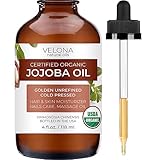
- USDA Certified Organic Jojoba oil: Natural. Cold pressed. Not Diluted, Non-GMO, No Additives, No Fragrance, Chemical Free, Alcohol Free, Hexane Free.
- Deeply hydrates and nourishes, balances oil production.
- Conditions and strengthens hair, adding shine and softness while helping to manage frizz and flakiness.
- Gently removes makeup, leaving skin refreshed and hydrated.
- Strengthens nails, softens cuticles, and helps avoid brittleness and splitting.
Coffee Type and Grind
- What it is: The type of coffee beans used and how finely they are ground.
- What to look for: Finely ground coffee is best for exfoliation. Avoid instant coffee granules as they may dissolve too quickly. Used coffee grounds can also work, provided they are thoroughly dried to prevent mold. A medium to fine grind is ideal; too coarse can be abrasive.
- Common mistake: Using whole beans or very coarse grounds will make the soap too rough and potentially uncomfortable to use. Using wet coffee grounds can introduce excess moisture into the soap, affecting its set and potentially leading to mold.
When selecting your coffee, opt for finely ground beans for the best exfoliating effect. Avoid instant coffee granules as they won’t provide the right texture.

- THE COFFEE YOU DESIRE - illy’s blend of fine Arabica ground coffee with a distinctive flavor, featuring a bold and full-bodied taste with warm notes of cocoa and dried fruit.
- PREPARE COFFEE WITH EASE - Evoke a classic Italian beverage at any time. Coffee is to be freshly prepared and enjoyed immediately. Create the finest coffee experience in the comfort of your home.
- THE FINEST GROUND COFFEE - We select only the 1% of the finest beans, thanks to a devoted collaboration with growers who place maximum importance on quality and sustainability.
- WE BRING THE TASTE OF ITALY TO YOU - We’ve spent eight decades refining a singular, signature blend celebrated over the world as the pinnacle of what espresso coffee can be.
- SUSTAINABILITY IS OUR VISION - We pride ourselves on the constant focus on our environment and the community. We are part of a global movement with a common goal: to pave the way for a better, more liveable and more enlightened world.
Additives and Essential Oils
- What it is: Any other ingredients you might add, such as essential oils for scent or additional skin benefits, or colorants.
- What to look for: If using essential oils, ensure they are skin-safe and diluted appropriately. Popular choices for skin include lavender, rosemary, or peppermint. For scent, consider fragrance oils specifically designed for soap making.
- Common mistake: Using undiluted essential oils can cause skin irritation. Adding too much fragrance or essential oil can also negatively affect the soap’s lather or texture. Always check recommended usage rates.
Equipment Cleanliness
- What it is: Ensuring all tools and containers used for soap making are clean and dry.
- What to look for: A clean workspace and clean equipment prevent contamination and ensure the soap sets properly. This includes measuring cups, stirring utensils, molds, and any double boilers or microwave-safe containers.
- Common mistake: Using dirty equipment can introduce bacteria or unwanted residues into the soap, potentially affecting its shelf life or causing skin issues. Residue from previous projects, especially if not thoroughly cleaned, can alter the final product.
Step-by-Step Coffee Soap Brew Workflow
1. Prepare your workspace: Clear a clean, flat surface. Gather all your ingredients and equipment, including your chosen soap base, finely ground coffee, essential oils (optional), heat-safe containers, stirring tools, and soap molds.
- What “good” looks like: A clean, organized area ready for soap making.
- Common mistake: Working in a cluttered or dirty space.
- How to avoid: Wipe down all surfaces and wash all tools beforehand.
2. Measure and cut soap base: Accurately measure your melt-and-pour soap base and cut it into small, uniform cubes (about 1-inch). This ensures even melting.
- What “good” looks like: Evenly sized cubes that will melt consistently.
- Common mistake: Cutting the base into very large or uneven pieces.
- How to avoid: Use a sharp knife and a ruler for consistent sizing.
3. Melt the soap base: Gently melt the soap base using either a double boiler method or in the microwave at 30-second intervals, stirring in between. Avoid overheating.
- What “good” looks like: A smooth, clear liquid soap base without any signs of boiling or scorching.
- Common mistake: Melting too quickly or at too high a temperature, which can degrade the base and cause it to become cloudy or brittle.
- How to avoid: Melt slowly and stir frequently. If using a microwave, pause and stir often.
4. Add coffee grounds: Once the soap base is fully melted and clear, stir in your finely ground coffee. The amount will depend on your preference for exfoliation and color. A good starting point is 1-2 tablespoons per pound of soap base.
- What “good” looks like: The coffee grounds are evenly dispersed throughout the melted soap.
- Common mistake: Adding coffee to a base that is too hot, which can cause the grounds to sink or clump. Adding too little or too much.
- How to avoid: Let the soap base cool slightly before adding grounds. Start with a recommended ratio and adjust in future batches.
5. Incorporate essential oils (optional): If using, add your skin-safe essential oils or fragrance oils to the melted soap mixture. Stir gently but thoroughly.
- What “good” looks like: The scent is evenly distributed throughout the mixture.
- Common mistake: Adding oils when the soap is too hot, which can cause the scent to evaporate quickly. Using too much or too little.
- How to avoid: Let the soap cool slightly before adding oils. Follow recommended dilution rates for skin-safe oils.
6. Pour into molds: Carefully pour the mixture into your prepared soap molds. Work steadily to ensure the coffee grounds remain suspended.
- What “good” looks like: The soap fills the molds evenly, with grounds distributed throughout.
- Common mistake: Pouring too slowly, allowing the soap to start hardening in the container, leading to uneven distribution of grounds.
- How to avoid: Pour in a steady, continuous stream.
7. Allow to cool and harden: Let the soap sit undisturbed at room temperature for several hours (typically 4-24 hours) until it is completely firm and cool to the touch.
- What “good” looks like: The soap bars are solid and have pulled away slightly from the sides of the mold.
- Common mistake: Trying to unmold the soap too soon.
- How to avoid: Be patient; rushing this step can lead to misshapen bars.
8. Unmold the soap: Once hardened, gently remove the soap bars from their molds.
- What “good” looks like: Clean, intact soap bars.
- Common mistake: Forcing the soap out, which can damage the bars or the molds.
- How to avoid: If using silicone molds, gently push from the bottom. For plastic molds, you might need to flex them slightly.
9. Cure (optional but recommended): For melt-and-pour, curing isn’t strictly necessary for safety, but it helps the soap harden further and last longer. Place the bars on a rack in a well-ventilated area for a few days to a week.
- What “good” looks like: The bars feel harder and less “sweaty.”
- Common mistake: Skipping this step entirely, leading to softer bars that may lather less effectively.
- How to avoid: Even a few days of air drying can improve the bar’s quality.
10. Store properly: Once cured, store your coffee soap bars in a cool, dry place, wrapped in breathable material like parchment paper or in airtight containers to prevent “sweating.”
- What “good” looks like: Soap bars that maintain their shape and scent.
- Common mistake: Storing in humid conditions or directly exposed to air, which can cause them to soften or absorb odors.
- How to avoid: Use a dedicated soap dish and ensure good air circulation.
Common Mistakes (and what happens if you ignore them)
| Mistake | What it causes | Fix |
|---|---|---|
| Using instant coffee granules | Gritty, unpleasant texture; may dissolve and leave residue. | Use finely ground, roasted coffee beans. |
| Using wet coffee grounds | Mold growth in soap; prevents proper hardening; affects texture. | Thoroughly dry used coffee grounds before adding. |
| Overheating the soap base | Scorched smell; cloudy or brittle soap; degraded ingredients. | Melt gently and slowly, stirring frequently. |
| Adding essential oils to very hot soap | Scent evaporates quickly; oils may separate. | Let soap cool slightly before adding oils. |
| Using too coarse coffee grounds | Abrasive texture that can irritate skin. | Opt for a medium to fine grind. |
| Not stirring grounds evenly | Uneven exfoliation; some bars have too many grounds, others too few. | Stir thoroughly and consistently before pouring. |
| Pouring too slowly | Soap begins to set in the container; uneven distribution of grounds in molds. | Pour in a steady, continuous stream. |
| Unmolding too soon | Soap bars deform or break; may be sticky. | Allow soap to cool and harden completely (4-24 hours). |
| Using unapproved essential oils or fragrances | Skin irritation, allergic reactions, or poor scent throw. | Use skin-safe, properly diluted essential oils or soap-specific fragrance oils. |
| Improper storage of finished soap | Soap becomes soft, “sweaty,” or absorbs odors. | Store in a cool, dry place, wrapped or in an airtight container. |
Decision Rules
- If your skin is sensitive, then use a mild, unscented melt-and-pour base and opt for gentle essential oils like lavender, or omit them entirely, because sensitive skin can react to harsher ingredients.
- If you want a stronger exfoliating effect, then increase the amount of finely ground coffee slightly, because more grounds mean more texture.
- If you prefer a milder exfoliation, then use less coffee or a slightly coarser grind, because this will reduce the abrasive feel.
- If you are using used coffee grounds, then ensure they are completely dry, because moisture can lead to mold growth in your soap.
- If you notice the soap base becoming too thick to pour evenly, then gently reheat it for a few seconds, because this will restore its fluidity.
- If you want to add color, then use soap-specific colorants and add them before the coffee grounds, because this ensures even distribution.
- If the coffee grounds seem to be settling too quickly, then stir the mixture more frequently as you pour, because this helps keep them suspended.
- If you are unsure about a specific essential oil’s safety for skin, then research its properties or choose a known skin-safe option, because using the wrong oil can cause adverse reactions.
- If your soap bars are still soft after 24 hours, then let them sit for an additional day or two, because some bases or conditions may require longer hardening times.
- If you want a smoother bar, then strain out some of the larger coffee particles after mixing, because this will reduce the overall grittiness.
FAQ
Does coffee soap actually reduce cellulite?
Coffee soap can help improve the appearance of cellulite temporarily. The caffeine in coffee may act as a diuretic, which can temporarily tighten and firm the skin, making dimples less visible. The exfoliating action also helps to improve circulation and remove dead skin cells, contributing to smoother-looking skin.
Is coffee soap safe for all skin types?
For most people, coffee soap is safe. However, the exfoliating nature of coffee grounds can be too harsh for very sensitive skin. Always perform a patch test on a small area of your skin before using it all over. If you have any skin conditions, consult a dermatologist.
Can I use any kind of coffee?
Finely ground coffee beans are best. You can use fresh or used coffee grounds, but if using used grounds, ensure they are thoroughly dried to prevent mold. Instant coffee granules are generally not recommended as they can dissolve too easily and don’t provide adequate exfoliation.
How often should I use coffee soap?
You can typically use coffee soap daily or a few times a week, depending on your skin’s tolerance and how it feels. If you experience any dryness or irritation, reduce the frequency of use. Pay attention to how your skin reacts.
Will the coffee stain my skin or bathtub?
When properly made with a good soap base, the coffee grounds should rinse away cleanly, leaving no stain on your skin. Similarly, it shouldn’t stain your bathtub or shower. However, if the soap isn’t fully cured or if there’s excessive residue, there’s a small chance of temporary staining, especially on light-colored surfaces.
How long does homemade coffee soap last?
Homemade coffee soap, especially when made with melt-and-pour bases, can last for 6-12 months if stored properly. Keep it in a cool, dry place, away from direct sunlight and humidity. Proper storage helps prevent it from becoming soft or developing mold.
Can I make coffee soap without a mold?
Yes, you can. You can pour the melted soap mixture into a lined loaf pan or a similar rectangular container. Once hardened, you can cut it into bars of your desired size. Ensure the container is clean and lined with parchment paper for easy removal.
What’s the difference between coffee soap and other exfoliating soaps?
Coffee soap offers a natural exfoliant with the added potential benefits of caffeine and antioxidants found in coffee. Other exfoliating soaps might use sugar, salt, or synthetic beads. Coffee soap provides a unique sensory experience with its aroma and texture.
What This Page Does NOT Cover (and Where to Go Next)
- Cold-process soap making: This article focuses on the simpler melt-and-pour method. Cold-process involves working with lye, which requires strict safety precautions and a different set of skills.
- Advanced soap formulations: This guide covers basic coffee soap. More complex recipes might involve adding various oils, butters, or specialized additives for specific skin concerns.
- Scientific efficacy of cellulite reduction: While coffee soap can improve skin appearance, this article does not delve into clinical studies or medical claims regarding the long-term reduction of cellulite.
- Commercial soap making regulations: If you plan to sell your homemade soap, you’ll need to research local regulations, labeling requirements, and ingredient safety standards.