
DIY Coffee Scrub for Smoother Skin
Quick answer
- Use finely ground coffee.
- Mix with a carrier oil like coconut or olive oil.
- Add sugar or salt for extra exfoliation.
- Optional: add essential oils for scent and benefits.
- Store in an airtight container.
- Patch test before full use.
Who this is for
- Anyone looking for a natural, budget-friendly skincare solution.
- Folks who want to try an at-home spa treatment.
- Coffee lovers who want to get more mileage out of their grounds.
What to check first
Brewer type and filter type
This isn’t really about brewing coffee, but if you’re reusing grounds, the type of coffee maker matters. Drip coffee makers with paper filters will give you finer, less oily grounds. French presses yield coarser grounds, which can be good for a more intense scrub. Just make sure your grounds are dry enough to work with.
Water quality and temperature
For a scrub, water quality isn’t a big deal since you’re not drinking it. But make sure your grounds are completely dry before mixing with oils. Wet grounds can lead to mold.
Grind size and coffee freshness
This is key for your DIY scrub. Finely ground coffee works best for smooth exfoliation. Coarser grounds can be a bit harsh. Used coffee grounds are perfect here – no need to brew a fresh pot just for this! Just let them dry out completely.
Coffee-to-water ratio
Again, not for drinking. You’re aiming for a paste-like consistency. Start with your dry grounds and add oil until it feels right. Too much oil makes it greasy; too little and it’s too dry.
Cleanliness/descale status
Make sure your mixing bowls and storage containers are clean. You don’t want any old coffee residue or bacteria getting into your scrub.
Step-by-step (brew workflow)
1. Gather your used coffee grounds.
- What “good” looks like: Dry, loose grounds.
- Common mistake: Using wet grounds. This can lead to mold. Spread them on a baking sheet and let them air dry for a day or two, or gently heat them in a low oven.
2. Measure your dry coffee grounds.
- What “good” looks like: A consistent amount, like 1 cup.
- Common mistake: Guessing the amount. This makes it hard to get the consistency right later.
3. Add your exfoliant (optional).
- What “good” looks like: About half the amount of coffee grounds, like 1/2 cup of sugar or salt. Granulated sugar or fine sea salt are good choices.
- Common mistake: Using too much or too coarse of an exfoliant. This can be too harsh on your skin.
For a gentle yet effective exfoliation, consider using a high-quality granulated sugar. This 5-pound bag of pure cane sugar is perfect for all your DIY scrub needs.
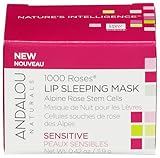
- OVERNIGHT LIP MASK: Andalou Naturals Lip Sleeping Mask is powered by Alpine Rose Stem Cells & Rose Oil to lock in moisture and help nourish dry, chapped lips. Our lip moisturizer helps restore lips’ smoothness and suppleness for softer and plumper lips
- LIP REPAIR FOR DRY CRACKED LIPS: Enriched with fruit extracts & natural emollients to help protect & restore lips, this hydrating lip mask has a luxurious balm-like formula. Improves the appearance of dry, chapped skin, for a smoother, fuller-looking pout
- MOISTURIZING DAILY LIP TREATMENT: Deliver intense hydration while protecting lips from the drying effects of daily activities. Use this antioxidant-rich night lip mask during the day as a lip balm and as an overnight lip treatment to rejuvenate lips
- CLEAN SKINCARE STANDARDS: Andalou Naturals products are always cruelty-free, formulated gluten-free, and free from potentially harmful ingredients such as parabens, phthalates, sulfates SLS & SLES, petrochemicals, GMOs, synthetic colors and dyes, and artificial fragrances
- FRUIT STEM CELL SCIENCE: Every Andalou Naturals product—including masks, creams, serums, moisturizers, cleansers, and toners—use nature's antioxidant defense solution to protect and support healthy skin and hair
4. Choose and measure your carrier oil.
- What “good” looks like: About 1/4 to 1/2 cup of oil per cup of grounds. Coconut oil, olive oil, almond oil, or jojoba oil work well.
- Common mistake: Using the wrong kind of oil or too much. You want a scrub, not a slick.
5. Mix the dry ingredients.
- What “good” looks like: The grounds and sugar/salt are evenly distributed.
- Common mistake: Not mixing enough. This means uneven exfoliation.
6. Slowly add the carrier oil.
- What “good” looks like: Stirring until you get a thick, spreadable paste. It should hold its shape but still be easy to apply.
- Common mistake: Dumping all the oil in at once. You can always add more, but you can’t take it out.
7. Add essential oils (optional).
- What “good” looks like: A few drops (5-10) for scent and added benefits. Lavender, peppermint, or citrus oils are popular.
- Common mistake: Using too many drops. Essential oils are potent and can irritate skin. Always do a patch test!
8. Mix thoroughly.
- What “good” looks like: Everything is well combined into a uniform scrub.
- Common mistake: Not mixing enough. This leads to uneven distribution of oils and scent.
9. Transfer to an airtight container.
- What “good” looks like: A clean jar or container that seals well.
- Common mistake: Using a container that isn’t sealed. This lets air in and can cause the scrub to dry out or go bad.
10. Patch test.
- What “good” looks like: Applying a small amount to your inner arm and waiting 24 hours to check for any reaction.
- Common mistake: Skipping this step. Some people have sensitive skin or reactions to certain oils.
Common mistakes (and what happens if you ignore them)
| Mistake | What it causes | Fix |
|---|---|---|
| Using wet coffee grounds | Mold growth, clumping, and a less effective scrub. | Dry grounds completely before mixing. |
| Using too coarse of grounds/exfoliant | Skin irritation, redness, and micro-tears. | Use finely ground coffee and fine sugar or sea salt. |
| Using too much carrier oil | A greasy, difficult-to-rinse scrub that can clog pores. | Start with less oil and add more until a paste forms. |
| Not drying grounds enough | Can lead to spoilage and a shorter shelf life for your scrub. | Ensure grounds are bone dry before mixing. |
| Using unsealed storage | The scrub can dry out, or moisture can get in, promoting bacteria growth. | Store in an airtight container. |
| Skipping the patch test | Potential skin irritation, redness, or allergic reaction. | Always test on a small area of skin first. |
| Using too much essential oil | Skin irritation, burning, or photosensitivity (especially with citrus oils). | Use only a few drops (5-10 per cup of grounds) and research specific oils for skin safety. |
| Applying to broken or irritated skin | Worsening irritation, stinging, and delayed healing. | Only use on healthy, intact skin. |
| Not rinsing thoroughly | Greasy residue left on the skin. | Rinse well with warm water. |
| Using old or rancid oil | Unpleasant smell and potential skin issues. | Check the expiration date of your carrier oil and store it properly. |
Decision rules (simple if/then)
- If your skin is sensitive, then use a finer grind of coffee and less sugar/salt because coarser particles can cause irritation.
- If you have oily skin, then consider using jojoba oil or grapeseed oil as your carrier oil because they are lighter and less likely to clog pores.
- If you have dry skin, then use a richer oil like olive oil or avocado oil because they provide more moisture.
- If you want a stronger exfoliation, then add a bit more sugar or fine sea salt because they add extra grit.
- If you’re concerned about breakouts, then avoid essential oils with known comedogenic properties and always patch test.
- If you don’t have used grounds, then you can buy finely ground coffee, but make sure it’s not flavored.
- If your scrub feels too dry, then add a little more carrier oil, a tablespoon at a time, until it reaches a paste consistency.
- If your scrub feels too oily, then add a bit more coffee grounds or sugar until it thickens up.
- If you want a spa-like experience, then add a few drops of lavender or chamomile essential oil for a calming scent.
- If you’re making this for a gift, then choose a nice airtight jar and consider adding a cute label.
- If you notice any redness or burning while using the scrub, then rinse it off immediately with cool water.
- If you want to target cellulite, then focus on vigorous scrubbing in circular motions on the affected areas.
FAQ
Can I use fresh coffee grounds?
It’s better to use used grounds. Fresh grounds can be too potent and might stain your skin or shower. Plus, letting them dry out is a key step.
How often can I use a coffee scrub?
For most people, 1-3 times a week is good. Listen to your skin; if it gets irritated, reduce frequency.
Will this actually get rid of cellulite?
Coffee scrubs can temporarily improve the appearance of cellulite by increasing blood flow and exfoliating the skin, making it look smoother. They don’t permanently remove it.
How long does this scrub last?
Stored properly in an airtight container in a cool, dry place, it can last for a few months. Always check for any signs of spoilage before use.
Can I use this on my face?
Generally, no. Facial skin is more delicate. If you want a facial scrub, use very fine grounds and consider a gentler recipe.
What’s the best carrier oil to use?
It depends on your skin type. Coconut oil is popular and moisturizing, olive oil is rich, and jojoba oil is great for oily or acne-prone skin.
Do I need to shower after using it?
Yes, it’s best to use it in the shower and rinse off thoroughly. You might want to use an old towel afterward, as coffee grounds can sometimes stain.
Can I add other ingredients?
Sure! Some people add cinnamon for warmth, cocoa powder for antioxidants, or vitamin E oil for extra skin benefits. Just keep it simple at first.
What this page does NOT cover (and where to go next)
- Specific essential oil blends for different skin concerns. (Research reputable aromatherapy guides.)
- Detailed scientific explanations of how caffeine affects skin. (Look for dermatological or cosmetic science resources.)
- Commercial coffee scrub products and their ingredients. (Check product labels and reviews.)
- Recipes for facial scrubs. (Search for “gentle facial exfoliant recipes.”)
- Advanced DIY skincare formulations. (Consult cosmetic chemistry resources or professionals.)