
Create Natural Coffee Dye for Fabrics
Quick answer
- Brew strong coffee. Use dark roasts for richer color.
- Pre-wash your fabric. This removes sizing and oils.
- Submerge fabric completely in the dye bath.
- Simmer gently for an hour or more. Longer steeping equals deeper color.
- Rinse with cold water until it runs clear.
- Set the dye with a vinegar soak.
- Wash with mild detergent and cold water for future washes.
Who this is for
- Anyone looking for eco-friendly dyeing methods.
- Crafters wanting a natural, earthy aesthetic for their projects.
- DIY enthusiasts who enjoy experimenting with household items.
For those looking for an alternative to natural coffee dye, consider an eco-friendly fabric dye for a wider range of colors and potentially more vibrant results.
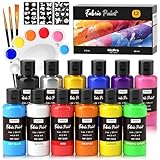
- Nicpro Complete Fabric Paint Kit – All-in-One Creativity Set. Includes 10 vivid classic shades + 2 shimmering metallic colors (1oz each), 3 brushes (Flat, Filbert, Round), 1 mixing palette, 30 stencils and a color wheel instruction sheet. Perfect for beginners or experienced creators to customize T-shirts, tote bags, shoes, cushions, and more
- Smooth, Rich & Blendable Colors - Nicpro high-pigment fabric paint glides on evenly with excellent coverage for cotton, denim, canvas, polyester, and other textiles. The quick-dry, blendable formula allows seamless color mixing without cracking or peeling—ideal for custom clothing, home décor, and handmade gifts
- Permanent & Washer-Safe Designs - Designed for durability, this fabric paint dries quickly into a flexible, waterproof, and fade-resistant layer that stands up to washing and daily use. Your designs stay vibrant wash after wash, making this a must-have in painting kit collections for long-lasting wearable art
- Fun for All Skill Levels & Occasions - Both beginners and skilled artists can freehand their creations. Great for crafts, art classes, hobbies, group painting parties, and DIY fashion projects -turn any fabric surface into a personalized masterpiece
- Safe & Gift-Ready - Nicpro fabric paints meet ASTM D4236 & EN-71 standards for non-toxic, acid-free, safe use. A thoughtful gift for artists, adults, beginners, or anyone who loves to design, decorate, and express their style through color
What to check first
Fabric Type
Natural fibers like cotton, linen, and silk take dye best. Synthetics? Not so much. They’ll likely remain unchanged. Stick to the good stuff.
Mordant (Optional but Recommended)
A mordant helps the dye bind to the fabric. Alum or a vinegar/salt solution are common household options. It’s not strictly necessary for coffee, but it boosts colorfastness.
Coffee Strength and Type
Dark roasts give you the deepest browns. Lighter roasts will produce lighter, more subtle shades. The stronger you brew it, the more concentrated your dye will be.
Water Quality
Filtered water is ideal. Tap water can sometimes have minerals that interfere with dyeing. Keep it simple.
Step-by-step (how to make coffee dye)
1. Gather your supplies. You’ll need fabric, coffee grounds or instant coffee, water, a large pot, a strainer, and a mordant (like vinegar or alum if using).
- What “good” looks like: Everything is ready to go. No last-minute scrambling.
- Common mistake: Forgetting the mordant. You can always add it later, but it’s easier to have it ready.
2. Prepare the fabric. Wash your fabric in hot water with a mild detergent. Rinse thoroughly. This removes any sizing or oils that could prevent even dyeing.
- What “good” looks like: Fabric is clean and damp.
- Common mistake: Not pre-washing. This leads to patchy, uneven color.
3. Prepare the mordant soak (if using). For a simple vinegar mordant, mix 1 part white vinegar with 4 parts water in a separate container. Submerge your fabric and let it soak for about an hour.
- What “good” looks like: Fabric is fully saturated in the mordant solution.
- Common mistake: Using too much vinegar. You don’t need a super strong solution.
4. Brew the coffee dye. Use a generous amount of coffee. For a deep color, aim for about 1 cup of coffee grounds (or 1/4 cup instant coffee) per 2 cups of water. Brew it extra strong, like you would for yourself on a rough morning.
- What “good” looks like: A dark, concentrated liquid.
- Common mistake: Brewing it too weak. You’ll end up with a pale, disappointing color.
5. Strain the coffee. Pour the brewed coffee through a fine-mesh strainer or cheesecloth into your dyeing pot. You want a clear liquid, free of grounds.
- What “good” looks like: Smooth, dark liquid with no visible coffee bits.
- Common mistake: Not straining well. Grounds can stick to your fabric and create spots.
6. Add the fabric to the dye bath. Squeeze out the excess mordant solution from your fabric and carefully place it into the pot with the coffee dye. Ensure the fabric is fully submerged.
- What “good” looks like: Fabric is completely covered by the dye. No dry spots.
- Common mistake: Overcrowding the pot. The fabric needs room to move and absorb color evenly.
7. Heat and simmer. Bring the dye bath to a gentle simmer over medium-low heat. Do not boil. Let it simmer for at least an hour, or even several hours for a deeper shade. Stir occasionally.
- What “good” looks like: Gentle bubbles, consistent heat. Fabric is slowly taking on color.
- Common mistake: Boiling the dye. This can damage natural fibers and make the color less vibrant.
8. Let it cool and steep. Turn off the heat and let the fabric cool completely in the dye bath. For even deeper color, leave it overnight. Patience is key here.
- What “good” looks like: Fabric is submerged and cooling down.
- Common mistake: Rushing the process. The longer it sits, the more color it absorbs.
9. Rinse the fabric. Carefully remove the fabric from the dye bath. Rinse it under cold running water until the water runs clear. This might take a while.
- What “good” looks like: Water runs clear, and you’re not seeing a lot of color washing out.
- Common mistake: Using hot water for rinsing. This can shock the fibers and release dye.
10. Set the dye (optional but recommended). After rinsing, you can do another quick soak in a diluted vinegar solution (1 part vinegar to 10 parts water) for about 15-30 minutes. This helps to set the color further.
- What “good” looks like: Fabric is soaking in the setting solution.
- Common mistake: Skipping this step if you want the color to last.
11. Dry the fabric. Gently squeeze out excess water (don’t wring aggressively). Hang the fabric to air dry, out of direct sunlight.
- What “good” looks like: Fabric is drying evenly, away from harsh sun.
- Common mistake: Drying in direct sunlight. This can fade natural dyes.
12. Wash and care. For the first few washes, wash your dyed fabric separately in cold water with a mild, pH-neutral detergent. After that, you can wash it with similar colors.
- What “good” looks like: You’re treating your dyed item with care.
- Common mistake: Throwing it in with a hot wash and darks immediately.
Common mistakes (and what happens if you ignore them)
| Mistake | What it causes | Fix |
|---|---|---|
| Not pre-washing fabric | Uneven dyeing, splotchy color, oils preventing dye uptake. | Wash fabric thoroughly before dyeing. |
| Using weak coffee | Pale, washed-out color that fades quickly. | Use dark roasts and brew extra strong. |
| Not straining coffee grounds | Coffee grounds sticking to fabric, creating speckled or uneven patterns. | Strain the coffee liquid thoroughly through a fine sieve or cheesecloth. |
| Boiling the dye bath | Damaged fabric fibers, duller color, potential color loss. | Simmer gently; avoid reaching a rolling boil. |
| Overcrowding the dye pot | Uneven dyeing, fabric not fully submerged or able to move freely. | Use a pot large enough for fabric to move freely and be fully submerged. |
| Not letting fabric steep long enough | Lighter color than desired, color fades more easily. | Steep for at least an hour, or overnight for deeper shades. |
| Rinsing with hot water | Color bleeding, potential for dye to release from fibers. | Always rinse with cold water. |
| Skipping the mordant step | Color is less vibrant and fades more quickly with washing and light exposure. | Use a mordant like alum or a vinegar/salt solution for better colorfastness. |
| Drying dyed fabric in direct sunlight | Fading of the natural dye, especially with prolonged exposure. | Air dry in the shade or indoors away from direct sunlight. |
| Washing dyed fabric aggressively | Premature fading, color bleeding onto other items. | Wash separately in cold water with mild detergent for the first few washes. |
| Using synthetic fabrics | Coffee dye will not adhere to synthetic fibers, resulting in no color change. | Stick to natural fibers like cotton, linen, silk, or wool. |
Decision rules (simple if/then)
- If you want a deep, rich brown, then use dark roast coffee grounds because they have more pigment.
- If your fabric is looking a bit dull after dyeing, then try a second dip in a fresh dye bath because sometimes one dip isn’t enough.
- If you’re dyeing a large item, then use a larger pot and more coffee because you need enough dye liquid to cover everything evenly.
- If you notice streaks or patches, then it’s likely because the fabric wasn’t fully submerged or moved freely in the pot because even coverage is key.
- If you want the color to last longer, then use a mordant like alum or a vinegar soak because it helps the dye bind to the fibers.
- If you’re dyeing a delicate fabric like silk, then simmer very gently and avoid over-handling because silk is more fragile.
- If you want a subtle, light brown or tan, then use a lighter roast coffee or a weaker brew because this will yield a less intense color.
- If you’re worried about color bleeding on the first wash, then test a small scrap first because it’s better to know what to expect.
- If your water has a lot of minerals, then consider using filtered water because minerals can sometimes affect dye uptake.
- If you want to achieve a mottled or tie-dye effect, then don’t stir the fabric as much during the dyeing process because uneven exposure creates variations.
- If you want to experiment with different shades, then try using instant coffee versus grounds because they can sometimes produce slightly different results.
FAQ
Can I use any fabric?
No, coffee dye works best on natural fibers like cotton, linen, silk, and wool. Synthetics generally won’t take the dye.
How do I make the color darker?
Brew your coffee extra strong, use dark roasts, and let the fabric soak in the dye bath for a longer period, even overnight.
Will the color wash out?
Some color will likely fade over time, especially with frequent washing or exposure to sunlight. Using a mordant and proper washing techniques helps minimize this.
Can I dye white clothes?
Absolutely! Coffee dye is a great way to give white or light-colored natural fabrics a new, earthy hue.
How much coffee do I need?
For a good, rich color on a few small items, start with at least 1 cup of grounds or 1/4 cup of instant coffee per 2 cups of water. Scale up as needed.
Is coffee dye permanent?
It’s more of a semi-permanent dye. It’s natural and will fade gradually with washes and sun exposure, unlike synthetic dyes.
Can I mix coffee with other natural dyes?
Yes, you can experiment with combining coffee with other natural dye sources like onion skins or avocado pits for unique color blends.
What if I don’t have a mordant?
You can still dye fabric with coffee without a mordant, but the color won’t be as vibrant or as long-lasting.
What this page does NOT cover (and where to go next)
- Specific dye recipes for achieving precise Pantone colors. (Explore advanced natural dyeing guides.)
- The use of synthetic chemical dyes and their application. (Look into commercial fabric dyeing resources.)
- Techniques for dyeing large commercial batches of fabric. (Consult industrial textile dyeing manuals.)
- Detailed information on the chemical reactions of various mordants. (Research textile chemistry resources.)