
Create a Coffee Ground Fire Log
Quick answer
- Save your used coffee grounds.
- Dry them thoroughly.
- Mix with a binder like wax or paper pulp.
- Press into a log shape.
- Let it cure completely.
- Burn for a smoky, aromatic fire.
Who this is for
- Campers and outdoor enthusiasts.
- Anyone looking for an eco-friendly way to dispose of coffee grounds.
- Fire pit owners who enjoy unique scents.
What to check first
Brewer type and filter type
Most brewers work. Drip, French press, even espresso pucks. The key is getting the grounds out. Paper filters can be composted or sometimes incorporated, but dried grounds are the main event.
Water quality and temperature
Not really applicable here. We’re not brewing coffee. We’re using the spent grounds. If you’re using grounds from a home brew, your tap water is probably fine. If you’re making a big batch, maybe consider filtered water just to keep things clean.
Grind size and coffee freshness
Freshness doesn’t matter much for fire logs. Stale grounds are just as good. Grind size also isn’t critical. Finer grounds might pack a bit tighter, but it’s not a deal-breaker. What matters is that they’re used grounds.
Coffee-to-water ratio
Again, not brewing here. You’re just looking for the right moisture content in the grounds before drying. Too wet, and they’ll take forever to dry. Too dry, and they won’t bind well. Aim for damp, not dripping.
Cleanliness/descale status
This is more about your brewer than the fire log itself. Make sure your coffee maker is clean for better-tasting coffee. For the fire log, just ensure your grounds are free of obvious mold or debris.
Step-by-step (how to make a coffee fire log)
1. Collect Used Coffee Grounds.
- What to do: Save your spent coffee grounds from your morning brew.
- What “good” looks like: A decent pile of damp, dark grounds.
- Common mistake: Throwing them out! Start saving them.
2. Dry the Grounds.
- What to do: Spread the grounds thinly on a baking sheet or tray.
- What “good” looks like: The grounds should be crumbly and dry to the touch, not clumpy or wet. This can take a day or two on the counter, or a few hours in a low oven (around 200°F).
- Common mistake: Not drying them enough. This leads to mold and a log that won’t hold together.
3. Prepare Your Binder.
- What to do: Choose your binder. Common options include melted paraffin wax, old candle wax, or a paper pulp (shredded newspaper mixed with water).
- What “good” looks like: A liquid wax or a thick, paste-like paper pulp.
- Common mistake: Using a binder that’s too thin or too thick. Too thin, and it won’t hold; too thick, and it won’t mix well.
If you’re using a paper pulp binder, a good quality newspaper shredder can make preparing your materials much easier and more consistent.
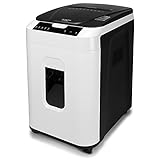
- Automatic shredding feature for optimal efficiency, maximum 200 sheet automatic shredding and 10 sheet manual shredding capacity.Voltage : 120 volts. Frequency : 60 Hz.
- Micro-cut turns paper into tiny confetti-like pieces measuring 5/64 by 15/32 inches (2 by 12 mm); meets high security level P-5 standards; shreds 10X smaller than standard cross-cut shredders. Approximately 2,592 particles per letter size paper
- Nonstop 60-minute continuous run time; Anti-jam Auto-reverse to clear paper jams. Ultra-quiet operation
- Auto Power-Sleep for energy saving and safety
- 8.5-gallon pullout bin with LED indicator lights Standby/ Overheat/ Bin-full/ Overload/ Door open status
4. Mix Grounds and Binder.
- What to do: Combine the dried coffee grounds with your chosen binder. If using wax, stir the grounds into the melted wax until evenly coated. If using paper pulp, mix thoroughly to create a cohesive, moldable mass.
- What “good” looks like: A consistent, slightly sticky mixture that holds its shape when squeezed.
- Common mistake: Not mixing thoroughly. You’ll end up with dry pockets or uneven binding.
5. Form the Logs.
- What to do: Press the mixture firmly into a log shape. You can use a mold (like a paper towel tube lined with plastic wrap) or simply shape them by hand.
- What “good” looks like: Dense, compact logs that feel solid.
- Common mistake: Not packing them tightly enough. Loose logs will crumble.
6. Cure the Logs.
- What to do: Let the logs dry and harden completely. This might take several days to a week, depending on humidity and binder.
- What “good” looks like: Hard, dry logs that don’t feel damp or soft.
- Common mistake: Burning them too soon. They need to be fully cured to burn properly.
7. Burn Your Log.
- What to do: Add your coffee log to your fire pit or fireplace.
- What “good” looks like: A steady burn with a unique, pleasant aroma.
- Common mistake: Expecting a roaring bonfire. These logs are more for ambiance and a smoky scent.
Common mistakes (and what happens if you ignore them)
| Mistake | What it causes | Fix |
|---|---|---|
| Not drying grounds thoroughly | Mold growth, logs won’t hold shape, poor burning | Spread thinly, use low oven heat, ensure they are crumbly. |
| Using wet grounds | Takes forever to dry, can lead to mold | Dry them completely before mixing with binder. |
| Binder too thin/watery | Logs won’t hold together, fall apart | Use a thicker wax or add more paper/water to pulp. |
| Binder too thick/stiff | Hard to mix, uneven coating | Adjust consistency with a bit more binder or water as needed. |
| Not packing logs tightly | Logs crumble easily, burn too fast | Press firmly into molds or by hand to create dense logs. |
| Burning logs before fully cured | Smokes poorly, may not burn evenly, can be messy | Allow several days to a week for logs to harden completely. |
| Using a binder with strong artificial scents | Overpowers coffee aroma, can be unpleasant | Stick to natural waxes or uncolored, unscented candles. |
| Expecting a hot, fast-burning log | Disappointment, fires not as expected | Understand these are for ambiance and scent, not primary fuel. |
| Not storing logs properly | Can absorb moisture, degrade over time | Store in a dry, cool place, ideally in a sealed container. |
| Using grounds with mold already present | Spreads mold, potential health concerns | Discard moldy grounds; start with clean, fresh used grounds. |
Decision rules (simple if/then)
- If your grounds are still clumpy and damp, then dry them more because they won’t bind well otherwise.
- If your wax binder seems too thin, then add more coffee grounds because this will thicken it up.
- If your paper pulp binder is too stiff, then add a little more water because this will make it more pliable.
- If your logs are crumbling after drying, then pack them tighter next time because density is key.
- If you notice a musty smell during drying, then your grounds weren’t dry enough, so spread them thinner and dry longer.
- If your logs are not burning well, then they likely need more curing time because they’re still too moist inside.
- If you want a stronger coffee aroma, then use a more concentrated coffee-to-binder ratio because more grounds mean more scent.
- If you’re using old candle wax, then ensure it’s unscented because strong perfumes can ruin the natural coffee smell.
- If you’re using a paper pulp binder, then use plain newspaper, not glossy inserts, because glossy paper doesn’t break down as well.
- If your logs seem to be smoking too much without much flame, then add a bit more wax binder next time because wax helps with sustained combustion.
FAQ
Can I use any type of coffee grounds?
Yep, grounds from drip, espresso, French press – they all work. Just make sure they’re used and dried out.
How long do these logs last?
They’re not meant for a long burn like a seasoned log. Think of them as an aromatic addition to your fire for an hour or so.
Will my fire smell like coffee?
Yes, it should! The aroma is subtle, not overpowering, like a pleasant whiff of roasting beans.
Is this safe for indoor fireplaces?
Generally, yes, if you’re using natural binders like wax or paper. Just ensure good ventilation and follow standard fireplace safety.
Can I compost the ash?
Coffee ground ash is usually fine for compost. It adds minerals to your soil.
What if I don’t have wax?
Paper pulp is a great alternative. Shredded newspaper mixed with water makes a decent binder.
How do I store my finished logs?
Keep them in a dry place. A sealed container or a dry shelf works best to prevent moisture absorption.
Can I make these with kids?
Yes, it’s a fun project! Just supervise closely when melting wax or handling hot materials.
What this page does NOT cover (and where to go next)
- Detailed chemical analysis of burning coffee grounds.
- Specific instructions for building different types of fire pits.
- Advanced techniques for scent layering with other natural materials.
- Commercial production methods for fire logs.