
Creamy Cold Coffee At Home Using Milk
Quick answer
- Use whole milk for the creamiest texture and richest flavor.
- Combine cold brew concentrate or strong chilled coffee with milk and sweetener.
- Shake or blend vigorously to emulsify the milk and coffee for a smooth, frothy result.
- Adjust the coffee-to-milk ratio to achieve your desired strength and creaminess.
- Sweeten to taste with simple syrup, sugar, or your preferred sweetener.
- Chill all ingredients thoroughly before mixing.
Who this is for
- Anyone craving a refreshing, creamy coffee drink without visiting a cafe.
- Home baristas looking to replicate their favorite iced latte or frappé.
- Those who want to control the ingredients and sweetness of their cold coffee beverages.
What to check first
Brewer type and filter type
The type of coffee brewer you use and its corresponding filter will impact the base coffee you create. A French press or pour-over with a metal filter might yield a richer, more full-bodied coffee with more oils, which can contribute to a creamier final drink when mixed with milk. A paper filter will remove more oils, resulting in a cleaner, lighter-bodied coffee. Ensure your chosen method is producing coffee that suits your preference for the base.
Water quality and temperature
For cold coffee, the quality of your water is as important as for hot coffee. Filtered water will prevent off-flavors from tap water from interfering with the coffee and milk. For cold coffee, the starting temperature of your water matters less for extraction than for hot brewing, but ensuring your brewed coffee is completely chilled is crucial. Over 185°F is generally the ideal hot brewing temperature, but for cold coffee, the goal is simply to brew strong coffee and then cool it rapidly and thoroughly.
Grind size and coffee freshness
The grind size should be appropriate for your brewing method. For example, a coarse grind is typically used for French press, while a medium grind is common for drip coffee makers. Freshly roasted and ground coffee beans will always produce the best flavor. Pre-ground coffee can lose its aroma and taste quickly. If you’re making cold brew, a coarser grind is usually recommended to prevent over-extraction during the long steeping time.
Coffee-to-water ratio
When making a base for cold coffee, you’ll generally want to use a stronger ratio than you would for hot coffee. This is because the milk and ice will dilute the coffee. A common starting point for a strong coffee base is a 1:15 coffee-to-water ratio (e.g., 1 part coffee grounds to 15 parts water). For cold brew concentrate, this ratio can be even stronger, like 1:4 or 1:8, which you then dilute with milk. Experiment to find what tastes best to you.
Cleanliness/descale status
A clean coffee maker and brewing equipment are essential for good-tasting coffee. Coffee oils and residue can build up over time, leading to bitter or stale flavors. Regularly clean your brewer, carafe, and any other components that come into contact with coffee or milk. If you have a machine that requires descaling (like many automatic drip or espresso machines), follow the manufacturer’s instructions to descale it periodically to ensure optimal performance and taste.
Step-by-step (brew workflow)
1. Brew Strong Coffee or Cold Brew Concentrate:
- What to do: Brew your coffee using your preferred method (drip, pour-over, French press, or cold brew maker). Aim for a stronger concentration than you would typically drink hot. For cold brew, steep coarsely ground coffee in cold water for 12-24 hours.
- What “good” looks like: You have a robust coffee liquid that will stand up to milk and ice without tasting watery. For cold brew, it should be syrupy and intensely flavored.
- Common mistake and how to avoid it: Brewing a standard-strength coffee. This will result in a weak, diluted cold coffee. Use more coffee grounds or less water than your usual hot brew recipe.
2. Chill the Coffee Thoroughly:
- What to do: Once brewed, let the coffee cool down to room temperature, then refrigerate it until it’s completely cold. For cold brew concentrate, dilution usually happens when you add milk, so chilling the concentrate is key.
- What “good” looks like: The coffee is cold to the touch, ideally around 40°F (4°C).
- Common mistake and how to avoid it: Adding warm or room-temperature coffee to milk and ice. This will melt the ice too quickly and result in a watery, lukewarm drink. Plan ahead and ensure your coffee is well-chilled.
3. Prepare Your Milk:
- What to do: Select your milk (whole milk is recommended for creaminess) and ensure it is also thoroughly chilled. You can also pre-chill any cream or half-and-half you might add for extra richness.
- What “good” looks like: The milk is cold and ready to be combined.
- Common mistake and how to avoid it: Using milk that is not cold. Similar to the coffee, this will lead to a less refreshing and potentially diluted drink.
4. Sweeten Your Coffee Base (Optional but Recommended):
- What to do: While you can add sweetener later, it’s often easier to incorporate it into the coffee base before mixing with milk, especially if using granulated sugar. Simple syrup dissolves best in cold liquids. You can make simple syrup by heating equal parts sugar and water until the sugar dissolves, then cooling it.
- What “good” looks like: Your coffee base is sweetened to your preference, and the sweetener is fully dissolved.
- Common mistake and how to avoid it: Adding granulated sugar directly to cold coffee or milk. It will likely not dissolve properly, leaving gritty sugar at the bottom. Use simple syrup or ensure granulated sugar is dissolved in a small amount of warm liquid first.
5. Combine Coffee and Milk:
- What to do: In a shaker, blender, or glass, combine your chilled coffee and chilled milk. A good starting ratio for a balanced drink is 1 part coffee to 1 part milk, but adjust based on your strength preference. For cold brew concentrate, start with a 1:1 or 1:2 ratio of concentrate to milk and adjust.
- What “good” looks like: You have a mixture of coffee and milk ready for the next step.
- Common mistake and how to avoid it: Using an unbalanced ratio that makes the drink too strong or too weak. Start with a balanced ratio and taste as you go.
6. Add Ice:
- What to do: Fill your serving glass or shaker with ice. If using a shaker, add ice after combining the liquids.
- What “good” looks like: Your container is filled with ice, ready to chill and dilute the drink to the perfect consistency.
- Common mistake and how to avoid it: Not using enough ice, or using ice that has absorbed odors from the freezer. Use plenty of fresh ice.
7. Shake or Blend:
- What to do: If using a shaker, seal it tightly and shake vigorously for 15-30 seconds until well-chilled and frothy. If using a blender, blend on high for 10-20 seconds until smooth and slightly aerated.
- What “good” looks like: The mixture is cold, well-combined, and has a desirable frothy or smooth texture.
- Common mistake and how to avoid it: Not shaking or blending long enough. This results in a less emulsified drink where the coffee and milk might separate, and it won’t be as cold or frothy.
8. Taste and Adjust Sweetness/Creaminess:
- What to do: Pour a small amount into a spoon and taste. Add more sweetener if needed, or a splash more milk or cream for extra richness. If you want it stronger, you might need to add more chilled coffee or a bit more concentrate.
- What “good” looks like: The drink has the perfect balance of coffee flavor, sweetness, and creaminess.
- Common mistake and how to avoid it: Not tasting and adjusting. Everyone’s preference is different, so tasting is crucial for personalized perfection.
9. Serve:
- What to do: Pour the cold coffee into a chilled serving glass filled with fresh ice. Garnish if desired with whipped cream or a sprinkle of cocoa powder.
- What “good” looks like: A delicious, creamy, and refreshing cold coffee drink ready to be enjoyed.
- Common mistake and how to avoid it: Serving in a warm glass or with old ice. This can quickly warm up your drink and dilute its flavor.
Pour the cold coffee into a chilled serving glass filled with fresh ice. Consider using stylish iced coffee glasses to enhance your presentation.
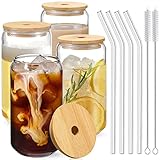
- PRODUCT CONFIGURATION: Drinking glass set includes 4 glass cups [ Diameter - 3 inches, Height - 5.6 inches ],4 nature bamboo lids, 4 reusable glass straws and 2 cleaning brushes, Classic design tumbler
- DURABLE and SAFE: The glasses are made of high-quality durable clear glass, Lead-free and BPA-free. It can be used safely for a long time. This thick clear glass can withstand the sudden changes in the temperature difference between -68°F to 212°F, making them dishwasher safe. If you want to decorate this glass, you can do DIY easily without breakage
- MULTI-PURPOSE: The glassware Great for any Occasion, any hot and cold drinks, home essentials. It is widely loved by families, kitchen, breweries, cafes, bars and restaurants. You can use it to make perfect tea, bubble Pearl Milk Tea, soda, water, iced coffee, smoothie, fruit juice or any other interesting holiday drinks
- AMAZING GIFT: This jar is very fashionable, aesthetic and characteristic. Excellent workmanship. Perfect Gifts for Women, House warming gifts, Tea mug Sets, Highball Glasses, Home Bar Accessories, Birthdays, Graduation, Weddings and Christmas Gifts
- SATISFIED SERVICE: This glass set is packaged in the heavy bubble holder and thick carton box to prevent damage while in transport. If the glass set you received was damaged or imperfect or you are not satisfied, we will offer a satisfactory solution
Common mistakes (and what happens if you ignore them)
| Mistake | What it causes | Fix |
|---|---|---|
| Using warm coffee or milk | Diluted, lukewarm, and unappealing drink; melts ice too quickly. | Chill all ingredients thoroughly before mixing. |
| Brewing standard-strength coffee | Weak, watery taste that is overpowered by milk. | Brew coffee significantly stronger than you would for hot consumption, or use cold brew concentrate. |
| Not dissolving sweetener properly | Gritty texture at the bottom of the drink; uneven sweetness. | Use simple syrup or ensure granulated sugar is fully dissolved in a small amount of warm liquid first. |
| Insufficient shaking or blending | Poor emulsification, potential separation of coffee and milk, less froth. | Shake or blend for at least 15-30 seconds until well-combined and frothy. |
| Using old or dirty brewing equipment | Off-flavors, bitterness, or stale taste in the final cold coffee. | Clean all brewing equipment regularly and descale machines as recommended. |
| Using low-fat milk | Less creamy texture, less rich flavor, and a thinner mouthfeel. | Opt for whole milk or even add a splash of heavy cream for maximum creaminess. |
| Not using enough ice | Drink warms up too quickly and becomes diluted. | Fill your shaker or serving glass generously with ice. |
| Over-extracting cold brew | Bitter, astringent taste that is difficult to mask with milk. | Use a coarser grind for cold brew and avoid steeping for excessively long periods (e.g., over 24 hours). |
| Adding all ingredients at once to a shaker | Inefficient chilling and frothing; can lead to a less smooth texture. | Combine liquids first, then add ice and shake. |
| Not tasting and adjusting | Drink is too sweet, not sweet enough, or has an off balance of flavors. | Always taste and adjust sweetness, creaminess, and coffee strength to your personal preference. |
Decision rules (simple if/then)
- If you want the richest, creamiest texture, then use whole milk because it contains more fat.
- If your coffee tastes weak, then you likely brewed it too weak or used too much milk, so increase the coffee concentrate or decrease the milk next time.
- If your drink is too sweet, then add a splash more unsweetened milk or chilled coffee because this will dilute the sweetness.
- If your drink is not sweet enough, then add more simple syrup or your preferred sweetener because this is the easiest way to adjust sweetness.
- If you prefer a lighter, less rich cold coffee, then use 2% milk or even a dairy-free alternative like almond or oat milk because these have less fat content.
- If you are in a hurry and don’t have time to chill coffee, then make a very strong cold brew concentrate and use it with plenty of ice, as this will dilute more slowly.
- If your cold coffee has a bitter taste, then you may have over-extracted your coffee; try a coarser grind or shorter brew time for your base coffee.
- If you want a thicker, milkshake-like consistency, then blend your cold coffee mixture with ice and milk until smooth, or add a scoop of ice cream.
- If you are sensitive to caffeine, then use decaffeinated coffee or a blend that uses less coffee grounds for your base.
- If you notice separation in your drink, then shake or blend it again more vigorously because this helps to emulsify the fat in the milk with the coffee.
- If you want to add flavor, then incorporate flavored syrups (like vanilla, caramel, or hazelnut) into the sweetening step because they will mix in easily.
- If you want a stronger coffee flavor without more bitterness, then use a cold brew concentrate as your base because it is typically smoother and less acidic.
FAQ
What kind of milk is best for creamy cold coffee?
Whole milk is generally considered the best for achieving a creamy texture due to its higher fat content. However, you can also use half-and-half or even a splash of heavy cream for extra richness.
Can I use regular brewed coffee instead of cold brew?
Yes, you can absolutely use regular brewed coffee. Just make sure it’s brewed strong and chilled thoroughly before mixing with milk and ice to avoid a watery result.
How do I make my cold coffee frothy?
To achieve froth, shake your coffee and milk mixture vigorously in a cocktail shaker with ice, or blend it briefly in a blender. This incorporates air, creating a light, foamy texture.
What’s the best way to sweeten cold coffee?
Simple syrup dissolves best in cold liquids and is highly recommended. If using granulated sugar, it’s best to dissolve it in a small amount of warm water or coffee first before chilling and mixing.
How much coffee should I use for cold coffee?
You’ll want to use a stronger ratio than for hot coffee. A good starting point is a 1:1 ratio of strong coffee to milk, or for cold brew concentrate, a 1:2 or 1:3 ratio of concentrate to milk, adjusting to your taste.
Can I make cold coffee dairy-free?
Yes, you can easily make dairy-free cold coffee by using plant-based milks like almond, oat, soy, or coconut milk. Oat milk often provides a creamier texture similar to dairy.
My cold coffee tastes watery, what did I do wrong?
This usually happens if your coffee wasn’t brewed strong enough, or if it wasn’t chilled sufficiently before mixing with milk and ice. Ensure all components are cold and the coffee base is concentrated.
How long does homemade cold coffee last?
Homemade cold coffee made with milk is best consumed immediately for optimal taste and texture. If you have leftovers, store them in an airtight container in the refrigerator for no more than 1-2 days, but be aware the texture and flavor may change.
What this page does NOT cover (and where to go next)
- Specific recipes for flavored cold coffee drinks (e.g., mocha, caramel macchiato).
- Detailed instructions for advanced brewing methods like espresso-based drinks.
- Comparisons of different types of dairy-free milk alternatives for coffee.
- Information on coffee bean origins and their impact on flavor profiles.