
Creamy Blended Iced Coffee: Easy Homemade Recipes
Quick answer
- Use strong, cold coffee. Brew it extra strong or chill it overnight.
- Blend with ice, milk (or non-dairy alternative), and a sweetener.
- Don’t over-blend; you want it slushy, not watery.
- A high-powered blender makes a big difference for smooth texture.
- Start with a 1:1 ratio of coffee to ice, then adjust.
- Experiment with flavors – vanilla, caramel, or a dash of cinnamon.
A high-powered blender makes a big difference for achieving that perfectly smooth, creamy texture in your blended iced coffee.
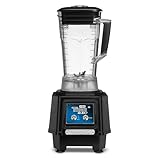
- Blend three 16 oz. margaritas in 8 seconds or less
- High performance, 2 HP, 2-speed motor with 24,000 max RPM
- Durable, stainless steel, user-replaceable drive coupling
- 64 oz., stackable, BPA-free, copolyester jar
- cETLus, NSF
Who this is for
- Anyone craving a cool, creamy coffee treat without hitting the coffee shop.
- Home baristas looking to elevate their iced coffee game beyond just pouring over ice.
- Folks who enjoy a thicker, milkshake-like coffee consistency.
What to check first
This section is about getting the basics right for any coffee brew, which is crucial for a good blended iced coffee base.
Brewer type and filter type
Whatever you use to make your coffee base matters. A drip machine, French press, AeroPress, or pour-over all yield different results. Paper filters catch more oils, giving a cleaner taste. Metal filters let more oils through, adding body.
Water quality and temperature
Good coffee starts with good water. If your tap water tastes off, your coffee will too. Filtered water is usually your best bet. For iced coffee, brewing hot and then chilling is standard, but cold brew is another excellent option for a smoother, less acidic base.
Grind size and coffee freshness
Freshly ground beans are key. For most brewing methods, a medium grind works well. Too fine, and you risk over-extraction and bitterness. Too coarse, and it’ll be weak. Always use beans roasted within the last few weeks for peak flavor.
Coffee-to-water ratio
This is your starting point for strength. A common ratio for hot coffee is 1:15 to 1:18 (coffee to water by weight). For iced coffee, you’ll often want to go stronger, maybe 1:12 or 1:14, because the ice will dilute it.
Cleanliness/descale status
A dirty brewer or old coffee grounds stuck in the filter basket? Nope. That’s a one-way ticket to stale, bitter coffee. Give your equipment a good clean regularly. Descaling your machine (if applicable) is also important for performance and taste.
Step-by-step (brew workflow)
Here’s how to get that perfect blended base. We’re focusing on brewing hot coffee that you’ll then chill.
1. Brew your coffee.
- What to do: Make a pot or single serving of coffee using your preferred method. Aim for a stronger brew than you normally would.
- What “good” looks like: A rich, aromatic coffee. If you’re using a drip machine, ensure the basket is clean and the filter is properly seated.
- Common mistake: Using weak coffee. This will result in a watery, flavorless blended drink.
- Avoid it by: Increasing your coffee grounds by 10-20% or using a finer grind.
If you’re making iced coffee regularly, consider an iced coffee maker for effortless brewing directly over ice, ensuring a strong, chilled base every time.

- BREW BY THE CUP OR CARAFE: Brews both K-Cup pods and coffee grounds.
- MULTISTREAM TECHNOLOGY: Saturates the grounds evenly to extract full flavor and aroma in every cup, hot or cold.
- BREW OVER ICE: Adjusts temperature for maximum flavor and less ice melt for single-cup iced coffees and teas.
- STRONG BREW & EXTRA HOT FUNCTIONALITY: Brews a stronger, more intense-flavored cup and the extra hot feature brews a hotter single cup.
- MULTIPLE BREW SIZES: Brew 6, 8, 10, or 12oz single cups or 6, 8, 10, or 12-cup carafes. 12-cup glass carafe specially designed to limit dripping.
2. Chill the coffee.
- What to do: Pour the hot coffee into a heat-safe container and let it cool to room temperature, then refrigerate. For faster chilling, pour into a metal pitcher and place in an ice bath.
- What “good” looks like: Cold, concentrated coffee. Overnight chilling is ideal for maximum coldness and flavor development.
- Common mistake: Putting hot coffee directly into the fridge. This can raise the fridge temperature and potentially impact food safety.
- Avoid it by: Letting it cool on the counter first, or using an ice bath.
3. Gather your ingredients.
- What to do: Get your chilled coffee, ice, milk (or alternative), and sweetener ready.
- What “good” looks like: Everything within easy reach of your blender.
- Common mistake: Forgetting an ingredient. You don’t want to be searching mid-blend.
- Avoid it by: Laying everything out before you start.
4. Add liquids to the blender.
- What to do: Pour your chilled, strong coffee into the blender. Then add your milk or dairy-free alternative.
- What “good” looks like: A good starting liquid base. For a standard 16oz drink, try about 1 cup of coffee and 1/2 cup of milk.
- Common mistake: Adding ice first. Liquids help the blender blades get going smoothly.
- Avoid it by: Always adding liquids before solids.
5. Add sweetener (optional).
- What to do: Stir in your preferred sweetener – simple syrup, granulated sugar, honey, or a sugar-free option.
- What “good” looks like: Sweetener fully dissolved. Simple syrup blends best.
- Common mistake: Using granulated sugar that doesn’t dissolve well. This can lead to gritty texture.
- Avoid it by: Using simple syrup (equal parts sugar and hot water, stirred until dissolved, then cooled) or ensuring your sugar is finely ground.
6. Add flavorings (optional).
- What to do: This is where you get creative! Add vanilla extract, caramel sauce, cocoa powder, or a pinch of cinnamon.
- What “good” looks like: Your chosen flavorings are ready to go.
- Common mistake: Overdoing it with flavorings. Start small.
- Avoid it by: Adding a little at a time and tasting as you go.
7. Add ice.
- What to do: Fill the blender with ice. For a thick drink, aim for a 1:1 ratio of coffee to ice by volume, or slightly more ice.
- What “good” looks like: A full blender of ice, ready to be pulverized.
- Common mistake: Not enough ice. This leads to a thin, watery drink.
- Avoid it by: Packing the ice in. You can always add more if needed.
8. Blend on low, then increase speed.
- What to do: Start the blender on a low setting to break up the ice, then gradually increase to high speed.
- What “good” looks like: A thick, slushy consistency. The ice should be finely crushed and incorporated.
- Common mistake: Blending too long. This melts the ice and makes the drink watery.
- Avoid it by: Blending only until the desired texture is reached, usually 30-60 seconds.
9. Check consistency and adjust.
- What to do: If it’s too thick, add a splash more coffee or milk. If it’s too thin, add more ice. Blend briefly to combine.
- What “good” looks like: Your perfect drink consistency.
- Common mistake: Not tasting or checking. You might end up with something you don’t love.
- Avoid it by: Stopping the blender, giving it a quick taste with a spoon, and making adjustments.
10. Pour and serve.
- What to do: Pour your blended iced coffee into a tall glass.
- What “good” looks like: A frosty, delicious-looking drink.
- Common mistake: Not serving immediately. It will start to melt.
- Avoid it by: Having your glass ready and pouring right after blending.
Common mistakes (and what happens if you ignore them)
| Mistake | What it causes | Fix |
|---|---|---|
| Using weak, watery coffee base | A bland, thin, disappointing blended drink | Brew coffee extra strong or use cold brew concentrate. |
| Adding hot coffee directly to blender | Melts ice too fast, results in a watery drink | Chill coffee thoroughly before blending. |
| Not enough ice | A thin, slushy drink that melts too quickly | Use a 1:1 or higher ratio of ice to liquid. |
| Over-blending | Melts ice, makes the drink watery and loses texture | Blend only until just combined and slushy; don’t run the blender continuously for too long. |
| Using granulated sugar | Gritty texture, sugar doesn’t fully dissolve | Use simple syrup or a liquid sweetener. If using granulated, ensure it’s very fine. |
| Not cleaning the blender between uses | Off-flavors, stale coffee taste | Rinse the blender immediately after use and wash thoroughly regularly. |
| Using old, stale coffee beans | Dull, flat, or bitter flavor | Use freshly roasted beans and grind them just before brewing. |
| Incorrect coffee-to-water ratio | Weak or overly bitter coffee base | Start with a ratio around 1:12 for a strong base, adjust to taste. |
| Using tap water with off-flavors | Affects the overall taste of the coffee | Use filtered or bottled water for a cleaner, purer coffee flavor. |
| Not chilling coffee enough | Melts ice, dilutes the drink | Ensure coffee is completely cold before blending; overnight is best. |
Decision rules (simple if/then)
- If your blended coffee tastes too weak, then add more coffee concentrate or ice because dilution is the enemy.
- If your blended coffee is too watery, then add more ice and blend briefly because you need to re-thicken it.
- If your blended coffee has a gritty texture, then use simple syrup next time because granulated sugar doesn’t dissolve well in cold liquids.
- If your blended coffee tastes bitter, then try a lighter roast or a different brewing method for your base because over-extraction can cause bitterness.
- If your blended coffee is too thick to blend, then add a splash more milk or coffee because the blades need a little liquid to move freely.
- If you want a smoother texture, then use a high-powered blender because they break down ice more effectively.
- If you’re using a standard blender and it’s struggling, then add the ice gradually and pulse rather than holding the blend button because this prevents motor strain.
- If your blended coffee isn’t sweet enough, then add more sweetener and blend briefly because you can always add more.
- If your blended coffee has an unpleasant aftertaste, then check the freshness of your coffee beans and the cleanliness of your equipment because these are common culprits.
- If you prefer a less acidic coffee base, then consider using cold brew concentrate for your blended drink because cold brew is naturally less acidic.
FAQ
Q: Can I use leftover brewed coffee?
A: Absolutely. Just make sure it’s chilled completely before blending. Leftover coffee that’s been sitting out too long might not have the best flavor, though.
Q: What kind of milk works best?
A: Whole milk gives a rich, creamy texture. But any milk – skim, almond, oat, soy – will work. Oat milk is particularly creamy and popular.
Q: How much sweetener should I use?
A: This is totally up to your taste. Start with about 1-2 tablespoons of simple syrup for a 16oz drink and adjust from there.
Q: Can I make this without a blender?
A: It’s tough to get that creamy, blended texture without one. You could shake strong, chilled coffee with ice and milk vigorously in a sealed container, but it won’t be as smooth.
Q: What if I don’t have strong coffee?
A: You can brew regular coffee stronger by using more grounds or a finer grind. Or, make a cold brew concentrate ahead of time – it’s perfect for this.
Q: How do I get a really thick, milkshake-like consistency?
A: Use a higher ratio of ice to liquid, and make sure your coffee base is very cold and concentrated. A high-powered blender helps too.
Q: Can I add protein powder or other supplements?
A: Yes, you can! Add them along with your liquids before blending. Some powders might affect the texture, so experiment.
Q: What’s the best way to store blended iced coffee?
A: Honestly, it’s best enjoyed immediately. It will separate and melt if stored for too long.
What this page does NOT cover (and where to go next)
- Detailed recipes for specific coffee drinks (e.g., mocha, caramel macchiato).
- Advanced cold brew techniques for concentrate.
- Troubleshooting for specific blender models.
- The science of coffee extraction and roast profiles.
- Comparisons of different milk alternatives’ flavor profiles.
- Espresso-based blended drinks (like Frappuccinos) using an espresso machine.