
Crafting Refreshing Cold Coffee At Home
Quick answer
- Use a coarse grind for cold brew.
- Always use fresh, quality coffee beans.
- Filter your water for a cleaner taste.
- Aim for a 1:8 coffee to water ratio for cold brew.
- Patience is key – cold brew takes 12-24 hours.
- Always chill your coffee before serving.
Who this is for
- Anyone craving a smooth, less acidic coffee drink.
- Home baristas looking to expand their brewing repertoire.
- Those who prefer iced coffee but want to avoid watery results.
What to check first
Brewer type and filter type
For cold coffee, you’re mostly looking at immersion brewers or specific cold brew makers. Think French presses, mason jars, or dedicated cold brew towers. The filter is crucial here – paper filters can clog easily with cold brew grounds, so metal mesh or cloth filters are usually the way to go.
Water quality and temperature
Tap water can have off-flavors that mess with your coffee. Filtered water is your friend. For cold coffee, the water starts cold, obviously. No need to heat it up at all. That’s the whole point.
Grind size and coffee freshness
This is huge for cold brew. You want a coarse grind, like breadcrumbs. Too fine, and you’ll get sludge and over-extraction. Freshly roasted beans make a difference, too. Stale coffee tastes… well, stale, especially when it’s cold. Aim for beans roasted within the last month.
Freshly roasted beans make a difference, too. Stale coffee tastes… well, stale, especially when it’s cold. For the best results, consider using high-quality, freshly roasted coffee beans like these.
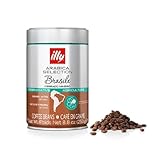
- Explore the individual taste and distinct aroma of each single origin Arabica coffee, found in the legendary illy blend, each highlighting the singular style, culture and flavor of these distinctive geographic region
- Carefully selected and meticulously roasted, illy coffee beans invoke a sensual beauty and poetry in the passionate coffee lover.
- Our unique pressurized coffee packaging preserves the flavor and complexity of the illy blend while enhancing the coffee’s aroma and ensuring optimal freshness.
- Each pressurized can contains 8.8oz of Whole Bean MonoArabica Brazil Single Origin Coffee.
- If you are not completely satisfied with your illy purchase, we will refund your order. No questions asked.
Coffee-to-water ratio
This is where you can really dial it in. A common starting point for cold brew is 1:8 by weight. That means 1 gram of coffee to 8 grams of water. For a typical 32 oz batch, that’s about 4 oz of coffee beans. Adjust to your taste, but this gives you a good concentrate.
Cleanliness/descale status
Your brewer needs to be clean. Any old coffee oils will make your new batch taste bitter or rancid. If you’ve got a machine that uses heating elements, make sure it’s descaled according to the manufacturer’s instructions.
Step-by-step (brew workflow)
1. Measure your beans. Get your whole beans ready. A kitchen scale is your best friend here for consistency.
- Good looks like: Having the exact amount of beans you need.
- Common mistake: Guessing by volume. This leads to inconsistent brews. Use a scale.
2. Grind your coffee. Grind the beans to a coarse consistency, like coarse sea salt or breadcrumbs.
- Good looks like: Uniform, large particles. No fine dust.
- Common mistake: Using a blade grinder on a fine setting. This creates too much sediment. Use a burr grinder set to coarse.
3. Combine coffee and water. Place the coarse grounds in your brewer. Add cold, filtered water. Stir gently to ensure all grounds are saturated.
- Good looks like: All the coffee grounds are wet and submerged. No dry pockets.
- Common mistake: Not stirring enough. This leaves dry spots and leads to uneven extraction. Give it a gentle stir.
4. Steep the coffee. Cover the brewer and let it steep at room temperature or in the fridge.
- Good looks like: The coffee is steeping undisturbed.
- Common mistake: Agitating it too much during steeping. This can lead to over-extraction. Just let it sit.
5. Wait for extraction. This is the patient part. Cold brew typically needs 12 to 24 hours. Longer steeping means a stronger concentrate.
- Good looks like: You’ve waited the full time and can smell the coffee aroma.
- Common mistake: Rushing the process. You won’t get full flavor extraction. Stick to the time.
6. Filter the coffee. Slowly pour the steeped coffee through a fine-mesh sieve, cheesecloth, or paper filter. Double-filtering can help if you want it super clean.
- Good looks like: A clear liquid with minimal sediment.
- Common mistake: Pouring too fast. This can force sediment through the filter. Go slow and steady.
7. Dilute if necessary. Your cold brew concentrate might be strong. Dilute it with water or milk to your desired strength. A 1:1 ratio of concentrate to water/milk is a good starting point.
- Good looks like: A drink that tastes just right to you.
- Common mistake: Drinking the concentrate straight. It’s usually too intense. Dilute it.
8. Chill and serve. Pour over ice. Add your favorite milk, cream, or sweetener if you like.
- Good looks like: A refreshing, cold drink ready to enjoy.
- Common mistake: Serving it warm. You brewed it cold, so keep it cold.
Common mistakes (and what happens if you ignore them)
| Mistake | What it causes | Fix |
|---|---|---|
| Using finely ground coffee | Bitter, muddy coffee; clogs filters | Use a coarse grind (like breadcrumbs). |
| Using stale coffee beans | Flat, weak, or off-flavors | Use freshly roasted beans (within 1-2 months of roast date). |
| Not filtering water | Off-flavors from chlorine or minerals | Use filtered or bottled water. |
| Not stirring grounds initially | Uneven extraction, weak spots | Stir gently to saturate all grounds after adding water. |
| Steeping for too short a time | Weak, underdeveloped flavor | Steep for at least 12 hours, up to 24 hours. |
| Steeping for too long a time | Bitter, overly extracted, metallic taste | Stick to the 12-24 hour window. Taste and adjust next time. |
| Not cleaning the brewer | Rancid oils, bitter taste | Clean your brewer thoroughly after each use. |
| Pouring too fast when filtering | Sediment in your final cup | Pour slowly and let gravity do the work. |
| Not diluting the concentrate | Overpowering, intense flavor | Dilute with water or milk to your preferred strength. |
| Serving it warm | Defeats the purpose of cold coffee | Always serve over plenty of ice. |
Decision rules (simple if/then)
- If your cold brew tastes bitter, then you likely used too fine a grind or steeped too long, because these lead to over-extraction.
- If your cold brew tastes weak, then you might need to increase your coffee-to-water ratio or steep for a bit longer, because it needs more contact time for flavor.
- If your filtered coffee still has sediment, then you may need a finer filter or to pour more slowly, because rapid pouring can push particles through.
- If your cold brew concentrate is too acidic, then you’re probably using hot water by mistake, because cold water extracts less acid.
- If your coffee tastes like cardboard, then your beans are likely stale, because freshness is key for good flavor.
- If you’re using a French press, then ensure you press the plunger slowly to avoid stirring up sediment, because a quick press can reintroduce fines.
- If you want a stronger flavor without more caffeine, then try steeping for the full 24 hours, because longer contact time extracts more solubles.
- If your cold brew has an odd metallic taste, then check your water quality or the cleanliness of your equipment, because impurities can cause off-flavors.
- If you’re making a large batch, then consider using a dedicated cold brew maker for easier filtering, because they are designed for this purpose.
- If you prefer a smoother mouthfeel, then double-filtering your cold brew can help, because it removes more of the fine particles.
FAQ
How long does cold brew coffee last?
Your cold brew concentrate should be good in the fridge for about 7 to 10 days. Always store it in an airtight container.
Can I use any type of coffee bean?
While you can use any bean, medium to dark roasts tend to perform best for cold brew, offering richer, bolder flavors. Light roasts might be a bit too subtle.
Why is my cold brew cloudy?
Cloudiness usually comes from too fine a grind or sediment that passed through the filter. Ensure a coarse grind and filter slowly.
How much caffeine is in cold brew?
Cold brew generally has more caffeine than hot coffee due to the higher coffee-to-water ratio and longer steep time. However, the exact amount varies.
Can I reheat cold brew?
You can, but it kind of defeats the purpose of cold coffee. If you must, do it gently to avoid scorching the flavor.
What’s the difference between cold brew and iced coffee?
Iced coffee is typically brewed hot and then chilled, often leading to dilution. Cold brew is brewed cold, resulting in a smoother, less acidic concentrate that holds up better to ice.
Do I need a special cold brew maker?
Not necessarily. A French press, mason jar, or even a pitcher with a fine-mesh strainer can work perfectly well.
How can I make cold brew stronger?
To make it stronger, use more coffee grounds for the same amount of water, or steep for the maximum recommended time (around 24 hours).
What this page does NOT cover (and where to go next)
- Specific recipes for flavored cold coffee drinks.
- Detailed comparisons of different cold brew maker brands.
- Advanced techniques like nitro cold brew infusion.
- Troubleshooting issues with specific types of coffee machines beyond basic brewing principles.