
Common Causes of Stomach Pain From Black Coffee
Quick answer
- Acidity in coffee can irritate sensitive stomachs, especially on an empty stomach.
- Brewing methods that extract more bitter compounds or fine particles can worsen discomfort.
- The caffeine content itself can stimulate digestion, leading to cramps or upset.
- Certain coffee bean varieties or roasts may naturally be more acidic or irritating.
- Underlying digestive issues can be exacerbated by coffee consumption.
- Improper coffee storage or old coffee might contribute to stomach upset.
What this problem usually is (and is not)
- This problem is often related to the natural characteristics of coffee and how your body reacts to them.
- It is commonly a sign of sensitivity to acidity, caffeine, or other compounds in coffee.
- It is not typically a sign of food poisoning if you are the only one experiencing symptoms and only after coffee.
- It is not usually an indication of a spoiled coffee bean, unless there are clear signs of mold or off-smells.
- It is not a direct cause of ulcers, though it can exacerbate existing conditions.
- It is not a problem with your coffee maker unless it’s excessively dirty or malfunctioning, leading to poor extraction.
Likely causes (triage list)
- Coffee Acidity: High acid levels in coffee can irritate the stomach lining. To confirm, try a low-acid coffee variety or cold brew, which typically has lower acidity.
- Caffeine Sensitivity: Caffeine can stimulate the digestive system, leading to cramps or diarrhea. Confirm by switching to decaffeinated coffee and observing your symptoms.
- Brewing Method: Over-extraction or using certain brew methods (like French press with fine sediment) can introduce more irritating compounds. Check if switching to a pour-over with a paper filter helps.
- Grind Size: Too fine a grind can lead to over-extraction and more sediment in your cup. Observe your used coffee grounds; they should resemble coarse sand for drip, or finer for espresso.
- Coffee Bean Type/Roast: Some beans (e.g., light roasts, Arabica) are naturally more acidic than others (e.g., dark roasts, Robusta). Try a darker roast or a different bean origin.
- Empty Stomach: Drinking coffee on an empty stomach can intensify its effects on digestion. Confirm by eating a light meal before your morning coffee.
- Water Quality: Poor water quality can affect coffee taste and potentially extraction. Try brewing with filtered water to see if there’s a difference.
- Coffee-to-Water Ratio: Too much coffee for the amount of water can result in an overly strong, potentially irritating brew. Use a scale to measure your coffee and water accurately.
- Machine Cleanliness: Residue and old coffee oils in your brewer can impart off-flavors and potentially affect your stomach. Check your machine for visible grime and clean it thoroughly.
- Underlying Health Conditions: Conditions like GERD, IBS, or acid reflux can be triggered or worsened by coffee. Consult a healthcare professional if you suspect this.
If you suspect caffeine is the culprit, try switching to decaffeinated coffee to see if your symptoms improve.
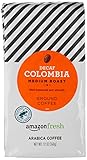
- Balanced, full-bodied medium roast with a smooth finish
- One 12-ounce bag of ground coffee
- Decaffeinated
- 100% Arabica coffee grown in Colombia
- Roasted and packed in the U.S.A.
Fix it step-by-step (brew workflow)
1. Choose the right coffee bean: Select a darker roast or a coffee specifically labeled as low-acid.
- What “good” looks like: A coffee that tastes less sharp and doesn’t immediately cause discomfort.
- Common mistake: Assuming all coffee is the same. Avoid: Sticking to highly acidic light roasts if you experience stomach pain.
2. Use filtered water: Start with fresh, filtered water that is free of impurities.
- What “good” looks like: Water that tastes clean and neutral on its own.
- Common mistake: Using tap water directly. Avoid: Chlorine and other chemicals in tap water can negatively affect taste and potentially extraction.
3. Measure coffee accurately: Use a kitchen scale to measure your coffee beans, typically 1:15 to 1:18 coffee-to-water ratio by weight.
- What “good” looks like: A consistent, balanced brew that isn’t too strong or too weak.
- Common mistake: Scooping coffee by volume. Avoid: Inconsistent strength and potential over-extraction from too much coffee.
4. Grind fresh and correctly: Grind your coffee beans just before brewing to the appropriate size for your brewer (e.g., medium for drip, coarse for French press).
- What “good” looks like: Uniform grounds that resemble coarse sand for drip, or sea salt for French press.
- Common mistake: Using pre-ground coffee or an inconsistent grinder. Avoid: Stale coffee and uneven extraction leading to bitterness.
5. Pre-wet your filter (if applicable): Rinse paper filters with hot water to remove paper taste and pre-heat your brewing vessel.
- What “good” looks like: No papery taste in your final cup and a warm brewing environment.
- Common mistake: Skipping this step. Avoid: Undesirable paper flavors in your coffee.
6. Brew at the correct temperature: Aim for water between 195°F and 205°F for optimal extraction.
- What “good” looks like: A balanced extraction of flavors without bitterness or sourness.
- Common mistake: Using boiling water or water that’s too cool. Avoid: Over-extraction (too hot) or under-extraction (too cool).
7. Monitor brew time: Follow recommended brew times for your method (e.g., 3-5 minutes for drip, 4 minutes for French press).
- What “good” looks like: A full-bodied, flavorful cup without excessive bitterness.
- Common mistake: Letting coffee sit too long in contact with grounds. Avoid: Over-extraction and a harsh taste.
8. Consider adding milk or creamer: If acidity is the issue, milk or cream can help buffer it.
- What “good” looks like: A smoother taste that’s less irritating to your stomach.
- Common mistake: Assuming black coffee is the only option. Avoid: Unnecessary stomach upset if dairy or alternatives help.
9. Eat something beforehand: Avoid drinking black coffee on an empty stomach.
- What “good” looks like: A gentler introduction of coffee to your digestive system.
- Common mistake: Drinking coffee first thing in the morning without food. Avoid: Increased stomach irritation and acid production.
10. Clean your coffee maker regularly: Descale and clean all removable parts according to the manufacturer’s instructions.
- What “good” looks like: A clean machine that brews fresh-tasting coffee without old residue.
- Common mistake: Neglecting regular cleaning. Avoid: Bitter-tasting coffee and potential bacterial buildup.
Prevent it next time
- Regular Cleaning & Descaling: Clean your coffee maker after every use and descale every 1-3 months, depending on water hardness.
- Water Quality & Storage: Always use fresh, filtered water. Store coffee beans in an airtight container in a cool, dark place.
- Correct Ratio & Grind: Use a kitchen scale for precise coffee-to-water ratios. Grind beans just before brewing to the correct size for your method.
- Proper Filter Use: Always use the correct type and size of filter for your brewer. Rinse paper filters before brewing.
- Consider Roast & Bean Type: Experiment with darker roasts or low-acid coffee varieties if stomach sensitivity is a concern.
- Avoid Empty Stomach Coffee: Consume a light meal or snack before drinking coffee to buffer its effects.
- Monitor Brew Temperature: Ensure your coffee maker brews at the optimal temperature range (195-205°F).
- Don’t Over-Extract: Stick to recommended brew times to avoid bitterness and over-extraction of irritating compounds.
Common mistakes (and what happens if you ignore them)
| Mistake | What it causes | Fix |
|---|---|---|
| Drinking black coffee on an empty stomach | Increased stomach acid, heartburn, cramps, nausea. | Eat a light snack or meal before your coffee. |
| Using overly fine grind for drip/French press | Over-extraction, bitterness, excessive sediment, stomach upset. | Adjust grinder to a coarser setting; grounds should resemble coarse sand for drip, sea salt for French press. |
| Using very light roast beans | Higher acidity, potential for more stomach irritation. | Try a medium or dark roast, or a low-acid variety. |
| Not cleaning your coffee maker regularly | Bitter taste, bacterial buildup, off-flavors, potential stomach upset. | Clean all parts after each use; descale every 1-3 months. |
| Using unfiltered tap water | Off-flavors, mineral buildup in machine, inconsistent extraction. | Use filtered water for brewing. |
| Over-extracting coffee (too long brew time) | Bitter, harsh taste, increased irritating compounds. | Reduce brew time; ensure correct grind size for method. |
| Using too much coffee for the water ratio | Overly strong, bitter, potentially irritating brew. | Use a kitchen scale for precise coffee-to-water ratios (e.g., 1:16). |
| Brewing with water that’s too hot | Scorching the coffee, leading to bitterness and increased acidity. | Ensure water temperature is between 195-205°F. |
| Storing coffee improperly (e.g., open bag) | Stale coffee, loss of flavor, potentially more irritating. | Store beans in an airtight container in a cool, dark place. |
| Not rinsing paper filters | Papery taste in coffee, which can be perceived as an off-flavor. | Always rinse paper filters with hot water before adding grounds. |
Decision rules (simple if/then)
- If your stomach hurts immediately after drinking black coffee, then try eating a small meal beforehand because an empty stomach can intensify coffee’s effects.
- If your coffee tastes unusually bitter, then check your grind size and brew time because over-extraction can lead to bitterness and stomach irritation.
- If you consistently experience stomach pain with your usual black coffee, then switch to a darker roast or a low-acid variety because these often have less acidity.
- If you notice sediment in your cup, then use a coarser grind or a different filter type (e.g., paper filter) because fine particles can irritate your digestive system.
- If decaf coffee doesn’t cause stomach pain, then your sensitivity might be related to caffeine because caffeine stimulates the digestive tract.
- If adding milk or creamer reduces your stomach discomfort, then acidity is likely a factor because dairy or alternatives can help buffer coffee’s acidity.
- If your coffee maker looks dirty or has scale buildup, then clean and descale it thoroughly because old residue can affect taste and potentially cause upset.
- If you’ve tried all brewing adjustments and still have stomach pain, then consult a healthcare professional because there might be an underlying digestive issue.
- If your coffee tastes flat or off, then check your water quality because impurities can negatively impact flavor and extraction.
FAQ
Q: Can old coffee cause stomach pain?
A: While old coffee primarily loses flavor and can taste stale, it’s unlikely to directly cause stomach pain unless it’s gone bad (e.g., moldy). However, the compounds in stale coffee might be perceived differently and could contribute to general discomfort for sensitive individuals.
Q: Is cold brew better for stomach pain?
A: Many people find cold brew to be less acidic and gentler on the stomach. The cold brewing process extracts fewer acidic compounds, resulting in a smoother, naturally sweeter concentrate.
Q: Does adding milk or sugar help with stomach pain from black coffee?
A: Yes, adding milk or a non-dairy creamer can help buffer the acidity of coffee, which might reduce stomach irritation. Sugar itself doesn’t reduce acidity, but it can mask bitter flavors that some find unpleasant.
Q: What kind of coffee beans are best for a sensitive stomach?
A: Darker roasts are generally less acidic than lighter roasts. Some coffee varieties, like certain Indonesian or Brazilian beans, are also known for lower acidity. Looking for “low-acid” labels can also be helpful.
Q: How much caffeine is too much if I have stomach issues?
A: This varies greatly by individual. If you suspect caffeine is the issue, try reducing your intake gradually or switching to decaffeinated coffee to see if symptoms improve.
Q: Can brewing method impact stomach pain?
A: Absolutely. Methods like French press, which allow fine sediment into the cup, or over-extracted drip coffee can be more irritating. Pour-over with a paper filter tends to produce a cleaner cup with less sediment.
What this page does NOT cover (and where to go next)
- Specific medical advice for chronic digestive conditions or illnesses. Consult a healthcare professional for personalized guidance.
- Detailed reviews of specific coffee maker brands or models.
- Advanced coffee brewing techniques beyond basic troubleshooting.
- The chemical composition of coffee and its effects on the body in detail.
- How to grow or roast your own coffee beans.