
Commercial Bunn Coffee Maker Cleaning Guide
Quick answer
- Daily: Rinse brew basket, wipe down exterior.
- Weekly: Descale with Bunn-specific solution.
- Monthly: Clean brew basket thoroughly, check spray head.
- Regularly: Run a clean water cycle.
- Always: Use filtered water for better taste and less buildup.
- Don’t forget: Clean the warming plate too.
Who this is for
- Busy cafe owners who need their Bunn to run smoothly.
- Restaurant managers looking to maintain coffee quality and equipment lifespan.
- Anyone responsible for a commercial Bunn coffee maker in a high-volume setting.
What to check first
Brewer type and filter type
Most commercial Bunn brewers use paper filters. Make sure you’re using the right size and type specified for your model. Using the wrong filter can lead to overflow or poor extraction. Some older or specialized models might have different systems, so check your manual if you’re unsure.
Water quality and temperature
This is huge. Hard water means mineral buildup, which is the enemy of any coffee maker, especially commercial ones. If your tap water is hard, invest in a good water filter. Bunn brewers are designed to heat water to a specific temperature for optimal brewing. If your water isn’t clean, it affects taste and can clog the machine.
Grind size and coffee freshness
For drip brewers like most commercial Bunns, a medium grind is usually best. Too fine, and you’ll get over-extraction and bitter coffee. Too coarse, and it’ll be weak. Always use fresh, whole beans and grind them just before brewing. Pre-ground coffee loses its flavor fast.
Coffee-to-water ratio
This is key for consistent flavor. A good starting point for commercial brewers is around 1:15 to 1:18 (coffee to water by weight). So, for every ounce of coffee, use 15-18 ounces of water. Experiment to find what your customers like best. Don’t just eyeball it; use a scale.
Cleanliness/descale status
If your coffee tastes off, or the brewer is acting slow, it’s probably time to clean or descale. Mineral deposits build up over time, affecting heat transfer and water flow. Regular cleaning prevents this. If you see white crusty stuff, that’s scale.
Step-by-step (brew workflow)
1. Gather your supplies.
- What to do: Get your cleaning solution (Bunn-approved is best), a soft cloth, a brush, and possibly a descaling solution.
- What “good” looks like: Everything is within reach and ready to go.
- Common mistake: Starting without everything, then having to stop and search. Avoid this by setting up first.
When gathering your supplies, make sure to have a high-quality coffee brewer cleaning solution on hand. A good cleaning solution is essential for removing stubborn coffee oils and residues.
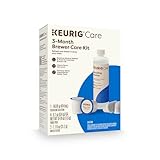
- INCLUDES: 4 Keurig Rinse Pods, 1 Descale Solution, and 2 Water Filter Cartridge Refills
- RINSE PODS: reduces flavor carry-over between brews
- QUICKEST WAY TO CLEAN YOUR K-Cup pod holder: rinse away residue and oils that can build up in your coffee maker
- EASY TO USE: use just like you would a regular K-Cup pod
- SAFE AND EFFECTIVE: gentle and odorless formula
2. Unplug the brewer.
- What to do: Always disconnect power before cleaning. Safety first, always.
- What “good” looks like: The power cord is securely unplugged.
- Common mistake: Forgetting this and getting a shock. Seriously, don’t skip this.
3. Remove and clean the brew basket.
- What to do: Take out the brew basket. Rinse it thoroughly under hot running water. If there’s coffee residue, use a soft brush.
- What “good” looks like: The basket is free of grounds and any dried coffee gunk.
- Common mistake: Just rinsing it, leaving behind oils that go rancid. Scrub it a little.
4. Wipe down the exterior.
- What to do: Use a damp cloth to wipe down the housing, warming plates, and any exterior surfaces.
- What “good” looks like: The brewer looks clean and presentable.
- Common mistake: Using abrasive cleaners that can scratch the finish. Stick to mild soap and water or a dedicated cleaner.
5. Clean the spray head (if accessible).
- What to do: Some Bunn models allow you to access the spray head. Gently clean it with a brush to remove any clogs.
- What “good” looks like: Water can flow freely through all the spray nozzles.
- Common mistake: Ignoring the spray head, leading to uneven saturation of the coffee grounds. This means weak spots and bitter spots.
6. Run a cleaning cycle.
- What to do: For daily cleaning, brew a pot of just hot water. This flushes out residual coffee oils and grounds.
- What “good” looks like: A full pot of clear hot water is brewed.
- Common mistake: Skipping this step, letting oils build up and affect taste. It takes two minutes, just do it.
7. Descale the brewer (as needed).
- What to do: Follow the instructions for your specific Bunn model and the descaling solution you’re using. This usually involves running a solution through the brewer.
- What “good” looks like: The brewer is free of mineral buildup, and coffee flows smoothly.
- Common mistake: Not descaling regularly, leading to slow brewing and eventual equipment failure. Check the manual for frequency.
8. Rinse thoroughly after descaling.
- What to do: After using a descaling solution, run at least two full pots of clean water through the brewer to remove any residual cleaner.
- What “good” looks like: No lingering chemical smell or taste in the water.
- Common mistake: Not rinsing enough, making your first pot of coffee taste awful.
9. Reassemble and plug in.
- What to do: Put the brew basket back in place and plug the brewer back into the power outlet.
- What “good” looks like: Everything is back where it belongs and powered up.
- Common mistake: Forgetting to plug it back in after cleaning. Happens to the best of us.
10. Brew a test pot.
- What to do: Brew a pot of coffee to ensure everything is working correctly and the taste is good.
- What “good” looks like: A delicious pot of coffee is brewed without any issues.
- Common mistake: Rushing into serving customers without confirming the brewer is functioning properly after cleaning.
Common mistakes (and what happens if you ignore them)
| Mistake | What it causes | Fix |
|---|---|---|
| Skipping daily rinse of brew basket | Rancid coffee oils build up, making coffee taste bitter and stale. | Rinse thoroughly with hot water after every brew cycle. |
| Using tap water without filtering | Mineral deposits (scale) clog the brewer, reduce heating efficiency, and ruin taste. | Install a water filtration system or use filtered water. |
| Not descaling regularly | Scale buildup slows brewing, affects temperature, and can damage heating elements. | Follow the manufacturer’s recommended descaling schedule (e.g., monthly or quarterly). |
| Using the wrong grind size | Over-extraction (bitter coffee) or under-extraction (weak, sour coffee). | Use a medium grind suitable for drip coffee makers. |
| Not cleaning the spray head | Uneven water distribution leads to inconsistent extraction and poor flavor. | Gently clean the spray head with a brush to ensure all nozzles are clear. |
| Using abrasive cleaning supplies | Scratches the brewer’s exterior and can damage internal components. | Use soft cloths and non-abrasive cleaners. |
| Not unplugging the brewer before cleaning | Risk of electric shock. | Always disconnect power before any cleaning or maintenance. |
| Rushing the rinse after descaling | Lingering descaling solution makes the first pot of coffee taste chemically. | Run at least two full pots of clean water through the brewer after descaling. |
| Forgetting to replace the brew basket | Coffee grounds can spill, creating a mess and potential fire hazard. | Ensure the brew basket is securely in place before brewing. |
| Ignoring strange noises or slow brewing | Indicates a potential issue like a clog or failing component. | Address the issue promptly; don’t let minor problems become major repairs. |
Decision rules (simple if/then)
- If coffee tastes bitter, then check the grind size and brew time because too fine a grind or too long a brew causes over-extraction.
- If coffee tastes weak, then check the coffee-to-water ratio and grind size because too coarse a grind or not enough coffee leads to under-extraction.
- If the brewer is slow to brew, then descale the machine because mineral buildup is likely restricting water flow.
- If you see white crusty deposits, then it’s time to descale immediately because this is scale buildup.
- If the coffee has an off or chemical taste, then ensure you’ve thoroughly rinsed after descaling or cleaning because residual cleaner is the culprit.
- If water isn’t flowing evenly from the spray head, then clean the spray head because clogs cause uneven saturation.
- If the exterior of the brewer looks dirty, then wipe it down with a damp cloth because a clean machine is more appealing.
- If you’re unsure about a specific cleaning step, then consult your Bunn brewer’s manual because it has model-specific instructions.
- If your coffee consistently tastes bad despite good beans, then check your water quality and consider filtering because impurities dramatically affect flavor.
- If the brew basket is stained, then use a mild detergent and a soft brush to scrub it because coffee oils build up over time.
- If the brewer is making unusual noises, then investigate the cause because it could be a sign of a blockage or mechanical issue.
FAQ
How often should I descale my commercial Bunn coffee maker?
This depends heavily on your water hardness and usage. A good rule of thumb is monthly, but if you have very hard water, you might need to descale weekly. Always check your brewer’s manual for specific recommendations.
Can I use vinegar to descale my Bunn coffee maker?
While vinegar can descale some appliances, it’s generally not recommended for commercial coffee makers like Bunns. Vinegar can leave a residue that affects coffee taste and may damage certain internal components. Stick to Bunn-approved descaling solutions.
What kind of water should I use in my Bunn coffee maker?
Filtered water is best. It significantly reduces mineral buildup, which in turn improves coffee flavor and extends the life of your brewer. If your local water is already soft, you might get away with tap water, but filtering is always a safe bet.
How do I clean the warming plate?
The warming plate can be cleaned with a damp cloth after the brewer has cooled down. For stubborn stains, use a mild, non-abrasive cleaner. Avoid harsh chemicals or abrasive pads that can scratch the surface.
What’s the best way to clean coffee oil residue?
Regular rinsing of the brew basket after each use is crucial. For deeper cleaning, a dedicated coffee equipment cleaner or a mild dish soap with a soft brush can help remove stubborn oils. Running a hot water cycle after brewing also helps flush out oils.
My coffee is brewing very slowly. What’s wrong?
This is almost always a sign of mineral buildup (scale) inside the brewer. You need to descale your machine. If descaling doesn’t fix it, there might be a more serious clog or a problem with the heating element.
How do I know if I’m using the right coffee-to-water ratio?
The best way is to use a scale. For drip coffee, a ratio between 1:15 and 1:18 (grams of coffee to grams of water) is a good starting point. Adjust based on taste preference. For example, 2 ounces of coffee to 30-36 ounces of water.
Is it okay to leave coffee grounds in the brew basket overnight?
Absolutely not. Leaving grounds in the basket overnight leads to stale, bitter coffee oils that can go rancid and affect the taste of future brews. Always discard grounds and rinse the basket promptly.
What this page does NOT cover (and where to go next)
- Detailed troubleshooting for specific error codes or mechanical failures. (Consult your Bunn service manual or contact a technician.)
- The process of replacing individual internal components. (This requires technical expertise and specific parts.)
- Advanced brewing techniques for espresso or other specialized coffee drinks. (Explore dedicated espresso machine guides.)
- Nutritional information about coffee. (Look for health and wellness resources.)
- The history of Bunn coffee makers. (Dive into coffee industry archives or manufacturer websites.)