
Cold Brew Coffee Using A Plunger Method
Quick Answer
- Use coarsely ground coffee and cold, filtered water.
- Aim for a coffee-to-water ratio between 1:4 and 1:8 by weight.
- Steep for 12-24 hours at room temperature or in the refrigerator.
- Gently press the plunger down to separate the grounds.
- Dilute the concentrate with water or milk to your desired strength.
- Store concentrate in an airtight container in the refrigerator for up to two weeks.
Who This Is For
- Coffee lovers who prefer a smoother, less acidic taste.
- Home brewers looking for a simple, low-effort cold coffee method.
- Those who enjoy making coffee concentrates to customize their drinks.
What to Check First for Cold Brew Coffee Using a Plunger
Before you begin, a quick check of a few key elements will set you up for success.
Brewer Type and Filter Type
- Brewer Type: You’re using a French press or a similar immersion brewer with a plunger mechanism. This means the coffee grounds will steep directly in the water.
- Filter Type: The plunger typically has a metal mesh filter. Ensure it’s clean and intact. Some specialized cold brew makers might use paper filters, but for a standard French press, it’s the mesh.
Ensure your French press’s metal mesh filter is clean and intact for the best results. If yours is worn out, consider picking up a replacement coffee filter mesh.
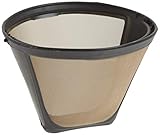
- Genuine Cuisinart Item
- Permanent gold-tone filter
- Helps provide full-flavored coffee
- Cortado con láser
Water Quality and Temperature
- Water Quality: For the best flavor, use filtered or bottled water. Tap water can contain minerals or chlorine that affect the taste of your coffee.
- Water Temperature: You’ll be using cold or room temperature water. Avoid hot water entirely, as this is the defining characteristic of cold brew.
Grind Size and Coffee Freshness
- Grind Size: This is crucial. You need a coarse grind, similar to breadcrumbs or sea salt. A fine grind will pass through the mesh filter and result in a muddy, over-extracted brew.
- Coffee Freshness: Use freshly roasted coffee beans if possible. Grind them just before brewing for the most vibrant flavor. Stale coffee will produce a dull-tasting cold brew.
Coffee-to-Water Ratio
- Ratio: For cold brew concentrate, a common starting point is a ratio of 1 part coffee to 4 parts water (1:4) by weight. You can adjust this to 1:8 or even higher for a less concentrated brew.
- Measurement: Using a kitchen scale is the most accurate way to measure your coffee and water. For example, 100 grams of coffee to 400-800 grams of water.
Cleanliness/Descale Status
- Cleanliness: Ensure your French press and any containers you use are thoroughly cleaned. Residual coffee oils can turn rancid and impart off-flavors.
- Descale Status: If you use a French press regularly for hot coffee, check for any mineral buildup. While less critical for cold brew than hot, a clean brewer is always best.
Step-by-Step: How to Make Cold Brew Coffee with a Plunger
This workflow guides you through the process of creating delicious cold brew using your French press.
1. Measure Your Coffee Beans: Weigh your whole coffee beans. For a standard 34 oz French press, you might start with around 100-150 grams of coffee, depending on your desired strength and brewer size.
- What “good” looks like: Precisely measured beans ready for grinding.
- Common mistake: Eyeballing the amount. This leads to inconsistent results. Use a scale for accuracy.
2. Grind Your Coffee: Grind the measured beans to a coarse consistency. It should resemble coarse sea salt or breadcrumbs.
- What “good” looks like: Evenly coarse grounds, no fine powder.
- Common mistake: Grinding too fine. This will result in a cloudy, bitter brew and can clog the filter.
3. Add Grounds to Brewer: Place the coarse coffee grounds into the bottom of your clean French press.
- What “good” looks like: All grounds are contained within the brewing chamber.
- Common mistake: Leaving grounds stuck to the sides of the brewer. This can lead to uneven extraction.
4. Bloom the Coffee (Optional but Recommended): Pour just enough cold or room temperature water over the grounds to saturate them completely. Let it sit for 30-60 seconds. This releases trapped gases.
- What “good” looks like: The grounds expand slightly and release a few bubbles.
- Common mistake: Skipping this step. You might miss out on a more nuanced flavor.
5. Add Remaining Water: Pour the rest of your cold, filtered water into the French press. Ensure all grounds are submerged.
- What “good” looks like: All coffee grounds are saturated and floating evenly in the water.
- Common mistake: Not ensuring all grounds are wet. Any dry pockets won’t extract properly.
6. Stir Gently: Give the mixture a gentle stir to ensure all the coffee grounds are fully incorporated with the water.
- What “good” looks like: A uniform slurry of coffee and water.
- Common mistake: Stirring too vigorously. This can break up the grounds and create fines.
7. Place the Lid (Do Not Plunge): Put the lid on the French press, but do not press the plunger down. This helps keep dust out and retains temperature.
- What “good” looks like: The lid is seated, but the plunger is still at the top.
- Common mistake: Plunging too early. This will force fines through the filter prematurely.
8. Steep: Let the coffee steep for 12 to 24 hours. You can steep at room temperature or in the refrigerator. Longer steeping times generally yield a stronger, more intense concentrate.
- What “good” looks like: The coffee and water have had ample time to extract.
- Common mistake: Steeping for too short a time (e.g., 2-4 hours). This results in a weak, underdeveloped flavor.
9. Gently Press the Plunger: After the steeping period, slowly and steadily press the plunger all the way down. Apply even pressure.
- What “good” looks like: The plunger moves smoothly and separates the grounds from the liquid.
- Common mistake: Pressing too fast or forcing the plunger. This can create a mess and push fine particles into your brew.
10. Pour and Serve: Pour the cold brew concentrate into a separate container or directly into your serving glass.
- What “good” looks like: A rich, dark liquid with minimal sediment.
- Common mistake: Leaving the concentrate in the French press. The grounds will continue to extract, leading to over-extraction and bitterness.
11. Dilute (If Necessary): Cold brew concentrate is potent. Dilute it with cold water, ice, or milk to your preferred strength. A good starting point is a 1:1 ratio of concentrate to water or milk.
- What “good” looks like: A beverage that matches your taste preference – not too strong, not too weak.
- Common mistake: Drinking the concentrate straight. It’s usually too intense for most palates.
12. Store Properly: Transfer any leftover concentrate to an airtight container and store it in the refrigerator. It should remain fresh for up to two weeks.
- What “good” looks like: A sealed container in the fridge, ready for future use.
- Common mistake: Leaving it uncovered in the fridge. This can lead to oxidation and absorption of other odors.
Common Mistakes (and What Happens If You Ignore Them)
| Mistake | What It Causes | Fix |
|---|---|---|
| Using a fine coffee grind | Muddy, bitter coffee; grounds in your cup | Grind coffee coarsely, like sea salt. |
| Using hot water | Over-extraction, bitterness, loses cold brew’s charm | Always use cold or room temperature water. |
| Insufficient steeping time | Weak, watery, underdeveloped flavor | Steep for at least 12 hours, up to 24 hours, depending on desired strength. |
| Over-steeping | Bitter, astringent, unpleasant taste | Limit steeping to a maximum of 24 hours; pour off concentrate after steeping. |
| Not stirring enough | Uneven extraction, some grounds are weak, some strong | Gently stir to ensure all grounds are saturated. |
| Plunging too fast or hard | Grounds bypass filter, cloudy brew, messy spill | Press the plunger slowly and steadily. |
| Leaving concentrate in brewer | Continued extraction, bitter taste | Pour off all concentrate immediately after plunging. |
| Using poor quality water | Off-flavors, dull taste | Use filtered or bottled water. |
| Not cleaning the brewer | Rancid oils, stale or off-flavors | Wash your French press thoroughly after each use. |
| Not diluting the concentrate | Overpowering, unpleasant taste | Dilute with water, ice, or milk to your preferred strength. |
Decision Rules for Cold Brew Coffee Using a Plunger
- If your cold brew tastes weak, then increase the coffee-to-water ratio (use more coffee for the same amount of water) because a lower ratio results in a less concentrated brew.
- If your cold brew tastes bitter, then shorten the steeping time or coarsen your grind because over-extraction causes bitterness.
- If your cold brew has a lot of sediment, then ensure your grind is coarse and avoid plunging too forcefully because fine particles and aggressive plunging lead to a cloudy brew.
- If your cold brew has an off-flavor, then check the freshness of your beans and the cleanliness of your brewer because stale beans or dirty equipment impart unwanted tastes.
- If you want a stronger concentrate, then use a tighter ratio (e.g., 1:4) and steep for the longer end of the recommended time (e.g., 18-24 hours) because these factors increase extraction.
- If you prefer a milder, more ready-to-drink coffee, then use a looser ratio (e.g., 1:8) and steep for a shorter time (e.g., 12-16 hours) because this results in less concentrated coffee.
- If your plunger is difficult to press, then your grind is likely too fine, or you have too many fines, because they are clogging the filter.
- If you notice a lack of complexity in flavor, then try using different, freshly roasted beans or slightly adjusting your steep time because these factors influence the nuanced flavors.
- If you want to speed up the brewing process slightly, consider brewing at room temperature rather than in the refrigerator, as warmer temperatures can sometimes accelerate extraction (though this is less impactful than grind and ratio).
- If you are making a large batch, ensure you have enough space in your refrigerator or a cool place to store the brewer during the 12-24 hour steep time.
FAQ
How long does cold brew coffee last?
Cold brew concentrate can be stored in an airtight container in the refrigerator for up to two weeks. However, its flavor is best within the first week.
Can I use any coffee beans for cold brew?
Yes, you can use any type of coffee bean. However, medium to dark roasts are often favored for their rich, chocolatey, and nutty notes, which tend to shine in cold brew. Lighter roasts can also work but may require experimentation to bring out their best qualities.
What’s the difference between cold brew and iced coffee?
Iced coffee is typically hot-brewed coffee that is then cooled down and served over ice, often leading to a more acidic and sometimes diluted flavor. Cold brew is brewed with cold water over a long period, resulting in a smoother, less acidic, and naturally sweeter taste.
Why is my cold brew so bitter?
Bitterness in cold brew can be caused by several factors: using a grind that is too fine, steeping for too long, or using hot water. Ensure you use a coarse grind, steep for 12-24 hours, and always use cold water.
How much cold brew concentrate should I drink?
Cold brew concentrate is very strong. It’s typically diluted with water, milk, or ice. A common starting point for dilution is a 1:1 ratio of concentrate to your chosen liquid, but you should adjust this to your personal taste preference.
Can I use a paper filter with my French press for cold brew?
While you can technically try to use a paper filter, it’s not the standard method for a French press and can be messy. The metal mesh filter is designed to work with the coarse grind for this brewing style.
What is the ideal water temperature for cold brew?
The defining characteristic of cold brew is the use of cold water. This means water that is at room temperature (around 68-72°F) or chilled water from the refrigerator (around 40°F). Avoid any hot water.
What This Page Does NOT Cover (and Where to Go Next)
- Specific brand recommendations for French presses or cold brew makers.
- Detailed troubleshooting for electrical coffee makers or grinders.
- Advanced cold brew techniques like Japanese-style flash chilling or using different filter types beyond a standard French press.
To learn more, consider exploring resources on:
- Different coffee bean origins and roast profiles.
- The science of coffee extraction.
- Alternative cold coffee brewing methods.