
Coffee’s Impact on Stomach Acidity
Quick answer
- Coffee can increase stomach acidity for some people.
- This is due to compounds like caffeine, chlorogenic acids, and other bitter elements.
- The effect varies a lot from person to person.
- Brewing methods and coffee bean type can also play a role.
- If you experience discomfort, try adjusting your coffee habits.
Key terms and definitions
- Stomach Acidity: The level of hydrochloric acid in your stomach, essential for digestion.
- pH Level: A scale measuring acidity or alkalinity, with lower numbers being more acidic.
- Caffeine: A natural stimulant found in coffee that can relax the lower esophageal sphincter.
- Chlorogenic Acids: Antioxidants in coffee that can stimulate stomach acid production.
- Gastrin: A hormone that signals the stomach to release acid.
- Lower Esophageal Sphincter (LES): A muscle that acts as a valve between the esophagus and stomach, preventing reflux.
- Acid Reflux: When stomach acid flows back up into the esophagus.
- Peptic Ulcers: Sores in the lining of the stomach or duodenum.
- Irritable Bowel Syndrome (IBS): A common disorder affecting the large intestine.
- Gastroesophageal Reflux Disease (GERD): A chronic digestive disease where stomach acid or bile irritates the food pipe lining.
How it works
- Coffee contains compounds that can trigger your stomach to produce more acid.
- Caffeine is a big one. It can make that LES muscle a bit lazy, letting acid creep up.
- Chlorogenic acids and other bitter compounds also signal your stomach to ramp up acid production.
- This increased acid can then irritate your stomach lining or travel up into your esophagus.
- For some, this leads to that familiar heartburn or indigestion feeling.
- It’s like a double whammy: more acid and a less effective barrier.
- Your body’s individual response is key here. Some folks just handle it better.
- The rate at which you drink your coffee matters too. Gulping can be worse than sipping.
- Even the coffee’s temperature can have a minor effect on digestion.
- It’s a complex interplay of chemistry and your own biology.
What affects the result
- Coffee Bean Type: Lighter roasts tend to be more acidic than darker roasts. Less processing means more of those natural acids stick around.
- Roast Level: As mentioned, darker roasts often have less perceived acidity. The roasting process breaks down some of the acidic compounds.
- Brewing Method: Drip coffee might be gentler than espresso for some, but it really depends. Cold brew is often cited as being less acidic.
- Grind Size: A finer grind might extract more compounds, potentially increasing acidity effects.
- Water Temperature: Brewing too hot can over-extract, leading to more bitterness and acidity.
- Coffee-to-Water Ratio: Using too much coffee for the water can result in a stronger, more potent brew that might hit your stomach harder.
- Freshness of Beans: Stale beans can develop off-flavors and potentially affect how they interact with your stomach.
- Additives: Cream, milk, or sugar can buffer the acidity for some, while artificial sweeteners might have other effects.
- Individual Sensitivity: This is huge. Genetics and your unique gut microbiome play a massive role.
- Time of Day: Drinking coffee on an empty stomach can amplify its effects on acidity.
- Amount Consumed: One cup might be fine; three might be a problem. It’s often dose-dependent.
- Your Existing Digestive Health: If you already have issues like GERD or ulcers, coffee is more likely to be a trigger.
To truly control your coffee’s impact, consider investing in a quality coffee bean grinder to ensure optimal freshness and grind size for your preferred brewing method.
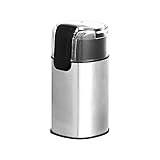
- Electric coffee bean grinder appliance for home use
- Can grind 30 grams/1 ounce of beans for drip coffee brewing in 10 seconds
- Grind coffee beans, herbs, spices, grains, nuts, and more
- Clear safety lid allows you to easily see the results in progress
- Heavy-duty stainless steel grind blade
Pros, cons, and when it matters
- Pro: Energy Boost: Coffee is famous for waking you up. That’s a big win for many.
- Con: Stomach Upset: For some, the increased acidity leads to heartburn, indigestion, or general discomfort. This is the main downside.
- Pro: Antioxidants: Coffee is packed with beneficial compounds that can fight cell damage.
- Con: Acid Reflux Trigger: If you suffer from GERD, coffee can make those symptoms flare up significantly.
- Pro: Improved Focus: Beyond energy, coffee can sharpen mental clarity and concentration.
- Con: Exacerbates Ulcers: For those with peptic ulcers, coffee’s acidity can worsen pain and slow healing.
- Pro: Social Ritual: The morning cup is a beloved routine for millions. It’s more than just a drink.
- Con: Sleep Disruption: If consumed too late, caffeine can mess with your sleep patterns.
- Pro: Flavor and Variety: The world of coffee is vast and delicious, offering endless tasting experiences.
- Con: Dependency: Regular caffeine intake can lead to withdrawal symptoms if stopped abruptly.
- When it Matters: It matters most if you experience digestive distress after drinking coffee. If your stomach feels fine, then the acidity aspect might not be a big deal for you. It’s also critical if you have pre-existing digestive conditions.
If coffee consistently causes you discomfort, exploring digestive health supplements might offer some relief by supporting your gut.

- Powerful Digestive Support: MassZymes delivers 320,000 units of protein-digesting enzymes (bromelian, amylase, lipase, protease) per capsule, optimizing digestion, reducing bloating, and maximizing nutrient absorption for better gut health.
- Boost Energy & Clarity: Improve digestion, reduce sluggishness, and unlock sustained energy. Enhanced nutrient absorption supports sharpness and helps you feel lighter and more energized.
- Faster Muscle Recovery: Designed for athletes and high-performers, MassZymes accelerates muscle repair and reduces soreness by maximizing protein breakdown for quicker recovery and peak performance using bromelian, amylase, lipase, and protease.
- Clean, Potent Formula: 100% plant-based and vegan-friendly, with no dairy, soy, or fillers. Each capsule works in any stomach environment, ensuring effective digestion from start to finish.
Common misconceptions
- Myth: All coffee is highly acidic. Nope. Roast level and brewing method make a big difference.
- Myth: Coffee causes ulcers. It doesn’t cause them, but it can make existing ones worse.
- Myth: Black coffee is always worse for your stomach. Not necessarily. Additives can sometimes cause their own issues.
- Myth: Only caffeine causes stomach problems. Other compounds in coffee contribute to increased acidity.
- Myth: You have to quit coffee entirely if you have heartburn. Often, just making some changes is enough.
- Myth: Decaf coffee is completely acid-free. It still contains acidic compounds, just less caffeine.
- Myth: Cold brew is always the solution for everyone. While often less acidic, it’s not a magic bullet for all sensitivities.
- Myth: If you don’t feel it immediately, it’s not affecting your stomach. The effects can be subtle or delayed for some.
- Myth: Coffee is only bad for your stomach. For many, the benefits outweigh the potential downsides.
- Myth: All dark roasts are low in acidity. While often lower, there’s still variation.
FAQ
Does coffee make stomach acidic?
Yes, for many people, coffee can increase stomach acidity. This is due to compounds like caffeine and chlorogenic acids.
What is the main reason coffee increases stomach acidity?
The primary reasons are caffeine, which can relax the lower esophageal sphincter, and other compounds that stimulate acid production.
Can coffee cause heartburn?
Absolutely. The increased stomach acid and relaxed LES can lead to acid reflux, commonly felt as heartburn.
Is dark roast coffee less acidic than light roast?
Generally, yes. Darker roasts undergo more processing, which breaks down some of the acidic compounds.
Does cold brew coffee reduce stomach acidity?
Often, yes. The cold brewing process tends to extract fewer acidic compounds compared to hot brewing methods.
What can I do if coffee gives me an upset stomach?
Try switching to a darker roast, brewing cold, reducing your intake, or adding milk or cream. See what works for you.
Does adding milk to coffee help with acidity?
For some, yes. Milk can act as a buffer, neutralizing some of the stomach acid.
Can coffee cause stomach ulcers?
No, coffee doesn’t cause ulcers. However, it can irritate existing ulcers and potentially slow healing.
Is it possible to drink coffee without stomach discomfort?
For many, yes. Adjusting the type of bean, roast, brewing method, and consumption habits can make a big difference.
What this page does NOT cover (and where to go next)
- Specific brand recommendations for low-acid coffee.
- Detailed medical advice for diagnosed digestive conditions.
- The precise chemical breakdown of every acid in coffee.
- Advanced brewing techniques for acidity control.
- The impact of coffee on other bodily systems.