
Coffee’s Impact on Gastric Health Explained
Quick answer
- Coffee can stimulate stomach acid production, potentially worsening symptoms for some individuals with gastric sensitivities.
- The impact of coffee on gastric health varies significantly from person to person.
- Factors like coffee type, roast level, brewing method, and additions (milk, sugar) can influence its effect.
- Decaffeinated coffee may still trigger symptoms in some, suggesting compounds other than caffeine are involved.
- Drinking coffee on an empty stomach might increase the likelihood of discomfort for sensitive individuals.
- For many, moderate coffee consumption does not lead to significant gastric issues.
What this problem usually is (and is not)
- This discussion focuses on how coffee interacts with the digestive system, particularly the stomach and esophagus.
- It addresses common complaints like heartburn, indigestion, and stomach upset related to coffee consumption.
- It is not a substitute for medical advice or diagnosis; consult a healthcare professional for persistent gastric issues.
- It does not claim that coffee causes serious chronic digestive diseases, though it can exacerbate existing conditions.
- It does not suggest that everyone experiences negative gastric effects from coffee; many enjoy it without issue.
- It is not about caffeine addiction or general anxiety, but specifically about physical gastric reactions.
Likely causes of gastric discomfort from coffee (triage list)
- Acid Content of Coffee: Coffee is naturally acidic. Darker roasts sometimes have less perceived acidity, but the overall pH can still be low enough to irritate a sensitive stomach.
- How to confirm: Notice if switching to lower-acid coffee beans or cold brew (which typically has lower acidity) reduces symptoms.
- Caffeine’s Stimulating Effect: Caffeine can relax the lower esophageal sphincter (LES), allowing stomach acid to reflux into the esophagus, causing heartburn. It also stimulates stomach acid secretion.
- How to confirm: Compare your reaction to regular coffee versus decaffeinated coffee.
- Other Compounds in Coffee: Beyond caffeine, compounds like chlorogenic acids and N-alkanoyl-5-hydroxytryptamides can stimulate acid production.
- How to confirm: If decaf still causes issues, these other compounds might be the culprits.
- Drinking Coffee on an Empty Stomach: Without food to buffer stomach acid, coffee’s stimulating effects might be more pronounced, leading to irritation.
- How to confirm: Try drinking coffee only after eating a meal and observe any difference in symptoms.
- Additives to Coffee: Sugar, artificial sweeteners, or high-fat creamers can sometimes trigger digestive upset independently of the coffee itself.
- How to confirm: Experiment with black coffee versus coffee with various additives.
- Pre-existing Gastric Conditions: Individuals with conditions like GERD (gastroesophageal reflux disease), gastritis, or IBS (irritable bowel syndrome) are more likely to experience gastric distress from coffee.
- How to confirm: This requires a medical diagnosis from a doctor.
- Brewing Method: Some brewing methods, like French press, allow more coffee oils and fine sediment into the cup, which might be irritating for some.
- How to confirm: Try a paper-filtered method (drip, pour-over) and see if symptoms improve.
If you’re sensitive to caffeine’s stimulating effect, comparing your reaction to regular coffee versus decaffeinated coffee can help pinpoint the cause. You might find that a good decaf option, like this one, still allows you to enjoy the flavor without the same level of discomfort.
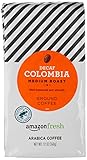
- Balanced, full-bodied medium roast with a smooth finish
- One 12-ounce bag of ground coffee
- Decaffeinated
- 100% Arabica coffee grown in Colombia
- Roasted and packed in the U.S.A.
Fix it step-by-step (brew workflow to reduce gastric impact)
1. Choose your beans carefully.
- What to do: Opt for darker roasts, which often have a lower chlorogenic acid content. Some brands specifically market “low acid” coffee.
- What “good” looks like: Beans that are freshly roasted and ground, with a pleasant aroma.
- Common mistake: Assuming all coffee is the same. Avoid light roasts if you’re sensitive, as they generally retain more acidity.
2. Grind your coffee correctly.
- What to do: Use a consistent, medium-coarse grind for most methods to avoid over-extraction, which can pull out more bitter and potentially irritating compounds.
- What “good” looks like: Uniform particles, similar to coarse sand for drip, or sea salt for French press.
- Common mistake: Using a very fine grind for a drip machine. This can lead to over-extraction and a more acidic, bitter cup.
3. Consider cold brew.
- What to do: Steep coarsely ground coffee in cold water for 12-24 hours. This method naturally extracts fewer acidic compounds.
- What “good” looks like: A smooth, concentrated coffee extract that can be diluted with water or milk.
- Common mistake: Not diluting cold brew concentrate. It’s very strong and can still be irritating if consumed undiluted.
4. Use filtered water.
- What to do: Always use clean, filtered water for brewing.
- What “good” looks like: Water that tastes fresh and free of chlorine or other off-flavors.
- Common mistake: Using tap water directly. Impurities in water can affect coffee flavor and potentially exacerbate gastric issues.
5. Brew at the right temperature.
- What to do: Aim for a brewing temperature between 195-205°F (90-96°C).
- What “good” looks like: A consistent brewing temperature that allows for optimal extraction without over-extraction.
- Common mistake: Using boiling water. This can burn the coffee and extract harsh, bitter flavors that might be more irritating.
6. Use a paper filter.
- What to do: For drip or pour-over methods, ensure you use a good quality paper filter.
- What “good” looks like: A clean brew free of sediment.
- Common mistake: Using metal filters if you’re sensitive. Metal filters allow more oils and fine particles into the cup, which can sometimes be irritating.
7. Don’t drink on an empty stomach.
- What to do: Try to consume coffee with or after a meal, especially one that includes some fat or protein to buffer stomach acid.
- What “good” looks like: Enjoying your coffee without immediate gastric distress.
- Common mistake: Gulping down a strong cup of coffee first thing in the morning without any food.
8. Limit additives.
- What to do: Reduce or eliminate sugar, artificial sweeteners, and heavy creamers. Consider unsweetened almond milk or oat milk if you need creamer.
- What “good” looks like: A cleaner coffee experience where you can better gauge the coffee’s impact.
- Common mistake: Loading coffee with sugary syrups or artificial sweeteners, which can cause their own digestive issues.
9. Consider decaf coffee.
- What to do: If caffeine is a trigger, switch to decaffeinated coffee.
- What “good” looks like: Enjoying coffee flavor without the stimulating effects of caffeine.
- Common mistake: Assuming decaf coffee has zero caffeine. It still contains trace amounts, but significantly less than regular coffee.
10. Listen to your body.
- What to do: Pay attention to how you feel after drinking coffee and adjust your habits accordingly.
- What “good” looks like: Being able to enjoy coffee without discomfort.
- Common mistake: Ignoring recurring symptoms and continuing to drink coffee in a way that causes discomfort.
Prevent it next time
- Choose lower-acid beans: Experiment with darker roasts or specialty low-acid coffees.
- Opt for cold brew: This method naturally reduces acidity.
- Grind fresh and correctly: A consistent grind prevents over-extraction of irritating compounds.
- Use filtered water: Improves flavor and avoids introducing impurities.
- Avoid coffee on an empty stomach: Always pair your coffee with food.
- Limit high-fat or sugary additives: These can contribute to gastric upset.
- Consider decaffeinated options: If caffeine is your primary trigger.
- Brew with paper filters: To remove more oils and fine sediment.
- Stay hydrated: Drink plenty of water throughout the day, especially if consuming coffee.
- Monitor your intake: Reduce portion sizes or frequency if symptoms persist.
Common mistakes and what happens if you ignore them (does coffee make gastric issues worse?)
| Mistake | What it causes | Fix |
|---|---|---|
| Drinking coffee on an empty stomach | Increased stomach acid irritation, higher likelihood of heartburn or indigestion, especially for sensitive individuals. | Always eat something before or with your coffee. |
| Using light roast coffee when sensitive | Higher acidity and more chlorogenic acids can exacerbate gastric discomfort. | Switch to medium or dark roast coffees, or specifically low-acid varieties. |
| Consuming too much coffee too quickly | Over-stimulation of acid production, potential for increased reflux symptoms. | Limit portion sizes and drink coffee slowly; spread consumption throughout the day. |
| Using a very fine grind for drip/pour-over | Over-extraction of bitter and acidic compounds, leading to a harsher taste and potential stomach upset. | Adjust grinder to a coarser setting appropriate for your brewing method. |
| Not using filtered water | Impurities in tap water can affect coffee flavor and potentially contribute to gastric issues for some. | Always use good quality filtered water for brewing. |
| Adding excessive sugar or artificial sweeteners | These can cause their own digestive problems, including bloating or stomach upset, independent of the coffee. | Reduce or eliminate added sugars; try natural sweeteners in moderation or drink it black. |
| Ignoring persistent gastric symptoms | Can lead to chronic discomfort, potential worsening of underlying conditions like GERD or gastritis. | Consult a doctor if symptoms are severe or don’t improve with lifestyle changes. |
| Relying solely on metal filters | Allows more coffee oils and fine sediment into the cup, which can be irritating for some sensitive stomachs. | Switch to paper filters for a cleaner cup and reduced irritants. |
| Brewing with excessively hot water | Can burn the coffee, extracting harsh, bitter, and potentially more irritating compounds. | Aim for brewing temperatures between 195-205°F (90-96°C). |
| Not considering decaffeinated options | If caffeine is the primary trigger, continuing to drink regular coffee will perpetuate symptoms. | Experiment with decaffeinated coffee to see if symptoms improve. |
Decision rules (simple if/then)
- If you experience heartburn after coffee, then try a darker roast because it often has lower acidity.
- If your stomach feels irritated when you drink coffee, then always eat something beforehand because food can buffer stomach acid.
- If decaffeinated coffee still causes discomfort, then consider trying cold brew because it has a significantly lower acid content.
- If you notice bloating or gas after coffee with milk, then try a non-dairy alternative because dairy can be a trigger for some.
- If your current brewing method uses a metal filter, then switch to a paper filter because it removes more irritants.
- If you drink coffee quickly on an empty stomach, then slow down and pair it with a meal because rapid consumption can overstimulate acid.
- If you have persistent and severe gastric pain, then consult a doctor because it could indicate an underlying medical condition.
- If you add a lot of sugar to your coffee, then try reducing it because sugar can also contribute to digestive issues.
- If your current coffee tastes bitter or overly strong, then adjust your grind to be coarser because over-extraction can lead to more irritants.
- If you only drink coffee first thing in the morning, then try having your first cup a bit later in the day because your stomach might be more sensitive initially.
FAQ
Q: Does coffee make gastric reflux worse?
A: For many individuals, yes. Coffee can relax the lower esophageal sphincter and stimulate stomach acid production, both of which can contribute to or worsen symptoms of acid reflux.
Q: Is decaf coffee better for your stomach?
A: Often, but not always. Decaf coffee contains significantly less caffeine, which is a known trigger for acid production. However, other compounds in coffee can still cause gastric irritation for some sensitive individuals.
Q: What kind of coffee is easiest on the stomach?
A: Cold brew is generally considered the easiest on the stomach due to its lower acidity. Darker roasts also tend to be less acidic than light roasts, and some brands specifically offer “low acid” coffee.
Q: Should I drink coffee on an empty stomach?
A: If you are prone to gastric upset, it’s generally advisable to avoid drinking coffee on an empty stomach. Eating food beforehand can help buffer stomach acid and reduce irritation.
Q: Can adding milk to coffee help with gastric issues?
A: For some, adding milk (especially non-dairy options) can help buffer the acidity of coffee. However, dairy itself can cause digestive issues for others, so individual tolerance varies.
Q: How much coffee is too much for gastric health?
A: There’s no universal answer, as individual tolerance varies greatly. If you experience discomfort, try reducing your intake to one or two smaller cups per day, or consider switching to decaf.
Q: Does coffee cause gastritis?
A: Coffee does not directly cause gastritis, which is inflammation of the stomach lining. However, if you already have gastritis, coffee’s acidity and stimulating effects can worsen symptoms and delay healing.
What this page does NOT cover (and where to go next)
- Specific medical diagnoses or treatment plans for gastric conditions. Consult a healthcare professional for personalized advice.
- The psychological effects of caffeine or coffee addiction.
- Detailed scientific mechanisms of every compound in coffee and its effect on digestion.
- Environmental impact or ethical sourcing of coffee.
- In-depth comparisons of coffee machine types or brewing equipment.