
Coffee-Free Cold Drink: A Refreshing Alternative
Quick Answer
- Use chilled herbal teas like hibiscus or mint as a base for your cold beverage.
- Infuse water with fruits such as berries, citrus, or cucumber for natural flavor.
- Sweeten lightly with simple syrup or agave nectar if desired.
- Add a splash of milk or non-dairy alternative for creaminess.
- Serve over ice and garnish with fresh herbs or fruit slices.
- Experiment with different combinations to find your perfect coffee-free drink.
For a touch of sweetness, consider using agave nectar, which blends smoothly into cold drinks.
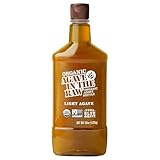
- ORGANIC LIGHT AGAVE SWEETENER: Enjoy your sweet moments. With notes of butterscotch and a golden hue, Organic Light Agave In The Raw is perfect for all your sweetening needs.
- A HEALTHY SUGAR ALTERNATIVE: Made with 100% raw blue agave nectar hand-harvested in Jalisco Mexico from agave plants free from pesticides and antibiotics. USDA Organic, Non-GMO Project Verified, kosher, plant-based and low glycemic index.
- A BETTER WAY TO DRIZZLE: Organic Light Agave In The Raw is great for sweetening smoothies, fruits, drinks, salads and more. It makes a great topping and you can bake or cook with it too.
- SWEETER THAN SUGAR: Organic Light Agave In The Raw is about 25% sweeter than sugar so a little can go a long way. The organic agave nectar blends easily in beverages and helps to moisten when baking.
- NO NONSENSE, JUST NATURAL SWEETENERS: Founded in 1970 when we began the search for a less processed sugar, In The Raw has 50+ years of sweetener expertise. Today, we offer a variety of versatile sweeteners plucked from the earth for every occasion.
Who This Is For
- Individuals seeking caffeine-free cold beverages.
- Those looking for refreshing alternatives to traditional iced coffee or soda.
- People interested in creating custom, flavorful drinks at home without coffee.
What to Check First
Before you start brewing your coffee-free cold drink, a few things are worth considering to ensure the best possible outcome.
Base Liquid Type
The foundation of your drink is crucial. You can use chilled water, herbal teas, or even fruit-infused water.
- Herbal Teas: Consider teas like hibiscus for a tart, vibrant red color and flavor, or peppermint for a cool, invigorating sensation. Rooibos is another excellent caffeine-free option with a naturally sweet, earthy profile. Ensure the tea is brewed strongly and chilled thoroughly before use.
- Fruit-Infused Water: This involves steeping fruits, vegetables, or herbs in water. Common combinations include cucumber and mint, lemon and lime, or mixed berries. For best results, allow the infusion to sit for at least 2-4 hours in the refrigerator.
Flavor Enhancers
Beyond the base, you’ll want elements that add depth and interest to your drink.
- Sweeteners: If you prefer a sweeter beverage, simple syrup (equal parts sugar and water heated until dissolved, then cooled) is ideal as it mixes easily into cold liquids. Agave nectar or maple syrup are also good options. Use them sparingly to avoid overpowering the other flavors.
- Acids: A squeeze of citrus juice, like lemon or lime, can brighten the flavors and add a pleasant tang. This is especially good with berry or mint bases.
Add-ins for Texture and Richness
For a more satisfying drink, consider what you might add.
- Creaminess: A splash of milk (dairy or non-dairy like almond, oat, or coconut milk) can add a creamy texture. Start with a small amount and add more to your preference.
- Garnishes: Fresh fruit slices, mint sprigs, or even a dusting of cinnamon can elevate the presentation and aroma of your drink.
Step-by-Step: Crafting Your Cold Drink
Follow these steps to create a delicious coffee-free cold beverage.
1. Choose Your Base: Select your primary liquid. For example, brew a strong batch of hibiscus tea.
- What “good” looks like: The tea is fully steeped, vibrant in color, and has a pleasant aroma.
- Common mistake: Brewing tea too weakly, resulting in a watery flavor. Avoid this by using more tea leaves or bags than you normally would for hot tea.
2. Chill Thoroughly: Ensure your base liquid is completely cold. You can brew it ahead of time and refrigerate it, or brew it strong and pour it over ice to cool it rapidly.
- What “good” looks like: The liquid is cold to the touch, ideally below 40°F (4°C).
- Common mistake: Adding warm liquid to ice, which melts the ice too quickly and dilutes the drink. Let the base cool as much as possible before the final pour.
3. Prepare Flavor Enhancers: If using fruit-infused water, ensure it has steeped sufficiently. If using citrus, juice it now.
- What “good” looks like: The water has absorbed the flavors of the fruit/herbs, and citrus juice is fresh.
- Common mistake: Not allowing enough infusion time for fruit-infused water, leading to a bland taste. Plan ahead and let it sit for at least a few hours.
4. Sweeten (Optional): If you desire sweetness, add your chosen sweetener gradually. Start with a small amount, stir well, and taste.
- What “good” looks like: The sweetener is fully dissolved and integrated into the liquid, providing a balanced sweetness.
- Common mistake: Adding too much sweetener at once, making the drink overly sweet. Add in small increments and taste as you go.
5. Add Creaminess (Optional): If you want a richer drink, add a splash of milk or non-dairy alternative.
- What “good” looks like: The milk is incorporated smoothly, creating a creamy texture without curdling.
- Common mistake: Adding milk to a very acidic base without testing, which can sometimes cause separation. If using a tart base like hibiscus, add milk slowly while stirring.
6. Combine and Stir: Pour your chilled base liquid into a glass. Add any other prepared flavorings or creaminess. Stir gently to combine all ingredients.
- What “good” looks like: All components are evenly mixed, and the color is consistent.
- Common mistake: Not stirring enough, leading to uneven distribution of flavors and sweetness. Ensure a good stir to integrate everything.
7. Add Ice: Fill your serving glass generously with ice cubes.
- What “good” looks like: The glass is full of ice, ready to keep the drink cold.
- Common mistake: Using too little ice, causing the drink to warm up too quickly. Don’t be shy with the ice.
8. Pour and Serve: Carefully pour your prepared mixture over the ice.
- What “good” looks like: The drink fills the glass without overflowing, and the ice keeps it chilled.
- Common mistake: Pouring too quickly and splashing, or pouring a warm drink that melts ice too fast. Pour steadily into the ice-filled glass.
9. Garnish: Add your chosen garnishes, such as a slice of lemon, a sprig of mint, or a few fresh berries.
- What “good” looks like: The garnish enhances the visual appeal and aroma of the drink.
- Common mistake: Using wilted or unappealing garnishes. Fresh is always best for both appearance and flavor.
10. Taste and Adjust: Take a sip. If needed, add a little more sweetener, acid, or creaminess.
- What “good” looks like: The drink is perfectly balanced to your personal taste preferences.
- Common mistake: Not tasting and adjusting, settling for a drink that isn’t quite right. This is your chance to perfect it.
Common Mistakes (and What Happens If You Ignore Them)
| Mistake | What It Causes | Fix |
|---|---|---|
| Using warm base liquid | Rapidly melting ice, resulting in a diluted and weak-tasting drink. | Always chill your base liquid thoroughly before serving over ice. |
| Under-infusing fruit/herbs | A bland or flavorless drink with no discernible fruity or herbal notes. | Allow ample infusion time (at least 2-4 hours, or overnight for stronger flavor). |
| Over-sweetening | A cloying, syrupy drink that masks all other subtle flavors. | Add sweetener gradually, tasting as you go, and use simple syrup for easy dissolution. |
| Using stale or weak tea | A flat, uninteresting flavor profile that lacks vibrancy. | Use fresh, good-quality tea leaves or bags, and brew them strongly for cold beverages. |
| Not stirring well after adding ingredients | Uneven distribution of flavors, sweetness, or creaminess. | Stir thoroughly after each addition to ensure everything is well-combined. |
| Using too little ice | The drink warms up too quickly, becoming unpleasantly lukewarm. | Fill your serving glass generously with ice cubes. |
| Adding milk to a very acidic base | Potential for the milk to curdle or separate, creating an unappetizing texture. | Test a small amount of milk in your base first, or add milk slowly while stirring. |
| Poorly chosen flavor combinations | An odd or off-putting taste that doesn’t complement itself. | Start with classic pairings (e.g., mint and lime, berries and lemon) and experiment cautiously. |
| Using pre-made syrups with artificial flavors | An artificial, chemical taste that overpowers natural ingredients. | Opt for natural sweeteners and fresh ingredients for a cleaner, more authentic flavor. |
Decision Rules
- If you want a tart and vibrant drink, then choose hibiscus tea as your base because it offers a naturally tangy flavor and beautiful color.
- If you prefer a cooling sensation, then use peppermint or spearmint tea as your base because these herbs provide a refreshing menthol note.
- If you are sensitive to sweetness, then skip added sweeteners initially and taste the drink first because some fruits and teas have natural sweetness.
- If you want a creamy texture without dairy, then use oat milk or coconut milk because they are less likely to curdle and offer good richness.
- If you are in a hurry, then use chilled store-bought sparkling water and add fruit slices and a squeeze of lemon because this requires no brewing or infusion time.
- If you want to enhance the aroma, then add a fresh herb garnish like mint or basil because the scent can significantly impact the perceived flavor.
- If your drink tastes too bland, then add a squeeze of lemon or lime juice because acidity can brighten and lift muted flavors.
- If your drink is too sweet, then add more plain water or unsweetened tea to dilute it because this will reduce the overall sugar concentration.
- If you want to experiment with layered flavors, then try infusing your water with cucumber and mint, then adding a splash of berry juice.
- If you desire a more complex flavor profile, then consider adding a small amount of ginger (freshly grated or steeped) to your base.
FAQ
Q: Can I use any kind of tea for my cold drink?
A: While you can use most teas, caffeine-free herbal teas are often preferred for coffee alternatives. Black or green teas will still contain caffeine. Experiment to find flavors you enjoy.
Q: How long does fruit-infused water last in the refrigerator?
A: Fruit-infused water is best consumed within 2-3 days. After this, the flavors can become too intense, or the fruit may start to break down.
Q: What’s the best way to sweeten a cold drink without it clumping?
A: Simple syrup (equal parts sugar and water heated until dissolved, then cooled) is ideal because it’s already liquid and mixes easily into cold beverages. Agave nectar and maple syrup also dissolve well.
Q: Can I make these drinks ahead of time?
A: Yes, you can prepare the base and flavorings ahead of time. However, it’s best to add ice and any creamy additions just before serving to prevent dilution and separation.
Q: What if I don’t have any herbal teas?
A: You can use plain chilled water as your base and rely on fruits, vegetables (like cucumber), and herbs (like mint) for flavor. You can also use chilled juice diluted with water.
Q: How can I make my cold drink taste more “coffee-like” without coffee?
A: While you can’t replicate coffee’s exact flavor, some people use roasted chicory root or carob powder steeped in hot water and then chilled. These ingredients can offer a roasted, slightly bitter note.
Q: Is it okay to use frozen fruit instead of fresh?
A: Yes, frozen fruit can work well, especially if you want to chill your drink rapidly. As the frozen fruit thaws, it will release its flavor and juice, similar to fresh fruit.
Q: What are some good non-dairy milk options for cold drinks?
A: Oat milk, almond milk, soy milk, and coconut milk are all popular choices. Each offers a slightly different flavor and creaminess, so experiment to see which you prefer.
What This Page Does Not Cover (and Where to Go Next)
- Specific recipes for complex layered beverages.
- Next: Explore resources on mocktail and smoothie recipes for inspiration.
- Detailed nutritional information for various ingredients.
- Next: Consult reputable health and nutrition websites for specific dietary guidance.
- The science behind flavor pairing in beverages.
- Next: Look into books or articles on culinary arts and flavor chemistry.
- Commercial production methods for cold drinks.
- Next: Research food science and beverage manufacturing industry resources.