
Coffee and Stress Levels: The Connection
Quick answer
- Coffee’s caffeine can temporarily boost alertness, but it also triggers the body’s stress response.
- For some, this means increased anxiety, jitters, and a racing heart, especially with high doses.
- Others find coffee helps them focus, managing their day better, which can indirectly reduce stress.
- Genetics play a big role in how you metabolize caffeine and react to it.
- If coffee seems to make your stress worse, try cutting back or switching to decaf.
- Pay attention to your body. It’s the best guide.
Key terms and definitions
- Caffeine: A natural stimulant found in coffee beans. It blocks adenosine, a neurotransmitter that makes you feel tired.
- Cortisol: A primary stress hormone. Caffeine can temporarily increase its levels.
- Adrenaline: Another stress hormone, also known as epinephrine. Caffeine can stimulate its release.
- Anxiety: A feeling of worry, nervousness, or unease. Caffeine can exacerbate this in sensitive individuals.
- Stress Response: The body’s reaction to a perceived threat or challenge. It involves hormones like adrenaline and cortisol.
- Adenosine: A brain chemical that promotes relaxation and sleepiness. Caffeine blocks its action.
- Metabolism: The process by which your body breaks down substances, including caffeine. Your genetics influence this speed.
- Decaffeination: The process of removing most of the caffeine from coffee beans.
- Sensitivity: How strongly your body reacts to a substance like caffeine.
- Placebo Effect: When a person experiences a benefit or side effect because they expect to, not because of the substance itself.
How it works
- Coffee beans contain caffeine. That’s the main player here.
- When you drink coffee, caffeine enters your bloodstream. It travels to your brain.
- In the brain, caffeine blocks adenosine receptors. Adenosine usually tells you to chill out and get sleepy.
- This blocking action makes you feel more awake and alert.
- But it also signals your adrenal glands to release adrenaline and cortisol. These are your “fight or flight” hormones.
- For some, this surge in stress hormones can feel like increased anxiety or tension.
- It’s like your body thinks there’s a tiger to run from, even if you’re just sitting at your desk.
- The effect is usually temporary, fading as caffeine leaves your system.
- Your individual biology determines how intense this response is.
What affects the result
- Caffeine Content: Darker roasts often have slightly less caffeine than lighter ones, but it’s not a huge difference. The bean type matters more.
- Your Genetics: Some people are “fast metabolizers” of caffeine, others are “slow.” This drastically changes how long it affects you and how intensely.
- Amount Consumed: A single cup is different from a quadruple espresso. More caffeine means a stronger physiological response.
- Time of Day: Drinking coffee late can mess with sleep, which is a huge stressor in itself.
- Your Baseline Stress Level: If you’re already wound up, adding caffeine can push you over the edge.
- Hydration: Being dehydrated can make you feel more sluggish and potentially amplify negative caffeine effects.
- Food Intake: Drinking coffee on an empty stomach can lead to a faster, more intense caffeine spike.
- Tolerance: Regular coffee drinkers might build up a tolerance, experiencing less of a stress response over time.
- Brewer Type: Methods like espresso deliver a concentrated dose quickly. Drip coffee is more spread out.
- Freshness of Beans: Stale beans might have slightly altered compounds, though this is less about stress and more about flavor.
- Other Stimulants: Mixing coffee with energy drinks or certain medications can amplify effects.
- Your Overall Health: Underlying conditions can make you more susceptible to caffeine’s side effects.
Pros, cons, and when it matters
- Pro: Increased Alertness: Coffee can help you power through a tough morning or a long workday. This focus can reduce the stress of feeling overwhelmed.
- Con: Anxiety and Jitters: For sensitive folks, caffeine can trigger or worsen feelings of anxiety, nervousness, and physical shakiness.
- Pro: Improved Mood: For some, coffee is a ritual that brings comfort and a sense of well-being, indirectly easing stress.
- Con: Sleep Disruption: Drinking coffee too late can interfere with your sleep cycle. Poor sleep is a major stress amplifier.
- Pro: Enhanced Physical Performance: If your stress is related to physical exertion, coffee can help.
- Con: Digestive Issues: Caffeine can stimulate the gut, leading to discomfort for some, which adds to stress.
- Pro: Cognitive Boost: Coffee can improve focus, memory, and reaction time, making tasks feel more manageable.
- Con: Dependence: Relying on coffee to function can create a cycle of needing it just to feel “normal.”
- Pro: Social Ritual: Meeting for coffee is a common way to connect, which is a stress reliever.
- Con: Heart Palpitations: In susceptible individuals, caffeine can cause an irregular or rapid heartbeat.
- When it Matters: If you have a deadline and need to focus, a cup might help. If you’re already on edge, it might be best to skip it.
- When it Matters: Consider your personal history. If coffee has consistently made you feel worse, it’s probably not your friend.
Common misconceptions
- Myth: All coffee is the same. Nope. Bean origin, roast level, and brewing method all change the caffeine content and how it hits you.
- Myth: Dark roast has more caffeine. Usually, it’s the opposite. Lighter roasts tend to pack a bit more punch.
- Myth: Caffeine is purely bad for you. It has benefits for alertness and can improve performance for many. It’s about balance.
- Myth: You can “sweat out” caffeine. Not really. Your liver metabolizes caffeine. Time is the only real cure.
- Myth: Decaf has zero caffeine. It has a tiny amount, usually less than 10mg per cup. Most people won’t notice.
- Myth: Coffee directly causes chronic anxiety disorders. While it can trigger symptoms, it’s not typically the root cause of a disorder.
- Myth: Everyone reacts to coffee the same way. Absolutely not. Genetics are a massive factor in caffeine sensitivity.
- Myth: Coffee is always dehydrating. While it’s a mild diuretic, moderate consumption usually doesn’t lead to dehydration if you’re drinking water too.
- Myth: You need coffee to be productive. Many people are highly productive without it. It’s a tool, not a requirement.
- Myth: Coffee stains your soul. Relax, it’s just a drink.
FAQ
- Does coffee always make stress worse?
No, not always. For some, the focus coffee provides can actually help manage stress better. It really depends on your individual body and current stress levels.
- How much coffee is too much if I’m stressed?
There’s no magic number. Generally, more than 400mg of caffeine a day (about 4 cups of brewed coffee) can cause issues for adults. If you’re stressed, you might need less.
- Can I drink coffee if I’m prone to anxiety?
It’s a good idea to be cautious. Start with decaf or a very small amount of regular coffee. See how you feel. Many people with anxiety find they need to limit or avoid caffeine.
- What’s the best time to drink coffee to avoid stress?
Morning is usually best. Avoid it in the afternoon and evening, especially if you have trouble sleeping. Good sleep is crucial for managing stress.
- Is there a coffee alternative that won’t increase stress?
Decaf coffee is a great option. Herbal teas like chamomile or peppermint can also be soothing without the caffeine jitters.
- How can I tell if coffee is making my stress worse?
Pay attention to how you feel after drinking it. Do you get jittery, anxious, have a racing heart, or have trouble sleeping? Those are signs it might be a problem for you.
- What if I love coffee but it makes me stressed?
Try switching to decaf. You can also experiment with brewing methods that might extract less caffeine, or simply reduce your intake significantly.
If you’re looking to enjoy your coffee ritual without the stress, consider a comfortable coffee mug to enhance the experience.
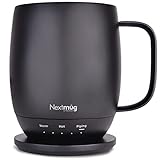
- ALWAYS THE PERFECT TEMPERATURE – The Nextmug will keep your hot coffee, tea or preferred beverage at the perfect temperature wherever you are. Simply select Warm (130° F), Hot (140° F), or Piping (150° F) and enjoy for hours.
- SMART MUG TECHNOLOGY – Long-lasting battery maintains your ideal temperature. LED lights display battery life & real-time temperature. Includes Spill-Resistant Lid & Charging Coaster.
- SUPER SIMPLE – On-board Control Button easily turns mug On/Off & sets the temperature. Takes only seconds to set the mug to your perfect temperature. No app required - no passwords, re-booting or security concerns.
- THE PERFECT GIFT - Give the gift for him and the gift for her that is certain to delight. Perfect for everyone on your list…moms, dads, grandmas, grandpas, teachers, birthdays, graduations and more!
- NEXTMUG CARES - Nextmug cares about our communities and our customers. We care by donating Nextmugs to teachers and first responders . We’re also committed to sustainable packaging by using 100% recyclable materials with all our products. Our dedicated customer service agents are based in the USA and always ready to help.
What this page does NOT cover (and where to go next)
- Specific caffeine content of every single coffee bean or brewing method. (Check brewer manuals or reputable coffee sites).
- Medical advice for diagnosed anxiety disorders or chronic stress. (Consult a healthcare professional).
- Detailed genetic testing for caffeine metabolism. (Look into specialized health services).
- The intricate chemical breakdown of coffee compounds beyond caffeine. (Explore coffee science resources).
- Specific brand recommendations for low-caffeine coffee. (Browse coffee roaster websites).