
Coffee and Stomach Ulcers: Understanding Nausea
Quick answer
- Coffee can irritate stomach ulcers due to its acidity and stimulant properties, potentially leading to nausea.
- The caffeine in coffee can increase stomach acid production, which may worsen ulcer symptoms.
- Decaffeinated coffee may still cause nausea if it’s acidic or consumed on an empty stomach.
- For individuals with stomach ulcers, reducing or eliminating coffee intake is often recommended to alleviate nausea and discomfort.
- Experimenting with lower-acid coffee beans or brewing methods can be helpful, but medical advice is paramount.
Even decaffeinated coffee can sometimes cause nausea if it’s acidic or consumed on an empty stomach, but it’s often a good starting point for those looking to reduce caffeine’s impact.
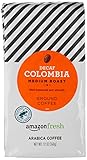
Amazon Fresh Decaf Colombia Ground Coffee, Medium Roast, 12 Ounce
- Balanced, full-bodied medium roast with a smooth finish
- One 12-ounce bag of ground coffee
- Decaffeinated
- 100% Arabica coffee grown in Colombia
- Roasted and packed in the U.S.A.
What this problem usually is (and is not)
- This issue is primarily about how coffee’s chemical properties interact with an existing stomach ulcer, causing discomfort and nausea.
- It is not about coffee causing stomach ulcers; ulcers have distinct causes like H. pylori infection or NSAID use.
- The focus is on managing symptoms and understanding triggers for those already diagnosed with an ulcer.
- This guide aims to provide practical information, but it’s not a substitute for professional medical diagnosis or treatment.
- If you experience severe or persistent nausea, consult a healthcare provider immediately.
Likely causes (triage list)
Acidity of Coffee:
- Cause: Coffee is naturally acidic, and this acidity can directly irritate an open ulcer sore in the stomach lining.
- Confirmation: Does the nausea occur shortly after drinking coffee, especially on an empty stomach?
Caffeine Content:
- Cause: Caffeine stimulates the production of stomach acid (gastric acid). Increased acid can exacerbate ulcer pain and lead to nausea.
- Confirmation: Does switching to decaf reduce or eliminate the nausea, even if the acidity remains a factor?
Brewing Method:
- Cause: Certain brewing methods can extract more acidic compounds from coffee beans. Cold brew, for instance, is often cited as lower in acidity.
- Confirmation: Have you noticed a difference in symptoms when trying different brewing methods (e.g., drip vs. French press vs. cold brew)?
Coffee Bean Type and Roast:
- Cause: Darker roasts are sometimes perceived as less acidic, while lighter roasts can be more acidic. The origin of the bean also plays a role.
- Confirmation: Have you tried switching to a different type of coffee bean or roast level and observed any change in your symptoms?
Empty Stomach Consumption:
- Cause: Drinking coffee on an empty stomach means there’s no food to buffer the stomach acid, making the acidity and caffeine more potent irritants to an ulcer.
- Confirmation: Does drinking coffee after a meal result in less nausea than drinking it first thing in the morning?
Other Ingredients:
- Cause: Additives like milk (if lactose intolerant), sugar, or artificial sweeteners can sometimes contribute to digestive upset, though typically not directly related to the ulcer itself.
- Confirmation: Did the nausea start or worsen after adding new ingredients to your coffee routine?
Fix it step-by-step (brew workflow)
1. Assess Your Current Coffee Habit:
- What to do: Note down when you drink coffee, how much, what type, and any additions. Pay attention to your symptoms.
- What “good” looks like: You have a clear picture of your coffee consumption patterns and their correlation with your nausea.
- Common mistake: Relying on memory. You might forget a small cup or a specific type of coffee.
- How to avoid: Keep a simple log for a few days.
2. Consider a Temporary Elimination:
- What to do: For a week, completely stop drinking coffee, including caffeinated and decaffeinated versions.
- What “good” looks like: Your nausea significantly improves or disappears, indicating coffee is a likely trigger.
- Common mistake: Not eliminating it entirely, perhaps having a small amount “just once.”
- How to avoid: Be strict with the elimination period.
3. Introduce Decaffeinated Coffee (If Tolerated):
- What to do: If you abstained successfully, try a decaffeinated coffee. Choose a low-acid variety if possible.
- What “good” looks like: You can enjoy a coffee-like beverage without the nausea, suggesting caffeine was a major contributor.
- Common mistake: Choosing a highly acidic decaf coffee.
- How to avoid: Look for labels indicating lower acidity or consult coffee enthusiast forums for recommendations.
4. Experiment with Lower-Acid Beans:
- What to do: If decaf still causes issues, or you want to reintroduce regular coffee, try beans known for lower acidity. Often, darker roasts and beans from certain regions (like Brazil) are less acidic.
- What “good” looks like: You find a regular coffee that you can drink with minimal or no nausea.
- Common mistake: Assuming all dark roasts are low-acid; some can still be quite acidic.
- How to avoid: Research specific bean origins and roast profiles for low-acid content.
5. Adjust Brewing Method:
- What to do: Try brewing methods that tend to produce less acidic coffee, such as cold brew.
- What “good” looks like: Cold brew or other less acidic methods allow you to enjoy coffee with a comfortable stomach.
- Common mistake: Making cold brew too concentrated, which can still be strong.
- How to avoid: Follow cold brew recipes carefully and dilute to your preferred strength.
6. Always Pair with Food:
- What to do: Never drink coffee on an empty stomach. Always have it with or after a meal.
- What “good” looks like: Coffee is consumed without the sharp onset of nausea, as food helps buffer stomach acid.
- Common mistake: Grabbing a coffee on the go before breakfast.
- How to avoid: Plan your meals and coffee breaks to ensure you eat first.
7. Consider Additives Carefully:
- What to do: If you add milk, cream, sugar, or sweeteners, observe if these also contribute to your discomfort.
- What “good” looks like: You’ve identified if any additives are problematic and adjusted accordingly.
- Common mistake: Blaming coffee solely when an additive might be the culprit.
- How to avoid: Try coffee black (if tolerated) to isolate the effects of additives.
8. Listen to Your Body:
- What to do: Pay close attention to how you feel after consuming coffee. If nausea persists or worsens, stop.
- What “good” looks like: You are making informed decisions based on your body’s signals to manage your ulcer symptoms.
- Common mistake: Pushing through discomfort, hoping it will pass.
- How to avoid: Prioritize your well-being; persistent nausea is a sign to re-evaluate.
Prevent it next time
- Regular Cleaning: Clean your coffee maker thoroughly every 1-2 weeks to prevent buildup of coffee oils that can become rancid and affect taste and potentially digestion.
- Descaling: Descale your coffee maker every 1-3 months, depending on your water hardness, to remove mineral deposits that can affect performance and water temperature.
- Water Quality: Use filtered water. Tap water can contain minerals that contribute to scale and may also have off-flavors. Store water in a clean container.
- Fresh Coffee Beans: Buy whole beans and grind them just before brewing. Store beans in an airtight container away from light, heat, and moisture.
- Correct Coffee-to-Water Ratio: Use a consistent ratio for brewing, typically around 1:15 to 1:18 (coffee to water by weight). This ensures optimal extraction and flavor.
- Proper Filter Use: Ensure the filter is seated correctly in the basket and that you are using the correct size and type of filter for your machine.
- Observe Brewing Temperature: Most automatic drip machines aim for 195-205°F (90-96°C). If your machine has temperature control, use it appropriately.
- Listen to Your Body: If you have a sensitive stomach or diagnosed ulcer, be mindful of how coffee affects you. Don’t force yourself to drink it if it causes discomfort.
- Consult Healthcare Provider: Discuss your diet, including coffee consumption, with your doctor, especially if you have a history of ulcers or digestive issues.
Common mistakes (and what happens if you ignore them)
| Mistake | What it causes | Fix