
Coffee and PCOS: Understanding the Impact on Sleepiness
Quick answer
- For individuals with PCOS, coffee’s impact on sleepiness is complex and can vary significantly.
- Caffeine, the primary stimulant in coffee, can initially boost alertness but may lead to a subsequent energy crash.
- Hormonal imbalances common in PCOS can influence how the body metabolizes caffeine, potentially altering its effects.
- Some people with PCOS report increased fatigue after drinking coffee, possibly due to blood sugar fluctuations or heightened sensitivity to caffeine’s effects.
- Others find coffee helps manage daytime sleepiness associated with PCOS, but it’s crucial to monitor individual responses.
- The quality of sleep is paramount, and caffeine’s interference with sleep can exacerbate daytime tiredness in those with PCOS.
Key terms and definitions
- PCOS (Polycystic Ovary Syndrome): A hormonal disorder common among women of reproductive age, characterized by irregular periods, excess androgen levels, and polycystic ovaries.
- Caffeine: A stimulant found naturally in coffee beans, tea leaves, and cocoa beans, known for its ability to increase alertness and reduce fatigue.
- Insulin Resistance: A condition where cells in your muscles, fat, and liver don’t respond well to insulin and can’t easily take up glucose from your blood, a common feature of PCOS.
- Cortisol: A steroid hormone produced by the adrenal glands, often referred to as the “stress hormone,” which can affect energy levels and sleep.
- Adenosine: A neurotransmitter in the brain that promotes relaxation and sleepiness; caffeine works by blocking adenosine receptors.
- Circadian Rhythm: The body’s natural, internal 24-hour cycle that regulates sleep-wake patterns, hormone release, and other important bodily functions.
- Blood Sugar Levels: The concentration of glucose in the blood, which can be influenced by diet and hormonal factors, and is often a concern for individuals with PCOS.
- Metabolism: The chemical processes that occur within a living organism in order to maintain life; in this context, it refers to how the body processes caffeine.
- Adrenal Fatigue: A controversial term suggesting that the adrenal glands are overworked and unable to produce enough hormones, leading to symptoms like fatigue; not a formally recognized medical diagnosis.
How it works
- Coffee contains caffeine, a central nervous system stimulant.
- Caffeine works by blocking adenosine, a neurotransmitter that signals sleepiness.
- By blocking adenosine, caffeine promotes wakefulness and can temporarily reduce feelings of fatigue.
- In individuals with PCOS, hormonal imbalances can affect how the body processes caffeine.
- Insulin resistance, common in PCOS, may influence how caffeine impacts blood sugar and energy levels.
- The metabolic rate at which an individual processes caffeine can vary, affecting its duration and intensity of effects.
- Caffeine can stimulate the release of adrenaline, which can lead to a temporary energy boost.
- This adrenaline release can sometimes be followed by a “crash” as the caffeine wears off, leading to increased sleepiness.
- For some, the disruption of natural sleep-wake cycles by caffeine can worsen daytime fatigue.
- The interaction between caffeine, hormones, and metabolic processes in PCOS can create a unique experience for each individual.
If you’re looking for a more controlled way to manage caffeine intake, consider caffeine supplements. They can offer a consistent dose, which might be helpful for understanding your body’s response without the variability of coffee.
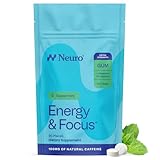
- Fast-Acting Nootropic - Our energy supplements deliver an extra boost of energy and clarity with a blend of natural caffeine, L-theanine, and vitamin b6 & b12. Your go-to chewing gum for work, exercise, and daily focus!
- Clean Energy - Each piece of our sugar free gum delivers 100mg of natural caffeine from green coffee beans for a smooth energy boost without crashes or jitters.
- The Perfect Balance - With 60mg of L-theanine per piece, our energy and focus formula promotes enhanced focus and stress reduction to smooth energy boosts.
- How to Use - Chew one piece of the caffeine gum whenever focus or energy is lacking. Ideal for mornings, pre-workout, or afternoon slumps. Effects typically kick in within minutes thanks to optimal absorption through the mouth.
- Made by Neuro, Backed by Science - At Neuro, we combine neuroscience with clean, science backed ingredients to help you do more, think better, and feel your best every single day.
What affects the result
- Individual Sensitivity to Caffeine: Some people are naturally more or less sensitive to caffeine’s effects, regardless of PCOS.
- Dosage of Coffee: The amount of coffee consumed directly correlates with the amount of caffeine intake.
- Brewing Method: Different brewing methods can extract varying amounts of caffeine from coffee grounds.
- Type of Coffee Bean: Robusta beans generally have more caffeine than Arabica beans.
- Time of Consumption: Drinking coffee too close to bedtime can significantly disrupt sleep quality, leading to daytime sleepiness.
- Hormonal Fluctuations: The menstrual cycle can influence how women with PCOS experience caffeine’s effects.
- Blood Sugar Management: For those with PCOS experiencing insulin resistance, coffee can impact blood sugar, potentially leading to energy dips.
- Hydration Levels: Dehydration can mimic symptoms of fatigue, and coffee’s diuretic effect can contribute if fluid intake isn’t sufficient.
- Dietary Habits: What you eat with your coffee can affect how your body absorbs and responds to caffeine and its impact on blood sugar.
- Sleep Quality: If underlying sleep issues are present, caffeine may only mask fatigue temporarily.
- Stress Levels: High stress can exacerbate hormonal imbalances and influence caffeine metabolism.
- Medications: Certain medications can interact with caffeine, altering its effects.
Pros, cons, and when it matters
- Pro: Temporary boost in alertness and focus, which can be beneficial for managing daytime fatigue common in PCOS.
- Con: Can lead to a subsequent energy crash, leaving you feeling more tired than before.
- Pro: Improved mood and cognitive function for some individuals.
- Con: May exacerbate anxiety or jitters, especially in sensitive individuals.
- Pro: Can be a pleasant ritual and social activity.
- Con: Potential for caffeine dependence and withdrawal symptoms like headaches and fatigue.
- Pro: May offer some metabolic benefits, though not a primary treatment for PCOS.
- Con: Can interfere with sleep quality, a critical factor for managing PCOS symptoms and overall well-being.
- Pro: For some, it helps them feel more functional during the day, allowing them to manage daily tasks.
- Con: If consumed late in the day, it can significantly disrupt the natural sleep cycle, worsening fatigue.
- Pro: May temporarily improve physical performance.
- Con: If it leads to blood sugar spikes and crashes, it can worsen energy instability.
- Matters When: You are experiencing significant daytime sleepiness and need a temporary lift to function.
- Matters When: You are sensitive to stimulants or have pre-existing anxiety.
- Matters When: You are struggling with sleep hygiene or have difficulty falling asleep.
- Matters When: You are trying to manage blood sugar levels as part of your PCOS care.
Common misconceptions
- Misconception: Coffee is inherently bad for everyone with PCOS.
- Reality: Individual responses vary greatly; some find it helpful, while others experience negative effects.
- Misconception: Caffeine always causes a significant energy crash.
- Reality: The “crash” depends on dosage, individual metabolism, and what you’ve eaten.
- Misconception: Coffee directly causes weight gain in PCOS.
- Reality: While some additives can, coffee itself doesn’t directly cause weight gain; hormonal factors and diet are more significant.
- Misconception: Decaf coffee has no effect on energy levels.
- Reality: Decaf coffee still contains a small amount of caffeine and other compounds that can have subtle effects.
- Misconception: Drinking more coffee will solve persistent fatigue.
- Reality: Persistent fatigue often requires addressing underlying causes like sleep, diet, and hormonal balance, not just increased caffeine intake.
- Misconception: Coffee is a good substitute for adequate sleep.
- Reality: Caffeine can mask tiredness but does not replace the restorative benefits of quality sleep.
- Misconception: All coffee is created equal in terms of stimulant effect.
- Reality: Bean type, roast, and brewing method influence caffeine content.
- Misconception: The impact of coffee on PCOS is solely due to caffeine.
- Reality: Other compounds in coffee and how it interacts with hormonal and metabolic systems play a role.
FAQ
Q: Can coffee make me feel more tired if I have PCOS?
A: Yes, for some individuals with PCOS, coffee can lead to a subsequent energy crash after the initial stimulation wears off. This can be due to how your body metabolizes caffeine in conjunction with hormonal imbalances and blood sugar fluctuations.
Q: How does PCOS affect my body’s reaction to caffeine?
A: Hormonal imbalances, particularly insulin resistance, which is common in PCOS, can alter how your body processes caffeine. This can lead to a more pronounced or prolonged effect, or a more significant energy dip afterward.
Q: If I have PCOS and feel tired, should I drink coffee?
A: It depends on your individual response. If coffee helps you feel more alert without negative side effects like anxiety or a significant crash, it might be a temporary aid. However, it’s crucial to address the root causes of fatigue.
Q: Can coffee disrupt my sleep if I have PCOS?
A: Absolutely. Caffeine is a stimulant that can interfere with your body’s natural sleep-wake cycle. For individuals with PCOS, poor sleep can exacerbate other symptoms, so timing your coffee intake is important.
Q: Are there specific types of coffee or brewing methods that are better or worse for PCOS?
A: There isn’t a definitive “better” or “worse” type. Lighter roasts and Arabica beans generally have less caffeine. However, the biggest factor is how much coffee you drink and how your body reacts to the caffeine and any additives.
Q: What are the signs that coffee is negatively impacting my energy levels with PCOS?
A: Look out for increased jitters, anxiety, a significant energy crash a few hours after drinking coffee, or difficulty sleeping. These are indicators that your body might be struggling to process the caffeine effectively.
Q: Should I avoid coffee altogether if I have PCOS?
A: Not necessarily. Many people with PCOS can enjoy coffee in moderation without significant issues. It’s about listening to your body, understanding your personal response, and making informed choices about timing and quantity.
Q: How can I manage daytime sleepiness related to PCOS without relying on coffee?
A: Focus on consistent, quality sleep, a balanced diet that manages blood sugar, regular exercise, stress management techniques, and adequate hydration. Consulting with a healthcare provider can help identify and address underlying causes.
What this page does NOT cover (and where to go next)
- Specific dietary recommendations or meal plans for managing PCOS.
- Detailed medical advice or treatment protocols for PCOS.
- Comparisons of specific coffee brands or their caffeine content.
- In-depth analysis of the chemical compounds in coffee beyond caffeine.
- Guidance on specific sleep disorders or their treatment.