
Coffee and ADHD: Does It Cause Sleepiness?
Quick answer
- For many with ADHD, coffee can have a paradoxical calming or focusing effect, rather than causing jitters.
- This calming effect can sometimes be misinterpreted as sleepiness or fatigue.
- The stimulant properties of caffeine may help regulate neurotransmitters like dopamine, which are often imbalanced in ADHD.
- Individual responses to caffeine vary greatly, influenced by genetics, tolerance, and ADHD medication.
- If coffee consistently makes you feel sleepy, it’s worth exploring other factors like sleep debt or caffeine withdrawal.
- Coffee is not a substitute for prescribed ADHD medication or a comprehensive treatment plan.
Key terms and definitions
- ADHD (Attention-Deficit/Hyperactivity Disorder): A neurodevelopmental disorder characterized by persistent patterns of inattention, hyperactivity, and/or impulsivity.
- Caffeine: A natural stimulant found in coffee, tea, and other products, known for its alertness-promoting effects.
- Paradoxical effect: When a substance produces an effect opposite to what is typically expected. In ADHD, stimulants can sometimes calm rather than excite.
- Dopamine: A neurotransmitter in the brain involved in reward, motivation, pleasure, and executive functions. Often implicated in ADHD.
- Neurotransmitters: Chemical messengers that transmit signals across brain cells (neurons).
- Stimulant medication: Prescription drugs (e.g., methylphenidate, amphetamines) commonly used to treat ADHD symptoms.
- Tolerance: A reduced response to a drug or substance after repeated use, requiring higher doses to achieve the same effect.
- Adenosine: A neurotransmitter that promotes sleep and suppresses arousal. Caffeine works by blocking adenosine receptors.
- Executive functions: A set of cognitive processes that include working memory, flexible thinking, and self-control, often impacted by ADHD.
- Caffeine withdrawal: Symptoms (e.g., headache, fatigue, irritability) that can occur when stopping or reducing caffeine intake after regular consumption.
While coffee is a common source of caffeine, for those looking for a more controlled or portable option, caffeine supplements can also be considered. These supplements offer a direct way to consume caffeine, which may help regulate neurotransmitters like dopamine in individuals with ADHD.
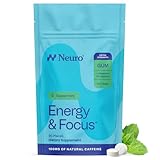
- Fast-Acting Nootropic - Our energy supplements deliver an extra boost of energy and clarity with a blend of natural caffeine, L-theanine, and vitamin b6 & b12. Your go-to chewing gum for work, exercise, and daily focus!
- Clean Energy - Each piece of our sugar free gum delivers 100mg of natural caffeine from green coffee beans for a smooth energy boost without crashes or jitters.
- The Perfect Balance - With 60mg of L-theanine per piece, our energy and focus formula promotes enhanced focus and stress reduction to smooth energy boosts.
- How to Use - Chew one piece of the caffeine gum whenever focus or energy is lacking. Ideal for mornings, pre-workout, or afternoon slumps. Effects typically kick in within minutes thanks to optimal absorption through the mouth.
- Made by Neuro, Backed by Science - At Neuro, we combine neuroscience with clean, science backed ingredients to help you do more, think better, and feel your best every single day.
How it works
- Caffeine primarily acts as an adenosine receptor antagonist in the brain.
- Adenosine typically builds up throughout the day, signaling fatigue and promoting sleep.
- By blocking adenosine receptors, caffeine prevents adenosine from binding, thus reducing feelings of tiredness and promoting alertness.
- For individuals with ADHD, caffeine’s impact extends beyond simple alertness due to differences in brain chemistry.
- Caffeine can indirectly influence dopamine and norepinephrine pathways, similar to how some ADHD medications work.
- Increased dopamine activity in certain brain regions can improve focus, attention, and impulse control for some with ADHD.
- This regulation of neurotransmitters can lead to a calming effect, helping to quiet the “racing thoughts” or hyperactivity often experienced with ADHD.
- The perceived sleepiness might stem from this calming effect, where the brain shifts from an overstimulated, unfocused state to a more regulated, relaxed one.
- Alternatively, if caffeine intake is inconsistent or followed by a crash, the subsequent dip in energy could be mistaken for the direct effect of coffee making one sleepy.
What affects whether coffee makes you sleepy with ADHD
- Individual Neurochemistry: The specific way an individual’s brain processes neurotransmitters like dopamine and adenosine significantly impacts caffeine response.
- ADHD Subtype: Different presentations of ADHD (e.g., predominantly inattentive vs. hyperactive-impulsive) might respond differently to caffeine.
- Caffeine Tolerance: Regular coffee drinkers develop tolerance, meaning the same amount of caffeine has less effect, or withdrawal symptoms (like fatigue) appear if intake is skipped.
- Dosage and Timing: The amount of caffeine consumed and when it’s consumed relative to sleep or other stimulants can alter its effects.
- ADHD Medication: Interaction with prescribed ADHD medications can modify how caffeine is experienced. Always consult a healthcare professional about combining substances.
- Sleep Debt: Chronic lack of sleep can make anyone feel tired, and coffee might only temporarily mask this underlying fatigue before a crash.
- Hydration Status: Dehydration can contribute to fatigue, potentially exacerbating perceived sleepiness even after consuming coffee.
- Diet and Nutrition: Blood sugar fluctuations or an unbalanced diet can affect energy levels and how caffeine is metabolized.
- Stress Levels: High stress can impact neurotransmitter balance and how the body responds to stimulants.
- Genetics: Genetic variations influence how quickly an individual metabolizes caffeine, affecting its duration and intensity of effects.
- Expectation Bias: If one expects to feel sleepy, they might interpret a calming effect as fatigue.
Pros, cons, and when it matters if coffee makes you sleepy
- Pro: Improved Focus and Concentration: For many with ADHD, coffee can enhance attention and reduce distractibility, making tasks easier.
- Pro: Reduced Hyperactivity/Impulsivity: The paradoxical calming effect can help some individuals with ADHD feel less restless and more in control.
- Pro: Non-Prescription Option: Coffee offers a readily available, non-prescription way to potentially manage some ADHD symptoms, though it’s not a substitute for medical treatment.
- Con: Perceived Sleepiness/Fatigue: If coffee consistently makes you feel tired, it defeats the purpose and might indicate an underlying issue or an inappropriate response for you.
- Con: Jitters or Anxiety: While some find it calming, others with ADHD may experience increased anxiety, restlessness, or jitters from caffeine.
- Con: Sleep Disruption: Consuming coffee too late in the day, even if it initially causes sleepiness, can still interfere with the quality and onset of nighttime sleep.
- Con: Masking Underlying Issues: Relying on coffee to combat fatigue might mask chronic sleep deprivation or other health concerns that need addressing.
- Con: Tolerance and Withdrawal: Regular use can lead to tolerance, requiring more coffee for the same effect, and withdrawal symptoms if intake stops.
- When it matters: If you find coffee helps you focus without negative side effects, it can be a useful tool.
- When it matters: If coffee consistently makes you sleepy or anxious, it’s a sign to re-evaluate your consumption and possibly consult a healthcare provider.
- When it matters: If you are taking ADHD medication, understanding how coffee interacts with it is crucial for avoiding adverse effects.
- When it matters: For those seeking non-pharmacological support for ADHD symptoms, understanding coffee’s unique effects is important for making informed choices.
Common misconceptions about coffee and ADHD sleepiness
- Misconception: Coffee always makes everyone with ADHD hyper or jittery.
- Correction: Many with ADHD experience a paradoxical calming or focusing effect from coffee, which can be quite distinct from the typical stimulant response.
- Misconception: If coffee makes you sleepy, it definitively means you have ADHD.
- Correction: While a paradoxical calming effect is common in ADHD, other factors like sleep debt, caffeine tolerance, or individual metabolism can also lead to post-coffee fatigue. It’s not a diagnostic tool.
- Misconception: Coffee is a safe and effective substitute for ADHD medication.
- Correction: Coffee can help manage some symptoms for some individuals, but it is not a replacement for prescribed ADHD medication, which is specifically formulated and dosed for treatment.
- Misconception: The sleepiness from coffee means it’s “not working” or is “bad” for you.
- Correction: This perceived sleepiness might actually be a sign that the caffeine is helping to regulate an overactive brain, leading to a state of calm that is interpreted as fatigue.
- Misconception: All stimulants affect people with ADHD the same way.
- Correction: Responses to stimulants, whether caffeine or prescription medication, are highly individual. What works for one person with ADHD may not work for another.
- Misconception: Drinking more coffee will always increase focus for someone with ADHD.
- Correction: There’s an optimal dose. Too much caffeine can lead to overstimulation, anxiety, or a crash, even for those who typically find it calming.
- Misconception: Coffee’s effects are purely psychological.
- Correction: While psychological factors play a role, caffeine has distinct physiological effects on neurotransmitters and brain function, especially relevant in ADHD.
- Misconception: Caffeine only affects alertness; it has no impact on other cognitive functions.
- Correction: Caffeine can influence executive functions like working memory and attention, which are often areas of difficulty for individuals with ADHD.
- Misconception: If you don’t feel sleepy from coffee, you don’t have ADHD.
- Correction: Not everyone with ADHD experiences the paradoxical sleepiness. Many simply find it helps with focus, or they may experience typical stimulant effects.
FAQ
Why does adhd make coffee sleepy for some people?
For some individuals with ADHD, coffee’s stimulant properties can help regulate neurotransmitters like dopamine in the brain. This regulation can lead to a calming or focusing effect, which might be perceived as sleepiness compared to the usual internal restlessness or overstimulation.
Is it normal for coffee to make you sleepy if you have ADHD?
Yes, it can be a relatively common experience for individuals with ADHD to feel calm or even sleepy after consuming coffee. This paradoxical response is due to how caffeine interacts with an ADHD brain’s unique neurochemistry.
Does coffee interact with ADHD medication?
Yes, coffee can interact with ADHD medications. Combining caffeine with stimulant medications can increase the risk of side effects like increased heart rate, anxiety, or jitters. Always consult your doctor before combining them.
How can I tell if coffee is genuinely making me sleepy or just calming me down?
Observe your overall state. If you feel relaxed, focused, and less restless, it’s likely a calming effect. If you feel truly fatigued, heavy-lidded, and unable to concentrate, it might be genuine sleepiness, potentially due to other factors like sleep deprivation.
Should I stop drinking coffee if it makes me sleepy with ADHD?
It depends on your overall goals and how you feel. If the “sleepiness” is actually a beneficial calming effect that aids focus, you might continue. If it genuinely impairs your function or indicates underlying issues, consider reducing or stopping and consult a healthcare professional.
Can too much coffee make ADHD symptoms worse?
Yes, excessive caffeine intake can lead to overstimulation, anxiety, increased heart rate, and disrupted sleep, which can exacerbate certain ADHD symptoms for anyone, including those with ADHD. Moderation is key.
Are there other stimulants that have a similar effect to coffee for ADHD?
Prescription stimulant medications for ADHD (e.g., methylphenidate, amphetamines) work on similar neurotransmitter pathways and often produce a calming or focusing effect in individuals with ADHD. However, their mechanism and potency are different from caffeine.
Does the type of coffee matter if you have ADHD?
The type of coffee (e.g., espresso, drip, cold brew) primarily affects the caffeine content and how quickly it’s delivered. The fundamental interaction with ADHD neurochemistry is due to the caffeine itself, regardless of the brew method.
What this page does NOT cover (and where to go next)
- Specific medical advice or diagnosis for ADHD. Consult a healthcare professional.
- Detailed information on individual ADHD medication types and dosages.
- Comprehensive treatment plans for ADHD beyond coffee consumption.
- Specific caffeine content of various coffee beverages.
- The impact of other caffeinated beverages (e.g., tea, energy drinks) on ADHD.
- Strategies for managing caffeine withdrawal symptoms.