
Cleaning Your Coffee Maker With Affresh
Quick answer
- Affresh Coffee Maker Cleaner is a simple way to tackle mineral buildup.
- It works on most drip coffee makers, single-serve brewers, and even some espresso machines.
- Just follow the product instructions for your specific machine type.
- Regular cleaning prevents clogs and keeps your coffee tasting fresh.
- It’s a good idea to descale your machine every 1-3 months, depending on your water.
- Don’t forget to rinse thoroughly after using any cleaner.
For a simple and effective solution to mineral buildup, consider using Affresh coffee maker cleaner. It’s designed to work on most drip coffee makers, single-serve brewers, and even some espresso machines.
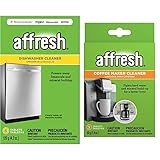
- Powers away limescale and mineral buildup in dishwashers and coffee makers (Affresh brand).
- Cleans inside dishwashers - tub, racks, pump, valve, drain and hoses. Descales coffee makers.
- Compatible with all dishwasher and coffee maker models. Septic safe. EPA Safer Choice certified ingredients.
- Use monthly or as needed. Heavily soiled dishwashers may need extra cleaning.
- Includes 6 dishwasher cleaner tablets and 3 coffee maker descaling tablets.
Who this is for
- Coffee drinkers who want better-tasting brew.
- Home baristas tired of slow drips or weak coffee.
- Anyone looking for an easy way to maintain their coffee maker.
What to check first
Brewer type and filter type
Know what kind of coffee maker you’ve got. Is it a standard drip machine? A fancy pod-based unit? Or maybe a pour-over setup? The cleaning process, especially with cleaners like Affresh, can vary. And what about your filter? Paper, metal, or cloth – each has its own cleaning needs. Affresh is primarily for the internal workings of automatic brewers, not usually for reusable filters themselves.
Water quality and temperature
Hard water is the enemy of coffee makers. It leaves behind mineral deposits that can clog up your machine and affect taste. If your tap water is particularly hard, you’ll need to clean more often. Temperature is key for brewing, but for cleaning, just follow the Affresh instructions. They’ll tell you the right water amount to use.
Grind size and coffee freshness
While not directly related to using Affresh, these impact your coffee quality. A grind that’s too fine can clog your filter basket. Stale coffee just tastes bad, no matter how clean your machine is. For the best cup, use freshly roasted beans ground just before brewing. Affresh helps keep the delivery system clean so that good coffee can shine.
Coffee-to-water ratio
This is about the recipe for your coffee, not the cleaning. Too much coffee or too little water can lead to a weak or bitter cup. When using Affresh, you’re typically just using water and the cleaner tablet or powder, so this isn’t a direct concern during the cleaning cycle itself.
Cleanliness/descale status
When was the last time you descaled? If your coffee maker is slow, making weird noises, or the coffee tastes off, it’s probably time. Affresh is designed to remove those internal mineral deposits. If you haven’t cleaned it in ages, you might need to run a cycle or two.
If your coffee maker is showing signs of mineral buildup, a dedicated drip coffee maker cleaner like Affresh can effectively remove those internal deposits and restore performance.

- Bulk Coffeemaker Decalcifier Tablet: 24 Tablets Work out to a Year Supply or more. Compare to other products like powder, pods, sachet, packets. Choose ACTIVE Cleaning Tablets for better Values
- Wide Brewer Cleaner Compatibility: ACTIVE cleaners work with Single K Cup, Pod Style system and regular multi-cup machines. Compatible with all brands including Breville, Kuerig, Nespresso Vertuo, Philips, Urnex, Moccamaster, Affresh, Kurig, Zojirushi, Verismo, Cuisinart, Oxo, De Longhi, biocaf, Kitchen aid and more
- Descale and Deep Clean: ACTIVE Descales Hard Water Buildup, Calcium, Limescale, Grime, and Oil in your Machine with our concentrated formula
- Enjoy Better Tasting Coffee: Regular Descaling Maintains Temp Stability, Flow, Clarity and Flavor of your Brew, Taste your coffee, not the nasty buildups in your machine
- Extend Life of Coffee Maker: Don't replace your coffee maker every few years! It's essential to use a scale remover tablet to keep your coffee maker in full tip top shape
Step-by-step (how to use Affresh Coffee Maker Cleaner)
1. Empty the machine. Remove any old coffee grounds or water from the reservoir and brew basket.
- What “good” looks like: A clean, empty brew basket and reservoir. No stray grounds hanging around.
- Common mistake: Forgetting to empty the reservoir. This just dilutes the cleaner and makes it less effective.
2. Prepare the cleaning solution. For most drip coffee makers, you’ll fill the water reservoir with fresh water. Then, add one Affresh cleaning tablet or the recommended amount of powder. Check the Affresh packaging for your specific brewer type.
- What “good” looks like: The correct amount of water and cleaner are in the reservoir. The tablet should start to dissolve.
- Common mistake: Using too much or too little cleaner. Stick to the product’s instructions. More isn’t always better here.
3. Run a brew cycle (partial or full). Place an empty carafe or mug under the brew head. Start a brew cycle according to your coffee maker’s manual, but you might only need to run half the cycle, or let it run completely, depending on the Affresh instructions.
- What “good” looks like: The cleaning solution is flowing through the machine. You should see suds or hear it working.
- Common mistake: Not running enough of the solution through the machine. You need the cleaner to reach all the internal parts.
4. Let it sit (if instructed). Some cleaning processes recommend letting the solution sit inside the machine for a period to break down buildup.
- What “good” looks like: The machine is off, and the cleaning solution is resting inside.
- Common mistake: Skipping the soak time if it’s recommended. This is crucial for loosening tough mineral deposits.
5. Discard the cleaning solution. Once the brew cycle (or soak) is complete, carefully discard the hot cleaning solution from the carafe or mug.
- What “good” looks like: The dirty cleaning solution is safely poured down the drain.
- Common mistake: Trying to brew coffee immediately after this step without rinsing. You don’t want cleaner in your morning cup.
6. Run rinse cycles. Fill the water reservoir with fresh, clean water. Run at least two full brew cycles with just water to thoroughly rinse out any remaining cleaner.
- What “good” looks like: Clean water is flowing through the machine, and the carafe is filling with clear water.
- Common mistake: Not running enough rinse cycles. This is the most important step to avoid a chemical taste in your coffee.
7. Clean the exterior. Wipe down the outside of your coffee maker with a damp cloth.
- What “good” looks like: A clean machine, inside and out.
- Common mistake: Neglecting the exterior. Coffee splatters can get sticky and attract dust.
8. Reassemble and brew. Put everything back together. Now you’re ready for a fresh, clean brew.
- What “good” looks like: Your coffee maker is ready to go, looking and smelling clean.
- Common mistake: Rushing the process and not letting the machine dry or cool down if needed.
Common mistakes (and what happens if you ignore them)
| Mistake | What it causes | Fix |
|---|---|---|
| Not reading Affresh instructions | Incorrect cleaner dosage, wrong cycle, or damage to machine | Always check the product label for your specific brewer type. |
| Using tap water with high mineral content | Faster buildup, less effective cleaning, potential machine damage | Use filtered water for brewing and cleaning if possible. Clean more frequently if using hard water. |
| Skipping rinse cycles | Chemical taste in coffee, potential health concerns | Run at least two full brew cycles with fresh water after cleaning. |
| Using the wrong cleaner | Ineffectiveness, damage to machine components (especially with espresso machines) | Ensure you’re using a cleaner specifically designed for coffee makers. |
| Not cleaning regularly | Slow brewing, weak coffee, potential for complete machine blockage | Descale every 1-3 months, or more often with hard water. |
| Forgetting to empty the reservoir | Diluted cleaner, less effective cleaning | Always start with a clean, empty reservoir. |
| Using hot water for the cleaning mix | Can be dangerous, may damage some machine parts | Use cool or room temperature water as directed by Affresh. |
| Using abrasive scrubbers on the exterior | Scratches and damage to the finish | Use a soft, damp cloth for cleaning the outside. |
| Not cleaning single-serve machines often | Clogged needles, mold growth, poor coffee flow | Follow specific cleaning instructions for pod machines; they can get gunky fast. |
Decision rules (simple if/then)
- If your coffee tastes bitter or burnt, then descale your machine because mineral buildup can overheat and scorch coffee grounds.
- If your coffee maker brews much slower than usual, then it’s time to descale because mineral deposits are likely clogging the water flow.
- If you see white, chalky residue in your water reservoir or carafe, then descale your machine because that’s a clear sign of mineral buildup.
- If you use your coffee maker daily and have hard water, then descale every month because buildup happens faster in these conditions.
- If you have a single-serve brewer and notice the water flow is weak or uneven, then clean the needle assembly and descale because clogs are common.
- If you just bought a new coffee maker, then run a water-only rinse cycle before the first brew because there might be manufacturing residue.
- If you’re unsure about specific cleaning instructions for your model, then consult your coffee maker’s manual because different machines have unique needs.
- If you want to improve coffee flavor, then descale regularly because clean equipment makes better coffee.
- If you notice mold or mildew in the water reservoir, then clean and disinfect immediately because it’s a health hazard.
- If you’re using a French press or pour-over, then focus on cleaning the grounds and oils after each use, as Affresh isn’t for manual methods.
- If you’ve just descaled and your coffee still tastes off, then check your coffee beans and grind size because the machine might be clean, but the coffee itself could be the issue.
FAQ
How often should I use Affresh Coffee Maker Cleaner?
Generally, aim to descale your coffee maker every 1 to 3 months. If you have very hard water or use your machine heavily, you might need to clean it more frequently, perhaps monthly.
Can I use Affresh on my Keurig or other single-serve brewer?
Yes, Affresh makes cleaners compatible with most single-serve brewers, including Keurigs. Always check the product packaging to ensure it’s suitable for your specific machine type.
Will Affresh remove coffee oil stains from my carafe?
Affresh is primarily designed to remove mineral buildup (scale) from the internal components of your coffee maker. For coffee oil stains on carafes or brew baskets, a good dish soap and a scrub brush usually do the trick, or you can use a dedicated coffee pot cleaner.
What’s the difference between descaling and cleaning?
Descaling specifically targets mineral deposits (like calcium and magnesium) left behind by hard water. Cleaning generally refers to removing coffee oils, grounds, and general grime. Affresh tackles the descaling aspect.
Is it safe to drink coffee after cleaning with Affresh?
Absolutely, as long as you follow the instructions and run the recommended number of rinse cycles with fresh water. The rinse cycles are crucial for removing any residual cleaner.
Can I use vinegar instead of Affresh?
Vinegar is a common homemade descaler, but it can leave a strong odor and taste that’s hard to get rid of. Affresh is formulated to be effective and rinse clean without leaving behind that characteristic vinegar smell. Many people prefer commercial cleaners for that reason.
My coffee maker is still brewing slowly after using Affresh. What’s wrong?
If you’ve descaled and it’s still slow, you might have a stubborn clog that requires a second cleaning cycle or a more intensive cleaning method recommended by your brewer’s manufacturer. Sometimes, repeated cycles are needed for heavily scaled machines.
Does Affresh clean the brew basket and carafe?
Affresh is for the internal workings of the coffee maker. You should still manually clean your brew basket and carafe with soap and water after each use or as needed to remove coffee oils and residue.
What this page does NOT cover (and where to go next)
- Specific cleaning instructions for espresso machines or commercial brewers. (Check your machine’s manual.)
- Detailed guides on repairing common coffee maker faults. (Look for troubleshooting guides specific to your model.)
- Comparisons of different coffee maker cleaning brands. (Research reviews for other options.)
- Advanced coffee brewing techniques. (Explore resources on grind size, water ratios, and extraction.)
- The environmental impact of coffee maker cleaners. (Investigate eco-friendly cleaning alternatives.)