
Choosing a BPA-Free Coffee Maker
Quick answer
- Prioritize coffee makers with designated BPA-free components, often indicated by specific labeling or certifications.
- Look for materials like glass, stainless steel, or specific BPA-free plastics (like Tritan) in water reservoirs and carafes.
- Consider your brewing method preference, as this significantly impacts the type of coffee maker you’ll need.
- Check manufacturer specifications carefully, as “BPA-free” can apply to some parts but not others.
- For ultimate peace of mind, opt for models with minimal plastic contact points in the brewing process.
- Understand that “BPA-free” doesn’t inherently mean “chemical-free,” but it addresses a specific concern.
Buying priorities
- Material of Water Reservoir: This is a primary contact point for water that will be heated and brewed. Look for glass or stainless steel options if possible.
- Carafe Material: Similar to the reservoir, the carafe is where your brewed coffee sits. Glass or stainless steel are generally preferred over plastic.
- Brew Basket Material: The basket holds the coffee grounds. Some are plastic, others are stainless steel mesh.
- Internal Tubing and Components: While harder to verify, some manufacturers are more transparent about the materials used in internal parts.
- Certifications and Labeling: Look for explicit “BPA-free” labels from reputable organizations or clear statements from the manufacturer.
- Brewing Method: Decide if you prefer drip, single-serve, pour-over, French press, or espresso. This will narrow down your options.
- Capacity Needs: How much coffee do you typically brew at once? Consider single-serve versus multi-cup machines.
- Ease of Cleaning: A coffee maker with easily removable and washable parts, especially those that come into contact with water or coffee, is beneficial.
- Durability and Build Quality: A well-built machine will last longer and potentially have fewer issues with material degradation.
- Temperature Control: For optimal flavor extraction, consistent brewing temperature is important.
Feature comparison
- Brew Method: Drip (automatic), Single-Serve (pod or grounds), Pour-Over (manual), French Press (manual), Espresso (machine).
- Capacity: Ranges from single 6-oz cups to 12-cup carafes.
- Water Reservoir Material: Glass, Stainless Steel, BPA-free plastic (e.g., Tritan), standard plastic.
- Carafe Material: Glass, Stainless Steel (thermal), BPA-free plastic, standard plastic.
- Brew Basket Material: Stainless Steel mesh, BPA-free plastic, standard plastic.
- Temperature Control: Some offer adjustable temperatures, while most maintain a standard brewing range (often around 195-205°F).
- Filter Type: Paper filters, permanent (reusable) metal or mesh filters.
- Cleaning: Dishwasher-safe parts, manual cleaning required, descaling programs.
- Footprint: Compact designs for small kitchens, larger units for counter space.
- Programmability: Auto-start timers, brew strength settings.
- Hot Water Dispenser: Some machines offer this feature for tea or other beverages.
- Grinder Integration: Some models include a built-in grinder for fresh beans.
How to choose step-by-step
1. Identify your primary brewing method.
- What to do: Decide if you want a traditional drip coffee maker, a single-serve machine, a manual pour-over setup, a French press, or an espresso machine.
- What “good” looks like: You have a clear idea of the type of coffee experience you want, which aligns with the available coffee maker styles.
- Common mistake and how to avoid it: Buying a drip machine when you really prefer the control of pour-over. Avoid this by researching different brewing methods and tasting coffee made with each before committing.
2. Determine your capacity needs.
- What to do: Estimate how many cups of coffee you’ll brew at a single time.
- What “good” looks like: You’ve chosen a machine size that matches your household’s coffee consumption, whether it’s a single-serve unit or a 10-12 cup carafe.
- Common mistake and how to avoid it: Purchasing a large carafe machine for a single person or a single-serve machine for a family. Avoid this by honestly assessing your daily coffee needs.
3. Focus on BPA-free materials for critical components.
- What to do: Look for coffee makers where the water reservoir, carafe, and brew basket are explicitly labeled as BPA-free or made from materials like glass or stainless steel.
- What “good” looks like: The manufacturer clearly states that the water reservoir and carafe are BPA-free, or they are constructed from inert materials like glass or stainless steel.
- Common mistake and how to avoid it: Assuming all plastic parts are BPA-free. Avoid this by verifying the material of the water reservoir and carafe specifically, as these are the most crucial.
4. Investigate the water reservoir material.
- What to do: Prioritize models with glass or stainless steel water reservoirs. If plastic is unavoidable, confirm it’s a certified BPA-free type.
- What “good” looks like: The water reservoir is made of glass or stainless steel, or it’s clearly marked as BPA-free plastic.
- Common mistake and how to avoid it: Overlooking the reservoir material, especially in machines where it’s not removable. Avoid this by checking product descriptions and reviews for mentions of reservoir materials.
5. Examine the carafe material.
- What to do: Opt for glass or thermal stainless steel carafes over plastic ones.
- What “good” looks like: The carafe is made of glass, which is easy to clean and doesn’t retain odors, or a double-walled stainless steel thermal carafe to keep coffee hot.
- Common mistake and how to avoid it: Choosing a plastic carafe that can scratch, stain, and potentially leach chemicals over time. Avoid this by looking for glass or stainless steel options.
6. Consider the brew basket and filter type.
- What to do: Look for stainless steel brew baskets or machines that use paper filters. If using a permanent filter, ensure it’s stainless steel.
- What “good” looks like: The brew basket is stainless steel, or the machine comes with a reusable stainless steel filter.
- Common mistake and how to avoid it: Using a plastic brew basket that might degrade or warp with heat. Avoid this by opting for metal components where possible.
7. Check for ease of cleaning and maintenance.
- What to do: Look for machines with removable, dishwasher-safe parts, especially for the carafe, brew basket, and lid.
- What “good” looks like: Key components can be easily detached and cleaned, reducing the risk of mold or mineral buildup.
- Common mistake and how to avoid it: Buying a machine with intricate parts that are difficult to access and clean. Avoid this by checking reviews for comments on cleaning convenience.
8. Read reviews specifically mentioning material safety.
- What to do: Search online reviews and manufacturer Q&A sections for mentions of BPA-free status, plastic concerns, or material quality.
- What “good” looks like: Multiple users and reviewers confirm the BPA-free nature of the machine or highlight the quality of its materials.
- Common mistake and how to avoid it: Relying solely on marketing claims without user verification. Avoid this by cross-referencing information and looking for independent opinions.
Common mistakes (and what happens if you ignore them)
| Mistake | What it causes | Fix |
|---|---|---|
| Assuming all plastics are BPA-free | Potential exposure to BPA or other chemicals that can leach into your coffee, especially when heated. | Always verify specific BPA-free labeling or choose glass/stainless steel components. |
| Not checking the water reservoir material | The reservoir is a primary contact point for water that gets heated; plastic can be a concern. | Prioritize glass or stainless steel reservoirs; if plastic, ensure it’s explicitly BPA-free. |
| Ignoring the carafe material | Plastic carafes can scratch, retain odors, and potentially leach chemicals over time. | Opt for glass or thermal stainless steel carafes for better durability and material safety. |
| Overlooking internal tubing and components | While less common, plastic components within the machine’s water path could be a source of concern. | Look for manufacturers who are transparent about all materials used in the brewing path. |
| Relying solely on “BPA-free” labels | Some manufacturers may only label specific parts, leaving others as a potential concern. | Read the full product description and look for comprehensive material information. |
| Buying a machine with a plastic brew basket | Plastic brew baskets can degrade over time with repeated heating and cleaning. | Choose machines with stainless steel brew baskets or permanent stainless steel filters. |
| Not considering how heat affects plastics | Higher temperatures increase the likelihood of chemical leaching from plastics. | Be extra diligent about material verification for any plastic components that come into contact with hot water or coffee. |
| Forgetting about long-term material degradation | Over time, even BPA-free plastics can degrade, potentially affecting taste or safety. | Invest in higher-quality materials like glass or stainless steel for greater longevity and peace of mind. |
| Not checking for certifications | Generic “BPA-free” claims may not be backed by third-party verification. | Look for certifications from reputable organizations if available. |
| Assuming coffee makers are designed for safety | While many are, not all prioritize material safety as a primary design feature. | Actively seek out brands and models that emphasize BPA-free construction and high-quality materials. |
Decision rules (simple if/then)
- If you prioritize maximum material safety, then choose a coffee maker with a glass or stainless steel water reservoir and carafe because these materials are inert and do not leach chemicals.
- If you are sensitive to potential plastic odors or tastes, then opt for a coffee maker with a glass carafe and a stainless steel brew basket because these materials are non-porous and won’t absorb flavors.
- If you need to brew large batches of coffee regularly, then look for a 10-12 cup drip coffee maker with a glass or thermal stainless steel carafe because this provides capacity and material safety.
- If you prefer single-serve convenience and want to minimize plastic contact, then select a single-serve machine that uses a stainless steel brewing chamber or allows you to use your own grounds in a reusable filter because this reduces reliance on plastic pods.
- If a coffee maker’s water reservoir is made of plastic, then ensure it is explicitly labeled as “BPA-free” and ideally made from a material like Tritan because this provides an extra layer of assurance.
- If you are unsure about the materials used in internal components, then look for brands known for their transparency and commitment to quality because these brands are more likely to use safer materials throughout their products.
- If you want a coffee maker that is easy to clean and maintain, then choose one with removable, dishwasher-safe glass or stainless steel parts because this simplifies the cleaning process and reduces the risk of material degradation.
- If your budget is a primary concern, then look for drip coffee makers with glass carafes and BPA-free plastic reservoirs because these offer a good balance of safety and affordability.
- If you are concerned about the environmental impact of filters, then choose a coffee maker with a permanent, reusable stainless steel filter because this eliminates the need for disposable paper filters.
- If you want to ensure consistent brewing temperatures, then look for a coffee maker with temperature control features or one known for maintaining optimal brewing temperatures (around 195-205°F) because this impacts coffee flavor.
- If you are buying a pour-over setup, then select a dripper made of ceramic, glass, or stainless steel because these are the safest and most inert materials for manual brewing.
- If you are considering a French press, then choose one with a glass beaker and a stainless steel plunger and filter assembly because this ensures minimal plastic contact during the immersion brewing process.
If you are sensitive to potential plastic odors or tastes, then opt for a coffee maker with a glass carafe and a stainless steel brew basket because these materials are non-porous and won’t absorb flavors.

- No Plastic Touching Food: Made with 304 stainless steel and food-grade silicone, our French press keeps all brewing surfaces plastic-free— no odor and no plastic particle into your coffee. Safe and worry-free
- Thickened Glass and Versatile Brewing: Made of high borosilicate glass that resists thermal shock up to 360°F, this thick durable carafe is perfect for hot coffee, cold brew, or loose leaf tea—offering clarity and daily multifunctional use
- 4-Level Filtration for Pure Coffee: This French press has a 4-layer stainless steel filter—spiral plate, cross plate, and two fine mesh screens—that trap tiny coffee particles and brew smooth, sludge-free coffee with clear taste, rich aroma, and flavor
- Easy to Clean: Designed for hassle-free cleanup, the glass carafe disassembles easily for handwashing, while key components like the plunger and filter are dishwasher-safe—ensuring a thorough, convenient clean after every brew
- Versatile and Giftable: Perfect for home use, travel, camping, or the office, this compact French press fits effortlessly into bags or backpacks. Its elegant design and practical value make it a thoughtful gift for coffee lovers on any occasion
If you need to brew large batches of coffee regularly, then look for a 10-12 cup drip coffee maker with a glass or thermal stainless steel carafe because this provides capacity and material safety.
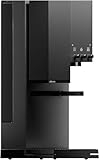
- 1. Three Levels of Automation for Any Skill Level: Choose from Autopilot, Copilot, or Free Solo mode. Autopilot handles the entire brewing process automatically. Copilot provides step-by-step guidance. Free Solo gives you full manual control. This coffee machine works for beginners and professional baristas alike.
- 2. Intuitive User Interface with Tactile Knobs and LED Matrix: The Studio features physical control knobs and a clear LED Matrix display. You can adjust grind size, water temperature, and flow rate in real time without navigating complicated touchscreen menus.
- 3. Full Customization via the xBloom App: Use the xBloom app to create, adjust, save, and share your favorite coffee recipes. Every brewing parameter can be fine-tuned and synced to the machine instantly. Your perfect cup is saved and repeatable.
- 4. Compostable xPod System for Minimal Waste and Maximum Flavor: Each xPod contains carefully selected whole beans and a built-in filter. Tap the recipe card, pour the beans into the grinder, place the pod into the dock, and press start. No capsules, no extra paper filters, no unnecessary waste.
- 5. What Is Included in the Box: The package includes the xBloom Studio, Omni Dripper 2 with Hyperflow Bottom, 10 paper filters, xPod Dock, Magnetic Dosing Cup, default recipe card, quick start guide, cleaning brush, universal power cord, and a 2-Year xbloom brand warranty. Everything you need is included—along with long-term peace of mind.
FAQ
What does “BPA-free” actually mean for a coffee maker?
It means that the plastic components of the coffee maker, specifically those that come into contact with water or brewed coffee, do not contain Bisphenol A (BPA). This is a chemical sometimes found in plastics that some people prefer to avoid.
Are all coffee makers with plastic parts unsafe?
Not necessarily. Many plastics are considered safe for food contact, and manufacturers are increasingly using BPA-free plastics. However, the concern often lies with how these plastics react when heated, and some people prefer to avoid plastic altogether in the brewing process.
Should I worry about BPA if the water reservoir is glass?
If your water reservoir is glass, you generally do not need to worry about BPA from that component. However, always check if other parts, like the brew basket or internal tubing, are made of plastic and if they are BPA-free.
How can I tell if a coffee maker is truly BPA-free?
Look for explicit “BPA-free” labeling on the product packaging or in the manufacturer’s specifications. Reputable brands will clearly state this information. If a manufacturer doesn’t mention it, it’s best to assume it might contain BPA or choose a model made from glass or stainless steel.
Does BPA-free plastic mean it’s completely free of all chemicals?
No. “BPA-free” specifically addresses the absence of Bisphenol A. Other chemicals might be present in different types of plastics. For ultimate peace of mind, materials like glass and stainless steel are often preferred.
Are thermal stainless steel carafes a good alternative to glass?
Yes, thermal stainless steel carafes are an excellent alternative. They are durable, don’t break like glass, and keep coffee hot for extended periods without needing a heating element that can sometimes affect coffee flavor.
What if the coffee maker has a plastic lid on a glass carafe?
It’s common for lids to be made of plastic. In this case, it’s important to check if the lid material is also BPA-free. The amount of contact time and heat exposure for the lid is generally less than for the reservoir or carafe itself.
Are pod-based coffee makers (like K-cups) a good BPA-free option?
Many K-cup style pods and machines use plastics. While some manufacturers state their pods are BPA-free, the plastic components of the machine itself (like the needle assembly or water reservoir) should also be considered. Reusable filter options for these machines can sometimes reduce plastic contact.
What this page does NOT cover (and where to go next)
- Specific brand performance reviews or comparisons. (Next: Look for reviews from reputable consumer testing organizations or coffee enthusiast websites.)
- Detailed chemical analysis of different plastic types beyond BPA. (Next: Research food-grade plastic certifications and materials like Tritan if you want deeper information.)
- The impact of water quality on coffee taste. (Next: Explore guides on water filtration and its importance in home brewing.)
- Advanced brewing techniques for specific coffee roasts. (Next: Consult resources dedicated to specialty coffee brewing and extraction science.)
- Energy efficiency ratings of coffee makers. (Next: Check for Energy Star certifications or manufacturer specifications on power consumption.)
- Long-term durability testing of specific models. (Next: Read user reviews that discuss the longevity of a coffee maker over several years of use.)
