
Can Coffee Worsen Post Nasal Drip?
Quick Answer: Does Coffee Make Post Nasal Drip Worse?
- For most people, coffee doesn’t directly worsen post-nasal drip.
- Caffeine can act as a mild diuretic, which might theoretically affect mucus consistency.
- Acidity in coffee could be a trigger for some sensitive individuals.
- Additives like milk or sugar might play a bigger role than the coffee itself.
- Dehydration is a common cause of thicker mucus, so staying hydrated is key.
- Listen to your body; if you notice a link, it’s worth exploring.
Key Terms and Definitions: Coffee and Post Nasal Drip
- Post Nasal Drip: Mucus from your nasal passages dripping down the back of your throat. It’s a symptom, not a disease.
- Caffeine: A natural stimulant found in coffee beans. It affects the central nervous system.
- Diuretic: A substance that promotes increased urine production. Caffeine is a mild one.
- Acidity: The pH level of a substance. Coffee beans vary in acidity.
- Mucus: A slippery secretion produced by mucous membranes. It lubricates and protects.
- Histamine: A compound released by your body during allergic reactions. It can increase mucus production.
- Inflammation: The body’s response to injury or irritation. It can affect mucus membranes.
- Dehydration: A state where your body loses more fluid than it takes in. This can thicken mucus.
- Allergens: Substances that trigger an allergic reaction.
- Irritants: Substances that cause discomfort or inflammation.
How Coffee Brewing Works
- You start with roasted coffee beans. These beans are ground to a specific size.
- Hot water is then passed through the ground coffee. This process is called extraction.
- The hot water dissolves soluble compounds from the coffee grounds. Think oils, acids, and sugars.
- These dissolved compounds create the coffee beverage you drink.
- Different brewing methods use varying water temperatures and contact times.
- For example, espresso uses high pressure and fine grounds for quick extraction.
- Drip coffee uses gravity and a filter, often with hotter water and longer contact.
- Cold brew uses time and cold water, extracting fewer acidic compounds.
- The grind size is crucial. Too fine, and it can over-extract. Too coarse, and it under-extracts.
- It’s a delicate balance to get the flavor just right.
What Affects Your Coffee and Post Nasal Drip
- Coffee Acidity: Some coffees are naturally more acidic than others. This might irritate some throats. I usually go for a medium roast, less bite.
- Caffeine Content: Higher caffeine levels could potentially have a more pronounced effect, though it’s usually mild.
- Brewing Method: Different methods extract different compounds. Cold brew is often less acidic.
- Water Temperature: Too hot, and you can scorch the grounds, leading to bitter flavors and potentially more harshness.
- Grind Size: An improper grind can lead to over-extraction (bitter, harsh) or under-extraction (sour, weak).
- Bean Freshness: Stale beans lose flavor and can develop off-notes. Fresh is usually best.
- Additives (Milk/Cream): Dairy can be a mucus thickener for some people. Plant-based milks might be an alternative.
- Additives (Sugar/Sweeteners): Excessive sugar can sometimes contribute to inflammation.
- Your Individual Sensitivity: Everyone’s body reacts differently. What bothers one person might be fine for another.
- Hydration Levels: If you’re not drinking enough water, your mucus can thicken, making any drip feel worse. Coffee itself is mostly water, but the diuretic effect needs to be considered.
- Underlying Conditions: Allergies, sinus infections, or GERD can cause post-nasal drip, and coffee might just be a coincidental factor.
- Time of Day: Sometimes symptoms are just worse at certain times, regardless of what you drink.
If dairy is a concern, consider trying a plant-based milk alternative in your coffee. Many delicious options are available that might be gentler on your system.

- HEALTHY NUTRITIOUS & DELICIOUS: 8g of protein per serving, 50% more calcium than milk, low sugar (50% less than milk), and a great source of iron, vitamin D & other essential vitamins & minerals.
- THE BETTER NON-DAIRY MILK: Pea protein has higher nutritional value, is more ecofriendly & sustainable, and tastes better than almond, soy, oat and other plant-based milks!
- NO REFRIGERATION NEEDED: Ripple's ready to drink cartons are shelf stable and single serving, making it the perfect option for a quick, healthy, grab & go beverage!
- ONLY THE GOOD STUFF: 100% dairy-free, nut-free, soy-free, gluten-free, lactose-free & non-GMO, so you can enjoy worry-free!
- BUSINESS FOR GOOD: As both a Public Benefit Corporation (PBC) and a Certified B Corp company, we’re committed to high standards of sustainability, transparency and performance across all areas of our business.
Pros, Cons, and When it Matters: Coffee and Post Nasal Drip
- Pro: Coffee is a great morning ritual. It wakes you up.
- Con: Acidity might bother a sensitive throat.
- Pro: The caffeine can boost focus and energy.
- Con: Potential mild diuretic effect might need balancing with water.
- Pro: Many delicious varieties and brewing methods to explore.
- Con: Dairy additives can be a trigger for some.
- Pro: A warm drink can be comforting.
- Con: If you have GERD, coffee can sometimes trigger reflux, which mimics post-nasal drip.
- Pro: Can be enjoyed socially.
- Con: Over-consumption can lead to jitters, which might feel like discomfort.
- Pro: Relatively inexpensive way to start the day.
- Con: If you’re prone to sinus issues, you might need to experiment to see if coffee is a factor.
- Pro: Antioxidants in coffee are good for you.
- Con: If you’re trying to pinpoint a cause for severe post-nasal drip, coffee is one variable to consider.
Common Misconceptions About Coffee and Post Nasal Drip
- Myth: Coffee always thickens mucus.
- Reality: The science isn’t conclusive. For most, it doesn’t.
- Myth: Caffeine is the main culprit.
- Reality: Acidity or additives are more likely triggers if coffee is an issue.
- Myth: All coffee is highly acidic.
- Reality: Bean origin, roast level, and brewing method significantly impact acidity. Cold brew is a prime example of low-acid coffee.
- Myth: You must give up coffee if you have post-nasal drip.
- Reality: Try different brewing methods or additives first. Many can still enjoy coffee.
- Myth: Post-nasal drip is always caused by infection.
- Reality: Allergies, environmental factors, and even diet play roles.
- Myth: Adding milk always makes it worse.
- Reality: Dairy can be an issue for some, but not universally.
- Myth: Black coffee is always better for post-nasal drip.
- Reality: Acidity is still present in black coffee. It depends on the bean and roast.
- Myth: Coffee causes post-nasal drip.
- Reality: It’s more likely to exacerbate an existing condition or trigger sensitivity in some.
FAQ: Coffee and Post Nasal Drip
Q: Does drinking black coffee make post nasal drip worse?
A: For most people, no. Black coffee’s acidity might be a factor for a few, but it’s usually not the primary cause.
Q: Can caffeine in coffee thicken mucus?
A: Caffeine is a mild diuretic. While dehydration can thicken mucus, the amount of fluid in coffee usually offsets this for most individuals.
Q: What’s the best type of coffee for post nasal drip?
A: Low-acid coffees like cold brew or darker roasts are often better tolerated. Experiment to see what works for you.
Q: Should I avoid coffee if I have allergies?
A: Not necessarily. Focus on managing your allergies. If you notice coffee is a trigger after controlling allergies, then consider limiting it.
Q: Can my coffee maker affect post nasal drip?
A: Not directly. The brewing process itself, the beans, and what you add are the key factors, not the machine’s mechanics.
Q: Is it the coffee or the milk in my latte that’s the problem?
A: Dairy is a common culprit for mucus thickening in some individuals. Try a dairy-free milk or black coffee to see if it makes a difference.
Q: How can I tell if coffee is making my post nasal drip worse?
A: Keep a symptom journal. Note what you drink and how you feel afterward. If you see a pattern, coffee might be a factor.
Q: What if I just love my morning coffee?
A: Try to stay well-hydrated throughout the day. Stick to lower-acid brews and avoid excessive sugar or dairy if you suspect they’re issues.
Maintaining good hydration is crucial for managing post-nasal drip. A humidifier can also help by adding moisture to the air, which can prevent mucus from thickening.
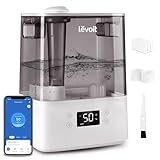
- 𝙀𝙛𝙛𝙤𝙧𝙩𝙡𝙚𝙨𝙨 𝙍𝙚𝙡𝙞𝙚𝙛 𝙁𝙧𝙤𝙢 𝘿𝙧𝙮 𝘼𝙞𝙧: Designed for ultimate comfort, this humidifier effectively covers rooms up to 505 ft² with a powerful 300 mL/h mist output. Its 6 L tank allows up to 60 hours of quiet, continuous humidification
- 𝘼𝙪𝙩𝙤 𝙈𝙤𝙙𝙚 𝙛𝙤𝙧 𝙎𝙢𝙖𝙧𝙩 𝙃𝙪𝙢𝙞𝙙𝙞𝙩𝙮: The built-in sensor prevents over-humidification by monitoring room moisture and adjusting mist output to maintain an ideal humidity level—perfect for kids' rooms and plants
- 𝘼𝙡𝙡-𝙞𝙣-𝙊𝙣𝙚 𝘼𝙥𝙥 & 𝙑𝙤𝙞𝙘𝙚 𝘾𝙤𝙣𝙩𝙧𝙤𝙡: Use the VeSync app from anywhere to adjust mist output, set timers, and monitor humidity in real time. Connect with Alexa and Google Assistant for seamless voice control
- 𝙒𝙝𝙞𝙨𝙥𝙚𝙧-𝙌𝙪𝙞𝙚𝙩 𝙊𝙥𝙚𝙧𝙖𝙩𝙞𝙤𝙣 𝙛𝙤𝙧 𝙋𝙚𝙖𝙘𝙚𝙛𝙪𝙡 𝘽𝙚𝙙𝙧𝙤𝙤𝙢𝙨: Featuring a quiet fan and ultrasonic technology, it operates with minimal disturbance. Ideal for bedtime routines, nurseries, or focused work. Noise Level: ≤ 30dB
- 𝙀𝙖𝙨𝙮-𝙩𝙤-𝘾𝙡𝙚𝙖𝙣 𝙏𝙤𝙥-𝙁𝙞𝙡𝙡 𝘿𝙚𝙨𝙞𝙜𝙣: The unique top-fill water tank makes refilling easy and hassle-free, designed with no hard-to-clean corners for easy maintenance
What This Page Does NOT Cover (and Where to Go Next)
- Specific medical advice for diagnosing or treating post nasal drip. Consult a doctor for that.
- Detailed breakdowns of every single coffee bean varietal and their acidity levels. That’s a whole rabbit hole.
- Comparisons of specific coffee maker models or brands. Check product reviews for that.
- The complex physiological mechanisms of mucus production in relation to every single food or drink. That’s pretty deep science.
- Recommendations for specific allergy medications or treatments. Your doctor is the best resource here.