
Can Coffee Worsen Diarrhea Symptoms?
Quick Answer
- Coffee’s acidity and caffeine can stimulate the digestive system, potentially worsening diarrhea for some individuals.
- The impact varies greatly depending on individual sensitivity, the type of coffee, and brewing method.
- Decaffeinated coffee may be a better option as it removes a primary stimulant.
- Adding milk or cream can introduce lactose, which can also cause digestive upset if you’re lactose intolerant.
- Experimenting with different brewing methods, like cold brew, might reduce acidity and improve tolerance.
- If your diarrhea is severe or persistent, consult a healthcare professional.
What This Problem Usually Is (and Is Not)
- This issue is about how coffee’s components can affect a sensitive digestive system, leading to or exacerbating diarrhea.
- It is not about diagnosing the cause of diarrhea, which requires medical attention.
- We are not advising you to stop drinking coffee entirely, but rather to understand its potential effects.
- This is not about creating a “diarrhea-proof” coffee; individual reactions are too varied.
- The focus is on practical adjustments to your coffee habits, not medical treatment.
- Always prioritize consulting a doctor for persistent or severe digestive issues.
Likely Causes (Triage List)
Caffeine Content:
- High Caffeine: Many coffee beans, especially darker roasts and certain brewing methods, contain significant caffeine. Caffeine is a stimulant that can increase gut motility, potentially leading to faster transit of food and liquids, which can manifest as diarrhea. To confirm, check the caffeine content of your usual brew or try a decaf version.
- Decaf Coffee: While decaf has much less caffeine, it’s not entirely caffeine-free. Small amounts may still affect sensitive individuals. Compare your symptoms when drinking regular versus decaf.
If you’re sensitive to caffeine, switching to decaffeinated coffee can be a good first step to see if it reduces your symptoms.
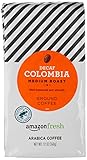
- Balanced, full-bodied medium roast with a smooth finish
- One 12-ounce bag of ground coffee
- Decaffeinated
- 100% Arabica coffee grown in Colombia
- Roasted and packed in the U.S.A.
Acidity:
- Coffee Acidity: Coffee naturally contains acids that can irritate the stomach lining or the intestines. For some, this irritation can lead to cramping and diarrhea. Observe if symptoms worsen immediately after drinking coffee, especially if it’s black.
- Roast Level: Lighter roasts tend to be more acidic than darker roasts. If you switch from a dark roast to a light roast and notice a difference, acidity might be a factor.
Additives:
- Dairy (Milk/Cream): If you add dairy to your coffee, lactose intolerance could be the culprit. Lactose is a sugar that can cause gas, bloating, and diarrhea in those who can’t digest it well. Try your coffee black or with a dairy-free alternative.
- Artificial Sweeteners: Some artificial sweeteners are known to have a laxative effect in sensitive individuals. If you use them, try switching to sugar or a different sweetener.
If you suspect additives like dairy or artificial sweeteners are causing issues, consider exploring digestive health supplements that can aid in breaking down these components.

- Powerful Digestive Support: MassZymes delivers 320,000 units of protein-digesting enzymes (bromelian, amylase, lipase, protease) per capsule, optimizing digestion, reducing bloating, and maximizing nutrient absorption for better gut health.
- Boost Energy & Clarity: Improve digestion, reduce sluggishness, and unlock sustained energy. Enhanced nutrient absorption supports sharpness and helps you feel lighter and more energized.
- Faster Muscle Recovery: Designed for athletes and high-performers, MassZymes accelerates muscle repair and reduces soreness by maximizing protein breakdown for quicker recovery and peak performance using bromelian, amylase, lipase, and protease.
- Clean, Potent Formula: 100% plant-based and vegan-friendly, with no dairy, soy, or fillers. Each capsule works in any stomach environment, ensuring effective digestion from start to finish.
Brewing Method & Coffee Type:
- Brewing Method: Certain brewing methods, like French press, can result in more oils and sediment in the cup, which might be harder for some to digest. Other methods, like cold brew, are often less acidic. Compare symptoms from different brewing methods.
- Coffee Bean Type: Robusta beans generally have more caffeine than Arabica beans. If you’re using a blend with a high percentage of Robusta, it could be contributing.
Fix It Step-by-Step (Brew Workflow)
1. Assess Your Current Coffee:
- What to do: Note the type of beans (Arabica/Robusta blend), roast level (light, medium, dark), and how you brew your coffee (drip, pour-over, espresso, French press, cold brew).
- What “good” looks like: You have a clear understanding of your current coffee’s characteristics.
- Common mistake: Not knowing what’s in your cup. Many people buy pre-ground coffee without checking the bean type or roast.
2. Consider Decaffeination:
- What to do: Switch to decaffeinated coffee for a week.
- What “good” looks like: You notice a significant reduction in diarrhea symptoms while drinking decaf.
- Common mistake: Assuming decaf is completely caffeine-free. While much lower, a small amount of caffeine can still be present and affect highly sensitive individuals.
3. Reduce Acidity:
- What to do: Try a darker roast coffee, as they are generally less acidic. Alternatively, explore cold brew coffee, which is naturally lower in acidity.
- What “good” looks like: Your digestive discomfort decreases when using darker roasts or cold brew.
- Common mistake: Confusing “dark roast” with “strong flavor.” A dark roast is about how long the beans were roasted, not necessarily the caffeine content or bitterness.
4. Re-evaluate Additives:
- What to do: Drink your coffee black for a few days. If symptoms persist, reintroduce milk or cream slowly, or try a dairy-free alternative like almond or oat milk. If you use artificial sweeteners, try sugar or honey.
- What “good” looks like: Symptoms improve when coffee is consumed black or with a specific alternative.
- Common mistake: Blaming coffee itself when the issue is a sensitivity to lactose or artificial sweeteners added to it.
5. Adjust Brewing Method:
- What to do: If you use a method like French press, try a paper filter method (drip or pour-over) to remove more oils and sediment. If you’re using a standard drip, consider trying cold brew.
- What “good” looks like: You find a brewing method that results in a smoother, less irritating cup.
- Common mistake: Sticking to one method without considering how it might affect your digestion.
6. Watch Your Intake:
- What to do: Limit your coffee consumption, especially in the morning when your digestive system may be more sensitive. Avoid drinking coffee on an empty stomach.
- What “good” looks like: You feel better by reducing the amount of coffee or when you drink it.
- Common mistake: Drinking multiple cups throughout the day without considering the cumulative stimulant effect.
7. Hydrate:
- What to do: Ensure you are drinking plenty of plain water throughout the day, especially when consuming coffee.
- What “good” looks like: You feel generally well-hydrated, and coffee doesn’t seem to worsen dehydration-related symptoms.
- Common mistake: Forgetting that coffee can have a mild diuretic effect, and not compensating with extra water.
8. Listen to Your Body:
- What to do: Pay close attention to how you feel after drinking coffee. If symptoms reappear, stop and reassess your choices.
- What “good” looks like: You can enjoy coffee without experiencing digestive distress.
- Common mistake: Ignoring warning signs and continuing to drink coffee that causes discomfort.
Prevent It Next Time
- Clean Your Coffee Maker Regularly: Follow manufacturer instructions for cleaning and descaling to prevent mineral buildup, which can affect taste and potentially introduce unwanted compounds.
- Use Filtered Water: Employ good quality filtered water for brewing; tap water can contain minerals and chemicals that might affect taste and digestion. Store water in a clean, airtight container.
- Measure Coffee and Water Precisely: Use a consistent coffee-to-water ratio (e.g., 1:15 to 1:18) to ensure a balanced brew.
- Grind Freshly: Grind your coffee beans just before brewing for the freshest flavor and to avoid pre-ground coffee’s potential for staleness or added ingredients.
- Choose Appropriate Beans: Opt for beans that suit your taste and digestive sensitivity. Arabica beans are generally smoother and less acidic than Robusta.
- Consider Roast Level: Darker roasts are typically less acidic than lighter roasts.
- Experiment with Brewing: If one method causes issues, try others like cold brew or pour-over with paper filters.
- Mind Your Additives: Be aware of how milk, cream, sweeteners, and their alternatives affect you.
- Don’t Over-Stimulate: Be mindful of your total daily caffeine intake from all sources.
- Listen to Your Gut: If coffee consistently causes digestive upset, it might be best to reduce or eliminate it.
Common Mistakes (and What Happens If You Ignore Them)
| Mistake | What It Causes | Fix |
|---|---|---|
| Ignoring caffeine’s stimulant effect | Increased gut motility, cramping, urgent need to defecate. | Switch to decaf, reduce intake, or choose lower-caffeine beans. |
| Not considering coffee’s acidity | Stomach irritation, heartburn, or diarrhea, especially on an empty stomach. | Opt for darker roasts or cold brew, avoid on an empty stomach. |
| Adding dairy without checking tolerance | Lactose intolerance symptoms: gas, bloating, diarrhea. | Try black coffee, dairy-free alternatives (almond, oat, soy), or lactose-free milk. |
| Using artificial sweeteners | Some sweeteners can have a laxative effect, leading to diarrhea. | Use sugar, honey, maple syrup, or try your coffee plain. |
| Drinking coffee on an empty stomach | Increased acidity and stimulant effects can be more pronounced. | Eat a small breakfast or snack before your coffee. |
| Overconsumption of coffee | Cumulative stimulant effect exacerbates digestive issues. | Limit to one or two cups, spread throughout the day, and monitor your body’s reaction. |
| Using stale or poorly stored beans | Off-flavors and potential for rancid oils that can irritate the stomach. | Buy whole beans, grind fresh, and store in an airtight container away from heat and light. |
| Not cleaning the coffee maker | Mineral buildup and old coffee oils can affect taste and potentially digestion. | Clean your coffee maker regularly according to the manufacturer’s instructions, including descaling. |
| Using unfiltered tap water | Chemicals and minerals can affect taste and may contribute to digestive issues. | Use filtered or bottled water for brewing. |
| Not paying attention to grind size | Incorrect grind can lead to over-extraction (bitter, acidic) or under-extraction. | Use the correct grind size for your brewing method; for sensitive stomachs, experiment with medium to coarser grinds for less acidity. |
Decision Rules (Simple If/Then)
- If you experience diarrhea shortly after drinking coffee, then consider that coffee’s caffeine or acidity might be a trigger because both can stimulate the digestive tract.
- If switching to decaf coffee significantly reduces your symptoms, then caffeine is likely the primary culprit because it’s the main stimulant removed.
- If drinking coffee black causes issues, but adding milk causes them, then you might have a lactose intolerance or a sensitivity to the milk itself, not the coffee.
- If darker roasts are easier on your stomach than lighter roasts, then coffee’s acidity is likely a contributing factor because darker roasts are generally less acidic.
- If cold brew coffee causes fewer issues than hot brewed coffee, then the lower acidity of cold brew is likely the reason because the brewing process extracts fewer acidic compounds.
- If you experience gas and bloating along with diarrhea, then check your additives like milk (lactose) or artificial sweeteners, as these are common causes of such symptoms.
- If your diarrhea is severe, bloody, or accompanied by fever or dehydration, then stop drinking coffee and consult a healthcare professional immediately because these are signs of a more serious condition.
- If you’ve tried decaf, darker roasts, and black coffee without improvement, then the problem might lie with the coffee beans themselves or a different underlying digestive issue that coffee is exacerbating.
- If your symptoms improve when you reduce your coffee intake, then the total amount of coffee consumed is a significant factor, and moderation is key.
- If you notice a difference when using filtered water versus tap water, then water quality might be playing a role in your digestive comfort.
FAQ
Q: Will all coffee make my diarrhea worse?
A: Not necessarily. Individual sensitivity varies greatly. Some people can drink coffee without any digestive issues, while others are more affected by its caffeine or acidity.
Q: Is decaf coffee always safe for diarrhea?
A: Decaf coffee has significantly less caffeine, making it a better option for many. However, it’s not entirely caffeine-free, and its acidity can still be an issue for some.
Q: What is “cold brew” coffee and why might it be better?
A: Cold brew is coffee steeped in cold water for an extended period (12-24 hours). This process results in a less acidic, smoother-tasting coffee that may be easier on sensitive stomachs.
Q: Can the type of coffee bean affect my diarrhea?
A: Yes. Arabica beans are generally smoother and less acidic than Robusta beans, which also tend to have higher caffeine content.
Q: How much coffee is too much if I have diarrhea?
A: There’s no exact number, as it depends on your personal sensitivity. Start by reducing your intake and see if your symptoms improve. Listen to your body.
Q: Should I avoid coffee if I have Irritable Bowel Syndrome (IBS)?
A: Many people with IBS find that coffee, due to its caffeine and acidity, can trigger or worsen their symptoms. It’s often recommended to limit or avoid it, or experiment with decaf and cold brew.
Q: What if my diarrhea is persistent and coffee seems to be the only factor?
A: If diarrhea is ongoing or severe, it’s crucial to consult a healthcare professional to rule out other underlying medical conditions.
Q: Does the temperature of the coffee matter?
A: Some anecdotal evidence suggests that very hot beverages can stimulate the digestive tract. While not as significant as caffeine or acidity, it’s another factor to consider if you’re highly sensitive.
What This Page Does NOT Cover (and Where to Go Next)
- Medical Diagnosis of Diarrhea: This page does not diagnose the cause of diarrhea. If you have persistent, severe, or bloody diarrhea, consult a healthcare professional immediately.
- Specific Medical Advice: This information is for general knowledge and not a substitute for professional medical advice. Always discuss your symptoms with a doctor.
- Nutritional Therapy for Diarrhea: For dietary management of diarrhea, particularly for conditions like IBS or IBD, consult a registered dietitian or nutritionist.
- Detailed Coffee Bean Acidity Charts: While general roast levels are discussed, specific acidity levels vary greatly by bean origin and processing. Consult specialty coffee roasters for detailed information.
- Treatment of Underlying Medical Conditions: This guide focuses on coffee’s role. It does not address the treatment of any medical conditions that may be causing diarrhea.