
Can Coffee Mimic or Affect Alcohol Intoxication?
Quick Answer
- Coffee won’t make you drunk, no matter how much you drink.
- Caffeine is a stimulant, alcohol is a depressant. They work opposite.
- Coffee can mask some effects of alcohol, making you feel less drunk.
- This masking effect can be dangerous, leading to risky behavior.
- Don’t use coffee to “sober up.” It doesn’t work.
- Hydration and time are your only real friends for sobering up.
Key Terms and Definitions
- Intoxication: A state of being affected by a substance, typically alcohol, leading to impaired physical and mental functions.
- Alcohol: A depressant drug that slows down the central nervous system.
- Caffeine: A stimulant drug found in coffee, tea, and other plants that speeds up the central nervous system.
- Stimulant: A substance that increases the activity of the central nervous system.
- Depressant: A substance that decreases the activity of the central nervous system.
- Blood Alcohol Content (BAC): A measure of the amount of alcohol in a person’s bloodstream.
- Metabolism: The chemical processes that occur within a living organism in order to maintain life. Your body metabolizes alcohol over time.
- Tolerance: The ability of the body to endure something, like the effects of a drug, after repeated exposure.
- Placebo Effect: A beneficial effect produced by a placebo drug or treatment, which cannot be attributed to the properties of the placebo itself, and must therefore be assumed to be the result of the patient’s belief in that treatment.
- Sobering Up: The process of the body eliminating alcohol, leading to the return of normal cognitive and motor functions.
How It Works: Coffee vs. Alcohol
- Alcohol gets absorbed into your bloodstream. It then travels to your brain.
- In the brain, alcohol interferes with neurotransmitters. This slows down nerve signals.
- Think of it like putting the brakes on your body’s systems. This leads to slurred speech, poor coordination, and impaired judgment.
- Caffeine works differently. It blocks adenosine, a chemical that makes you feel tired.
- This blockage makes you feel more alert and awake. It’s like stepping on the gas pedal for your brain.
- So, you have one substance slowing you down and another speeding you up. They’re fundamentally opposed.
- When you drink coffee after alcohol, caffeine’s stimulant effects can temporarily override some of alcohol’s depressant effects.
- You might feel more alert. Your thoughts might seem clearer for a bit.
- But the alcohol is still in your system. Its effects on your body and brain haven’t disappeared.
- The coffee just puts a temporary lid on how you perceive those effects.
While this article focuses on coffee, if you’re interested in understanding the effects of caffeine more broadly, consider exploring caffeine supplements. They offer a concentrated dose of caffeine that can highlight its stimulant properties.
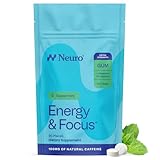
- Fast-Acting Nootropic - Our energy supplements deliver an extra boost of energy and clarity with a blend of natural caffeine, L-theanine, and vitamin b6 & b12. Your go-to chewing gum for work, exercise, and daily focus!
- Clean Energy - Each piece of our sugar free gum delivers 100mg of natural caffeine from green coffee beans for a smooth energy boost without crashes or jitters.
- The Perfect Balance - With 60mg of L-theanine per piece, our energy and focus formula promotes enhanced focus and stress reduction to smooth energy boosts.
- How to Use - Chew one piece of the caffeine gum whenever focus or energy is lacking. Ideal for mornings, pre-workout, or afternoon slumps. Effects typically kick in within minutes thanks to optimal absorption through the mouth.
- Made by Neuro, Backed by Science - At Neuro, we combine neuroscience with clean, science backed ingredients to help you do more, think better, and feel your best every single day.
What Affects How You Feel When Mixing Coffee and Alcohol
- Amount of Alcohol Consumed: This is the biggest factor. More alcohol means stronger effects, regardless of coffee.
- Amount of Caffeine Intake: A strong espresso will have a more noticeable stimulant effect than a weak drip coffee.
- Individual Metabolism: Everyone processes alcohol and caffeine at different rates. Genetics play a role.
- Body Weight and Composition: Larger individuals might process alcohol differently.
- Food Intake: Eating before or while drinking slows alcohol absorption. Coffee’s effects aren’t as directly impacted by food.
- Hydration Levels: Dehydration can worsen the negative effects of both alcohol and caffeine.
- Frequency of Use (Tolerance): Regular coffee drinkers might be less sensitive to caffeine’s jolt. Regular drinkers of alcohol develop tolerance too.
- Type of Coffee Drink: A sugary, creamy coffee drink adds calories and can affect blood sugar, which might influence how you feel overall. A black coffee is just caffeine and water.
- Time Between Consumption: Drinking coffee hours after alcohol will have a different effect than drinking it simultaneously.
- Your Current State of Mind: Feeling stressed or tired before drinking can amplify how you perceive the effects of substances.
- Genetics: Some people are genetically predisposed to metabolize alcohol or caffeine faster or slower.
- Medications: Certain medications can interact with alcohol or caffeine, altering their effects.
Pros, Cons, and When It Matters
- Pro: Temporary Alertness: Coffee can make you feel more awake, which might seem helpful after a few drinks.
- Con: False Sense of Sobriety: This is the big one. You feel less drunk, but you’re not.
- Con: Increased Risk-Taking: Feeling less impaired can lead you to drive, make bad decisions, or engage in risky behavior you wouldn’t otherwise.
- Pro: Enjoyment of Flavor: Some people just enjoy the taste of coffee, even after alcohol.
- Con: Jitters and Anxiety: For some, the combination can lead to unpleasant feelings like jitters or increased anxiety.
- Con: Digestive Upset: Both coffee and alcohol can irritate the stomach. Combining them can exacerbate this.
- Pro: Social Ritual: Coffee is often part of social gatherings, just like alcohol can be.
- Con: Dehydration: Both substances can contribute to dehydration, especially if you’re not drinking water.
- Con: Sleep Disruption: Caffeine’s stimulant effect can interfere with sleep, even if you’ve been drinking alcohol.
- When It Matters: This matters most when you’re considering driving, operating machinery, or making important decisions. Feeling alert doesn’t mean you’re safe or thinking clearly.
- When It Matters Less: If you’re just relaxing at home with a friend and have a cup of coffee after a single drink, the risks are lower, but the core principle remains: you’re not sobering up.
- When It Matters Critically: After consuming a significant amount of alcohol, using coffee to “power through” or “act sober” is a dangerous game.
Common Misconceptions
- “Coffee will sober me up.” Nope. It just makes you feel more awake while the alcohol is still in your system.
- “If I feel awake, I’m not drunk anymore.” False. Feeling awake is a stimulant effect, not an indicator of alcohol elimination.
- “Mixing alcohol and coffee cancels out the effects.” They have opposite effects, but they don’t neutralize each other. You get both sets of impacts.
- “A shot of espresso is like a reset button for alcohol.” It’s more like hitting the accelerator while the brakes are still partially engaged.
- “Coffee helps your body process alcohol faster.” It doesn’t. Your liver metabolizes alcohol at a set rate.
- “If I’m not slurring my words, I’m fine.” Speech impairment is just one sign of intoxication. Judgment, coordination, and reaction time can be impaired long before you slur.
- “I can drink more if I have coffee in between.” This is a dangerous mindset. You’re just masking the effects, not reducing them.
- “Cold brew coffee is less potent, so it’s safer to mix.” Potency relates to caffeine content and brew strength, not its interaction with alcohol.
- “Drinking water with coffee and alcohol negates the danger.” Water helps with hydration, which is good, but it doesn’t speed up alcohol metabolism or counteract intoxication.
- “It’s okay to drive after coffee if I’ve been drinking, as long as I feel alert.” Absolutely not. Your BAC is still elevated, and your judgment is impaired.
FAQ
Does coffee make you drunk?
No, coffee does not make you drunk. Caffeine is a stimulant, and alcohol is a depressant. They have opposite effects on your body.
Can I drink alcohol and coffee together?
You can physically mix them, but it’s not recommended if you’re trying to gauge your sobriety. The caffeine can mask the depressant effects of alcohol, making you feel less drunk than you actually are.
Will coffee help me sober up faster?
No, coffee will not help you sober up faster. Your body metabolizes alcohol at a steady rate, and caffeine does not influence this process.
If I feel alert after drinking coffee, am I sober?
Feeling alert does not mean you are sober. Caffeine is a stimulant that increases alertness, but the alcohol is still in your system and impairing your judgment and coordination.
Is it safe to drive after drinking alcohol and then coffee?
No, it is not safe to drive. Even if you feel more alert due to caffeine, your blood alcohol content (BAC) is still high, and your reaction time and judgment are impaired.
What happens if I mix a lot of alcohol and a lot of coffee?
You’ll likely experience a mix of stimulant and depressant effects. You might feel wired and buzzy but still have impaired motor skills and judgment. This combination can be particularly dangerous because of the false sense of sobriety it can create.
Are there any health risks to mixing coffee and alcohol?
Yes, there can be. The combination can lead to dehydration, increased heart rate, anxiety, jitters, and digestive upset. It also increases the risk of dangerous behaviors due to a false sense of sobriety.
What’s the best way to recover from drinking alcohol?
Time is the only true way to sober up. Staying hydrated with water and getting rest are the most effective methods.
Can I drink coffee before drinking alcohol?
Drinking coffee before alcohol won’t prevent intoxication. It might just make you feel more alert initially, but the alcohol will still take effect.
Does the type of coffee matter when mixing with alcohol?
While the caffeine content can vary, the fundamental issue remains the same. A stronger coffee might provide a more pronounced masking effect, but it doesn’t change the underlying intoxication.
What This Page Does Not Cover (and Where to Go Next)
- Specific BAC calculations: This page focuses on the subjective feeling of intoxication, not precise blood alcohol content. For exact BAC information, consult a reliable online calculator or local regulations.
- Detailed medical advice on alcohol consumption: This article is not a substitute for professional medical guidance. If you have concerns about alcohol use, speak with a doctor or healthcare provider.
- Legal implications of impaired driving: Laws vary by location. If you need information on DUI laws, consult your local government or legal resources.
- How to choose the right coffee maker: This is all about how coffee and alcohol interact, not the brewing process itself. Explore coffee blogs and reviews for brewer recommendations.
- The long-term health effects of chronic alcohol abuse: This article addresses acute effects of mixing. For information on long-term health, seek out health organizations and medical professionals.