
Building a Coffee Bar Cabinet for Your Home
Quick answer
- Design your cabinet to fit your space and coffee gear.
- Choose durable materials like plywood or solid wood.
- Measure twice, cut once. Seriously.
- Plan for electrical outlets if you’re adding powered elements.
- Consider ventilation for heat-producing appliances.
- Think about storage for beans, filters, and mugs.
Who this is for
- Coffee lovers who want a dedicated brewing station.
- DIYers looking for a practical and stylish home project.
- Anyone tired of clutter taking over their kitchen counter.
What to check first
Brewer type and filter type
Know what you’re working with. Is it a pour-over setup? A fancy espresso machine? A classic drip brewer? Each has different footprint and power needs. Filter storage is also a thing. Paper filters need a dry spot. Metal filters can live near the brewer.
Water quality and temperature
While not directly related to cabinet building, think about where your water source will be. If you’re planning a plumbed-in espresso machine, that’s a whole different ballgame for cabinet construction. For most home setups, you’ll be filling a reservoir, so ensure easy access.
Grind size and coffee freshness
Your grinder needs space. Is it a burr grinder that stays put? Or a hand grinder you stash away? Fresh beans need to be kept in an airtight container, away from heat and light. Plan for this storage.
Coffee-to-water ratio
This is more about brewing technique, but it ties into your cabinet’s functionality. If you’re using a scale for precision, make sure there’s a flat, stable surface to put it on.
Cleanliness/descale status
Your cabinet should make cleaning easy. Avoid nooks and crannies where coffee grounds can accumulate. Easy-to-wipe surfaces are your friend. Think about how you’ll descale your machines, too. Will you need to pull them out?
Step-by-step (brew workflow)
This section is a bit different for a cabinet build. It’s more about the process of building.
Step 1: Measure your space and gear
What to do: Get out the tape measure. Figure out the exact dimensions where your coffee bar cabinet will live. Measure your existing coffee maker, grinder, mugs, and any other essentials.
What “good” looks like: You have a clear picture of the maximum height, width, and depth you can work with, and you know the dimensions of all your gear.
A common mistake and how to avoid it: Guessing dimensions. Always measure twice, and then measure again. It’s way easier to adjust plans now than after you’ve cut wood.
Step 2: Sketch out your design
What to do: Grab some paper and a pencil. Draw a rough sketch of what you want your cabinet to look like. Think about shelves, drawers, and any special compartments.
What “good” looks like: A visual representation of your ideal coffee bar, even if it’s messy.
A common mistake and how to avoid it: Not accounting for door swings or drawer pulls. Make sure you have clearance for everything to open and close smoothly.
Step 3: Choose your materials
What to do: Decide what you’ll build it out of. Plywood is sturdy and relatively affordable. Solid wood looks great but can be pricier and harder to work with.
What “good” looks like: You’ve selected materials that fit your budget, skill level, and desired aesthetic.
A common mistake and how to avoid it: Using particle board for structural components. It’s fine for a shelf maybe, but not for the main frame. It won’t hold up over time.
Step 4: Cut your pieces
What to do: Based on your design, carefully cut your chosen materials. Safety first – wear eye protection and know how to use your tools.
What “good” looks like: All your pieces are cut to the correct dimensions, with clean, straight edges.
A common mistake and how to avoid it: Rushing the cuts. Take your time. A slightly imperfect cut can throw off the entire assembly.
Step 5: Assemble the frame
What to do: Start putting the main structure together. Use screws and wood glue for strength.
What “good” looks like: A solid, square frame that stands on its own.
A common mistake and how to avoid it: Not checking for squareness. Use a speed square or framing square to ensure your corners are 90 degrees. A wobbly cabinet is a no-go.
For added durability, always combine screws with a strong wood glue at every joint. This wood glue provides excellent bonding strength for your cabinet.
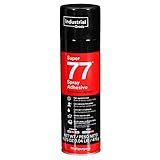
- VERSATILE ADHESIVE: Bonds a wide range of lightweight materials (i.e., paper, cardboard fabric, insulation, plastic, metal, wood, felt, fiberglass, foam, leather, and more)
- INDUSTRIAL GRADE: Provides professional, industrial strength for demanding applications
- AGGRESSIVE TACK: Offers a fast, aggressive tack for a quick bond that reduces set time
- BOND TIME: Allows for a bond time of 15 seconds to 30 minutes
- REPOSITIONABLE: Initially repositionable while providing long lasting strength; Helps to create soft, non dimpling glue lines
When assembling the frame, use high-quality wood screws for a strong, lasting hold. These wood screws are a great option for securing your cabinet’s structure.

- 【VARIOUS SIZES】FIXLINK wood screws assortment kit provides you with 8 common sizes from short to long. Contains #6 X 1/2", 5/8" and #8 x 3/4", 1", 1-1/4", 1-1/2", 2", 2-1/2". The wood screws set and M7 screw anchors meet your daily needs
- 【PREMIUM QUALITY】FIXLINK wood screws assortment kit use high-precision cutting technology, the deep and clear threads and sharp tips can easily penetrate wood and plastic and ensure firm fixation, and are not easy to deform and slide when used
- 【STORAGE PORTABLE】 Our self-tapping screw set packed according to the size, so it is efficient to find screw size required. Screws and anchors are packed in a durable environmental protection plastic box, very convenient to manage and store different size screws and easy to transport and carry
- 【WIDE APPLICATION】Self-tapping wood screw set comes with screw anchors, so it can be used on plastic or wood products, such as drywall, wooden boards, ceilings, partitions, etc. Widely used in furniture, DIY crafts, electrical products, communication equipment, ship assembly, machinery, and other maintenance work
- 【WORRY-FREE SERVICE】FIXLINK focuses on customer satisfaction, if you have any questions or are not satisfied, you can contact us by email, we will solve all your problems as soon as possible
Step 6: Add shelves and dividers
What to do: Install any shelves or internal dividers according to your plan.
What “good” looks like: Shelves are level and securely fastened, ready to hold your coffee gear.
A common mistake and how to avoid it: Placing shelves too close together or too far apart. Think about the height of your coffee maker or storage containers.
Step 7: Install doors and drawers (if applicable)
What to do: Hang doors and install drawer slides. This is where precision really matters.
What “good” looks like: Doors open and close smoothly, and drawers glide in and out without sticking.
A common mistake and how to avoid it: Not mortising hinges or installing drawer slides at an angle. This leads to doors that don’t close flush or drawers that bind.
Step 8: Finishing touches
What to do: Sand down any rough edges, apply paint or stain, and add hardware like knobs or pulls.
What “good” looks like: A beautifully finished cabinet that looks like it came from a high-end furniture store.
A common mistake and how to avoid it: Skipping the sanding or using a cheap finish. This makes your cabinet look amateurish and less durable.
Step 9: Add electrical (optional)
What to do: If you planned for it, install outlets inside the cabinet for your brewer or grinder. Always consult a qualified electrician for this step if you’re unsure.
What “good” looks like: Safe, accessible outlets where you need them.
A common mistake and how to avoid it: Running cords through sharp edges or overloading circuits. Safety is paramount here.
Step 10: Load it up!
What to do: Arrange your coffee gear, beans, mugs, and accessories.
What “good” looks like: A functional, organized, and aesthetically pleasing coffee bar.
A common mistake and how to avoid it: Overcrowding. Leave some breathing room so it doesn’t feel cluttered.
Common mistakes (and what happens if you ignore them)
| Mistake | What it causes | Fix |
|---|---|---|
| Not measuring your existing coffee gear | Cabinets too small to fit your brewer or grinder | Re-measure and adjust cabinet dimensions. May require rebuilding parts. |
| Using particle board for structural elements | Sagging shelves, weak joints, cabinet failure over time | Use plywood or solid wood for the main frame and load-bearing shelves. |
| Forgetting about ventilation | Overheating of appliances, reduced lifespan | Include vents or leave gaps for air circulation, especially for machines that generate heat. |
| Not planning for electrical needs | Extension cords creating a mess and a hazard | Install dedicated outlets within the cabinet during construction. |
| Ignoring door/drawer clearances | Doors that won’t open fully, drawers that snag | Measure and account for hardware swing and slide travel space. |
| Poorly secured shelves | Shelves that sag or collapse under weight | Use proper joinery, screws, and possibly shelf pins for support. |
| Skipping the sanding and finishing | Rough surfaces, poor durability, unprofessional look | Sand thoroughly and apply a quality finish (paint, stain, sealant). |
| Building without a plan | Wasted materials, frustration, a cabinet that doesn’t function well | Sketch out your design and create a cut list before starting. |
| Not considering cleaning access | Grime and coffee grounds build up in hard-to-reach places | Design with smooth surfaces and easy-to-clean corners. |
Decision rules (simple if/then)
- If you’re using a large, heavy espresso machine, then reinforce the top shelf because it needs to support significant weight.
- If you plan to store open bags of coffee beans, then ensure the cabinet is airtight to maintain freshness, because air exposure degrades coffee.
- If you have limited space, then consider a wall-mounted or corner cabinet design because it maximizes vertical space.
- If you’re a pour-over enthusiast, then ensure ample counter space within the cabinet for filter cones and kettles because these setups require more room to operate.
- If you want a built-in look, then ensure the cabinet dimensions precisely match the intended alcove or wall space because this creates a seamless integration.
- If you’re adding lighting, then plan for low-heat LED options because they won’t affect coffee bean storage temperature.
- If you’re using a manual grinder, then make sure there’s a stable, non-slip surface for it because you don’t want it sliding around.
- If you anticipate future upgrades, then build in some extra shelf space or modular compartments because flexibility is key.
- If your cabinet will be near a heat source (like a radiator), then use heat-resistant finishes and consider insulation because direct heat can damage materials.
- If you’re building for a family, then child-proof latches might be a good idea for drawers containing any sharp tools or cleaning supplies.
FAQ
Q: Do I need to be an expert woodworker to build a coffee bar cabinet?
A: Not necessarily. With a good plan and basic tools, most DIYers can tackle a simple cabinet. There are many plans available online for various skill levels.
Q: What’s the best material for a coffee bar cabinet?
A: Plywood is a popular choice for its durability and ease of use. Solid wood offers a premium look but is more expensive and harder to work with.
Q: How much space do I really need for a coffee bar?
A: It depends on your gear. A simple drip machine and mug storage might only need 2-3 feet of width. An espresso machine with a grinder, tamper, and milk frother could easily require 4-6 feet.
Q: Should I add electrical outlets inside the cabinet?
A: It’s highly recommended if you have appliances that plug in. It keeps cords tidy and safe. Just make sure it’s done properly, ideally by an electrician.
Q: What kind of finish is best for a coffee bar cabinet?
A: A durable, easy-to-clean finish is ideal. Polyurethane, a good quality paint, or a sealed laminate will hold up well to spills and daily use.
Q: How do I keep my coffee beans fresh inside the cabinet?
A: Store them in airtight containers. Avoid placing them near heat sources or direct sunlight, which can degrade their flavor.
Q: Can I make a coffee bar cabinet that’s also a standing desk?
A: Yes, you can design multi-functional furniture. Some cabinets can have a fold-out or pull-out work surface.
Q: What if my cabinet needs to be mobile?
A: Add heavy-duty casters to the bottom. Make sure they can support the weight of the cabinet and all its contents.
What this page does NOT cover (and where to go next)
- Detailed woodworking joinery techniques (e.g., dovetails, mortise and tenon). Look for dedicated woodworking courses or books.
- Electrical wiring codes and safety procedures. Consult a qualified electrician or local building codes.
- Advanced finishing techniques like lacquering or high-gloss automotive paint. Explore specialized finishing guides.
- Plumbing for plumbed-in espresso machines. This requires specific knowledge of water lines and drainage.