
Build an Affordable Coffee Table on a Budget
Quick answer
- Use reclaimed or scrap wood for a rustic, free look.
- Pallets are a classic budget material. Just be sure they’re heat-treated, not chemically treated.
- Consider simple designs: a basic box or a plank top on legs.
- Hardware can add up; look for sales or reuse what you have.
- Don’t be afraid of a little sanding and finishing. It makes a huge difference.
- Measure twice, cut once. Seriously. Save yourself headaches.
Who this is for
- Anyone who needs a coffee table but doesn’t want to break the bank.
- DIYers who enjoy a hands-on project and saving cash.
- People looking for a unique piece that reflects their style, not a mass-produced item.
What to check first
Your materials
Scrap wood, old furniture parts, even sturdy crates can be gold. Check construction sites (with permission!), recycling centers, or ask friends if they have anything lying around. Pallets are everywhere, but make sure they’re safe to use indoors. Look for the “HT” stamp – that means heat-treated, not chemically treated.
Your tools
You don’t need a full workshop. A hand saw, some screws, a drill, sandpaper, and maybe some wood glue are a solid start. If you have access to power tools, great, but they’re not essential for a basic build.
Your design
Keep it simple. A flat top and four legs is a classic for a reason. Or a simple box design. Think about the space it needs to fit in and what you’ll use it for. Don’t overcomplicate things for your first build.
Step-by-step (build workflow)
1. Gather your materials. Find wood that’s relatively straight and free of major rot or damage. I once found some old fence posts that worked perfectly for legs.
- What “good” looks like: Wood that’s sturdy enough to hold weight and reasonably flat.
- Common mistake: Using wood that’s warped or has lots of holes.
- Avoid it by: Taking your time to select the best pieces.
2. Measure and cut your pieces. For a simple plank top, cut 3-4 boards to your desired length. For legs, cut four equal lengths.
- What “good” looks like: Clean, straight cuts.
- Common mistake: Cutting pieces unevenly.
- Avoid it by: Using a straight edge and a sharp saw. Measure twice, cut once.
3. Sand your pieces. This is crucial for a smooth finish and to avoid splinters. Start with a coarser grit (like 80 or 100) and move to finer grits (150, 220).
- What “good” looks like: A smooth surface that feels good to the touch.
- Common mistake: Skipping sanding or using only fine grit on rough wood.
- Avoid it by: Being patient and working through the grits.
For a smooth finish, a good sanding block can make this step much easier and more effective. It helps you apply even pressure.

- 【ASSORTED GRIT SANDING BLOCKS】 8 sand blocks, 4 sizes from coarse to ultra-fine sand, 60/80/120/220 grit, 2 blocks for each grit. There are four different colors, grey (corresponding to grit size - 220), blue (120), green (80), and orange (60), with different numbers of grains for different colors.
- 【HIGH-QUALITY MATERIALS】These sanding sponges are made of high-density sponge, flexible, tear-resistant, and very durable. sanding block sand will not come off.
- 【VERSATILE APPLICATION】The different sanding blocks can be used for different abrasive projects in woodworking, furniture polishing, metal dusting, primer polishing, drywall, wood filler, and other finishes.
- 【WASHABLE and REUSABLE SANDPAPER BLOCK】This sanding sponge can be used wet or dry, these drywall sanding blocks are very versatile. sanding blocks can be used straight away or applied wet to the surface of an object for polishing, the sanding sponges both provide excellent polishing power while reducing the need for frequent cleaning, ultimately increasing your productivity.
- 【PROFESSIONAL SERVICES】We are confident in offering a 100% Satisfaction Guarantee as we are confident that you will be satisfied with our sand block. We always strive to create a higher quality abrasive product line that offers superior abrasive performance, if there are any questions about this product, please feel free to contact us and we will resolve them for you within 24 hours!
4. Assemble the top. Lay out your top boards side-by-side. You can attach them with cross braces underneath or by screwing through the sides if you’re using thicker wood.
- What “good” looks like: A flat, sturdy surface with no large gaps.
- Common mistake: Gaps between the top boards that are too big.
- Avoid it by: Clamping the boards together tightly while you attach them.
For extra strength and durability, always use a high-quality wood glue in addition to screws when assembling your top boards.
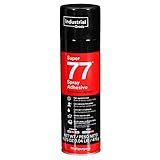
- VERSATILE ADHESIVE: Bonds a wide range of lightweight materials (i.e., paper, cardboard fabric, insulation, plastic, metal, wood, felt, fiberglass, foam, leather, and more)
- INDUSTRIAL GRADE: Provides professional, industrial strength for demanding applications
- AGGRESSIVE TACK: Offers a fast, aggressive tack for a quick bond that reduces set time
- BOND TIME: Allows for a bond time of 15 seconds to 30 minutes
- REPOSITIONABLE: Initially repositionable while providing long lasting strength; Helps to create soft, non dimpling glue lines
5. Attach the legs. Flip the top upside down. Position your legs at the corners and attach them securely. You can screw them directly into the top or use corner braces for extra stability.
- What “good” looks like: Legs that are plumb (straight up and down) and firmly attached.
- Common mistake: Legs that are wobbly or not at right angles.
- Avoid it by: Using a square to ensure the legs are perpendicular to the top.
When attaching the legs, make sure to use appropriate wood screws that are long enough to create a strong bond without protruding through the top.

- 【VARIOUS SIZES】FIXLINK wood screws assortment kit provides you with 8 common sizes from short to long. Contains #6 X 1/2", 5/8" and #8 x 3/4", 1", 1-1/4", 1-1/2", 2", 2-1/2". The wood screws set and M7 screw anchors meet your daily needs
- 【PREMIUM QUALITY】FIXLINK wood screws assortment kit use high-precision cutting technology, the deep and clear threads and sharp tips can easily penetrate wood and plastic and ensure firm fixation, and are not easy to deform and slide when used
- 【STORAGE PORTABLE】 Our self-tapping screw set packed according to the size, so it is efficient to find screw size required. Screws and anchors are packed in a durable environmental protection plastic box, very convenient to manage and store different size screws and easy to transport and carry
- 【WIDE APPLICATION】Self-tapping wood screw set comes with screw anchors, so it can be used on plastic or wood products, such as drywall, wooden boards, ceilings, partitions, etc. Widely used in furniture, DIY crafts, electrical products, communication equipment, ship assembly, machinery, and other maintenance work
- 【WORRY-FREE SERVICE】FIXLINK focuses on customer satisfaction, if you have any questions or are not satisfied, you can contact us by email, we will solve all your problems as soon as possible
6. Add any bracing or support. If your design is simple, you might want some cross braces under the top for added rigidity, especially if you’re using thinner wood.
- What “good” looks like: A table that doesn’t flex or wobble easily.
- Common mistake: A table that feels flimsy.
- Avoid it by: Adding a few extra pieces of wood for support where needed.
7. Finish the wood. Apply a stain, paint, or sealant. This protects the wood and makes it look finished. A clear coat is a great way to show off the wood grain.
- What “good” looks like: An even coat with no drips or missed spots.
- Common mistake: Uneven application of finish.
- Avoid it by: Applying thin, even coats and letting each one dry properly.
8. Allow it to cure. Let your finish dry completely according to the product’s instructions before placing anything on the table.
- What “good” looks like: A hard, non-tacky surface.
- Common mistake: Using the table too soon.
- Avoid it by: Being patient! It’s worth the wait.
Common mistakes (and what happens if you ignore them)
| Mistake | What it causes | Fix |
|---|---|---|
| Using untreated or chemically treated wood | Splinters, rot, potential off-gassing, weak structure | Always use heat-treated (HT) wood, especially for pallets. If unsure, don’t use it. |
| Poorly measured or cut pieces | Uneven joints, wobbly table, difficult assembly | Measure twice, cut once. Use a straight edge and a sharp saw. |
| Insufficient sanding | Rough surface, splinters, finish doesn’t adhere well | Sand thoroughly with progressively finer grits. |
| Not enough screws or glue | Weak joints, table will loosen over time | Use plenty of screws and wood glue at all connection points. |
| Attaching legs at an angle | Unstable table, looks unprofessional | Use a carpenter’s square to ensure legs are perpendicular to the top. |
| Using hardware that’s too small | Joints pull apart, table becomes unstable | Use screws and fasteners appropriate for the weight and stress the table will endure. |
| Rushing the finishing process | Streaky finish, drips, damage to the surface | Apply thin, even coats and allow adequate drying time between them. |
| Not checking for squareness | Legs not aligned, table may not sit flat | Use a carpenter’s square throughout the assembly process to ensure corners are true 90 degrees. |
| Over-tightening screws | Wood splitting | Drive screws until snug, then stop. Pre-drilling pilot holes helps prevent splitting. |
| Forgetting to pre-drill pilot holes | Wood splitting, especially near edges | Always pre-drill pilot holes for screws, especially in hardwoods or near the end of a board. |
Decision rules (simple if/then)
- If your wood is slightly warped, then use it for cross braces or internal supports because these parts don’t need to be perfectly flat.
- If you’re using pallet wood, then check for the “HT” stamp because this indicates it’s heat-treated and safe for indoor use.
- If you want a really smooth finish, then sand with at least 220-grit sandpaper because finer grits create a smoother surface.
- If your table feels a bit wobbly, then add some diagonal bracing underneath because this adds significant structural integrity.
- If you’re attaching legs to a thin top, then use corner braces or a thicker apron piece because direct attachment might not be strong enough.
- If you’re using screws near the edge of the wood, then pre-drill pilot holes because this prevents the wood from splitting.
- If your wood has some discoloration, then a darker stain or paint can hide it effectively because the pigment will cover imperfections.
- If you want a truly waterproof finish, then use a marine-grade varnish or polyurethane because these offer superior protection against moisture.
- If you’re unsure about the strength of a joint, then add more screws or a bit of wood glue because extra reinforcement is always a good idea.
- If you find some really cool, unique wood, then consider a clear finish to showcase its character because you don’t want to hide something special.
- If your budget is extremely tight, then look for free scrap wood or old furniture to repurpose because you can find amazing materials for free.
FAQ
Can I use any kind of wood?
Pretty much, but avoid wood that’s rotten, heavily infested with bugs, or treated with harmful chemicals. Pallets marked “HT” (heat-treated) are a good bet.
How do I make sure my table is stable?
Solid joinery is key. Use plenty of screws and wood glue. Adding diagonal bracing underneath the top will also make a huge difference.
What’s the easiest way to attach legs?
For simple legs, you can screw them directly into the underside of the tabletop. For more stability, especially with thinner tops, consider adding a frame or “apron” around the underside to attach the legs to.
Do I really need to sand?
Yes, unless you’re going for a super rustic, rough look. Sanding makes the surface smooth, prevents splinters, and helps your finish look way better.
What kind of finish should I use?
A clear polyurethane or varnish will protect the wood and let its natural beauty show. Paint or stain can hide imperfections or add color. Pick what suits your style and the wood you have.
How can I make it look more professional?
Take your time with the cuts and sanding. Pre-drilling pilot holes for screws prevents splitting. A good, even finish makes a world of difference.
Is it okay if there are small gaps between the top boards?
For a casual coffee table, small gaps are usually fine. If you want a completely solid surface, you’ll need to join the boards more tightly, perhaps with biscuit joints or by planing the edges perfectly flat.
How much weight can a DIY coffee table hold?
This depends entirely on your design and construction. A well-built table using sturdy wood and good joinery can hold a surprising amount of weight, easily enough for books, drinks, and decor.
What this page does NOT cover (and where to go next)
- Advanced joinery techniques like mortise and tenon or dovetails. Look into woodworking books or online courses for these.
- Specific finishing techniques like epoxy resin pours or complex painting methods. Search for tutorials on those specific finishes.
- Designing for specific aesthetic styles beyond basic functionality. Explore interior design resources for inspiration.
- Using power tools like routers or table saws for advanced shaping. Safety guides and beginner courses for these tools are a good starting point.