
Brewing With Your Cuisinart Drip Coffee Maker
Quick answer
- Always start with fresh, whole bean coffee. Grind it right before brewing.
- Use filtered water. Tap water can mess with flavor and build up scale.
- Get your coffee-to-water ratio right. A good starting point is 1:15 to 1:17.
- Make sure your Cuisinart is clean. Descale it regularly.
- Preheat your mug. Cold mugs steal heat and ruin a good brew.
- Don’t walk away and forget it. Fresh coffee is best enjoyed immediately.
Who this is for
- Anyone who just got a new Cuisinart drip coffee maker and wants to get it right from the start.
- Folks who have had their Cuisinart for a while but feel like their coffee could be better.
- Coffee drinkers who appreciate a solid cup of joe without a ton of fuss.
If you’re looking to get the most out of your new Cuisinart drip coffee maker, starting with the right accessories can make a big difference.
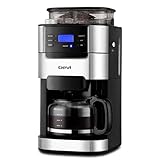
- 【𝟐-𝟏𝟎 𝐂𝐮𝐩 𝐅𝐥𝐞𝐱𝐢𝐛𝐥𝐞 𝐂𝐚𝐩𝐚𝐜𝐢𝐭𝐲】Our drip coffee maker with built-in grinder lets you brew anywhere from 2 to 10 cups. Simply use the “POWDER 2-10” button to adjust the ratio of coffee to water for your perfect strength.
- 【𝐂𝐮𝐬𝐭𝐨𝐦𝐢𝐳𝐚𝐛𝐥𝐞 𝐁𝐫𝐞𝐰 & 𝐆𝐫𝐢𝐧𝐝】This all-in-one machine with a burr grinder offers 3 grind strength levels and 8 adjustable settings. Grind fresh whole beans right before brewing for consistently smooth, flavorful coffee.
- 【𝐑𝐞𝐮𝐬𝐚𝐛𝐥𝐞 & 𝐄𝐚𝐬𝐲-𝐂𝐥𝐞𝐚𝐧 𝐅𝐢𝐥𝐭𝐞𝐫】The coffee maker includes a durable reusable filter that is easy to clean—just rinse with water for quick maintenance and less waste.
- 【𝐈𝐦𝐩𝐨𝐫𝐭𝐚𝐧𝐭 𝐍𝐨𝐭𝐞】Product dimensions: 12.36"D x 8.38"W x 16.93"H. Please measure your countertop and cabinet space beforehand to ensure proper fit.
- 【𝐏𝐫𝐞-𝐁𝐫𝐞𝐰 𝐄𝐱𝐭𝐫𝐚𝐜𝐭𝐢𝐨𝐧 𝐓𝐞𝐜𝐡𝐧𝐨𝐥𝐨𝐠𝐲】Featuring advanced pre-brew technology, this black & silver coffee maker evenly saturates coffee grounds through precise temperature control, unlocking richer flavor and aroma before full brewing.
What to check first
Brewer type and filter type
Most Cuisinart drip machines use paper filters. You’ll find cone-style filters or basket-style filters, depending on your model. Check your manual if you’re not sure. Using the wrong filter can lead to messy overflows or weak brews.
Water quality and temperature
Your coffee is mostly water, so good water matters. If your tap water tastes off, your coffee will too. Filtered water is your friend here. The ideal brewing temperature for coffee is usually between 195°F and 205°F. Most drip machines handle this automatically, but it’s good to know.
Grind size and coffee freshness
This is huge. Whole beans lose their flavor fast after grinding. Buy beans you like, and grind them just before you brew. For drip coffee, a medium grind is usually best. It should look like coarse sand. Too fine, and it clogs; too coarse, and you get weak coffee.
Coffee-to-water ratio
This is where you dial in the strength. A common starting point is around 1:15 to 1:17. That means for every gram of coffee, you use 15 to 17 grams of water. For home brewers, this often translates to about 1 to 2 tablespoons of ground coffee per 6 oz of water. Adjust to your taste.
Cleanliness/descale status
A dirty coffee maker is a flavor killer. Old coffee oils go rancid and make your brew taste bitter. If you haven’t cleaned or descaled your Cuisinart in a while, do it now. Most Cuisinart models have a clean cycle or indicator. Check your manual for specific instructions.
Step-by-step (brew workflow)
1. Gather your gear: Get your Cuisinart, a filter, fresh coffee beans, a grinder, and your favorite mug.
- Good looks like: Everything is clean and ready to go.
- Mistake to avoid: Grabbing stale pre-ground coffee. You’ll thank yourself later for the fresh grind.
2. Filter prep: Place the correct filter into the brew basket. If using a paper filter, give it a quick rinse with hot water.
- Good looks like: The filter sits snugly without collapsing.
- Mistake to avoid: Forgetting to rinse the paper filter. This can leave a papery taste in your coffee.
3. Add coffee grounds: Measure your whole beans. Grind them to a medium consistency, like coarse sand. Add the grounds to the filter.
- Good looks like: Evenly distributed grounds in the filter.
- Mistake to avoid: Grinding too fine. This can lead to over-extraction and bitter coffee, or even clog the filter.
4. Add water: Fill the water reservoir with fresh, filtered water. Use the markings on the reservoir or carafe to measure.
- Good looks like: The water level is clear and matches your desired brew amount.
- Mistake to avoid: Using hot water in the reservoir. The machine heats the water; adding hot water can damage components.
5. Place the carafe: Make sure the carafe is properly seated on the warming plate.
- Good looks like: The carafe is fully in place, ready to catch the coffee.
- Mistake to avoid: Forgetting to put the carafe back. Coffee grounds and hot water everywhere. Not a fun cleanup.
6. Start the brew cycle: Close the lid and press the brew button.
- Good looks like: The machine powers on and starts dripping.
- Mistake to avoid: Not ensuring the lid is fully closed. Some machines won’t start without a secure lid.
7. Brewing begins: Watch as the water heats and drips through the grounds.
- Good looks like: A steady, even flow of coffee into the carafe.
- Mistake to avoid: Stopping the brew mid-cycle unless your machine has a “pause and serve” feature. Interrupting can disrupt the extraction process.
8. Brew complete: Once the dripping stops and the machine signals it’s done, carefully remove the carafe.
- Good looks like: The carafe is full of hot, dark coffee.
- Mistake to avoid: Leaving the coffee on the warming plate for too long. It can get burnt and bitter.
9. Serve immediately: Pour your fresh coffee into a preheated mug.
- Good looks like: A steaming mug of delicious coffee.
- Mistake to avoid: Letting it sit on the hot plate for hours. Fresh is best.
10. Clean up: Discard the used grounds and filter. Rinse the brew basket and carafe.
- Good looks like: A clean workspace and brewing equipment.
- Mistake to avoid: Letting coffee grounds sit in the basket. They can get moldy.
Common mistakes (and what happens if you ignore them)
| Mistake | What it causes | Fix |
|---|---|---|
| Using stale, pre-ground coffee | Weak, flat, or bitter coffee. Loses aromatic oils quickly. | Buy whole beans and grind just before brewing. |
| Using tap water with off-flavors | Unpleasant metallic or chlorine notes in your coffee. | Use filtered or bottled water. |
| Incorrect grind size (too fine) | Over-extraction, bitter taste, slow brewing, potential overflow. | Use a medium grind, like coarse sand. Check your grinder settings. |
| Incorrect grind size (too coarse) | Under-extraction, weak, sour, watery coffee. | Use a medium grind. |
| Wrong coffee-to-water ratio (too much coffee) | Over-extracted, intensely bitter, and strong coffee. | Use less coffee or more water. Aim for 1:15 to 1:17 ratio. |
| Wrong coffee-to-water ratio (too little coffee) | Under-extracted, weak, watery, and bland coffee. | Use more coffee or less water. |
| Not cleaning the machine regularly | Rancid coffee oils build up, leading to bitter, stale, or off-flavors. | Clean the brew basket and carafe daily. Descale every 1-3 months. |
| Leaving coffee on the warming plate | Coffee gets burnt, develops a bitter, “baked” taste. | Drink immediately or transfer to a thermal carafe. |
| Using the wrong type of filter | Coffee grounds in your cup, messy overflow, or poor water flow. | Ensure you’re using the correct size and shape filter for your model. |
| Rinsing paper filters | Papery taste in your coffee. | Always rinse paper filters with hot water before adding grounds. |
| Not preheating your mug | Coffee cools down too quickly, affecting aroma and perceived flavor. | Rinse your mug with hot water before pouring coffee into it. |
Decision rules (simple if/then)
- If your coffee tastes bitter, then reduce the coffee dose or try a coarser grind because over-extraction is likely.
- If your coffee tastes weak and sour, then increase the coffee dose or try a finer grind because under-extraction is likely.
- If you notice a papery taste, then make sure you are rinsing your paper filters before brewing because leftover paper residue is the culprit.
- If your Cuisinart is brewing slowly or making strange noises, then it’s probably time to descale because mineral buildup is obstructing the flow.
- If your coffee tastes “off” or like old grounds, then clean your brew basket and carafe thoroughly because old coffee oils can go rancid.
- If you’re seeing grounds in your cup, then check that you are using the correct filter type and that it’s seated properly because improper filtration is the cause.
- If your coffee cools down too fast, then preheat your mug with hot water because a cold mug will steal heat from your fresh brew.
- If your coffee tastes metallic, then switch to filtered water because your tap water might contain minerals or chlorine that affect flavor.
- If the brew basket overflows, then you might be using too fine a grind or too much coffee, or the filter isn’t seated correctly, so check those first.
- If you want a stronger cup, then increase your coffee-to-water ratio slightly (e.g., from 1:17 to 1:16) because more coffee means more flavor.
- If you want a milder cup, then decrease your coffee-to-water ratio slightly (e.g., from 1:15 to 1:16) because less coffee means less intensity.
- If your coffee tastes burnt, then avoid leaving it on the warming plate for extended periods because prolonged heat degrades the flavor.
FAQ
How often should I descale my Cuisinart?
Check your manual, but generally, descale every 1-3 months, depending on your water hardness and how much you brew. Mineral buildup affects performance and taste.
Can I use any type of coffee filter?
No, you need the filter type specified for your Cuisinart model. Most use standard cone or basket paper filters, but sizes vary. Using the wrong one can cause leaks or poor brewing.
What’s the best way to store coffee beans?
Keep them in an airtight container in a cool, dark place, away from heat and moisture. Avoid the refrigerator or freezer unless storing for very long periods, and then ensure it’s vacuum-sealed.
My coffee tastes bitter. What could be wrong?
This is often due to over-extraction. Try a coarser grind, a lighter roast, or a slightly lower coffee-to-water ratio. Also, ensure your machine is clean.
My coffee tastes weak. What should I do?
This is usually under-extraction. Try a finer grind, a darker roast, or a higher coffee-to-water ratio. Make sure you’re using enough coffee for the amount of water.
Is it okay to leave coffee on the warming plate?
For a short while, maybe. But for more than 30 minutes, the coffee can develop a burnt, stale flavor. It’s best to drink it fresh or transfer it to a thermal carafe.
How much coffee should I use?
A good starting point is 1 to 2 tablespoons of ground coffee per 6 oz of water. This usually falls into a 1:15 to 1:17 coffee-to-water ratio by weight. Adjust to your preference.
Can I use flavored coffee beans?
Sure, but be aware that flavored beans can leave residue in your grinder and brewer, potentially affecting subsequent brews. Clean your equipment more frequently if you use them often.
What this page does NOT cover (and where to go next)
- Specific troubleshooting for error codes or electronic malfunctions. (Consult your Cuisinart manual or customer support.)
- Advanced brewing techniques like pour-over or espresso. (Explore dedicated guides for those methods.)
- Recommendations for specific coffee bean brands or roasters. (Experiment with local roasters or online shops.)
- Detailed comparisons between Cuisinart models. (Check product reviews and manufacturer specs.)