
Brewing Traditional Tubruk Coffee
Quick answer
- Tubruk coffee is a simple, unfiltered brewing method originating from Indonesia.
- It involves steeping finely ground coffee directly in hot water.
- Use a fine grind, similar to espresso or powdered sugar.
- A common ratio is 1:10 coffee to water (e.g., 1 tablespoon coffee to 10 tablespoons water).
- Heat water to just off the boil, around 200°F.
- Stir briefly, let grounds settle, then sip carefully to avoid grounds.
Who this is for
- Coffee enthusiasts looking to explore traditional and minimalist brewing methods.
- Those who enjoy a rich, full-bodied coffee experience with sediment.
- Individuals seeking a quick and easy coffee preparation method without special equipment.
What to check first
Brewer type and filter type
Tubruk coffee is an unfiltered method. This means there is no separate brewer or filter in the traditional sense. The coffee grounds are steeped directly in the serving vessel, typically a mug or small pot.
Water quality and temperature
Use fresh, filtered water for the best flavor. Tap water with strong chlorine or mineral tastes can negatively impact your coffee. The ideal water temperature is just off the boil, around 200°F. Boiling water can scorch the coffee grounds, leading to a bitter taste. Letting the kettle sit for about 30-60 seconds after boiling usually brings it to the correct temperature.
Grind size and coffee freshness
For tubruk, a very fine grind is essential. It should be as fine as powdered sugar or even finer, similar to what you’d use for Turkish coffee. This fine grind allows for maximum extraction and helps the grounds settle to the bottom of the cup. Freshly roasted and ground coffee will yield the best flavor. Grind your beans just before brewing for optimal results.
For tubruk, a very fine grind is essential. It should be as fine as powdered sugar or even finer, similar to what you’d use for Turkish coffee. You can find excellent finely ground coffee options online that are perfect for this method.

- THE COFFEE YOU DESIRE - illy’s blend of fine Arabica ground coffee with a distinctive flavor, featuring a bold and full-bodied taste with warm notes of cocoa and dried fruit.
- PREPARE COFFEE WITH EASE - Evoke a classic Italian beverage at any time. Coffee is to be freshly prepared and enjoyed immediately. Create the finest coffee experience in the comfort of your home.
- THE FINEST GROUND COFFEE - We select only the 1% of the finest beans, thanks to a devoted collaboration with growers who place maximum importance on quality and sustainability.
- WE BRING THE TASTE OF ITALY TO YOU - We’ve spent eight decades refining a singular, signature blend celebrated over the world as the pinnacle of what espresso coffee can be.
- SUSTAINABILITY IS OUR VISION - We pride ourselves on the constant focus on our environment and the community. We are part of a global movement with a common goal: to pave the way for a better, more liveable and more enlightened world.
Coffee-to-water ratio
A good starting point for tubruk coffee is a 1:10 ratio of coffee to water by volume. For example, use one tablespoon of coffee grounds for every ten tablespoons of water. You can adjust this ratio to your preference. More coffee will result in a stronger brew, while less will make it weaker.
Cleanliness/descale status
While tubruk doesn’t use complex machinery, the vessel you use for brewing should be clean. Any residue from previous beverages can impart off-flavors. If you’re using a small pot or kettle for heating water, ensure it’s also clean and free of mineral buildup.
Step-by-step (brew workflow)
1. Gather your ingredients and tools: You’ll need your finely ground coffee, hot water, a mug, and a spoon.
- What “good” looks like: Everything is ready and within reach.
- Common mistake: Forgetting to grind the coffee beforehand.
- How to avoid it: Grind your beans immediately before you start the brewing process.
You’ll need your finely ground coffee, hot water, a mug, and a spoon. A sturdy coffee mug is ideal for brewing tubruk coffee directly in.
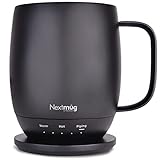
- ALWAYS THE PERFECT TEMPERATURE – The Nextmug will keep your hot coffee, tea or preferred beverage at the perfect temperature wherever you are. Simply select Warm (130° F), Hot (140° F), or Piping (150° F) and enjoy for hours.
- SMART MUG TECHNOLOGY – Long-lasting battery maintains your ideal temperature. LED lights display battery life & real-time temperature. Includes Spill-Resistant Lid & Charging Coaster.
- SUPER SIMPLE – On-board Control Button easily turns mug On/Off & sets the temperature. Takes only seconds to set the mug to your perfect temperature. No app required - no passwords, re-booting or security concerns.
- THE PERFECT GIFT - Give the gift for him and the gift for her that is certain to delight. Perfect for everyone on your list…moms, dads, grandmas, grandpas, teachers, birthdays, graduations and more!
- NEXTMUG CARES - Nextmug cares about our communities and our customers. We care by donating Nextmugs to teachers and first responders . We’re also committed to sustainable packaging by using 100% recyclable materials with all our products. Our dedicated customer service agents are based in the USA and always ready to help.
2. Add coffee grounds to your mug: Measure your finely ground coffee and place it into your serving mug.
- What “good” looks like: The correct amount of fine grounds sits at the bottom of the mug.
- Common mistake: Using too much or too little coffee.
- How to avoid it: Stick to the recommended ratio (e.g., 1:10) as a starting point and adjust in future brews.
3. Heat your water: Heat fresh, filtered water to just off the boil (around 200°F).
- What “good” looks like: Steam is rising, but the water is not vigorously bubbling.
- Common mistake: Using boiling water, which can scald the coffee.
- How to avoid it: Let your kettle rest for 30-60 seconds after it reaches a boil.
4. Pour a small amount of water: Pour just enough hot water over the grounds to saturate them.
- What “good” looks like: The grounds are wet and begin to form a thick paste.
- Common mistake: Pouring all the water at once, which can lead to uneven saturation.
- How to avoid it: This initial pour, often called a bloom, helps release gases.
5. Wait for the bloom: Let the coffee and water mixture sit for about 30 seconds.
- What “good” looks like: You might see some bubbling or expansion as the coffee releases CO2.
- Common mistake: Skipping the bloom phase.
- How to avoid it: This step allows for better extraction and a smoother flavor.
6. Pour the remaining water: Slowly pour the rest of the hot water into the mug.
- What “good” looks like: The mug is filled to your desired level, and the grounds are suspended.
- Common mistake: Pouring too quickly, which can agitate the grounds too much.
- How to avoid it: A gentle, steady pour ensures better mixing.
7. Stir gently: Give the mixture a brief, gentle stir.
- What “good” looks like: The grounds are mostly incorporated into the water.
- Common mistake: Stirring too vigorously or for too long.
- How to avoid it: A few gentle stirs are enough; over-stirring can keep grounds suspended.
8. Let it steep: Allow the coffee to steep for about 3-4 minutes.
- What “good” looks like: The grounds begin to settle towards the bottom of the mug.
- Common mistake: Drinking too soon before the grounds have settled.
- How to avoid it: Patience is key; let gravity do its work.
9. Sip carefully: Begin drinking your coffee, being mindful of the grounds at the bottom.
- What “good” looks like: You enjoy the rich flavor without ingesting a large amount of sediment.
- Common mistake: Gulping the last bit of coffee, which contains most of the grounds.
- How to avoid it: Leave the last sip or two in the mug.
10. Clean your mug: Rinse your mug thoroughly after you’re finished.
- What “good” looks like: No coffee residue remains in the mug.
- Common mistake: Leaving grounds to dry in the mug, making them harder to clean.
- How to avoid it: Rinse immediately after drinking.
Common mistakes (and what happens if you ignore them)
| Mistake | What it causes | Fix |
|---|---|---|
| Using too coarse a grind | Weak, watery coffee; grounds don’t settle well. | Use a very fine grind, similar to powdered sugar. |
| Using boiling water | Scorched coffee, bitter and unpleasant taste. | Let water cool to around 200°F (30-60 seconds off boil). |
| Not using fresh coffee beans | Flat, stale, or dull flavor. | Use freshly roasted beans and grind them just before brewing. |
| Using poor quality water | Off-flavors (e.g., chlorine, metallic) that mask coffee’s natural taste. | Use filtered or spring water. |
| Over-stirring the coffee | Keeps fine grounds suspended, making it harder to avoid sediment when drinking. | Stir gently only a few times after adding water. |
| Drinking the last sip too quickly | Ingesting a large amount of fine coffee grounds. | Leave the last sip or two in the mug. |
| Not measuring coffee and water | Inconsistent results; coffee is too strong or too weak. | Use a consistent ratio, like 1:10 (coffee:water) by volume, as a starting point. |
| Rushing the steeping process | Under-extracted coffee with a weak or sour taste. | Allow 3-4 minutes for the grounds to steep and settle. |
| Using a dirty brewing vessel | Unpleasant residual flavors that contaminate the coffee. | Ensure your mug and any heating vessel are clean. |
| Not allowing the water to bloom | Can lead to uneven extraction and a less developed flavor profile. | Pour a small amount of water to saturate grounds, wait 30 seconds, then add the rest. |
Decision rules (how to make tubruk coffee)
- If your coffee tastes bitter, then you likely used water that was too hot because boiling water scorches the grounds. Try letting the water cool for 30-60 seconds after boiling.
- If your coffee tastes weak, then you may have used too little coffee or too coarse a grind because insufficient coffee or large particles don’t extract enough flavor. Increase the coffee dose or ensure your grind is very fine.
- If you’re getting too much sediment in your mouth, then your grind might be too coarse or you stirred too much because finer grounds settle better and over-stirring keeps them suspended. Ensure a very fine grind and stir minimally.
- If your coffee tastes sour, then it might be under-extracted because the grounds didn’t have enough time to steep or the water wasn’t hot enough. Increase steeping time or ensure water is closer to 200°F.
- If you notice an unpleasant chemical taste, then your water quality is likely the issue because tap water can contain minerals or chlorine. Use filtered or bottled spring water.
- If your coffee tastes stale, then the beans are likely old or not freshly ground because coffee loses its volatile aromatics quickly after roasting and grinding. Use freshly roasted beans and grind them just before brewing.
- If you want a stronger brew, then increase the amount of coffee grounds you use because a higher coffee-to-water ratio results in a more concentrated cup.
- If you want a milder brew, then decrease the amount of coffee grounds or increase the amount of water because a lower coffee-to-water ratio dilutes the flavor.
- If the grounds are still floating significantly after steeping, then the grind is likely too coarse for this method because finer particles have more surface area and settle more readily.
- If you want to experiment with flavor, then try different types of coffee beans because the origin and roast level will significantly impact the final taste of your tubruk coffee.
FAQ
What kind of coffee bean should I use for tubruk?
You can use almost any type of coffee bean. However, medium to dark roasts often work well, providing a bold flavor that stands up to the unfiltered brewing method. Experiment with different origins and roast levels to find your preference.
How much coffee grounds should I use?
A common starting point is a 1:10 ratio of coffee to water by volume. For example, use one tablespoon of coffee grounds for every ten tablespoons of water. You can adjust this based on how strong you like your coffee.
Why is the grind size so important?
The very fine grind is crucial because it allows for maximum extraction in the short steeping time and helps the coffee particles settle to the bottom of the cup. A coarse grind would result in a weak brew and many grounds floating.
Can I use a French press for tubruk coffee?
While a French press is also an unfiltered method, it’s designed to separate the grounds. Tubruk coffee intentionally leaves the grounds in the cup. You can adapt the tubruk method by brewing directly in a mug and not using the press mechanism.
What does “tubruk” mean?
“Tubruk” is an Indonesian word that means “to collide” or “to plunge.” This refers to the method where the coffee grounds and hot water collide and steep together directly.
How do I avoid drinking the grounds?
The key is to let the coffee steep for a few minutes so the grounds settle to the bottom. Then, sip your coffee slowly and stop before you reach the bottom layer of sediment. Leave the last sip or two in the mug.
Can I reheat tubruk coffee if it gets cold?
It’s generally not recommended to reheat tubruk coffee. Reheating can make the coffee taste bitter and stale. It’s best to brew a fresh cup when you want to drink it.
Does the type of mug matter?
While any mug will work, a thicker-walled ceramic mug can help retain heat better during the steeping process. Some people prefer smaller mugs, as tubruk coffee is often enjoyed in smaller, concentrated servings.
What this page does NOT cover (and where to go next)
- Specific recommendations for coffee bean origins or roast profiles. For more on this, explore resources on coffee tasting notes and regional characteristics.
- Detailed comparisons to other unfiltered brewing methods like Turkish coffee. To learn more, research the nuances of various traditional coffee preparation techniques.
- Advanced techniques for managing sediment, such as using specialized settling agents. For advanced techniques, consult specialized brewing guides or forums.