
Brewing Loose Tea in a Pod Coffee Maker
Quick answer
- Yes, you can brew loose tea in a pod coffee maker, but it requires specific adapters and careful preparation.
- Standard K-Cup machines are designed for coffee grounds, not loose tea leaves.
- You’ll need a reusable K-Cup filter designed for loose tea or coffee.
- Ensure the tea leaves are finely ground or chopped to prevent clogging and ensure proper extraction.
- Experiment with tea quantity and brew time to achieve your desired strength.
- Always clean the machine thoroughly after brewing tea to prevent flavor contamination.
Who this is for
- Tea enthusiasts who own a pod coffee maker and want to expand their brewing options.
- Individuals looking for a convenient way to brew a single cup of loose leaf tea using existing kitchen appliances.
- Those interested in exploring different tea varieties beyond pre-packaged pods.
What to check first
Brewer type and filter type
Your pod coffee maker’s compatibility is key. Most machines use proprietary pod systems (like Keurig’s K-Cup). You’ll need to confirm that your machine can accommodate a reusable filter. Standard K-Cup machines are designed for coffee grounds, which have a specific particle size. Loose tea leaves vary greatly in size and density.
Water quality and temperature
The quality of your water significantly impacts the taste of your tea. Filtered water is generally recommended to avoid mineral buildup in your machine and to allow the tea’s natural flavors to shine. For most teas, the ideal brewing temperature is between 175°F and 205°F. Check the specific recommendations for your tea type, as some delicate teas can be damaged by water that’s too hot, leading to a bitter taste.
Grind size and coffee freshness
For brewing loose tea in a pod maker, the “grind” size of your tea leaves is critical. If the leaves are too large, water won’t flow through them effectively, resulting in weak tea. If they are too fine, they can clog the filter and potentially damage your machine. Ideally, your tea should be chopped or finely ground, similar to coffee grounds. Freshness is also important; use whole leaf teas that have been stored properly to preserve their aroma and flavor.
Coffee-to-water ratio
The standard coffee-to-water ratio for drip coffee is roughly 1:15 to 1:18 (e.g., 1 gram of coffee to 15-18 grams of water). For tea, the ratio can vary more widely depending on the tea type and desired strength. A good starting point is to use about 1 to 2 teaspoons of loose tea per 6-8 oz of water. You’ll likely need to adjust this based on your personal preference and the specific tea you’re using.
Cleanliness/descale status
A clean machine is essential for good-tasting beverages. If your pod coffee maker has any residual coffee oils or mineral buildup, it will impart an unpleasant flavor to your tea. Regularly clean the brew head, drip tray, and water reservoir. If you haven’t descaled your machine recently, now is a good time to do so. Refer to your brewer’s manual for specific cleaning and descaling instructions.
Step-by-step (brew workflow)
1. Gather your supplies: You’ll need your pod coffee maker, a reusable K-Cup filter designed for loose tea or coffee, your chosen loose tea, and a cup.
- What “good” looks like: Everything is clean and ready to go, with no stray tea leaves or coffee grounds.
- Common mistake: Using a standard K-Cup pod that isn’t designed for loose fillings. This will likely result in a mess or no brewing at all.
- How to avoid: Ensure you have a compatible reusable filter.
To successfully brew loose tea in your pod coffee maker, you’ll need a specialized reusable K-Cup filter designed for loose tea or coffee grounds. This adapter is crucial for holding your tea leaves and allowing proper water flow.
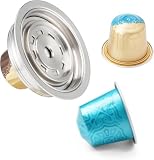
- ☕ Compatible: The adapter should be used with original disposable Nes, the function is only allow Compatible with De'Longhi GCA1, Vertuoline ENV135, Vertuo Next and Vertuo PoP Cofee Machine to brew espresso original capsule. Package NOT including original capsule.
- ☕ Material: The coffee pods adapter is made of high quality stainless steel, which is reusable, durable and eco-friendly. It can make you using Nes original line capsule to vertuo machines. - DIY Different Taste: ONE coffee machine can compatible with TWO coffee pods by using this metal Converter, provides a cost effective way to brew your favorite coffee. Lead a cost-saving life.
- ☕ Diversified Enjoyment: Stainless Steel Adapter Works with Vertuo machine with a variety of 3rd party original pods: Compatible with Nespresso, Starbucks, L’or, Illy, Lavazza and other aluminum coffee pods. Product NOT including coffee capsule. No more missed the tasty original pods. Add value to your machine by increasing options of coffee capsule. Right now you can enjoy the various coffee flavor.
- ☕ Special Design: Put original line pods in our reusable converter to Compatible with De'Longhi GCA1, Vertuoline ENV135, Vertuo Next and Vertuo PoP coffee machine, new try and get difference enjoy.
- ☕ Easy to Clean: Open the coffee pod lid, remove the original coffee capsule from reusable pod easily, safe stainless reusable coffee capsule tool can be easily cleaned with running water.
2. Add water to the reservoir: Fill the water reservoir with fresh, filtered water to the desired level for one cup.
- What “good” looks like: The water level is between the minimum and maximum fill lines.
- Common mistake: Overfilling or underfilling the reservoir, which can lead to weak brews or machine errors.
- How to avoid: Check the markings on your reservoir and fill accordingly.
3. Prepare the reusable filter: Open your reusable K-Cup filter.
- What “good” looks like: The filter is clean and ready to be filled.
- Common mistake: Using a dirty or damaged filter.
- How to avoid: Inspect the filter for any debris or wear and tear before use.
4. Add loose tea to the filter: Measure 1-2 teaspoons of your loose tea into the reusable filter. Adjust the amount based on your strength preference.
- What “good” looks like: The tea leaves are evenly distributed within the filter, not packed too tightly.
- Common mistake: Overfilling the filter, which can lead to poor water flow and over-extraction.
- How to avoid: Leave some space for the tea leaves to expand and for water to circulate.
5. Close and place the reusable filter: Securely close the reusable filter lid and place it into the K-Cup holder in your machine, just as you would a regular K-Cup.
- What “good” looks like: The filter sits snugly in place without wobbling.
- Common mistake: Not closing the filter lid completely, causing grounds to escape.
- How to avoid: Ensure the lid clicks or seals shut properly.
6. Select brew size and strength (if applicable): Choose the cup size you want to brew. Some machines offer strength settings; select a milder setting initially for tea.
- What “good” looks like: The machine indicates the selected brew size.
- Common mistake: Choosing a brew size that is too large for the amount of tea used, resulting in weak tea.
- How to avoid: Start with a smaller brew size and adjust on subsequent brews.
7. Initiate the brew cycle: Press the brew button.
- What “good” looks like: The machine starts heating and dispensing water.
- Common mistake: Forgetting to press the brew button after setup.
- How to avoid: Double-check that all settings are selected and press the brew button.
8. Monitor the brew: Watch as the water passes through the tea leaves and into your cup.
- What “good” looks like: A steady stream of liquid fills your cup.
- Common mistake: Water backing up or not flowing through, indicating a clog.
- How to avoid: If you see a clog, stop the machine, remove the filter, and check for overfilling or too-fine grounds.
9. Allow to steep (optional): For some teas, you might want to let it steep for an extra minute or two in the cup after brewing for a stronger flavor.
- What “good” looks like: The tea continues to infuse in your cup.
- Common mistake: Over-steeping, which can make tea bitter, especially black or green teas.
- How to avoid: Steep for only a short additional time, or skip this step if you prefer a lighter taste.
10. Remove and discard tea leaves: Once brewing is complete, carefully remove the reusable filter. Empty the used tea leaves into your compost or trash.
- What “good” looks like: The filter is empty and ready for cleaning.
- Common mistake: Leaving used tea leaves in the filter for too long, which can cause odors and staining.
- How to avoid: Empty and rinse the filter immediately after use.
11. Clean the reusable filter and machine: Rinse the reusable filter thoroughly under running water. Wipe down the brew head area and drip tray.
- What “good” looks like: All parts are clean and free of tea residue.
- Common mistake: Not cleaning the reusable filter properly, leading to flavor transfer for future brews.
- How to avoid: Use a small brush to remove any stubborn tea particles from the filter.
Common mistakes (and what happens if you ignore them)
| Mistake | What it causes | Fix |
|---|---|---|
| Using a non-reusable pod | Machine damage, inability to brew tea, potential mess. | Use only a specifically designed reusable K-Cup filter. |
| Overfilling the reusable filter | Poor water flow, weak brew, potential overflow and mess. | Fill the filter only about halfway or two-thirds full; allow room for expansion. |
| Using tea leaves that are too coarse | Under-extraction, weak flavor, watery tea. | Use finely chopped or ground tea leaves, similar to coffee grounds. |
| Using tea leaves that are too fine | Clogging of the filter and machine, potential damage, bitter taste. | Avoid powdery teas or very small particles; if unsure, use a finer mesh filter or double filter. |
| Not cleaning the machine or filter | Off-flavors (coffee, old tea), potential mold or bacteria growth. | Clean the reusable filter after every use and descale the machine regularly. |
| Using water that is too hot for delicate teas | Scorched leaves, bitter and unpleasant flavor profile. | Check tea packaging for recommended water temperatures; aim for 175°F-195°F for most green and white teas. |
| Not adjusting brew time/strength | Tea too weak or too strong, potentially bitter or astringent. | Start with a standard brew cycle and adjust tea quantity or add a short post-brew steep. |
| Using tap water with high mineral content | Flat or off-flavors, scale buildup in the machine, shortened machine lifespan. | Use filtered or bottled water for the best taste and machine longevity. |
| Not securing the reusable filter lid | Tea leaves escaping into the brew chamber, causing clogs and mess. | Ensure the lid of the reusable filter is firmly sealed before placing it in the machine. |
Decision rules (simple if/then)
- If your tea leaves are very large and whole, then you should use a coarser grind or consider a different brewing method, because pod makers are not designed for large particulate matter.
- If your tea tastes weak, then try adding a bit more tea or reducing the brew size, because the ratio of tea to water or the water flow might be off.
- If your tea tastes bitter, then try using slightly cooler water or a shorter brew time, because over-extraction can release tannins that cause bitterness.
- If you notice slow brewing or sputtering, then check your reusable filter for clogs, because tea leaves may be too fine or the filter may be overfilled.
- If you want to brew black tea, then use hotter water (around 205°F) and a slightly larger amount of tea, because black tea requires higher temperatures for optimal extraction.
- If you want to brew green tea, then use cooler water (around 175°F-185°F) and be mindful of brew time to avoid bitterness, because green tea is more delicate and prone to over-extraction.
- If your machine is old or has never been descaled, then a thorough descaling is recommended before brewing tea, because mineral buildup can affect both taste and machine function.
- If you want to experiment with different teas, then start with common, robust varieties like black tea or herbal infusions, because they are more forgiving of slight variations in brewing.
- If you have a Keurig 2.0 or later, then ensure your reusable filter is compatible with the machine’s brewer recognition technology, because some older reusable filters may not work.
- If you are unsure about the ideal tea-to-water ratio, then start with 1.5 teaspoons of tea per 8 oz of water and adjust from there, because this is a common starting point for many tea types.
FAQ
Can I use any loose tea in a pod coffee maker?
While you can technically use most loose teas, it’s best to use teas that are chopped or finely ground, similar to coffee grounds. Very large, whole leaves may not brew effectively or could cause clogs.
Will brewing tea affect the taste of my coffee?
Yes, if you don’t clean your machine thoroughly. Residual tea oils or flavor can transfer to your next coffee brew. Always clean the brew head and reservoir after brewing tea.
How much loose tea should I use?
A good starting point is 1 to 2 teaspoons of loose tea per 6-8 oz cup. You’ll need to experiment based on the specific tea and your desired strength.
What if my reusable filter clogs?
A clog usually means the tea leaves are too fine, or the filter is overfilled. Stop the brew cycle, remove the filter, empty it, and try again with less tea or a coarser grind.
Is it safe to brew tea in a coffee maker?
Yes, as long as you use a compatible reusable filter and follow proper cleaning procedures. Pod coffee makers are designed to heat water and pass it through grounds, which is similar to how tea is brewed.
Can I use loose leaf tea if I don’t have a reusable filter?
It is not recommended. Standard pods are designed for coffee grounds and cannot be easily adapted for loose tea without significant risk of mess or damage to the machine.
How do I know if my reusable filter is compatible?
Look for reusable K-Cup filters specifically advertised for use with your brand of pod coffee maker. They are designed to fit the brew basket and allow for proper water flow.
What kind of water should I use?
Filtered water is best for both coffee and tea. It helps prevent mineral buildup in your machine and allows the true flavors of the tea to come through.
What this page does NOT cover (and where to go next)
- Specific recommendations for individual tea types and their optimal brewing parameters. (Next: Consult tea-specific brewing guides.)
- Detailed troubleshooting for advanced machine errors beyond common clogs. (Next: Refer to your coffee maker’s user manual for technical support.)
- Comparisons of different reusable filter brands or materials. (Next: Research reviews of reusable filters for your specific pod coffee maker model.)
- The process of making tea concentrates or cold brew using a pod machine. (Next: Explore specialized guides on tea preparation methods.)