
Brewing Coffee Outdoors: Camping Pot Guide
Quick answer
- Use a camping coffee pot designed for open flames or camp stoves.
- Grind your coffee beans fresh, aiming for a medium-coarse consistency.
- Heat your water to just off the boil, around 200°F.
- Measure your coffee and water accurately – a good starting point is a 1:15 ratio (coffee to water).
- Stir gently after adding coffee to the water to ensure saturation.
- Let it steep for 4-5 minutes before pouring.
- Clean your pot thoroughly after each use to prevent buildup.
Who this is for
- Campers and hikers who want a decent cup of joe in the wilderness.
- Outdoor enthusiasts who prefer a simple, robust brewing method.
- Anyone looking to ditch instant coffee for something a bit more satisfying on their adventures.
What to check first
Brewer type and filter type
Most camping coffee pots are percolators or simple stovetop pots. Percolators often have a built-in basket, so you don’t need a separate filter. Stovetop pots might require a paper filter or a metal mesh filter. Make sure you know what your pot uses. If it’s a percolator, check that the basket and tube are clean and assembled correctly.
Water quality and temperature
Good coffee starts with good water. If you’re using treated campground water, it’s usually fine. If you’re filtering from a stream, make sure it’s properly purified. For temperature, aim for around 200°F. That’s just off a rolling boil. Too hot burns the coffee; too cool makes it weak. A thermometer is handy, but experience tells you when it’s right – let a rolling boil calm down for about 30 seconds.
Grind size and coffee freshness
This is key. For camping pots, a medium-coarse grind is usually best. Think sea salt. Too fine, and it’ll clog filters or make the coffee muddy. Too coarse, and you’ll get weak brew. Freshly ground beans make a massive difference. Grind them right before you brew if you can. Pre-ground coffee loses its zing fast, especially when jostled around in a pack.
Coffee-to-water ratio
This is your flavor control. A good starting point is a 1:15 ratio – that’s 1 gram of coffee for every 15 grams (or ml) of water. For camping, it’s easier to think in tablespoons. Try 2 tablespoons of coffee for every 6 oz of water. Adjust to your taste. I usually start with a bit more coffee and then dial it back if it’s too strong.
Cleanliness/descale status
A dirty pot is a flavor killer. Coffee oils build up, making your brew taste bitter or stale. Give your pot a good scrub with soap and water after every trip. If you’ve got hard water, you might get mineral buildup (scale). Descale it periodically by boiling a mixture of vinegar and water, then rinse thoroughly. A clean pot means a happy palate.
Step-by-step (brew workflow)
1. Gather your gear: Get your camping coffee pot, coffee grounds, water, heat source (stove or fire), and a mug.
- What “good” looks like: Everything is ready to go, no scrambling.
- Common mistake: Forgetting a crucial item like the fuel for your stove. Double-check your pack.
2. Measure your water: Pour the desired amount of fresh, cold water into the coffee pot.
- What “good” looks like: The water level is appropriate for the number of cups you want.
- Common mistake: Overfilling the pot, leading to spills when brewing. Leave some headspace.
3. Heat the water: Place the pot on your camp stove or over a safe fire pit. Bring the water to a gentle boil.
- What “good” looks like: Water is hot but not violently boiling over.
- Common mistake: Letting the water boil too hard for too long. This can scorch the coffee grounds later.
4. Add coffee grounds: Once the water is just off the boil (around 200°F), remove the pot from direct heat. Add your medium-coarse coffee grounds. If using a percolator, add them to the basket.
- What “good” looks like: Grounds are evenly distributed in the water or basket.
- Common mistake: Adding grounds while the water is still at a rolling boil. This can lead to bitter coffee.
5. Stir gently (for non-percolators): If you’re not using a percolator, give the grounds and water a gentle stir to ensure all the coffee is saturated.
- What “good” looks like: All grounds are wet and beginning to bloom.
- Common mistake: Stirring too vigorously, which can create too much sediment.
6. Steep/Percolate: For non-percolators, let the coffee steep for 4-5 minutes. For percolators, reassemble the pot and place it back on low heat until it starts to percolate. Let it percolate for a few minutes.
- What “good” looks like: A rich, dark liquid is forming.
- Common mistake: Steeping too long (bitter) or too short (weak). Stick to the time.
7. Remove from heat: Once steeping is done or percolation has started, remove the pot from the heat source completely.
- What “good” looks like: The pot is safely off the direct flame.
- Common mistake: Leaving the pot on the heat, which can over-extract the coffee.
8. Let it settle: Allow the coffee to settle for about a minute before pouring. This helps any fine sediment sink to the bottom.
- What “good” looks like: The liquid is clearer, with grounds mostly at the bottom.
- Common mistake: Pouring immediately, which results in a muddy cup.
9. Pour and enjoy: Carefully pour the coffee into your mug. Try not to disturb the grounds at the bottom.
- What “good” looks like: A steaming mug of delicious, freshly brewed coffee.
- Common mistake: Tilting the pot too much, pouring out the sediment. Pour gently.
10. Clean your pot: As soon as it’s cool enough, empty and clean your coffee pot thoroughly.
- What “good” looks like: A clean pot ready for the next brew.
- Common mistake: Leaving it dirty until the end of the trip. This makes cleaning harder and impacts future brews.
Common mistakes (and what happens if you ignore them)
| Mistake | What it causes | Fix |
|---|---|---|
| Using pre-ground coffee | Stale, weak, or bitter flavor | Grind your beans fresh, right before brewing. |
| Grind too fine | Muddy coffee, clogged filter, bitter taste | Use a medium-coarse grind (like sea salt). |
| Grind too coarse | Weak, watery coffee | Use a medium-coarse grind. |
| Water too hot | Burnt, bitter coffee | Let boiling water cool for 30 seconds before adding grounds. |
| Water too cool | Weak, underdeveloped flavor | Ensure water is just off a rolling boil (around 200°F). |
| Incorrect coffee-to-water ratio | Too strong or too weak flavor | Start with 1:15 ratio (coffee to water) and adjust to taste. |
| Over-steeping/percolating | Bitter, harsh taste | Stick to 4-5 minutes of steeping or a few minutes of percolation. |
| Under-steeping/percolating | Weak, sour, underdeveloped flavor | Ensure adequate brewing time for proper extraction. |
| Not cleaning the pot | Bitter, stale, off-flavors in future brews | Wash thoroughly with soap and water after each use. |
| Using dirty water | Off-flavors, potential health risks | Use purified or treated water. |
| Rushing the pour | Gritty, muddy coffee in your mug | Let coffee settle for a minute, pour gently. |
Decision rules (simple if/then)
- If your coffee tastes bitter, then try a coarser grind or shorter brew time because over-extraction is likely.
- If your coffee tastes weak and sour, then try a finer grind or longer brew time because under-extraction is likely.
- If your coffee has a muddy texture, then try a coarser grind or let it settle longer before pouring because too much fine sediment is getting into your cup.
- If your coffee tastes burnt, then ensure your water isn’t too hot and that the pot isn’t sitting on direct flame for too long after brewing.
- If you’re using a percolator and it’s sputtering too violently, then reduce the heat slightly because you’re likely over-extracting.
- If you notice a persistent stale taste, then thoroughly clean and descale your coffee pot because coffee oils and mineral buildup are the culprits.
- If you’re brewing for more than two people, then consider bringing extra coffee grounds and water to maintain your preferred ratio.
- If you’re camping in very cold weather, then pre-heat your water slightly more than usual to account for heat loss during brewing.
- If your coffee has an “off” taste that isn’t bitterness or weakness, then check your water source and the cleanliness of your pot first.
- If you want a cleaner cup without a percolator, then consider using a French press designed for camping or a pour-over setup with filters.
FAQ
How much coffee should I use in my camping pot?
A good starting point is about 2 tablespoons of coffee for every 6 ounces of water. You can adjust this ratio based on how strong you like your coffee.
What kind of coffee pot is best for camping?
A classic stovetop coffee pot or a percolator designed for campfires or stoves works well. They are durable and simple to use.
A classic stovetop coffee pot or a percolator designed for campfires or stoves works well. They are durable and simple to use, and you can find great options like this one.
![COLETTI Bozeman Percolator Coffee Pot — NO Aluminum or Plastic [9 cup]](https://m.media-amazon.com/images/I/31Wxzktrx5L._SL160_.jpg)
- NO ALUMINUM, NO PLASTIC — JUST COFFEE – Some things should never change—like the way coffee is meant to taste. Our percolator coffee pot is crafted from pure stainless steel, with no plastic or cheap aluminum. The glass view top lets you watch every drop brew to perfection. Built for any setting, this coffee percolator stovetop is the choice of campers, travelers, and home brewers alike. A stovetop coffee maker that delivers bold, full-bodied flavor, cup after cup.
- BUILT TOUGH FOR THE OUTDOORS – The fire crackles, the morning air is crisp, and the smell of fresh coffee drifts through camp. This is how the day begins. Whether you're brewing in the mountains or at home, this stove top coffee maker keeps it simple—water, heat, and time. Designed for adventure, our camping coffee makers guarantee a satisfying, hot brew anywhere. A percolator coffee pot stovetop that works wherever the road takes you.
- QUICK CLEANING ON THE TRAIL – Pack up, rinse out, and keep moving. The Bozeman percolator coffee pot stovetop is built for the most demanding trails—no fragile parts, no complicated cleanup. A quick rinse, and it's ready for the next sunrise. Dishwasher safe at home, effortless in the wild. Includes a pack of filters for a smoother cup, because good coffee deserves a little extra care.
- STRONG, SMOOTH, UNCOMPROMISING – Good coffee takes patience, and a stainless steel percolator coffee pot rewards it. The steady heat of percolation draws out deep, full-bodied flavors. No weak brews. No burnt taste. Just smooth, hot coffee, every time. Whether you're up before dawn or winding down by the fire, this is coffee the way it was meant to be—bold, rich, and unforgettable.
- NOTICE: 9 coffee cups is equal to 45 fl. oz. | metal parts get hot when brewing
Can I use my regular home coffee maker on a camping trip?
Generally, no. Most home coffee makers require electricity and are not built for the rugged conditions of camping. Stick to gear designed for the outdoors.
How do I keep my coffee hot while camping?
Once brewed, pour your coffee into a well-insulated thermos. This will keep it warm for hours, perfect for those chilly mornings.
Is it okay to brew coffee directly over a campfire?
Yes, as long as you use a pot designed for direct heat and manage the fire safely. Keep the pot stable and avoid direct, intense flames that can scorch the coffee.
If you’re looking for a versatile outdoor coffee brewer that can handle direct campfire heat, there are excellent options available.
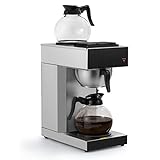
- Certified Safe & Reliable: Unlike uncertified machines on the market, our coffee maker is fully ETL, CE, ROHS, and Intertek certified, meeting North American and EU commercial electrical safety standards. Buy with confidence and serve with peace of mind.
- Fast Brewing for Commercial Use: Brew up to 12 cups of fresh coffee in under 10 minutes. Engineered for offices, restaurants, hotels, and busy kitchens, this high-efficiency drip coffee maker keeps productivity and energy up—right from the first cup.
- Dual Warmers for Coffee Maker: Equipped with two warming plates, this machine lets you brew a fresh pot while keeping another warm, ensuring uninterrupted coffee service. Simple controls and indicator lights make operation effortless.
- Multi-Stream Shower Head: Our multi-stream spray head evenly saturates coffee grounds, paired with a flat-bottom filter basket for optimal water-ground contact. Enjoy consistent, robust flavor in every brew—ideal for discerning coffee lovers.
- Drip-free Carafes: Proprietary lid and spout design that arcs the pour of the coffee into the cup and wicks the coffee dribbles back into the coffee pot preventing a mess on cup or counter.
What if I don’t have a way to measure temperature?
Bring your water to a rolling boil, then remove it from the heat and let it sit for about 30 seconds to a minute. This usually gets it close to the ideal brewing temperature.
How can I make my camping coffee taste better?
Focus on fresh, whole beans ground just before brewing, good water quality, and the right grind size for your pot. Experiment with your coffee-to-water ratio.
What’s the deal with coffee sediment in my cup?
This usually comes from a grind that’s too fine or from pouring too quickly. Letting the coffee settle and pouring gently can minimize it.
What this page does NOT cover (and where to go next)
- Advanced brewing techniques for specific coffee origins.
- Detailed reviews of specific camping coffee pot brands and models.
- Recipes for coffee-based camping drinks.
- Information on electric camping coffee makers.
- The science behind coffee extraction and solubility.