
Brewing A Classic Cup With Folgers Coffee
Quick answer
- Use fresh, cold water. Filtered is best.
- Measure your coffee grounds and water. A good starting point is 1:15 coffee to water.
- Grind your beans just before brewing for maximum flavor.
- Ensure your coffee maker is clean. Scale buildup is a real buzzkill.
- Don’t over-extract. This leads to bitter coffee.
- Taste your coffee. Adjust your method based on what you like.
Who this is for
- Anyone looking to get the most out of their everyday coffee.
- Folks who have a standard drip coffee maker and want to improve their brew.
- Those who enjoy the familiar taste of Folgers and want to make it taste even better.
What to check first
Brewer type and filter type
Your brewer is the heart of the operation. Most folks use a standard automatic drip machine. Make sure you’re using the right filter for it – basket or cone, paper or reusable. A clean filter means cleaner coffee.
If you’re in the market for a new drip coffee maker, consider models known for consistent temperature control and ease of cleaning. A reliable drip coffee maker is essential for a great cup of Folgers.
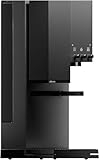
- 1. Three Levels of Automation for Any Skill Level: Choose from Autopilot, Copilot, or Free Solo mode. Autopilot handles the entire brewing process automatically. Copilot provides step-by-step guidance. Free Solo gives you full manual control. This coffee machine works for beginners and professional baristas alike.
- 2. Intuitive User Interface with Tactile Knobs and LED Matrix: The Studio features physical control knobs and a clear LED Matrix display. You can adjust grind size, water temperature, and flow rate in real time without navigating complicated touchscreen menus.
- 3. Full Customization via the xBloom App: Use the xBloom app to create, adjust, save, and share your favorite coffee recipes. Every brewing parameter can be fine-tuned and synced to the machine instantly. Your perfect cup is saved and repeatable.
- 4. Compostable xPod System for Minimal Waste and Maximum Flavor: Each xPod contains carefully selected whole beans and a built-in filter. Tap the recipe card, pour the beans into the grinder, place the pod into the dock, and press start. No capsules, no extra paper filters, no unnecessary waste.
- 5. What Is Included in the Box: The package includes the xBloom Studio, Omni Dripper 2 with Hyperflow Bottom, 10 paper filters, xPod Dock, Magnetic Dosing Cup, default recipe card, quick start guide, cleaning brush, universal power cord, and a 2-Year xbloom brand warranty. Everything you need is included—along with long-term peace of mind.
Water quality and temperature
Water makes up 98% of your coffee. Bad water means bad coffee. If your tap water tastes funky, your coffee will too. Filtered water is usually the way to go. For drip machines, the heating element should get the water close to 200°F. That’s the sweet spot for extraction.
Grind size and coffee freshness
Folgers is typically pre-ground for drip machines. That’s fine. The key is freshness. Once a bag is open, the clock starts ticking on flavor. Grind size matters too. For drip, a medium grind is usually spot on. Too fine, and it clogs. Too coarse, and it’s weak.
Coffee-to-water ratio
This is crucial for flavor. Too much coffee, and it’s too strong. Too little, and it’s watery. A good starting point is a 1:15 ratio. That means for every gram of coffee, use 15 grams of water. For a standard 12-cup maker, that’s roughly 6 tablespoons of coffee to 60 oz of water. It’s a guideline, adjust to your taste.
Cleanliness/descale status
A dirty coffee maker is a flavor killer. Old coffee oils build up, making your brew taste stale or bitter. Descaling removes mineral deposits. If you haven’t descaled in a while, do it. It’s a game-changer. Check your brewer’s manual for descaling instructions.
Step-by-step (brew workflow)
1. Prep your brewer: Make sure the basket is clean and the carafe is ready.
- Good looks like: A sparkling clean brew basket and carafe. No old grounds or residue.
- Common mistake: Leaving old grounds in the basket. This adds stale flavor. Always dump and rinse.
2. Add your filter: Place the correct filter type into the brew basket.
- Good looks like: The filter sits snugly without any gaps.
- Common mistake: Using the wrong filter size or shape. This can lead to overflow or bypass, meaning weak coffee.
3. Measure your coffee: Use a scale for precision or a good old-fashioned scoop. Aim for that 1:15 ratio.
- Good looks like: Consistent measurements every time. For a standard pot, about 6 tablespoons for 60 oz of water.
- Common mistake: Guessing the amount. This leads to wildly inconsistent brews. Get a scoop or a scale.
4. Add coffee grounds: Pour the measured grounds into the filter.
- Good looks like: The grounds are evenly distributed in the filter.
- Common mistake: Not leveling the grounds. This can cause uneven saturation and extraction. Give the basket a gentle shake.
5. Add water: Pour fresh, cold water into the reservoir. Use the amount corresponding to your coffee measurement.
- Good looks like: Clear, clean water fills the reservoir to the desired mark.
- Common mistake: Using hot water or old water. Hot water can mess with the brewer’s heating element, and old water tastes bad.
6. Start the brew cycle: Turn on your coffee maker.
- Good looks like: The machine hums to life and water starts dripping.
- Common mistake: Forgetting to turn it on. Happens to the best of us when we’re half-asleep.
7. Observe the bloom (if applicable): Some machines have a pre-infusion cycle. If yours doesn’t, you might see the grounds puff up initially.
- Good looks like: The grounds swell and release CO2. This is fresh coffee degassing.
- Common mistake: Thinking this is a problem. It’s a sign of fresh beans.
8. Let it finish: Allow the entire brew cycle to complete.
- Good looks like: All the water has passed through the grounds and into the carafe.
- Common mistake: Pulling the carafe too early. This stops the brewing process and results in weak, under-extracted coffee.
9. Serve immediately: Pour your fresh coffee into a mug.
- Good looks like: A hot, aromatic cup of coffee.
- Common mistake: Letting it sit on the warming plate too long. This “cooks” the coffee and makes it bitter.
Common mistakes (and what happens if you ignore them)
| Mistake | What it causes | Fix |
|---|---|---|
| Using stale coffee grounds | Flat, dull flavor, lacks aroma | Buy smaller bags, store in an airtight container away from light. |
| Incorrect coffee-to-water ratio | Too weak or too strong, unbalanced taste | Use a scale or consistent measuring scoops. |
| Wrong grind size for your brewer | Under-extracted (sour) or over-extracted (bitter) | Use medium grind for drip. Check grinder settings. |
| Dirty brewer or carafe | Rancid, bitter, stale taste | Clean your brewer and carafe regularly. Descale as needed. |
| Using poor quality water | Off-flavors, metallic notes, dull taste | Use filtered or bottled water. |
| Brewing with water that’s too cool | Under-extraction, sour, weak coffee | Ensure your brewer heats water properly (around 195-205°F). |
| Letting coffee sit on warming plate | Bitter, burnt, “cooked” flavor | Transfer coffee to a thermal carafe or drink it fresh. |
| Not cleaning the filter basket | Old coffee oils contaminate fresh brew | Rinse the filter basket immediately after each use. |
| Overfilling the brew basket | Water bypasses grounds, leading to weak coffee | Don’t pack the grounds too tightly; leave some space. |
| Using pre-ground coffee that’s too old | Loss of volatile aromas and fresh flavor | Grind beans fresh if possible, or use pre-ground quickly. |
Decision rules (simple if/then)
- If your coffee tastes sour, then try a finer grind because sourness often means under-extraction.
- If your coffee tastes bitter, then try a coarser grind because bitterness often means over-extraction.
- If your coffee tastes weak, then increase the amount of coffee grounds you use because you’re likely using too little coffee.
- If your coffee tastes too strong, then decrease the amount of coffee grounds you use because you’re likely using too much coffee.
- If your coffee has a stale or musty taste, then clean your coffee maker thoroughly because old coffee oils are the usual culprit.
- If your water tastes bad, then use filtered water because water quality is key to good coffee flavor.
- If your coffee maker is taking a long time to brew, then it might need descaling because mineral buildup slows water flow.
- If your coffee is consistently inconsistent, then measure your coffee and water accurately because consistency is built on measurement.
- If your coffee lacks aroma, then try using fresher grounds because aroma fades quickly after grinding.
- If you’re getting grounds in your cup, then check your filter type and ensure it’s seated correctly because this means coffee is bypassing the filter.
FAQ
How much Folgers coffee should I use per cup?
A good starting point is about 1 to 2 tablespoons of ground coffee per 6 ounces of water. Adjust this ratio based on how strong you like your coffee.
What’s the best way to store Folgers coffee?
Keep it in its original packaging or an airtight container. Store it in a cool, dark place, away from heat and moisture. Avoid the refrigerator or freezer for daily use.
Why does my coffee taste bitter?
Bitterness often comes from over-extraction. This can be caused by grinding the coffee too finely for your brewer, using water that’s too hot, or letting the coffee brew for too long.
My coffee tastes weak. What am I doing wrong?
Weak coffee usually means under-extraction. This can happen if your grind is too coarse, you’re not using enough coffee, or your water isn’t hot enough. Check your coffee-to-water ratio first.
How often should I clean my coffee maker?
You should rinse the brew basket and carafe after every use. A full cleaning, including descaling, should be done every 1-3 months, depending on your water hardness and how often you brew.
Can I use tap water for my Folgers coffee?
You can, but if your tap water has a noticeable taste or odor, it will affect your coffee. Using filtered water is highly recommended for a cleaner, better-tasting brew.
What does “bloom” mean when brewing coffee?
The bloom is the initial stage where fresh coffee grounds release carbon dioxide gas when hot water first hits them. It causes the grounds to swell. This is a good sign of fresh coffee.
What this page does NOT cover (and where to go next)
- Specific brewing temperatures for advanced methods (like pour-over or French press).
- The science behind coffee bean varietals and roasting profiles.
- Detailed guides on espresso machine maintenance.
- Reviews or comparisons of different coffee maker brands.
- Recipes for coffee-based drinks beyond a standard cup.