
Brew Starbucks Black Coffee At Home
Quick answer
- Use freshly ground, medium-roast whole beans.
- Aim for a 1:15 coffee-to-water ratio.
- Use filtered water heated to 195-205°F.
- A pour-over or drip machine works best.
- Don’t skip the bloom phase for pour-over.
- Keep your equipment sparkling clean.
Who this is for
- You love that classic Starbucks black coffee taste.
- You want to replicate it without the daily coffee shop run.
- You’re ready to dial in your home brewing game.
What to check first
Brewer type and filter type
This is your starting point. Are you using a drip machine? A pour-over cone? The method dictates a lot. For that clean, classic black coffee, paper filters are usually the way to go. They catch the oils and fine grounds. Metal filters let more through, which can change the flavor profile. Make sure your filter fits your brewer snugly. No one wants grounds in their cup.
Water quality and temperature
Water is like, 98% of your coffee. Bad water means bad coffee, plain and simple. If your tap water tastes off, use filtered water. Seriously, it’s a game-changer. For temperature, you’re looking for that sweet spot between 195°F and 205°F. Too cool, and you won’t extract enough flavor. Too hot, and you risk scorching the grounds. A gooseneck kettle is handy for pour-over, giving you control.
Grind size and coffee freshness
Freshness is king. Whole beans ground right before brewing make a massive difference. Pre-ground stuff loses its oomph fast. For Starbucks-style black coffee, a medium grind is usually the sweet spot. Think coarse sand. Too fine, and it’ll be over-extracted and bitter. Too coarse, and it’ll be weak and sour. Invest in a burr grinder if you can. Blade grinders are just not consistent.
For that classic Starbucks black coffee taste, using freshly ground, medium-roast whole beans is key. Investing in a good quality bag of beans will make a noticeable difference.
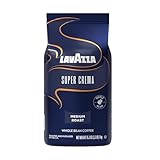
- SUPER CREMA: A 2.2 lb whole bean coffee bag ideal for espresso preparation
- INTENSITY AND ROAST: This full-bodied medium roast offers a bold and creamy finish
- BLEND: Made from Arabica and Robusta beans, this naturally caffeinated blend is sourced from 15 coffee-growing countries around the world
- PREPARATION: Ideal for espresso preparation.
- BREWING GUIDE FOR SINGLE ESPRESSO: 0.28 oz of ground espresso delivers a 1 oz espresso shot
Coffee-to-water ratio
This is how you balance strength. A good starting point for black coffee is a 1:15 ratio. That means for every gram of coffee, you use 15 grams of water. In US terms, that’s roughly 2 tablespoons of coffee for every 6 oz of water. You can adjust this based on your taste. More coffee for a bolder cup, less for a lighter one. Don’t be afraid to experiment.
Cleanliness/descale status
Your brewer needs to be clean. Like, really clean. Coffee oils build up, and they go rancid. This will make even the best beans taste stale. Run a cleaning cycle if your machine has one. For pour-over, just rinse everything thoroughly with hot water. If you have hard water, you might need to descale your drip machine regularly. Check the manual for that. It’s usually a vinegar or descaling solution job.
Step-by-step (brew workflow)
Here’s how to nail that Starbucks black coffee at home. We’ll use a pour-over as an example, but the principles apply to drip machines too.
We’ll use a pour-over as an example for brewing, but the principles apply to drip machines too. If you’re looking to get more control over your brew, a pour over coffee maker is a great option.

- Pour Over Coffee: Manual Pour Over Coffee Maker allows you to brew an excellent cup of Coffee in minutes
- Stainless steel: Includes a new and improved permanent, stainless steel mesh filter that helps extract your coffee's aromatic oils and subtle flavors instead of being absorbed by a paper filter
- Coffee Carafe: Made of durable, heat-resistant borosilicate glass with Cork Band detailing that is both functional and elegant; single wall
- Quick and Easy: Simply add coarse ground Coffee to filter, pour a small amount of water in a circular motion over ground Coffee until soaked then add the remaining water and let drip
- Servings: Pour Over Coffee Maker makes 8 cups of Coffee, 4 oz each; dishwasher safe
1. Heat your water: Bring filtered water to 195-205°F.
- Good looks like: Water steaming, but not a rolling boil.
- Common mistake: Using boiling water. It scorches the grounds. Let it sit for 30-60 seconds after boiling.
2. Grind your beans: Grind medium-roast whole beans to a medium consistency, like coarse sand.
- Good looks like: Evenly sized particles.
- Common mistake: Grinding too fine. This leads to a bitter, over-extracted cup.
3. Prepare your filter: Place a paper filter in your pour-over cone. Rinse it thoroughly with hot water.
- Good looks like: The filter is fully wet, and the rinse water has drained.
- Common mistake: Not rinsing the filter. This can leave a papery taste in your coffee.
4. Add coffee grounds: Discard the rinse water. Add your freshly ground coffee to the filter. Gently shake the cone to level the grounds.
- Good looks like: A flat, even bed of coffee.
- Common mistake: Leaving a mound of grounds. This can cause uneven extraction.
5. The Bloom: Gently pour just enough hot water (about twice the weight of the coffee) over the grounds to saturate them. Wait 30 seconds.
- Good looks like: The coffee grounds puff up and release CO2, looking like a bubbly sponge.
- Common mistake: Skipping the bloom. This lets trapped CO2 escape, which can interfere with extraction and create sour notes.
6. First Pour: After the bloom, slowly pour the remaining water in concentric circles, starting from the center and working your way out. Avoid pouring directly on the filter walls.
- Good looks like: A steady, controlled stream of water. The water level stays consistent.
- Common mistake: Pouring too fast or all at once. This can create channels and lead to uneven extraction.
7. Continue Pouring: Continue pouring in stages, keeping the water level consistent. Aim to finish pouring within 2-3 minutes.
- Good looks like: The coffee bed remains mostly submerged.
- Common mistake: Letting the grounds dry out between pours. This breaks the continuous extraction.
8. Brew Time: The total brew time for a standard cup should be around 3-4 minutes.
- Good looks like: The water has fully drained through the grounds.
- Common mistake: Brewing for too long. This can lead to over-extraction and bitterness.
9. Remove Brewer: Once all the water has dripped through, remove the pour-over cone.
- Good looks like: A clean, empty filter with spent grounds.
- Common mistake: Leaving the brewer on the carafe. This can cause the coffee to drip too long and become bitter.
10. Serve: Pour your freshly brewed black coffee into your favorite mug.
- Good looks like: A rich, aromatic cup of coffee.
- Common mistake: Letting it sit on a hot plate too long (if using a drip machine). This cooks the coffee and makes it taste burnt.
Common mistakes (and what happens if you ignore them)
| Mistake | What it causes | Fix |
|---|---|---|
| Using stale coffee beans | Flat, dull, or even rancid taste. | Buy whole beans and grind them right before brewing. |
| Incorrect grind size | Bitter (too fine) or weak/sour (too coarse). | Adjust your grinder for a medium, sand-like consistency. |
| Water temperature too low | Under-extraction, sour, weak coffee. | Heat water to 195-205°F; let boiling water sit for 30-60 seconds. |
| Water temperature too high | Over-extraction, bitter, burnt taste. | Use a thermometer or let boiling water sit longer. |
| Not rinsing paper filter | Papery or cardboard-like taste in the coffee. | Always rinse paper filters with hot water before adding grounds. |
| Skipping the bloom | Sour, uneven extraction, gassy taste. | Allow 30 seconds for the grounds to degas after the initial wetting. |
| Uneven pouring (pour-over) | Channels form, leading to uneven extraction. | Pour slowly and steadily in concentric circles, avoiding the filter walls. |
| Over-extraction (too long) | Bitter, astringent, unpleasant aftertaste. | Aim for a total brew time of 3-4 minutes for pour-over. |
| Under-extraction (too short) | Sour, weak, thin-bodied coffee. | Ensure sufficient contact time between water and grounds. |
| Dirty equipment | Stale, rancid, or bitter off-flavors. | Clean your brewer and grinder regularly. Descale as needed. |
| Using tap water | Off-flavors, mineral buildup in the machine. | Use filtered or bottled water for a cleaner taste. |
| Incorrect coffee-to-water ratio | Coffee is too strong or too weak for your liking. | Start with 1:15 ratio and adjust to taste. |
Decision rules (simple if/then)
- If your coffee tastes bitter, then try a coarser grind because a finer grind can lead to over-extraction.
- If your coffee tastes sour, then try a finer grind because a coarser grind can lead to under-extraction.
- If your coffee tastes weak, then increase the coffee-to-water ratio (use more coffee) because you’re not using enough grounds for the amount of water.
- If your coffee tastes too strong, then decrease the coffee-to-water ratio (use less coffee) because you’re using too much coffee for the amount of water.
- If your pour-over is draining too fast, then your grind is likely too coarse because the water is passing through too quickly.
- If your pour-over is draining too slow, then your grind is likely too fine because the grounds are clogging the filter.
- If you notice a papery taste, then you probably didn’t rinse your paper filter enough because residual paper taste can transfer to the coffee.
- If your coffee has a metallic taste, then your water might be the issue, so try filtered water because tap water can contain minerals that affect flavor.
- If your coffee tastes burnt, then your water was likely too hot or the brew time was too long because excessive heat or contact time can scorch the grounds.
- If your coffee tastes muddy, then you might have too many fine particles in your grind, or your filter might be compromised, so check your grinder and filter type.
- If your coffee has an inconsistent flavor, then your brewing technique might be uneven, so focus on controlled pouring and even saturation.
FAQ
What kind of beans does Starbucks use for their black coffee?
Starbucks typically uses medium-roast beans for their Pike Place Roast, which is a popular choice for black coffee. Look for medium-roast whole beans.
How much coffee should I use for a cup of Starbucks black coffee?
A good starting point is a 1:15 coffee-to-water ratio. For a standard 8 oz cup, this is about 15 grams of coffee to 225 grams (or ml) of water. That’s roughly 2 tablespoons of coffee per 6 oz of water.
Can I use pre-ground coffee?
While you can, it’s not ideal for replicating the best flavor. Pre-ground coffee loses its aromatics and flavor compounds much faster than whole beans. For the best results, grind your beans right before brewing.
What’s the best water temperature for brewing?
You want your water to be between 195°F and 205°F. This range ensures optimal extraction without scorching the coffee grounds. If you don’t have a thermometer, let boiling water sit for about 30-60 seconds.
Why does my home-brewed coffee taste different from Starbucks?
Several factors can contribute, including bean freshness, grind size, water quality, brew method, and even the specific equipment used. Dialing in these elements at home will get you closer to that taste.
Is a pour-over better than a drip machine for Starbucks black coffee?
Both can work well. A pour-over gives you more control over the brewing process, which can lead to a cleaner, more nuanced cup. A good quality drip machine, however, can also produce excellent results if it heats water properly and has a good showerhead.
How often should I clean my coffee maker?
You should rinse your brewer after every use. For deeper cleaning and descaling, follow your manufacturer’s recommendations, usually monthly for drip machines, depending on your water hardness.
What does “bloom” mean in coffee brewing?
The bloom is the initial stage of brewing where freshly ground coffee is saturated with a small amount of hot water. This releases trapped carbon dioxide gas, which allows for more even extraction in subsequent pours.
What this page does NOT cover (and where to go next)
- Specific Starbucks whole bean product reviews. (Look for reviews of their medium-roast options.)
- Advanced latte art techniques. (This page is all about black coffee.)
- Commercial espresso machine operation. (We’re focused on home brewing.)
- Detailed analysis of coffee bean varietals and origins. (Explore coffee tasting notes and origins for deeper dives.)
- Recipes for Starbucks-style blended drinks. (That’s a whole different ballgame.)