
Brew Classic American Black Coffee
Quick answer
- Use fresh, quality coffee beans, ideally roasted within the last few weeks.
- Grind your coffee right before brewing to a medium-coarse consistency for most drip brewers.
- Filtered water is crucial; aim for a temperature between 195-205°F.
- Follow a coffee-to-water ratio of about 1:16 to 1:18 (e.g., 2 tablespoons of coffee per 6 ounces of water).
- Keep your brewing equipment meticulously clean to prevent off-flavors.
- For the best black coffee, avoid adding milk or sugar.
Who this is for
- Anyone looking to consistently brew a delicious, no-frills cup of black coffee at home.
- Coffee drinkers who want to understand the fundamentals of good brewing technique.
- Individuals interested in improving the taste of their everyday coffee without expensive upgrades.
What to check first
Brewer type and filter type
The type of brewer you use influences the grind size and overall flavor profile. Drip coffee makers are common for American black coffee.
- Drip Coffee Maker: These are the most popular for home brewing. They typically use flat-bottom or cone-shaped paper filters, or sometimes permanent mesh filters. Paper filters offer a cleaner cup with less sediment, while permanent filters allow more oils through, leading to a fuller body.
- French Press: Known for a rich, full-bodied cup with some sediment, as it uses a mesh plunger. Requires a coarser grind.
- Pour Over: Offers precise control and a clean, nuanced cup. Requires a medium grind and specific pouring technique.
For consistently brewing classic American black coffee at home, a reliable drip coffee maker is an excellent choice. We recommend checking out models like the drip coffee maker for its ease of use and consistent results.
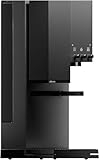
- 1. Three Levels of Automation for Any Skill Level: Choose from Autopilot, Copilot, or Free Solo mode. Autopilot handles the entire brewing process automatically. Copilot provides step-by-step guidance. Free Solo gives you full manual control. This coffee machine works for beginners and professional baristas alike.
- 2. Intuitive User Interface with Tactile Knobs and LED Matrix: The Studio features physical control knobs and a clear LED Matrix display. You can adjust grind size, water temperature, and flow rate in real time without navigating complicated touchscreen menus.
- 3. Full Customization via the xBloom App: Use the xBloom app to create, adjust, save, and share your favorite coffee recipes. Every brewing parameter can be fine-tuned and synced to the machine instantly. Your perfect cup is saved and repeatable.
- 4. Compostable xPod System for Minimal Waste and Maximum Flavor: Each xPod contains carefully selected whole beans and a built-in filter. Tap the recipe card, pour the beans into the grinder, place the pod into the dock, and press start. No capsules, no extra paper filters, no unnecessary waste.
- 5. What Is Included in the Box: The package includes the xBloom Studio, Omni Dripper 2 with Hyperflow Bottom, 10 paper filters, xPod Dock, Magnetic Dosing Cup, default recipe card, quick start guide, cleaning brush, universal power cord, and a 2-Year xbloom brand warranty. Everything you need is included—along with long-term peace of mind.
Water quality and temperature
Water is over 98% of your coffee, so its quality profoundly impacts taste.
- Quality: Use filtered water free of strong odors or tastes. Tap water with high mineral content or chlorine can negatively affect your coffee’s flavor. A simple Brita filter or similar can make a big difference.
- Temperature: The ideal brewing temperature is between 195-205°F. Water that’s too cool will under-extract, leading to a weak, sour taste. Water that’s too hot can over-extract, resulting in bitterness. Most automatic drip brewers are designed to heat water to this range, but check your specific model’s manual.
Grind size and coffee freshness
These two factors are paramount for a great cup of coffee.
- Grind Size: For most automatic drip coffee makers, a medium grind (like coarse sand) is appropriate. Too fine, and you risk over-extraction and bitterness; too coarse, and you’ll get under-extracted, weak coffee. French press requires a very coarse grind, while pour-over often benefits from a medium-fine grind.
- Freshness: Coffee beans are at their peak flavor within a few weeks of roasting. Buy whole beans and grind them just before brewing. Pre-ground coffee loses its aroma and flavor rapidly due to increased surface area exposed to oxygen.
Coffee-to-water ratio
This ratio is key to achieving a balanced brew.
- Golden Ratio: A common starting point is the “golden ratio” of 1:16 to 1:18 (coffee mass to water mass). This translates to roughly 2 tablespoons of whole bean coffee per 6 ounces of water. Adjust to your personal preference. Too little coffee results in a weak brew; too much can lead to an overly strong or bitter cup.
Cleanliness/descale status
Residue and mineral buildup can ruin your coffee’s taste and your machine’s performance.
- Regular Cleaning: After each use, rinse the brew basket, carafe, and lid thoroughly. Coffee oils can become rancid and impart unpleasant flavors.
- Descaling: Mineral deposits (limescale) from water can build up inside your brewer’s heating elements and water lines. This reduces brewing temperature and flow, leading to poor extraction. Most manufacturers recommend descaling every 1-3 months, depending on water hardness. Use a vinegar solution (equal parts white vinegar and water) or a commercial descaling agent, following your brewer’s instructions.
Step-by-step how to make American black coffee
Here’s how to brew a classic cup of American black coffee with a drip machine.
1. Prepare your water.
- What to do: Fill your coffee maker’s reservoir with fresh, filtered water.
- What “good” looks like: The water level matches your desired number of cups, and the water is clean and odor-free.
- Common mistake: Using unfiltered tap water or water left in the reservoir overnight. This can introduce off-flavors or stale tastes. Avoid it by always using fresh, filtered water.
2. Measure your coffee beans.
- What to do: Use a scale for precision (e.g., 30 grams for 18 ounces of water) or a measuring spoon (e.g., 2 tablespoons per 6 ounces of water).
- What “good” looks like: The amount of coffee aligns with your preferred strength and the golden ratio (1:16 to 1:18).
- Common mistake: Eyeballing the amount of coffee. This leads to inconsistent strength. Avoid it by using a consistent measuring method.
3. Grind your coffee.
- What to do: Grind the whole beans just before brewing to a medium consistency, similar to coarse sand.
- What “good” looks like: The grind is uniform, without large chunks or fine powder, appropriate for your brewer type.
- Common mistake: Grinding too fine or too coarse, or grinding days in advance. This results in over- or under-extraction. Avoid it by using a burr grinder and grinding immediately before brewing.
4. Place the filter and ground coffee.
- What to do: Insert a fresh paper filter into the brew basket (if using) or ensure your permanent filter is clean. Add the freshly ground coffee.
- What “good” looks like: The filter is properly seated, and the coffee grounds are evenly distributed in the basket.
- Common mistake: Using a used filter or allowing grounds to spill outside the basket. This can cause blockages or a muddy taste. Avoid it by always using a fresh, correctly sized filter.
5. Position the carafe.
- What to do: Place the clean coffee carafe securely on the warming plate beneath the brew basket.
- What “good” looks like: The carafe is centered and stable, ready to receive the brewed coffee.
- Common mistake: Not placing the carafe correctly, leading to coffee spilling onto the warming plate. Avoid it by double-checking its position before starting.
6. Start the brewing cycle.
- What to do: Turn on your coffee maker.
- What “good” looks like: Water heats up, drips evenly over the grounds, and coffee begins to flow into the carafe. The brewing process should take approximately 4-6 minutes for a standard pot.
- Common mistake: Interrupting the brew cycle. This can affect extraction and temperature. Avoid it by letting the machine complete its cycle.
7. Serve immediately.
- What to do: Once brewing is complete, remove the carafe and pour your coffee into a pre-warmed mug.
- What “good” looks like: The coffee is hot, aromatic, and ready to drink.
- Common mistake: Letting coffee sit on the warming plate for too long. This “cooks” the coffee, making it bitter and stale. Avoid it by serving promptly or transferring to an insulated carafe.
8. Clean up.
- What to do: Discard the used grounds and filter. Rinse the brew basket and carafe thoroughly with warm water.
- What “good” looks like: All coffee residue is removed, preventing oil buildup and off-flavors for your next brew.
- Common mistake: Leaving used grounds or unrinsed components. This leads to stale coffee oils and potential bacterial growth. Avoid it by cleaning immediately after each use.
Common mistakes when you make American black coffee (and what happens if you ignore them)
| Mistake | What it causes | Fix |
|---|---|---|
| Using stale coffee beans | Flat, lifeless, and flavorless coffee. | Buy whole beans roasted recently (within 2-4 weeks) and store them in an airtight container away from light and heat. |
| Grinding coffee too early | Rapid loss of aroma and flavor due to oxidation. | Grind beans just before brewing, using a burr grinder for consistency. |
| Incorrect grind size | Over-extracted (bitter) or under-extracted (sour/weak) coffee. | Adjust grind size: finer for faster extraction, coarser for slower. Medium for drip. |
| Using unfiltered tap water | Off-flavors (chlorine, minerals) that mask coffee’s true taste. | Use filtered water (e.g., Brita filter) for all brewing. |
| Incorrect coffee-to-water ratio | Coffee that’s too weak, too strong, or unbalanced. | Use a scale or consistent measuring spoon. Aim for 1:16 to 1:18 coffee to water ratio. |
| Insufficient cleaning of equipment | Rancid coffee oils and mineral buildup leading to bitter, stale flavors. | Rinse brew basket and carafe daily. Descale every 1-3 months. |
| Brewing with water that’s too cold | Under-extraction, resulting in a sour and thin-bodied coffee. | Ensure your brewer heats water to 195-205°F. Preheat water for pour-over. |
| Leaving brewed coffee on a hot plate | “Cooked” coffee that tastes burnt, bitter, and stale. | Serve immediately. If you need to keep it warm, transfer to an insulated thermal carafe. |
| Not preheating your mug | Coffee cools down too quickly, diminishing flavor and enjoyment. | Rinse your mug with hot water before pouring coffee. |
Decision rules to make American black coffee
- If your coffee tastes weak and sour, then you might be under-extracting because your grind is too coarse or your water temperature is too low.
- If your coffee tastes bitter and astringent, then you might be over-extracting because your grind is too fine or your water temperature is too high.
- If your coffee lacks aroma and vibrancy, then you should check the freshness of your beans because stale coffee loses its volatile compounds.
- If you notice a chlorine taste, then you should use filtered water because tap water impurities can significantly affect flavor.
- If you see sediment in your cup (and you’re using a drip brewer), then your grind might be too fine or your filter isn’t properly seated because fine particles are escaping.
- If your coffee maker takes longer to brew or makes strange noises, then you likely need to descale it because mineral buildup is impeding water flow.
- If you want a cleaner cup with less oil, then use a paper filter because it traps more fine particles and oils than a permanent filter.
- If you prefer a richer, fuller-bodied coffee, then consider a permanent filter or a French press because they allow more coffee oils into the cup.
- If your coffee always tastes the same despite changing beans, then check your brewing technique and cleanliness because inconsistencies hide bean quality.
- If you’re unsure about your water temperature, then consider a coffee maker with temperature control or use a thermometer for manual brewing because precise temperature is crucial for extraction.
FAQ
What’s the best type of coffee bean for black coffee?
The “best” bean is subjective, but generally, high-quality Arabica beans offer a complex flavor without bitterness. Roasts from medium to dark are popular for black coffee, as they develop richer, bolder notes. Experiment with single-origin beans or blends to find what you prefer.
How long does ground coffee stay fresh?
Ground coffee rapidly loses freshness. Its peak flavor lasts only minutes to a few hours after grinding. For the best taste, always grind your whole beans immediately before brewing. Pre-ground coffee, even when sealed, begins to noticeably degrade within days.
Can I use a French press to make American black coffee?
Absolutely! A French press excels at making a rich, full-bodied black coffee. Just be sure to use a coarser grind than you would for a drip machine to prevent over-extraction and excessive sediment. The brewing process is also slightly different, involving steeping and pressing.
Why does my black coffee taste sour?
A sour taste often indicates under-extraction. This can happen if your water isn’t hot enough (below 195°F), your grind is too coarse, or you’re not using enough coffee for the amount of water. Adjusting these factors should help achieve a more balanced flavor.
Is it okay to reheat black coffee?
Reheating coffee on a stovetop or in a microwave can “cook” the coffee, altering its delicate flavor compounds and often leading to a burnt or bitter taste. It’s generally recommended to brew a fresh cup if your coffee has cooled down. An insulated carafe can keep it warm without reheating.
How can I make my black coffee less bitter?
Bitterness is usually a sign of over-extraction. Try making your grind slightly coarser, ensuring your water temperature is not too high (aim for 195-205°F), or reducing the brewing time if you’re using a manual method like pour-over. Also, ensure your equipment is clean, as rancid oils cause bitterness.
What’s the difference between black coffee and Americano?
Black coffee is simply coffee brewed with water, typically through a drip machine. An Americano is a coffee drink made by adding hot water to espresso, resulting in a drink with a similar strength to black coffee but often with a different flavor profile and a layer of crema on top.
What this page does NOT cover (and where to go next)
- Specific reviews or recommendations for particular coffee maker brands or models.
- Detailed guides on advanced brewing methods like espresso, AeroPress, or cold brew.
- In-depth discussions of coffee bean varietals, regions, or processing methods.
- Techniques for latte art or milk frothing for specialty coffee drinks.
- Commercial coffee equipment or large-scale brewing operations.