
Boiling Coffee: A Brewing Method?
Quick answer
- Boiling coffee grounds directly in water is generally not recommended for optimal flavor.
- This method can lead to over-extraction, resulting in bitter and harsh-tasting coffee.
- It’s difficult to control the brewing variables, making consistent results unlikely.
- While it’s a simple way to get a coffee-like beverage, it sacrifices the nuanced flavors sought by most home brewers.
- Alternative brewing methods like pour-over, French press, or even a drip machine offer superior control and taste.
- If you’re looking for a simple hot coffee, consider a quick immersion method like a cowboy coffee or a simple steep.
Who this is for
- Those curious if boiling coffee grounds is a viable brewing method.
- Individuals looking for the absolute simplest way to make a hot, caffeinated beverage with minimal equipment.
- Home brewers who have tried other methods and are wondering how boiling compares in terms of effort and outcome.
What to check first
Brewer type and filter type
When considering any brewing method, understanding your equipment is key. If you’re contemplating boiling, you might be thinking about using a pot or kettle. Traditional brewing methods, however, rely on specific brewer types (drip machines, pour-over cones, French presses) and filter types (paper, metal, cloth) to control extraction. For boiling, the “brewer” is often just a pot, and the “filter” might be a sieve, a cloth, or you might just drink the grounds.
When considering any brewing method, understanding your equipment is key. If you’re contemplating boiling, you might be thinking about using a pot or kettle. For boiling, the ‘brewer’ is often just a pot, and a reliable coffee kettle can help you control the initial water temperature before it boils.

- The Art of the Pour: Elevate your brew with the ELTRIKO electric tea kettle—a precision gooseneck kettle dedicated to the pour-over coffee kettle experience. Designed to deliver a steady, controlled stream, it unlocks the full flavor of your coffee or tea. Turn any space into your personal brew bar and craft the perfect cup, every time.
- Pure Taste Guaranteed: Experience coffee and tea as they're meant to be tasted. This kettle electric stainless steel is crafted from food-safe 304 steel with no plastic inside, preserving pure, unaltered flavor. Designed as a precision gooseneck electric kettle, it ensures nothing comes between you and the true taste of your brew.
- Speed & Peace of Mind: Your mornings, simplified. ELTRIKO versatile hot water kettle electric delivers speed when you need it, boiling water in minutes like the most efficient electric kettles for boiling water. Yet its compact design makes this small electric kettle both a space-saver and a safety partner—with auto shut-off for worry-free use. Perfect for small kitchens and busy lives.
- Elevate Your Daily Ritual: Transform your morning brew into a cherished ritual.ELTRIKO vintage electric kettle blends timeless elegance with modern precision. As an electric gooseneck kettle, it delivers both beauty and perfect pouring control—making every cup a moment of refined pleasure.
- The Perfect Start to Your Day: Simplify your morning with ELTRIKO retro electric kettle. Its one-touch operation and balanced handle ensure effortless pouring. The electric kettle compact design brings serene simplicity to your busy routine—because you deserve a perfect start.
Water quality and temperature
The quality of your water significantly impacts coffee flavor. Tap water with strong mineral or chlorine tastes will transfer to your coffee. Using filtered water is generally recommended for any brewing method. For boiling, the water temperature will naturally reach 212°F (100°C) at sea level. This high, consistent temperature is part of what can lead to over-extraction when coffee grounds are immersed for too long.
Grind size and coffee freshness
The grind size of your coffee beans is crucial for proper extraction. For boiling, a coarser grind might be attempted to minimize over-extraction, but it’s still a challenge. Coffee freshness is also paramount. Stale beans lose their volatile aromatic compounds, resulting in a flat taste regardless of the brewing method. Always use freshly roasted and freshly ground coffee for the best results.
The grind size of your coffee beans is crucial for proper extraction. For boiling, a coarser grind might be attempted to minimize over-extraction, but it’s still a challenge. Always use freshly roasted and freshly ground coffee for the best results, and consider a good quality coarse ground coffee for this method.
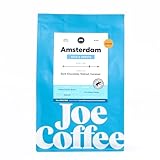
- Rich, sweet, and comforting, Amsterdam is the perfect drip coffee option for those who seek a deeper roast profile.
- We select the components for this coffee for their ability to stand up to a more developed roast, without ever tasting over-roasted or smoky. Instead, we pull out classic notes of chocolate, nut, and toffee.
- One 12 ounce bag
Coffee-to-water ratio
The ratio of coffee grounds to water determines the strength and flavor profile of your brew. A common starting point for many brewing methods is around 1:15 to 1:18 (e.g., 1 gram of coffee to 15-18 grams of water). When boiling, this ratio can be harder to manage, and it’s easy to end up with too much coffee or too little, leading to either an intensely bitter or a watery, weak beverage.
Cleanliness/descale status
Regardless of the brewing method, a clean machine or pot is essential. Coffee oils can build up and become rancid, imparting unpleasant flavors to your fresh brew. If you’re using a pot or kettle, ensure it’s free of residue. For any machine, regular descaling and cleaning cycles are vital for maintaining optimal performance and taste.
Step-by-step (brew workflow)
This is a simplified workflow for a “boiled coffee” or “cowboy coffee” style brew.
1. Gather your ingredients and equipment.
- What to do: You’ll need coffee grounds, water, a pot, and a way to strain or carefully pour.
- What “good” looks like: Everything is ready and within reach.
- Common mistake and how to avoid it: Not having enough water. Measure your water first to ensure you have enough for your desired amount of coffee.
You’ll need coffee grounds, water, a pot, and a way to strain or carefully pour. For this method, it’s best to use a coarse grind of coffee grounds to minimize bitterness.

- Contains one (1) 28 Ounce Bag of Peet's French Roast Ground 100% Arabica Coffee
- Flavor and Roast: Medium Roast. Flavor notes of citrus and hints of brown sugar and cocoa.
- Brewing Methods: Our ground coffee is perfectly suited to make drip or a pour over in your Chemex. For other brewing methods - espresso, cold brew, or French press - consider our whole bean coffees and griding at home
- Sourcing With Impact: The coffee you buy can impact the welfare of the people and planet. Peet’s is actively engaged in driving positive impact in communities where our coffees are grown
- Rich. Complex. Incomparable. Masters of our craft for over 50 years, we hand roast the very best coffees in the world.
2. Measure your coffee grounds.
- What to do: Use a coarse grind. For example, for 4 cups of water (about 32 oz), you might start with 4-6 tablespoons of coffee.
- What “good” looks like: The grounds are visibly coarse, like breadcrumbs or coarse sea salt.
- Common mistake and how to avoid it: Using a fine grind. This will result in a muddy, over-extracted, and bitter coffee. Use the coarsest grind you have available.
3. Add water to the pot.
- What to do: Pour your measured water into a pot.
- What “good” looks like: The water is clean and at room temperature.
- Common mistake and how to avoid it: Using hot water initially. This can cause grounds to clump and bloom unevenly, affecting extraction.
4. Heat the water.
- What to do: Place the pot on the stove and bring the water to a rolling boil.
- What “good” looks like: Vigorous bubbling indicates the water has reached its boiling point.
- Common mistake and how to avoid it: Boiling the water for too long before adding coffee. This can drive off desirable aromatics and make the water taste flat.
5. Remove pot from heat and let it rest briefly.
- What to do: Once boiling, immediately remove the pot from the heat. Let it sit for about 30-60 seconds.
- What “good” looks like: The water is still very hot but not actively boiling.
- Common mistake and how to avoid it: Adding coffee to aggressively boiling water. This can scald the grounds and create excessive bitterness.
6. Add coffee grounds to the hot water.
- What to do: Gently spoon or pour the coarse coffee grounds into the hot water.
- What “good” looks like: The grounds begin to sink or disperse into the water.
- Common mistake and how to avoid it: Dumping all the grounds at once in a clump. Try to distribute them as evenly as possible.
7. Stir gently.
- What to do: Give the mixture a brief, gentle stir to ensure all grounds are wet.
- What “good” looks like: A short, light stir to incorporate the grounds.
- Common mistake and how to avoid it: Stirring vigorously or for an extended period. This can agitate the grounds and lead to over-extraction.
8. Steep the coffee.
- What to do: Cover the pot and let the coffee steep for about 4 minutes.
- What “good” looks like: The coffee is extracting into the water, and the aroma is developing.
- Common mistake and how to avoid it: Steeping for too long. This is where most of the bitterness comes from. Stick to the 4-minute mark.
9. Settle the grounds.
- What to do: After steeping, you can add a small splash of cold water. This helps the grounds sink to the bottom.
- What “good” looks like: The grounds begin to clump together and settle.
- Common mistake and how to avoid it: Skipping this step. Without it, grounds will remain suspended and pour into your cup.
10. Pour carefully.
- What to do: Slowly and carefully pour the coffee into your mug, trying to leave the settled grounds behind in the pot.
- What “good” looks like: A stream of dark coffee flowing into your mug, with minimal grounds.
- Common mistake and how to avoid it: Pouring too quickly or tilting the pot too much. This will inevitably stir up the grounds.
Common mistakes (and what happens if you ignore them)
| Mistake | What it causes | Fix |
|---|---|---|
| Using fine coffee grounds | Bitter, muddy coffee; grounds clog strainers or end up in your cup. | Use a coarse grind, similar to sea salt or breadcrumbs. |
| Boiling grounds for too long | Over-extraction leads to harsh, bitter, and astringent flavors; coffee can taste burnt. | Remove from heat before adding grounds and steep for only 4 minutes. |
| Adding grounds to aggressively boiling water | Scorches coffee particles, creating burnt notes and bitterness; inconsistent extraction. | Let boiling water cool for 30-60 seconds before adding grounds. |
| Stirring vigorously or for too long | Agitates grounds, promoting over-extraction and bitterness; can also create more sediment. | Stir only briefly and gently to wet the grounds. |
| Not letting grounds settle | Coffee will be full of sediment, making it unpleasant to drink. | Add a splash of cold water after steeping to help grounds sink. Pour slowly and carefully. |
| Using stale coffee beans | Flat, dull, and uninspired flavor; lack of aroma and complexity, regardless of brewing method. | Use freshly roasted coffee beans and grind them just before brewing. |
| Using poor quality water | Off-flavors from chlorine or minerals in tap water will be prominent in the final cup. | Use filtered water for a cleaner, purer coffee taste. |
| Incorrect coffee-to-water ratio | Too much coffee results in an overly strong, bitter brew; too little coffee makes a weak, watery drink. | Start with a ratio of about 1:15 (coffee to water by weight) and adjust to your preference. For volume, aim for 1-2 tablespoons of grounds per 6 oz of water. |
| Not cleaning equipment | Rancid coffee oils build up, imparting stale and bitter flavors to your brew. | Wash your pot thoroughly after each use. |
Decision rules (simple if/then)
- If you want a clean cup of coffee with nuanced flavors, then do not boil coffee grounds directly because boiling leads to over-extraction and bitterness.
- If you have only a pot and no other brewing equipment, then a cowboy coffee (boiled coffee) is a rudimentary option, but expect a less refined taste.
- If your coffee tastes bitter, then check if you boiled the grounds too long or used too fine a grind because these are common causes of bitterness.
- If you want to make coffee quickly with minimal cleanup, then a French press might be a better choice than boiling, as it offers more control and easier grounds separation.
- If you are using tap water and your coffee tastes off, then switch to filtered water because water quality significantly impacts coffee flavor.
- If you notice a lot of sediment in your cup, then ensure you are using a coarse grind and letting the grounds settle properly before pouring.
- If your coffee tastes weak, then you likely need to use more coffee grounds or steep for a slightly longer time, but be cautious not to over-extract.
- If you are brewing for multiple people and want consistency, then a drip coffee maker or a large French press is more reliable than boiling.
- If you are concerned about caffeine, remember that boiling is still a method of extraction, so caffeine will be present, though flavor is the main casualty.
- If you’re curious about the simplest way to get a hot coffee beverage, try a simple immersion method like a French press or even a tea bag-style coffee pouch if available.
FAQ
Can I really just boil coffee grounds?
Yes, you can physically boil coffee grounds in water. This is a very old and basic method, often referred to as “cowboy coffee.” However, it’s not recommended for achieving the best taste.
Why is boiling coffee bad for flavor?
Boiling water is 212°F (100°C), which is hotter than ideal for coffee extraction. This high heat, combined with prolonged immersion, can over-extract the coffee grounds, pulling out bitter compounds and leaving behind the delicate, desirable flavors.
Will boiling coffee make it stronger?
“Stronger” can mean different things. It will certainly extract caffeine. However, the flavor might be so overwhelmingly bitter and harsh that it doesn’t taste “strong” in a pleasant way, but rather just unpleasant.
What kind of grind should I use if I boil coffee?
If you must boil coffee, use a very coarse grind. This is similar to what you’d use for a French press. A fine grind will result in a muddy, over-extracted, and bitter brew that’s difficult to strain.
How long should I steep coffee if I’m boiling it?
After removing the water from the boil and letting it cool for about 30-60 seconds, steep the coffee for approximately 4 minutes. Steeping for longer will significantly increase bitterness.
What’s the best way to avoid grounds in my cup?
The most common method for boiled coffee is to let the grounds settle to the bottom of the pot after steeping. Adding a small splash of cold water can help this process. Then, pour the coffee very slowly and carefully, leaving the sediment behind.
Is this method safe?
Boiling water and hot pots always carry a risk of burns. Be cautious when handling hot liquids and surfaces. The coffee itself is safe to drink, assuming you used clean water and coffee.
Can I use this method with any coffee beans?
You can use any coffee beans, but the results will be most noticeable with higher-quality beans. With a method like boiling, even good beans will likely not shine, and poor-quality beans will taste even worse.
What this page does NOT cover (and where to go next)
- Specific recipes or ratios for boiling coffee, as results are highly variable and generally suboptimal.
- Detailed analysis of the chemical compounds extracted during boiling versus other methods.
- Comparisons of specific brands or types of coffee beans for boiling.
Where to go next:
- Explore the principles of coffee extraction and how variables like temperature and time affect taste.
- Learn about popular and effective home brewing methods like pour-over, French press, or AeroPress.
- Understand the importance of bean freshness, grind size, and water quality for any brewing method.