
Best Ways to Store Iced Coffee in the Fridge
Quick answer
- Use an airtight container. Glass is best.
- Let it cool completely before refrigerating.
- Store it away from strong smells.
- Don’t leave it out for too long before chilling.
- Drink within 2-3 days for peak flavor.
- Consider brewing a concentrate.
Who this is for
- Anyone who likes to prep coffee ahead of time.
- Busy folks who need a cold caffeine fix on demand.
- Home baristas looking to perfect their iced coffee game.
What to check first
Brewer type and filter type
Different brewers make coffee differently. A drip machine needs a paper filter. A French press uses a metal mesh. Make sure your filter is clean and the right fit for your gear. A clean filter means cleaner taste.
Water quality and temperature
Tap water can have funky tastes. Filtered water is usually the way to go for the best flavor. For iced coffee, you’ll want to brew it hot first, then cool it. That hot water needs to be the right temperature, usually between 195-205°F. Too hot can scorch the beans, too cool makes weak coffee.
Grind size and coffee freshness
Fresh beans make a huge difference. Grind them right before you brew if you can. For iced coffee, you might want a slightly coarser grind than for hot drip, depending on your method. Old coffee tastes stale, plain and simple.
Fresh beans make a huge difference in your iced coffee. If you don’t have one already, consider investing in a quality coffee bean grinder to ensure you’re always using the freshest grounds for the best flavor.
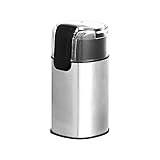
- Electric coffee bean grinder appliance for home use
- Can grind 30 grams/1 ounce of beans for drip coffee brewing in 10 seconds
- Grind coffee beans, herbs, spices, grains, nuts, and more
- Clear safety lid allows you to easily see the results in progress
- Heavy-duty stainless steel grind blade
Coffee-to-water ratio
This is key for strength. A good starting point for hot brewed coffee that will become iced is around 1:15 to 1:17 (coffee to water by weight). If you’re brewing a concentrate for iced coffee, you’ll use more coffee or less water, maybe 1:8 to 1:10. Experiment to see what you like.
Cleanliness/descale status
Gunk in your brewer is bad news. It imparts stale, bitter flavors. Regularly clean your coffee maker. Descaling removes mineral buildup, which also affects taste and can clog your machine. Check your brewer’s manual for descaling instructions.
Step-by-step (brew workflow)
1. Gather your gear.
- What to do: Get your coffee maker, filters, fresh coffee beans, and a grinder ready.
- What “good” looks like: Everything is clean and within easy reach.
- Common mistake: Using a dirty brewer. This adds old, bitter flavors to your fresh brew. Always rinse or wipe down your equipment.
2. Measure your coffee.
- What to do: Weigh your whole beans for accuracy. A good starting point is about 60 grams of coffee for a 32 oz batch.
- What “good” looks like: Precise measurement leads to consistent results.
- Common mistake: Guessing the amount. This leads to coffee that’s too weak or too strong.
3. Grind your beans.
- What to do: Grind the beans to a medium-coarse consistency, similar to sea salt.
- What “good” looks like: Uniform particle size for even extraction.
- Common mistake: Grinding too fine. This can lead to over-extraction and a bitter taste, especially when brewing hot for iced coffee.
4. Heat your water.
- What to do: Heat filtered water to 195-205°F. A gooseneck kettle gives you control.
- What “good” looks like: Water at the optimal brewing temperature, not boiling.
- Common mistake: Using boiling water. This can scorch the coffee grounds and make your brew taste burnt.
5. Brew your coffee.
- What to do: Add the grounds to your filter and slowly pour the hot water over them, saturating evenly. Aim for a total brew time of about 3-4 minutes for a pour-over.
- What “good” looks like: A steady stream of coffee filling your carafe.
- Common mistake: Pouring water too fast or unevenly. This leads to uneven extraction and a less flavorful cup.
6. Cool the coffee.
- What to do: Let the brewed coffee sit at room temperature for at least 30-60 minutes.
- What “good” looks like: The coffee has lost its initial intense heat.
- Common mistake: Pouring hot coffee directly into the fridge. This can raise the fridge temperature, potentially affecting other food, and can also create condensation that dilutes your coffee.
7. Transfer to storage.
- What to do: Pour the cooled coffee into a clean, airtight container. Glass is ideal.
- What “good” looks like: A container that seals tightly to prevent oxidation and odor absorption.
- Common mistake: Using a container with a loose lid. This allows air in, which makes the coffee go stale faster.
8. Refrigerate immediately.
- What to do: Place the sealed container in the coldest part of your fridge.
- What “good” looks like: The coffee is chilling quickly and safely.
- Common mistake: Leaving the coffee out on the counter after cooling. This gives bacteria a chance to grow and degrades the flavor.
9. Add ice when serving.
- What to do: When you’re ready to drink, fill your glass with ice and pour the chilled coffee over it.
- What “good” looks like: A perfectly chilled beverage.
- Common mistake: Diluting the coffee by adding ice while brewing or storing. This is why brewing a concentrate is often preferred for iced coffee.
10. Clean up.
- What to do: Discard the used grounds and rinse your brewing equipment.
- What “good” looks like: A clean workspace and ready-to-go brewer for next time.
- Common mistake: Leaving wet grounds in the filter basket. This can lead to mold and unpleasant smells.
Common mistakes (and what happens if you ignore them)
| Mistake | What it causes | Fix |
|---|---|---|
| Storing hot coffee in the fridge | Warms up fridge, can create condensation, flavors | Let coffee cool to room temp first. |
| Using an airtight container | Coffee goes stale, absorbs fridge odors | Use glass jars or bottles with tight-fitting lids. |
| Not letting coffee cool completely | Diluted coffee, potential bacterial growth | Allow coffee to reach room temperature before refrigerating. |
| Using stale coffee beans | Flat, dull, or bitter taste | Use freshly roasted beans and grind them just before brewing. |
| Incorrect grind size (too fine) | Bitter, over-extracted, muddy coffee | Adjust grind to medium-coarse for hot brew intended for chilling. |
| Incorrect grind size (too coarse) | Weak, sour, under-extracted coffee | Adjust grind to medium-coarse. |
| Brewing with dirty equipment | Off-flavors, bitterness, stale taste | Clean your brewer and carafe regularly. |
| Using unfiltered tap water | Off-tastes, mineral buildup | Use filtered water for a cleaner, purer coffee flavor. |
| Leaving coffee out too long | Flavor degradation, potential spoilage | Refrigerate promptly after brewing and cooling. |
| Not storing away from strong smells | Coffee absorbs onion/garlic/etc. smells | Keep container sealed and in a less odor-intense part of the fridge. |
| Not drinking within 2-3 days | Flavor decline, stale taste | Plan to consume within a few days for best quality. |
Decision rules (simple if/then)
- If your coffee tastes bitter, then check your grind size and water temperature because too fine a grind or water that’s too hot can cause over-extraction.
- If your coffee tastes weak, then check your coffee-to-water ratio and grind size because not enough coffee or too coarse a grind will lead to under-extraction.
- If your refrigerated coffee tastes off, then check its freshness and storage container because stale coffee or a container that isn’t airtight can ruin the flavor.
- If you want to avoid diluting your iced coffee, then brew a coffee concentrate and chill it because this allows you to add ice without watering down the flavor.
- If you notice a lot of sediment in your cold brew, then check your filter or straining method because a finer filter or double straining might be needed.
- If your coffee maker is producing slow drips or strange noises, then it’s time to descale because mineral buildup is likely the culprit.
- If you’re in a hurry and want iced coffee, then brew a double batch of hot coffee and chill half of it for later because this gives you a head start.
- If you’re storing coffee for more than three days, then consider making a smaller batch because the flavor quality degrades over time.
- If you want to simplify your morning routine, then brew your coffee the night before and chill it because it’s ready to go when you wake up.
- If you’re sensitive to caffeine, then brew a weaker batch or use decaf beans because you can control the strength and caffeine level.
FAQ
How long does iced coffee last in the fridge?
For the best flavor, aim to drink it within 2-3 days. After that, it starts to lose its freshness and can pick up fridge odors.
Can I freeze iced coffee?
Yes, you can freeze iced coffee. Pour it into ice cube trays for coffee ice cubes, or into freezer-safe containers for larger batches. It’s best to use it within a month or two for optimal taste.
Should I add ice to my coffee before refrigerating it?
No, definitely not. Adding ice to hot coffee before refrigerating will dilute it significantly as the ice melts. It’s better to chill the coffee first and add ice just before serving.
What’s the best container for storing iced coffee?
Airtight glass containers are ideal. They don’t absorb odors and are easy to clean. Jars with tight-fitting lids or good quality glass bottles work great.
Why does my iced coffee taste bitter after refrigerating?
This usually means it was over-extracted during brewing. Check your grind size and water temperature. Also, ensure it cooled completely before chilling.
Can I reheat stored iced coffee?
You can, but it’s generally not recommended if you want the best flavor. Reheating can dull the taste. It’s best enjoyed cold.
Does the type of coffee bean matter for iced coffee storage?
While bean type affects flavor, storage principles are the same. Freshness is key regardless of the roast or origin.
What if my fridge has strong smells?
Seal your coffee container tightly. Store it in a less odor-prone area of the fridge if possible, like the back or a shelf that doesn’t have onions or strong-smelling leftovers.
What this page does NOT cover (and where to go next)
- Specific brewing methods like Aeropress or Moka Pot for iced coffee.
- Detailed guides on latte art or complex espresso-based iced drinks.
- Recipes for flavored iced coffee syrups or additions.
- Commercial-grade coffee storage solutions.
- The science of coffee bean roasting and its impact on flavor.