
Best Coffee Makers for Brewing Delicious Iced Coffee
Quick answer
- Look for makers designed for cold brew or that can brew strong, concentrated coffee.
- A dedicated iced coffee maker simplifies the process.
- Many drip coffee makers can work if you brew double-strength.
- Consider the capacity you need for your daily iced coffee fix.
- Ease of cleaning is a big plus, trust me.
- Fresh beans and good water are non-negotiable, no matter the machine.
Key terms and definitions
- Cold Brew: Coffee brewed with cold water over a long period (12-24 hours). Results in a smooth, low-acid concentrate.
- Iced Coffee Concentrate: A strong coffee brewed hot, designed to be diluted with ice and water/milk.
- Bloom: The initial release of CO2 when hot water first hits fresh coffee grounds.
- Extraction: The process of dissolving soluble compounds from coffee grounds into water.
- Ratio: The proportion of coffee grounds to water used in brewing.
- Grind Size: The coarseness or fineness of coffee beans after grinding. Crucial for extraction.
- Over-extraction: Brewing too long or with too fine a grind, leading to bitter flavors.
- Under-extraction: Brewing too short or with too coarse a grind, leading to weak, sour flavors.
- Specialty Coffee: Coffee beans that are graded 80 points or higher on a 100-point scale.
How it works: Brewing Iced Coffee
Making great iced coffee is all about managing dilution and flavor. You’ve got a couple of main paths.
- The Cold Brew Way: This is the patient approach. You combine coffee grounds and cold water, let it sit for many hours, then filter. The slow, cold extraction pulls out different flavor compounds than hot brewing, resulting in a naturally smoother, less acidic coffee. It’s a concentrate that you then dilute with ice and water or milk. Simple, but takes planning.
- The Hot Brew & Chill Way: This is faster. You brew coffee hot, but you do it stronger than usual. Think double strength. Then, you pour this hot concentrate directly over a full glass of ice. The ice melts, diluting the coffee to drinking strength and chilling it instantly. Some machines are built specifically for this, brewing hot and then chilling.
- The “Brew Directly Over Ice” Method: Some specialized iced coffee makers employ this. They brew hot coffee directly into a carafe filled with ice. As the hot coffee drips, it melts the ice, chilling the coffee and diluting it to the perfect strength simultaneously. It’s a neat trick for speed.
- The Drip Machine Hack: You can totally use your regular drip coffee maker. The key is to increase the coffee-to-water ratio. Use twice the amount of grounds you normally would for the same amount of water, or half the water for the same amount of grounds. Brew it hot, then chill it in the fridge or pour it over ice. It’s not as nuanced as cold brew, but it works.
- The Espresso/Moka Pot Method: For a more intense base, you can use an espresso machine or a Moka pot to brew a strong shot or two. Pour this over ice, then add cold water or milk. This gives you a coffee base similar to an iced latte.
- Filtration Matters: Regardless of the method, good filtration is key. Whether it’s a paper filter, a metal mesh, or a cloth filter, it removes sediment and oils, leading to a cleaner cup.
What affects the result for iced coffee
So, you want that perfect, refreshing iced coffee. It’s not just about the machine. Lots of things play a role.
- Water Quality: If your tap water tastes funky, your coffee will too. Use filtered water. It makes a difference, I swear.
- Bean Freshness: Stale beans make stale coffee. Period. Buy whole beans and grind them right before you brew.
- Grind Size: This is huge. For cold brew, you want a coarse grind. For hot brewing that you’ll chill, a medium to medium-fine grind is usually best, depending on your brewer.
- Coffee-to-Water Ratio: Too little coffee, and it’s weak. Too much, and it’s overpowering. For iced coffee, you often need a stronger ratio than for hot coffee to account for dilution.
- Brewing Temperature (for hot methods): While we’re chilling it, the initial brew temp still matters. For hot brewing methods, aim for that sweet spot, usually between 195-205°F (90-96°C).
- Brewing Time: Cold brew needs time – 12 to 24 hours. Hot brew methods are much faster, but the time the water is in contact with the grounds is critical for extraction.
- Ice Dilution: How much ice you use directly impacts the final strength and flavor. Too much ice melts too fast, watering it down. Too little, and it’s not cold enough.
- Type of Ice: Larger cubes melt slower, which is generally better for iced coffee so it doesn’t get watery too quickly.
- Brewer Type: A dedicated iced coffee maker is designed for the task. Drip machines, French presses, and pour-overs can all be adapted, but they require more technique.
- Post-Brew Chilling: If you brew hot and want to chill it later, doing it quickly in the fridge or an ice bath helps preserve flavor better than just letting it sit on the counter.
- Additives: Milk, cream, sugar, syrups – these all change the flavor profile. Start with a good coffee base before you start adding stuff.
- Cleanliness: A dirty brewer will make your coffee taste off. Keep your equipment clean. It’s a simple step that pays dividends.
Pros, cons, and when it matters for iced coffee makers
Choosing the right gear can make or break your iced coffee game.
- Dedicated Iced Coffee Makers:
- Pros: Designed for the task, often brew directly over ice for quick chilling, simple to use.
- Cons: Can be an extra appliance to store, might have limited capacity, can be pricier.
- When it matters: If you drink iced coffee daily and value convenience and speed.
If you drink iced coffee daily and value convenience and speed, a dedicated iced coffee maker is a great option. This type of machine is specifically designed for the task, often brewing directly over ice for quick chilling.

- BREW BY THE CUP OR CARAFE: Brews both K-Cup pods and coffee grounds.
- MULTISTREAM TECHNOLOGY: Saturates the grounds evenly to extract full flavor and aroma in every cup, hot or cold.
- BREW OVER ICE: Adjusts temperature for maximum flavor and less ice melt for single-cup iced coffees and teas.
- STRONG BREW & EXTRA HOT FUNCTIONALITY: Brews a stronger, more intense-flavored cup and the extra hot feature brews a hotter single cup.
- MULTIPLE BREW SIZES: Brew 6, 8, 10, or 12oz single cups or 6, 8, 10, or 12-cup carafes. 12-cup glass carafe specially designed to limit dripping.
- Cold Brew Makers (Pitcher Style):
- Pros: Simple, produces smooth, low-acid concentrate, often easy to clean.
- Cons: Requires significant advance planning (12-24 hours), not for instant gratification.
- When it matters: If you prefer the smooth flavor profile of cold brew and don’t mind planning ahead.
- Standard Drip Coffee Makers:
- Pros: Most people already own one, versatile for hot and iced coffee (with adjustments).
- Cons: Requires manual adjustment for strength (e.g., doubling grounds), no built-in chilling.
- When it matters: If you’re on a budget or want a single machine for both hot and iced coffee, and you’re willing to tweak your brewing.
Most people already own a standard drip coffee maker, making it a versatile choice for both hot and iced coffee. While it requires manual adjustment for strength, it’s a budget-friendly option if you’re willing to tweak your brewing.
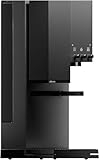
- 1. Three Levels of Automation for Any Skill Level: Choose from Autopilot, Copilot, or Free Solo mode. Autopilot handles the entire brewing process automatically. Copilot provides step-by-step guidance. Free Solo gives you full manual control. This coffee machine works for beginners and professional baristas alike.
- 2. Intuitive User Interface with Tactile Knobs and LED Matrix: The Studio features physical control knobs and a clear LED Matrix display. You can adjust grind size, water temperature, and flow rate in real time without navigating complicated touchscreen menus.
- 3. Full Customization via the xBloom App: Use the xBloom app to create, adjust, save, and share your favorite coffee recipes. Every brewing parameter can be fine-tuned and synced to the machine instantly. Your perfect cup is saved and repeatable.
- 4. Compostable xPod System for Minimal Waste and Maximum Flavor: Each xPod contains carefully selected whole beans and a built-in filter. Tap the recipe card, pour the beans into the grinder, place the pod into the dock, and press start. No capsules, no extra paper filters, no unnecessary waste.
- 5. What Is Included in the Box: The package includes the xBloom Studio, Omni Dripper 2 with Hyperflow Bottom, 10 paper filters, xPod Dock, Magnetic Dosing Cup, default recipe card, quick start guide, cleaning brush, universal power cord, and a 2-Year xbloom brand warranty. Everything you need is included—along with long-term peace of mind.
- French Press:
- Pros: Full-bodied flavor, relatively simple to use, good for making a concentrate.
- Cons: Can result in sediment if not filtered well, requires manual pressing and pouring.
- When it matters: If you like a richer, more robust coffee and don’t mind a little sediment. You can use it to make a hot concentrate to pour over ice.
- Pour-Over Brewers (V60, Chemex):
- Pros: High degree of control over brewing variables, clean cup profile.
- Cons: Requires more technique and attention, can be time-consuming.
- When it matters: If you’re a coffee enthusiast who enjoys the ritual and wants maximum control over flavor, and you can adapt it for iced coffee by brewing strong and chilling.
- Espresso Machines / Moka Pots:
- Pros: Creates a strong, concentrated base perfect for iced lattes and americanos.
- Cons: Higher upfront cost for espresso machines, Moka pots require stovetop use.
- When it matters: If you love espresso-based iced drinks and want that intense flavor.
- Capacity:
- Pros: Larger capacity means more coffee at once.
- Cons: Takes up more counter space.
- When it matters: For households with multiple iced coffee drinkers or if you like to prep for a couple of days.
- Ease of Cleaning:
- Pros: Less hassle, more likely to use it regularly.
- Cons: Some designs are fiddly.
- When it matters: For anyone who hates cleaning appliances. Seriously, life’s too short.
Common misconceptions about iced coffee makers
Let’s clear the air on some common myths.
- Myth: You need a super expensive machine for good iced coffee.
- Reality: A regular drip maker, a French press, or even a simple cold brew pitcher can make fantastic iced coffee if you use good beans and the right technique.
- Myth: Cold brew is always less acidic.
- Reality: While cold brewing generally results in lower perceived acidity, the bean itself and the brewing process still contribute. Some beans are naturally more acidic.
- Myth: You can just brew hot coffee and pour it into the fridge to chill.
- Reality: This is a slow process and can degrade flavor. Brewing hot and pouring over ice, or chilling quickly, is much better.
- Myth: All iced coffee makers brew cold.
- Reality: Many “iced coffee makers” actually brew hot coffee directly over ice to chill it rapidly. True cold brewing takes many hours.
- Myth: The finer the grind, the stronger the iced coffee.
- Reality: Grind size is about extraction. Too fine a grind, especially for hot brewing, can lead to bitterness. For cold brew, a coarse grind is essential.
- Myth: You can use any coffee beans for cold brew.
- Reality: While you can use most beans, darker roasts tend to work well for cold brew as they have a naturally smoother, less bitter profile that holds up to the long steep.
- Myth: Iced coffee is just coffee with ice.
- Reality: The best iced coffee often involves specific brewing methods or ratios to compensate for the dilution from ice.
- Myth: Cold brew is always smooth and never bitter.
- Reality: If you over-extract cold brew (too long a steep, wrong ratio), it can still become bitter. Technique matters.
- Myth: Dedicated iced coffee makers are only for sweetened drinks.
- Reality: They are designed to brew a clean, refreshing cup that can be enjoyed black or with your preferred additions.
FAQ
Q: Can I use my regular coffee maker for iced coffee?
A: Absolutely. You’ll just need to adjust your coffee-to-water ratio to make it stronger, then chill it or pour it over ice.
Q: What’s the difference between cold brew and iced coffee?
A: Cold brew is brewed with cold water over a long time, resulting in a smooth concentrate. Iced coffee is typically brewed hot and then chilled, often over ice.
Q: How much coffee should I use for iced coffee?
A: For hot brewing that you’ll chill, use a stronger ratio, perhaps double the grounds you’d use for hot coffee, to account for ice dilution. For cold brew, follow the maker’s instructions, but it’s usually a higher ratio of coffee to water.
Q: Does the type of ice matter for iced coffee?
A: Yes. Larger ice cubes melt slower, diluting your coffee less quickly and keeping it colder for longer.
Q: How long does cold brew concentrate last?
A: Properly stored in an airtight container in the refrigerator, cold brew concentrate can last for about 7-10 days.
Q: Can I make iced coffee without a special machine?
A: Definitely. A French press, pour-over, or even a simple jar for cold brew can work wonders.
Q: What’s the best way to chill hot-brewed coffee for iced coffee?
A: The fastest way is to pour the hot coffee directly over a full glass of ice. For chilling a larger batch, use an ice bath or place it in the fridge.
Q: Is cold brew healthier than regular iced coffee?
A: Cold brew is often perceived as being easier on the stomach due to lower acidity. Nutritional content is similar, but it depends on what you add.
What this page does NOT cover (and where to go next)
This guide focuses on the makers and the basic brewing principles for iced coffee.
- Specific coffee bean recommendations: Exploring different roasts and origins for iced coffee is a whole other journey.
- Detailed cleaning guides for specific brands: Always check your brewer’s manual for the best cleaning advice.
- Advanced latte art or complex iced coffee recipes: We’re keeping it simple here.
- The science of water chemistry and coffee extraction: That’s deep diving!