
Baking Coffee-Flavored Cake
Quick answer
- Use high-quality instant espresso powder for the most concentrated coffee flavor without adding excess liquid.
- Bloom coffee powder in a small amount of hot liquid (water, milk, or extract) to intensify its flavor.
- Adjust sugar levels, as coffee can introduce bitterness that needs balancing.
- Consider adding complementary flavors like vanilla, chocolate, or cinnamon to enhance the coffee.
- Ensure all ingredients are at room temperature for a smooth, well-emulsified batter.
- For even baking, don’t overmix the batter; mix until just combined.
- Cool cakes completely on a wire rack before frosting to prevent melting.
Who this is for
- Home bakers looking to infuse rich coffee flavor into their cakes.
- Anyone who enjoys the combination of coffee and dessert.
- Bakers seeking to troubleshoot common issues when adding coffee to recipes.
What to check first
Brewer type and filter type
For baking, you’re generally not brewing coffee in the traditional sense. Instead, you’ll be using coffee in a powdered form. This means you don’t need to worry about your coffee maker or filter type. However, the type of coffee powder you choose is crucial. Instant espresso powder is highly recommended for its concentrated flavor and fine texture, which dissolves easily. Finely ground coffee (like for espresso machines) can also be used, but may leave a slight texture if not bloomed well. Regular drip coffee grounds are generally too coarse and will not dissolve properly, leading to a gritty texture.
For baking, instant espresso powder is highly recommended for its concentrated flavor and fine texture, which dissolves easily. Consider using a high-quality option like this to ensure the best coffee infusion.

- AWARD-WINNING ESPRESSO POWDER- Named Best Espresso Powder by America’s Test Kitchen. Premium Colombian coffee, expertly roasted and finely ground for rich, authentic espresso flavor in every spoonful.
- PERFECT FOR BAKING & DESSERTS - Essential ingredient for tiramisu, brownies, chocolate cakes, cookies, and frostings. Intensifies chocolate flavor and adds café-style depth to homemade desserts.
- VERSATILE CULINARY USES - Dissolves easily in batters, sauces, and smoothies. Perfect for mocha drinks, protein shakes, and espresso-infused recipes — from baking to beverages.
- PURE COLOMBIAN COFFEE QUALITY - Made from 100% Arabica beans, medium roast, Non-GMO, and free from artificial ingredients. Fine ground for quick dissolving and consistent flavor results.
- SMALL JAR, BIG FLAVOR IMPACT - A little goes a long way — one jar enhances dozens of recipes. Shelf-stable, resealable packaging keeps your espresso powder fresh and aromatic.
Water quality and temperature
While you won’t be brewing, you might use a small amount of hot water or milk to “bloom” your coffee powder. Using filtered water can help ensure no off-flavors are introduced. The temperature of this liquid should be hot enough (around 180-200°F) to dissolve the coffee powder and release its aromatic compounds effectively. If using milk, warm it gently.
Grind size and coffee freshness
When incorporating coffee into cake batter, the “grind size” refers to the fineness of your coffee powder. As mentioned, instant espresso powder is ideal because it’s very fine and dissolves readily. If you’re using very finely ground coffee beans (e.g., Turkish or espresso grind), ensure it’s fresh. Stale coffee loses its aromatic oils and will result in a less flavorful cake. Store coffee powder in an airtight container in a cool, dark place.
When incorporating coffee into cake batter, the ‘grind size’ refers to the fineness of your coffee powder. If you’re using very finely ground coffee beans (e.g., Turkish or espresso grind), ensure it’s fresh for the most flavorful cake.
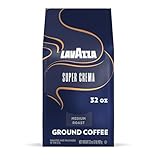
- SUPER CREMA: A 32 oz ground coffee bag ideal for espresso or drip preparation
- INTENSITY AND ROAST: This full-bodied medium roast offers a bold and creamy finish
- BLEND: Made from Arabica and Robusta beans, this naturally caffeinated blend is sourced from 15 coffee-growing countries around the world
- PREPARATION: Ideal for drip coffee machines, Chemex, pour over, moka pot, and espresso machines
- BREWING GUIDE FOR COFFEE: 0.5 oz of ground coffee for every 8 oz of water
Coffee-to-water ratio
When “blooming” coffee powder, the ratio of coffee to hot liquid is important. The goal is to create a concentrated paste or liquid without adding too much moisture to your cake batter. A common starting point is 1-2 tablespoons of instant espresso powder to 1-2 tablespoons of hot water or milk. This creates a potent coffee “extract” that can be easily incorporated. Adjust based on desired coffee intensity.
When ‘blooming’ coffee powder, the goal is to create a concentrated paste or liquid. A common starting point is 1-2 tablespoons of instant espresso powder to 1-2 tablespoons of hot water or milk, or you can use a dedicated coffee extract for baking to achieve a potent coffee ‘extract’ that can be easily incorporated.

- Pure Extract is perfect for baking, flavoring drinks and more!
- Made from natural oils—100% Pure
- No Artificial Colors or Flavors
- Non-GMO, Gluten Free, Corn Syrup Free, Kosher
- Crafted in the USA
Cleanliness/descale status
While not directly related to coffee, ensuring your baking tools and mixing bowls are clean is always important for successful baking. Any residue can affect the flavor or texture of your cake.
Step-by-step to make cake with coffee powder
1. Gather and prepare ingredients: Measure all dry and wet ingredients accurately.
- Good looks like: All ingredients are at room temperature (eggs, butter, milk) unless specified cold. This helps with emulsification and a smooth batter.
- Common mistake: Using cold ingredients. This can lead to a lumpy batter and a denser cake. Avoid by planning ahead and letting ingredients sit out for 30-60 minutes.
2. Bloom the coffee powder: In a small, heatproof bowl, combine instant espresso powder or very fine coffee powder with a small amount of hot water, hot milk, or a complementary liquid like vanilla extract. Stir until fully dissolved and a concentrated paste or liquid forms.
- Good looks like: A smooth, dark, intensely aromatic coffee liquid with no undissolved granules.
- Common mistake: Not dissolving the coffee completely. This can leave gritty bits in your cake. Avoid by stirring thoroughly and ensuring the liquid is hot enough.
3. Preheat oven and prepare pans: Preheat your oven to the specified temperature (e.g., 350°F). Grease and flour your cake pans, or line with parchment paper.
- Good looks like: Oven is fully preheated before the cake goes in. Pans are evenly coated to prevent sticking.
- Common mistake: Putting cake in a cold oven. This affects rise and texture. Avoid by using an oven thermometer and preheating for at least 15-20 minutes.
4. Combine dry ingredients: Whisk together flour, baking powder, baking soda (if using), salt, and any additional dry spices (like cinnamon or cocoa powder) in a medium bowl.
- Good looks like: Ingredients are uniformly mixed, with no clumps of leavening agents.
- Common mistake: Not whisking dry ingredients. This can lead to uneven rising or pockets of unmixed ingredients. Avoid by whisking for 30 seconds to 1 minute.
5. Cream butter and sugar: In a large mixing bowl, beat softened butter and granulated sugar together until light and fluffy.
- Good looks like: Mixture is pale yellow, significantly increased in volume, and airy.
- Common mistake: Not creaming enough. This results in a dense cake. Avoid by beating for 3-5 minutes with an electric mixer.
6. Add eggs and coffee mixture: Beat in eggs one at a time, mixing well after each addition. Then, mix in the bloomed coffee powder mixture.
- Good looks like: Batter remains smooth and emulsified.
- Common mistake: Adding all eggs at once or not mixing well. This can break the emulsion. Avoid by adding eggs individually and scraping down the sides of the bowl.
7. Alternate dry and wet ingredients: Gradually add the dry ingredient mixture to the wet ingredients, alternating with milk or buttermilk, beginning and ending with dry. Mix on low speed until just combined.
- Good looks like: A smooth, uniform batter with no streaks of flour.
- Common mistake: Overmixing the batter. This develops gluten, leading to a tough cake. Avoid by mixing only until the flour disappears, then stopping.
8. Pour into pans and bake: Divide the batter evenly among the prepared cake pans. Bake according to recipe instructions, usually until a toothpick inserted into the center comes out clean.
- Good looks like: Cakes are golden brown, spring back when lightly touched, and have pulled slightly away from the pan edges.
- Common mistake: Opening the oven door too early. This can cause cakes to sink. Avoid by waiting until at least two-thirds of the baking time has passed.
9. Cool cakes: Let cakes cool in the pans for 10-15 minutes before inverting them onto a wire rack to cool completely.
- Good looks like: Cakes are fully cooled to room temperature before frosting.
- Common mistake: Frosting warm cakes. This will melt the frosting. Avoid by being patient and allowing ample cooling time.
Common mistakes (and what happens if you ignore them)
| Mistake | What it causes | Fix |
|---|---|---|
| Using regular coffee grounds | Gritty texture, weak flavor | Use instant espresso powder or very fine coffee powder, bloomed in hot liquid. |
| Not blooming coffee powder | Less intense coffee flavor, potential for gritty texture | Dissolve coffee powder in a small amount of hot liquid before adding to batter. |
| Overmixing cake batter | Tough, dry, or rubbery cake | Mix only until ingredients are just combined; stop as soon as flour streaks disappear. |
| Using cold ingredients | Lumpy batter, poor emulsification, dense cake | Ensure butter, eggs, and milk are at room temperature. |
| Not measuring accurately | Incorrect texture, flavor imbalance | Use a kitchen scale for dry ingredients (especially flour) and liquid measuring cups for liquids. |
| Overbaking the cake | Dry, crumbly cake | Bake only until a toothpick comes out clean; use an oven thermometer to verify oven temp. |
| Frosting a warm cake | Melted, runny frosting | Allow cakes to cool completely on a wire rack before applying any frosting. |
| Not preparing pans properly | Cake sticking to the pan | Grease and flour pans thoroughly, or line with parchment paper. |
| Adding too much liquid coffee | Altered batter consistency, dense cake | Use concentrated bloomed coffee powder; avoid adding excess brewed coffee. |
| Using stale coffee powder | Weak, flat coffee flavor | Store coffee powder in an airtight container; use within a few months of opening. |
Decision rules for making cake with coffee powder
- If your cake recipe calls for liquid, then consider replacing some of that liquid with strong brewed coffee or bloomed instant espresso for a more pronounced coffee flavor.
- If you want a subtle coffee note, then add 1-2 teaspoons of instant espresso powder directly to your dry ingredients, ensuring it’s well distributed.
- If you desire an intense coffee flavor, then bloom 1-2 tablespoons of instant espresso powder in 1-2 tablespoons of hot water or milk before adding to the wet ingredients.
- If your cake batter seems too thick after adding coffee, then add milk or water in small increments (1 teaspoon at a time) until the desired consistency is reached.
- If you’re concerned about bitterness, then increase the sugar slightly (1-2 tablespoons) or add a touch of vanilla extract to balance the coffee flavor.
- If you’re making a chocolate cake, then adding instant espresso powder will deepen the chocolate flavor without making it taste distinctly like coffee.
- If your recipe has a strong acidic component (like buttermilk or sour cream), then instant espresso powder will dissolve well and blend seamlessly.
- If you plan to frost the cake with a coffee-flavored frosting, then reduce the coffee in the cake batter slightly to avoid overwhelming the palate.
- If you are using a very fine grind of regular coffee beans, then bloom it for at least 5 minutes in hot liquid to extract maximum flavor and soften the grounds.
- If your cake is sinking in the middle, then check your oven temperature and ensure your leavening agents (baking powder/soda) are fresh.
FAQ
Can I use regular ground coffee in my cake batter?
It’s generally not recommended to use regular ground coffee directly in cake batter. The grounds are too coarse and will result in a gritty texture. Instant espresso powder or very finely ground coffee (like Turkish coffee) are better choices because they dissolve more completely and provide a smoother texture.
How much coffee powder should I add to a standard cake recipe?
For a standard 8 or 9-inch cake, start with 1-2 tablespoons of instant espresso powder. You can bloom it in an equal amount of hot liquid for maximum flavor. Adjust up or down based on your desired intensity. Adding too much can affect the cake’s texture or make it overly bitter.
Will adding coffee make my cake bitter?
Coffee can introduce bitterness, especially if you use a large amount or a very dark roast. To counteract this, ensure you balance the flavor with sugar and other complementary ingredients like vanilla extract or chocolate. Blooming the coffee can also help mellow some of the harsh notes.
What’s the best way to get a strong coffee flavor in cake?
The best way is to use instant espresso powder, which is highly concentrated. Blooming it in a small amount of hot water or milk before adding it to the batter helps to dissolve it completely and release its full aromatic potential, leading to a more intense coffee flavor.
Can I use brewed coffee instead of coffee powder?
You can use a small amount of very strong brewed coffee, but be mindful of the added liquid. Too much liquid can throw off the cake batter’s consistency and lead to a dense or gummy cake. Replace a portion of the recipe’s liquid (like milk or water) with strong brewed coffee, but powdered coffee is often preferred for concentration without excess moisture.
Does coffee powder affect the texture of the cake?
When used in appropriate amounts, instant espresso powder generally has minimal impact on cake texture, especially if it’s fully dissolved. Adding too much liquid from brewed coffee, however, can make the cake denser or gummier. Using coarse coffee grounds will definitely result in a gritty texture.
Should I adjust the baking time when adding coffee?
Typically, you won’t need to significantly adjust the baking time when adding coffee powder. The amount of liquid added is usually small enough not to alter the overall baking time. Always rely on visual cues and the toothpick test to determine doneness.
What this page does NOT cover (and where to go next)
- Specific cake frosting recipes (e.g., coffee buttercream, ganache)
- Detailed information on different types of coffee beans and roasts
- Advanced cake decorating techniques
- Vegan or gluten-free cake modifications
- Troubleshooting issues with specific cake recipes (beyond coffee-related problems)
- How to make coffee-flavored fillings or glazes for cakes